Just International

G20 Biofuel Alliance threatens Food security

By Dr. Soma Marla

During the recent G 20 summit India  has launched the Global Biofuel Aliance. Prime Minister Narendra Modi  urged the G20 nations to join the initiative with a plea to take ethanol blending with petrol globally to 20 per cent  to facilitate energy transformation in context of climate change.  Although provision of   environmentally sustainable  green alternative to fossil fuels  sounds good, the basic idea to produce fuel from food is in itself  takes away  food from poor and instead  adds  more cars and other automobiles on our roads.

India has ambitious  targets to  mix bio ethanol   to fossile fuels.  It already mixes 10 percent  bio ethanol to fissile fuels and   aims  to reach  20  percent   by 2025. Currently India  produces  9470 million litres (or 947 crore litres) of bio ethanol, sourced from 619 crore litres of molasses ( sugarcane waste) and 328 crore litres  from grain. A significant quantity of food grains, especially  rice and maize  are being  diverted to production  of high fructose corn syrups in  aerated  cola drinks and others food processing industry.

Indian food grain production  increased by  six times since  it’s independence and in 2023  the  production is estimated to be around 330.5 million tonnes. Although India has millions of tonnes of grain reserves, millions of people are hungry. Food Corporation of India is  presently holding (22nd August, 2023), 523.35 lakh metric tonnes of  rice and wheat. FCI holds nearly 4  times more than the buffer stocks in it’s godowns. Amidst plenty there exists  a serius  hunger in the country. More than 200 million hungry people are in India. Child malnourishment is  also an alarming issue with the country  ranking 107th out of the 121 countries  in  the global hunger index.  The fact that nearly  80 percent population receives every month 5 kg of   subsidised  grain  under Public distribution system itself speaks of the  seriousness of the problem. Also nearly 21,000 people in the world die daily due to hunger  mostly from  South Asia and Africa. While widespread hunger and malnutrition  exist among the people,  it is unethical on part of  governments and policy makers to  divert huge  quantities of staple food crops to produce biofuels.

The National Biofuel Coordination Committee (NBCC, India),  permits   the use of  surplus rice with the FCI for conversion to ethanol. The ethanol will be blended with petrol or used to make alcohol-based sanitisers. In 2020-21 alone,  the Centre allocated about 78,000 tonnes of rice from FCI stocks to distilleries to produce ethanol. That to at a subsidised price of Rs.20 per kg rate to private distilleries.  Government of India  claims, diversion of food grains  and molasis (sugarcane waste) would rise  farmer incomes and  profit them. However, Over the past three seasons, sugar mills and  bioethanol distilleries generated an estimated Rs.22,000 crore (nearly 3 bln dollars) in revenue from selling ethanol to oil marketing companies. However, the companies did not pass on this bounty to farmers neither their long-pending dues from the mills   are not paid.

There is a fast growing worldwide trend towards very heavy diversion of food crops for use as bio-fuels.  As  Agribusiness cartels  find bio ethanol production more profit fetching the crop breeders are  encouraged to  develop more  efficient crops suitable  for  bio fuels.  Farmers  are diverting more fertile lands suitable for food to  bio-fuel,  turning to monocultures of bio-fuel  crops on a large scale.

Diversion of  food crops  to biofuel production is severely affecting  food availability in many countries of African and South America. For example, Corn is the main feedstock for the production of ethanol in the United States. In 2022, corn starch accounted for 94 percent of the production for ethanol fuel production. Remember the 2007 food riots arising from  high prices and shortage of corn and wheat imported from USA and Argentina  and Brazil. As large quantities of corn and weat  were diverted to production of Bio fuels in these countries. For policy makers and  heads of states participating in G 20 summit, these decisions may appear pragmatic, but they affect  food security of millions  world wide.

Pragmatic    for Indian government  to  export  buffer stocks of food grains  to  countries in Sub Sahara and other  African and South Asian nations  instead of  diverting them to Biofuel  production.  A viable  alternative is to  use  paddy  stubbles and other  post harvest crop cellulose residues  for production of   bio ethanol, bio fertilizers and recyclable packing materials.  Microbial and biochemical technologies  needed  for  post harvest crop residues are available  with Indian Council of Agricultueral Research and other scientific institutes.

Large scale diversion of   food grains   for bio fuel  production  is unethical and instead Government of India  should   increase the monthly  ration of food grains  available  to Poor under Public distribution system.  Instead G 20   nations   should conider formation of a Food Bank  using buffer stocks  to meet   any emerging  future emergency  food shortages in global south.

Dr. Soma Marla, Principal Scientist (retd), Indian Council For Agricultueral Research, New Delhi.

21 September 2023

Source: countercurrents.org

OIC Contact Group on Jammu and Kashmir on the sidelines of 78th session of UN General Assembly

New York. September 20, 2023.

The OIC Ministerial Meeting of the Contact Group on Jammu and Kashmir was held today, September 20, 2023 at the United Nations headquarters, New York on the sidelines of 78th session of the United Nations General Assembly. The meeting was chaired by Mr. Hissein Brahim Taha, the Secretary General of the OIC. It was attended by the foreign ministers and senior officials of Pakistan, Saudi Arabia, Turkey, Azerbaijan, Niger and representative of the people of Jammu and Kashmir. The ministers reaffirmed their support to the people of Jammu and Kashmir in their struggle to achieve the right of self-determination that was promised to them by the United Nations. The ministers also expressed their fervent desire to see an immediate end to the sufferings of the people of Kashmir so that conditions are created for a sustained and meaningful dialogue between Pakistan, India and the leadership of the people of Kashmir.

Ambassador Jalil Abbas Jilani, the foreign minister of Pakistan apprised the members of the Contact Group about the deteriorating and serious situation in Indian occupied Kashmir, saying that “The current Indian leadership is bent upon perpetuating India’s occupation of Jammu & Kashmir.” He warned the members of the Contact Group that newly enacted laws are designed to change the demography of Kashmir. Otherwise, why India has issued millions of domicile certificate to Indian citizens to settle in Kashmir, he asked?

The Minister of Foreign Affairs, Prince Faisal bin Farhan bin Abdullah, participated today in the meeting of the Contact Group on Jammu and Kashmir organized by the Organization of Islamic Cooperation (OIC), on the sidelines the 78th session of the United Nations General Assembly (UNGA 78). Addressing the meeting, Prince Faisal bin Farhan said the Kingdom of Saudi Arabia stands by the Muslim peoples in maintaining their Islamic identity and preserving their dignity.

The foreign minister also reiterated the Kingdom’s support to the afflicted people in areas witnessing conflicts and unrest, including the people of Jammu and Kashmir region.

Saudi Foreign Minister added that the Jammu and Kashmir issue constitutes one of the pressing challenges facing the security and stability of the region, the foreign minister said, warning that leaving the issue unresolved will contribute to regional instability. The Kingdom is exerting unremitting effort to mediate between the parties of the conflict in order to reduce escalation and achieve calm and a peaceful settlement to the issue in accordance with the relevant international resolutions, the foreign minister said. Such efforts emanate from the Kingdom’s unwavering stance in support of Islamic peoples. Deputy Minister for International Multilateral Affairs Dr. Abdulrahman Al-Rassi and Director-General of the Office of the Minister of Foreign Affairs Abdulrahman Al-Dawood attended the meeting.

Dr. Ghulam Nabi Fai, representing the people of Jammu and Kashmir conveyed the gratitude of the people to brotherly member states of the OIC Contact Group for their steadfast and unwavering support extended to them in their struggle for the right of self-determination.

Dr. Fai added that the issue of Indian occupied Kashmir continues to be unresolved and international community has almost relinquished and retracted from the promise that was made to them in 1948. – the promise of right of self-determination under the auspices of the United Nations. To break the will of the people of Kashmir, India has deployed over 900,000 soldiers fully armed and with unlimited powers under the draconian Kashmir specific laws which have wreaked havoc in the region. The atrocities inflicted on the hapless Kashmiris have been documented by Indian and international human rights organizations, like Amnesty International, Human Rights Watch, including 47 pages report issued by the United Nations High Commissioner on Human rights.

The following nine recommendations were made by Dr. Fai to the OIC Contact Group on Jammu and Kashmir for immediate action.

  1. OIC must re-educate the members nations of the UN General Assembly that the conflict of Kashmir is primarily about the right to self-determination, no ifs and no buts.
  2. OIC must persuade the United Nations to convey to the Government of India to rescind the Domicile Law which is designed to change the demography of Kashmir and change the majority Muslim character into a minority community

    3. OIC should also convince the United Nations to prevail upon India to repeal all draconian laws, including Unlawful Activity Prevention Act (UAPA), Public Safety Act (PSA) which are being used to forcibly silence the people into submission.

    4. Given the report, issued by the United Nations High Commissioner on Human Rights on June 14, 2018 & July 8, 2019, regarding the ‘Situation in Kashmir’, we request the OIC members of the Human Rights Council to endorse this report and initiate a joint OIC resolution to set up an enquiry commission on human rights violations in Kashmir during the forthcoming session of the UN Human Rights Council in Geneva to be held in February 2024.

    5. Widely use and disseminate testimony of Dr Gregory Stanton, Chairman, ‘Genocide Watch’, which he gave to the United States Congress on January 12, 2022, and repeated that Kashmir was at the brink of genocide.

    6. The OIC must provide ‘safe havens’ for the Kashmiri Diaspora, especially those fleeing oppression in Occupied Kashmir – scholars, activists, journalists, and businessmen – in OIC member states, in an institutional manner, like opening up visas / jobs / relocation facilitation for such skilled and professional Kashmiris, for whom living in Modi’s India has become unbearable.

    7. In the ‘battle of ideas’ for Azadi (Freedom) of Kashmiri people, OIC must promote the 3 core causes together: PKR (Palestine, Kashmir, Rohingya); establish a special website, combining genocide with resistance.

    8. OIC should allocate emergency scholarship fund to the meritorious students of Kashmir who are the victims of Indian state terrorism.

    9. OIC must persuade the Government of India to release all political prisoners unconditionally, including Mohammad Yasin Malik, Shabir Ahmed Shah, Masarat Alalm, Aasia Andrabi, Khurram Parvez, and others.

A Joint Communique was adopted unanimously during the Contact Group meeting which condemns the protracted detention of the entire Hurriyat leadership, the genuine voice of the Kashmiri political aspirations, and thousands of political activists, journalists and human rights defenders.

The Communique also reads:

Reaffirming the inalienable right to self-determination of the people of Jammu and Kashmir in accordance with the relevant UN Security Council resolutions.

Rejecting the conduct of the G-20 Tourism Working Group Meeting, held in Srinagar on 22-24 May 2023, which aimed to legitimize India’s illegal occupation of the IIOJK and sought to project a facade of normalcy in the occupied territory.

Denouncing India’s continued refusal to allow the OIC Special Envoy, the OIC- Independent Permanent Human Rights Commission (IPHRC), the UN Special Mandate Holders and international civil society organizations to visit IIOJK.

Welcoming the role played by the relevant UN Special Rapporteurs, world leaders, parliamentarians, human rights organizations, and international media, in raising their voice against illegal Indian occupation and then ongoing egregious human rights violations in IIOJK.

The Joint Communique also:

Denounced the Indian authorities’ fresh plea seeking death penalty for one of the renowned Kashmiri leaders, Yaseen Malik, who is incarcerated and has already been awarded life imprisonment; and mandated the Special Envoy on Jammu and Kashmir to take appropriate steps to raise voice against the possible award of death penalty to Malik.

Rejected the illegal and unilateral actions taken by India on August 5, 2019, as well as subsequent steps to undermine the internationally- recognized disputed status of the IIOJK and to alter its demographic structure and political landscape.

Appreciated the countries, which decided to dissociate themselves from the G-20 Tourism Working Group Meeting in Srinagar, and,

Barrister Sultan Mehmood Choudhary, President Azad Kashmir & Mr. Ghulam Mohmmad Safi, representative of All Parties Hurriyat Conference addressed the Contact Group via zoom.

Barrister Sultan Mehmood Choudhary, President, Azad Jammu Kashmir said that Kashmir is one of the oldest issues, pending on the agenda of the United Nations security Council. The urgency dictates the United Nations and the OIC must come forward to support the people of Kashmir in their struggle to achieve the right to self-determination.

Mr. Safi highlighted the grave situation in Kashmir and emphasized that the Kashmir dispute needs to be resolved for the sake of international peace and security. The inaction and passivity of the world powers has given sense of total impunity to 900,000 Indian soldiers in occupied Kashmir, Mr. Safi told the group.

Dr. Fai is also the Secretary General, World Kashmir Awareness Forum.

He can be reached at: 1WhatsApp: 1-202-607-6435.  Or.  gnfai2003@yahoo.com

COVID-19 Vaccine-associated Mortality in the Southern Hemisphere

By Prof Denis Rancourt, Dr. Marine Baudin, Dr. Joseph Hickey, and Dr. Jérémie Mercier

Abstract

Seventeen equatorial and Southern-Hemisphere countries were studied (Argentina, Australia, Bolivia, Brazil, Chile, Colombia, Ecuador, Malaysia, New Zealand, Paraguay, Peru, Philippines, Singapore, South Africa, Suriname, Thailand, Uruguay), which comprise 9.10 % of worldwide population, 10.3 % of worldwide COVID-19 injections (vaccination rate of 1.91 injections per person, all ages), virtually every COVID-19 vaccine type and manufacturer, and span 4 continents.

In the 17 countries, there is no evidence in all-cause mortality (ACM) by time data of any beneficial effect of COVID-19 vaccines. There is no association in time between COVID-19 vaccination and any proportionate reduction in ACM. The opposite occurs.

All 17 countries have transitions to regimes of high ACM, which occur when the COVID-19 vaccines are deployed and administered. Nine of the 17 countries have no detectable excess ACM in the period of approximately one year after a pandemic was declared on 11 March 2020 by the World Health Organization (WHO), until the vaccines are rolled out (Australia, Malaysia, New Zealand, Paraguay, Philippines, Singapore, Suriname, Thailand, Uruguay).

Unprecedented peaks in ACM occur in the summer (January-February) of 2022 in the Southern Hemisphere, and in equatorial-latitude countries, which are synchronous with or immediately preceded by rapid COVID-19-vaccine-booster-dose rollouts (3rd or 4th doses). This phenomenon is present in every case with sufficient mortality data (15 countries). Two of the countries studied have insufficient mortality data in January-February 2022 (Argentina and Suriname).

Detailed mortality and vaccination data for Chile and Peru allow resolution by age and by dose number. It is unlikely that the observed peaks in all-cause mortality in January-February 2022 (and additionally in: July-August 2021, Chile; July-August 2022, Peru), in each of both countries and in each elderly age group, could be due to any cause other than the temporally associated rapid COVID-19-vaccine-booster-dose rollouts. Likewise, it is unlikely that the transitions to regimes of high ACM, coincident with the rollout and sustained administration of COVID-19 vaccines, in all 17 Southern-Hemisphere and equatorial-latitude countries, could be due to any cause other than the vaccines.

Synchronicity between the many peaks in ACM (in 17 countries, on 4 continents, in all elderly age groups, at different times) and associated rapid booster rollouts allows this firm conclusion regarding causality, and accurate quantification of COVID-19-vaccine toxicity.

The all-ages vaccine-dose fatality rate (vDFR), which is the ratio of inferred vaccine-induced deaths to vaccine doses delivered in a population, is quantified for the January-February 2022 ACM peak to fall in the range 0.02 % (New Zealand) to 0.20% (Uruguay). In Chile and Peru, the vDFR increases exponentially with age (doubling approximately every 4 years of age), and is largest for the latest booster doses, reaching approximately 5 % in the 90+ years age groups (1 death per 20 injections of dose 4). Comparable results occur for the Northern Hemisphere, as found in previous articles (India, Israel, USA).

We quantify the overall all-ages vDFR for the 17 countries to be (0.126 ± 0.004) %, which would imply 17.0 ± 0.5 million COVID-19 vaccine deaths worldwide, from 13.50 billion injections up to 2 September 2023. This would correspond to a mass iatrogenic event that killed (0.213 ± 0.006) % of the world population (1 death per 470 living persons, in less than 3 years), and did not measurably prevent any deaths.

The overall risk of death induced by injection with the COVID-19 vaccines in actual populations, inferred from excess all-cause mortality and its synchronicity with rollouts, is globally pervasive and much larger than reported in clinical trials, adverse effect monitoring, and cause-of-death statistics from death certificates, by 3 orders of magnitude (1,000-fold greater).

The large age dependence and large values of vDFR quantified in this study of 17 countries on 4 continents, using all the main COVID-19 vaccine types and manufacturers, should induce governments to immediately end the baseless public health policy of prioritizing elderly residents for injection with COVID-19 vaccines, until valid risk-benefit analyses are made.

Introduction

All-cause mortality by time is the most reliable data for detecting and epidemiologically characterizing events causing death, and for gauging the population-level impact of any surge or collapse in deaths from any cause.

Such data can be collected by jurisdiction or geographical region, by age group, by sex, and so on; and it is not susceptible to reporting bias or to any bias in attributing causes of death in the mortality itself

(Aaby et al., 2020; Bilinski and Emanuel, 2020; Bustos Sierra et al., 2020; Félix-Cardoso et al., 2020; Fouillet et al., 2020; Kontis et al., 2020; Mannucci et al., 2020; Mills et al., 2020; Olson et al., 2020; Piccininni et al., 2020; Rancourt, 2020; Rancourt et al., 2020; Sinnathamby et al., 2020; Tadbiri et al., 2020; Vestergaard et al., 2020; Villani et al., 2020; Achilleos et al., 2021; Al Wahaibi et al., 2021; Anand et al., 2021; Böttcher et al., 2021; Chan et al., 2021; Dahal et al., 2021; Das-Munshi et al., 2021; Deshmukh et al., 2021; Faust et al., 2021; Gallo et al., 2021; Islam, Jdanov, et al., 2021; Islam, Shkolnikov, et al., 2021; Jacobson and Jokela, 2021; Jdanov et al., 2021; Joffe, 2021; Karlinsky and Kobak, 2021; Kobak, 2021; Kontopantelis et al., 2021a, 2021b; Kung et al., 2021a, 2021b; Liu et al., 2021; Locatelli and Rousson, 2021; Miller et al., 2021; Moriarty et al., 2021; Nørgaard et al., 2021; Panagiotou et al., 2021; Pilkington et al., 2021; Polyakova et al., 2021; Rancourt et al., 2021a, 2021b; Rossen et al., 2021; Sanmarchi et al., 2021; Sempé et al., 2021; Soneji et al. 2021; Stein et al., 2021; Stokes et al., 2021; Vila-Corcoles et al., 2021; Wilcox et al., 2021; Woolf et al., 2021; Woolf, Masters and Aron, 2021; Yorifuji et al., 2021; Ackley et al., 2022; Acosta et al., 2022; Engler, 2022; Faust et al., 2022; Ghaznavi et al., 2022; Gobiņa et al., 2022; He et al., 2022; Henry et al., 2022; Jha et al., 2022; Johnson and Rancourt, 2022; Juul et al., 2022; Kontis et al., 2022; Kontopantelis et al., 2022; Lee et al., 2022; Leffler et al., 2022; Lewnard et al., 2022; McGrail, 2022; Neil et al., 2022; Neil and Fenton, 2022; Pálinkás and Sándor, 2022; Ramírez-Soto and Ortega-Cáceres, 2022; Rancourt, 2022; Rancourt et al., 2022a, 2022b; Razak et al., 2022; Redert, 2022a, 2022b; Rossen et al., 2022; Safavi-Naini et al., 2022; Schöley et al., 2022; Sy, 2022; Thoma and Declercq, 2022; Wang et al., 2022; Aarstad and Kvitastein, 2023; Bilinski et al., 2023; de Boer et al., 2023; de Gier et al., 2023; Demetriou et al., 2023; Donzelli et al., 2023; Haugen, 2023; Jones and Ponomarenko, 2023; Kuhbandner and Reitzner, 2023; Lytras et al., 2023; Masselot et al., 2023; Matveeva and Shabalina, 2023; Neil and Fenton, 2023; Paglino et al., 2023; Rancourt et al., 2023; Redert, 2023; Schellekens, 2023; Scherb and Hayashi, 2023; Šorli et al., 2023; Woolf et al., 2023).

We have previously reported several cases in which anomalous peaks in all-cause mortality (ACM) are temporally associated with rapid COVID-19 vaccine-dose rollouts and cases in which the start of the COVID-19 vaccination campaign coincides with the start of a new regime of sustained elevated mortality; in India, Australia, Israel, USA, and Canada, including states and provinces (Rancourt, 2022; Rancourt et al., 2022a, 2022b, 2023).

These studies allowed us to make the first quantitative determinations of the vaccine-dose fatality rate (vDFR), which is the ratio of inferred vaccine-induced deaths to vaccine doses administered in a population, based on excess-ACM evaluation on a given time period, compared to the number of vaccine doses administered in the same time period.

The all-ages all-doses value of vDFR was typically approximately 0.05 % (1 death per 2,000 injections), with an extreme value of 1 % for the special case of India (Rancourt, 2022). Our work, using extensive data for Australia and Israel, has also shown that vDFR is exponential with age (doubling every 5 years of age), reaching approximately 1 % for 80+ year olds (Rancourt et al., 2023).

The clearest example is that of a relatively sharp ACM peak occurring in January-February 2022 in Australia, which is synchronous with the rapid rollout of Australia’s dose 3 of the COVID-19 vaccine; occurring in 5 of 8 of the Australian states and in all of the more-elderly age groups (Rancourt et al., 2022a, 2023).

In contrast, often one must contend with the confounding effect of the intrinsic seasonal variation of ACM; however, in this case for Australia, the said January-February 2022 peak occurs at a time in the intrinsic seasonal cycle when one should have a stable (Southern Hemisphere) summer low or summer trough in ACM. There are no previous examples of such a peak in the summer in the historic record of ACM for Australia (Rancourt et al., 2022a).

Few national jurisdictions have the kind of extensive age-stratified mortality and vaccination data available for Australia and Israel. Two other such jurisdictions are Chile and Peru. Here, we show that Chile and Peru, like Australia, has a relatively sharp ACM peak occurring in January-February 2022, which is synchronous with the rapid rollout of Chile’s dose 4 and Peru’s dose 3 of the COVID-19 vaccine, respectively, occurring for all of the more-elderly age groups.

This shared feature between Chile, Peru and Australia led us to look for more examples of the January-February 2022 ACM-peak phenomenon in the Southern Hemisphere and in equatorial regions. Equatorial countries have no summer and winter seasons and no seasonal variations in their ACM patterns. We found the same phenomenon everywhere that data was available (Australia, Bolivia, Brazil, Chile, Colombia, Ecuador, Malaysia, New Zealand, Paraguay, Peru, Philippines, Singapore, South Africa, Thailand, Uruguay), although incomplete for Bolivia and not as distinctive for New Zealand. Here, we report on those findings.

Data

The sources of mortality and vaccine-administration data are given in Appendix A: Sources of mortality and vaccination data.

Appendix B: Examples of all-cause mortality and vaccination data contains examples of the data: all-ages national ACM by time (week or month), from 2015 to 2023, and all-ages all-doses vaccine administration by week, using Y-scales starting from zero, for the 17 countries considered in the present study: Argentina, Australia, Bolivia, Brazil, Chile, Colombia, Ecuador, Malaysia, New Zealand, Paraguay, Peru, Philippines, Singapore, South Africa, Suriname, Thailand, and Uruguay.

Figure 1 shows the said 17 countries considered, in relation to the equator on a world map.

Figure 1: World map showing the 17 countries considered in the present study, in relation to the equator and the tropics ― Argentina, Australia, Bolivia, Brazil, Chile, Colombia, Ecuador, Malaysia, New Zealand, Paraguay, Peru, Philippines, Singapore, South Africa, Suriname, Thailand, and Uruguay.

Method to Detect Time Transitions to

Regimes of High All-Cause Mortality

We implement the following method developed by one of us (JH) for detecting changes in regime in ACM data by time (day, week, month, quarter).

One is interested in detecting transitions in time (as one advances in time from a stable historic period) to regimes of “higher than usual” or “higher than recent” ACM, which may be associated with the declaration of a pandemic or with rollouts of vaccines. Although the trained eye can detect such transitions in the raw ACM by time data itself, it is useful to apply a statistical transformation, which is designed to largely eliminate the confounding difficulty of seasonal variations in ACM, which occur in non-equatorial countries.

Since the dominant period of the seasonal variations in ACM is 1 year, and since we wish to detect changes moving forward in time, we adopt the following approach. We apply a 1-year backward moving average to the ACM by time data. Each point in time of the 1-year backward moving average is simply the average ACM for the year ending at the said point in time, and we plot this moving average by time. Changes in regime of ACM then appear as breaks (in slope or value) in the moving average by time.

Note that the 1-year backward moving average method produces one significant but easily discerned artifact: Relatively large and sharp peaks in ACM give rise to artificial drops in the moving average at one year ahead of (later than) the said relatively large and sharp peaks in ACM.

Methods to Quantify vDFR from All-Cause Mortality

4.1 Historical-trend baseline for a period (or peak) of mortality (Method 1)

Our first method (Method 1) for quantification of vDFR by age group (or all ages) and by vaccine dose number (or all doses) is as follows (Rancourt et al., 2022a, 2023), here improved to adjust for systematic seasonal effects:

i. Plot the ACM by time (day, week, month) for the age group (or all ages) over a large time scale, including the years prior to the declared pandemic.

ii. Identify the date (day, week, month) of the start of the vaccine rollout (first dose rollout) for the age group (or all ages).

iii. Note, for consistency, that the ACM undergoes a step-wise increase to larger values near the date of the start of the vaccine rollout.

iv. Integrate (add) ACM from the start of the vaccine rollout to the end of available data or end of vaccinations (all doses), whichever comes first. This is the basic integration time window used in the calculation, start to end dates.

v. Apply this window and this integration over successive and non-overlapping equal-duration periods, moving as far back as the data permits.

vi. Start each new integration window at the same point in the seasonal cycle as the start of the basic integration window for the vaccine period, even if this introduces gaps between successive integration periods.

vii. Plot the resulting integration values versus time, and note, for consistency, that the value has an upward jog, well discerned from the historic trend or values, for the vaccination period.

viii. Extrapolate the historic trend of integrated values into the vaccination period. The difference between the measured and extrapolated (historic trend predicted) integrated values of ACM in the vaccination period is the excess mortality associated with the vaccination period.

ix. The extrapolation, in practice, is achieved by fitting a straight line to chosen pre-vaccination-period integration points.

x. If too few points are available for the extrapolation, giving too large an uncertainty in the fitted slope, then impose a slope of zero, which amounts to using an average of recent values. In some cases, even a single point (usually the point for the immediately preceding integration window) can be used.

xi. The error in the extrapolated value is most often overwhelmingly the dominant source of error in the calculated excess mortality. Estimate the “accuracy error” in the extrapolated value as the mean deviation of the absolute value difference with the fitted line (mean of the absolute values of the residuals) for the chosen points of the fit. This error is a measure of the integration-period variations from all causes over a near region having an assumed linear trend.

xii. The said “accuracy error” is generally larger than the “precision error” (or statistical error) in the extrapolated value, as it represents the year-to-year variability of the integrated ACM in the integration window in the years prior to the Covid or vaccination periods.

xiii. If there are too few integration windows in the available normal years prior to the peak or region of interest to obtain a good estimate of the historic year-to-year variability, or if the statistical errors in the integrated values are relatively large, then make use of the statistical errors to best estimate the needed uncertainty.

xiv. Apply the same integration window (start-to-end dates during vaccination) to count all vaccine doses administered in that time.

xv. Depending on particular circumstances in the data, it may be necessary to use different integration bounds (different windows) for the ACM and for the vaccine administration. We saw no need for this, and we did not try to implement or test such an optimization.

xvi. Define vDFR = (vaccination-period excess mortality) / (vaccine doses administered in the same vaccination period). Calculate the uncertainty in vDFR using the estimated error in vaccination-period excess mortality.

The same method is adapted to any region of interest (such as a peak in ACM) of sub-annual duration, by translating the window of integration (of the region of interest) backwards by increments of one year.

The above-described method is robust and ideally adapted to the nature of ACM data. Integrated ACM will generally have a small statistical error.

A large time-wise integration window (e.g., for the entire vaccination period) mostly removes the difficulty arising from intrinsic seasonal variations; and this difficulty is further solved by starting each new integration window at the same point in the seasonal cycle as the start of the basic integration window for the vaccine period (point-vi, above).

The historic trend is analysed without introducing any model assumptions or uncertainties beyond assuming that the near trend can be modelled by a straight line, where justified by the data itself. Such an analysis, for example, takes into account year to year changes in age-group cohort size arising from the age structure of the population. The only assumption is that a locally linear near trend for the unperturbed (ACM-wise unperturbed) population is realistic.

While the above method is designed for cases (jurisdictions) in which there is no evidence in the ACM data for mortality caused by factors other than the vaccine rollouts, such as Covid measures (treatment protocols, societal impositions, isolation and so forth; since no excess mortality occurs in the pre-vaccination period of the Covid period), it can be readily adapted to cases in which mortality in the vaccination period is confounded by additional (Covid period) causal factors that cannot be ruled out.

One approach is simply to adapt the above method to calendar years, irrespective of whether excess mortality occurs prior to the COVID-19 vaccine rollouts. One obtains excess ACM by calendar year, relative to the expected value from the historic trend deduced by linear extrapolation from a chosen range of yearly ACM values for < 2020 (for years prior to 2020, when the 11 March 2020 announcement of a pandemic was made). One then compares the excess ACM for 2020 and for 2021. In many (most) countries, there was essentially no COVID-19 vaccination in 2020, and a rapid rollout essentially started in January 2021.

Special Case of a Single Historic Integrated Point (Method 2)

In cases in which it is not possible or practical to obtain more than one integration value for the needed extrapolation (steps v to ix, above), rather than assume a zero slope for the extrapolation (step x, above), the following second method (Method 2) can be applied.

If Y(−1) is the sole historic integrated point, then simply take the needed extrapolated value, Y(0), to be:

Y(0) = Y(−1) + m ΔT W    (1)

where m is the slope of the best-straight-line fit through the original ACM by time unit (day, week, month…) versus numbered time unit, ΔT is the number of time units between Y(0) and Y(−1) (i.e., between the start of the Y(0) integration window and the start of the Y(−1) integration window), and W is the inclusive width of the integration window in number of time units.

This assumes that the ACM by time varies on a straight line, notwithstanding seasonal variations, on the near segment used to obtain the best-straight-line fit.

The resulting excess mortality for the integration window or period, xACM(0), is then:

xACM(0) = ACM(0) − Y(0)      (2)

where ACM(0) is the integrated ACM in the period of interest.

The statistical error (standard deviation) in xACM(0) is then given by:

sig(xACM(0)) = sqrt [ ACM(0) + Y(−1) + (ΔT W sig(m))2 ]      (3)

where sig(m) is the nominally statistical error in m.

If there is no seasonal variation in ACM, as occurs in equatorial-latitude jurisdictions, then sig(m) is the actual statistical error in m. With seasonal variations in ACM, sig(m) extracted from the least squares fitting to a straight line does not have a simple  meaning. In this case, sig(m) will incorporate uncertainty arising from seasonal variations, and increases with increasing amplitude of the seasonal variation.

Application of the Methods to the Specific Countries

The parameters for applying the methods (Methods 1 and 2) to the data are given in Appendix C: Technical and specific information for applications of the methods to the data.

Click here to read the full report.

18 September  2023

Source: www.globalresearch.ca

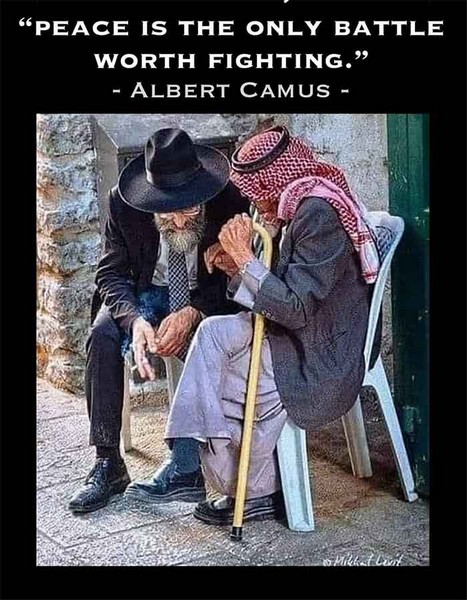
International Day of Peace: Fostering Harmony and Unity in a World of Diversity

By Mohd Ziyaullah Khan

International Peace Day, observed on the 21st of September every year, stands as a reminder of our collective responsibility to strive for a more peaceful world. Established by the United Nations in 1981, this day aims to promote peace and cease-fire among nations and peoples. The aspiration is to encourage dialogue, understanding, and collaboration to achieve a world free of conflicts and violence. The theme for International Peace Day changes annually, highlighting various aspects of peacebuilding. However, the overarching goal remains the same: to raise awareness about peace and encourage actions that promote peace in our communities, nations, and the world.

Theme This Year: 

In 2023, we reach the midpoint of the Sustainable Development Goals (SDGs) implementation. Notably, the International Day of Peace in 2023 aligns with the SDG summit on September 18-19, marking this significant milestone. The SDGs are a collective endeavor to move us closer to societies that embody peace, justice, and inclusivity, devoid of fear and violence. Achieving these goals necessitates active involvement from a broad spectrum of stakeholders, including the 1.2 billion young individuals alive today. Their engagement is pivotal for realising the SDGs.

Interestingly, 2023 also marks the 75th anniversaries of the Universal Declaration of Human Rights and the Convention on the Prevention and Punishment of Genocide. The day calls upon the youth to embrace ambition in their roles as positive and constructive social agents, encouraging their participation in the movement toward achieving the SDGs and contributing to sustainable peace. By uniting, we can guide our world towards a future that is environmentally conscious, fair, just, and secure for all.

The Importance of International Peace Day:

International Peace Day offers a platform to raise awareness about the importance of peace in the world. It helps people understand the devastating effects of conflicts on societies, economies, and individuals. Besides, the day can bring in the following things as well, have a look as under:

  • Conflict Resolution

  • Education for Peace

  • Inspire Action for Peace

  • Unity and Solidarity

Ways to Celebrate International Peace Day:

There can be different ways of celebrating this day, some of these include the following:

  • Organise Peace Workshops and Discussions on issues like conflict resolution, tolerance, and peaceful coexistence by inviting experts and activists.

  • Educational Programs in schools and colleges to educate students about peace, non-violence, and the impact of conflict on communities.

  • Cultural Events: Host cultural events that promote diversity and understanding among different cultures and traditions.

  • Social Media Campaigns: Use the power of social media to spread messages of peace, share success stories of peace initiatives, and engage a broader audience in peacebuilding conversations.

  • Acts of Kindness: Encourage individuals to perform acts of kindness and compassion like  helping a neighbour, sharing a meal, or offering a kind word, etc.

Shun Hate and Revive Peace 

In the diverse tapestry of India, it is imperative to shun hate and embrace the harmonious melody of peace. Unfortunately, the act of hate seems to be accelerating in the recent past in our country. Hate, born of prejudice and ignorance, has the potential to fracture the unity that binds us. We must collectively extinguish the flames of hatred that threaten our social fabric. Instead, let us foster understanding, empathy, and respect for one another’s differences.

Reviving peace in India means acknowledging our shared humanity and celebrating the mosaic of cultures, religions, and traditions that enrich our nation. It entails promoting dialogue, inclusivity, and compassion in our daily interactions. By focusing on commonalities and promoting tolerance, we can build bridges that connect hearts and minds, transcending barriers of division.

Let us unite to cultivate an environment where love triumphs over hate, and where understanding paves the way for a peaceful coexistence. Through this collective effort, we can forge a nation that stands as a beacon of peace, unity, and progress for the world to admire and emulate.

Challenges and the Way Forward:

While International Peace Day brings attention to the crucial need for peace, our world still grapples with conflicts, discrimination, and violence. Achieving lasting peace requires addressing deep-rooted issues such as poverty, inequality, injustice, and intolerance.

Moreover, embracing peace means understanding and appreciating the richness of our diverse world. It calls for respecting different cultures, traditions, and beliefs and fostering a sense of empathy and compassion for one another.

Wrapping up 

 International Peace Day stands as a reminder of our shared responsibility to strive for a more peaceful world. It urges us to take action, promote understanding, and work collectively to create a future where peace is not just a day of observance but an enduring reality for all. Only by fostering peace within ourselves and our communities can we hope to achieve lasting harmony and unity on a global scale.

Mohd Ziyauallah Khan is based in Nagpur and works with a leading digital marketing company in Nagpur as the Content Head.

20 September 2023

Source: countercurrents.org
Three Former French Sahel Colonies Form Military Alliance

By Countercurrents Collective

The military governments of three African states, which all deposed their Western-backed leaders in recent years, have agreed to assist each other, individually or collectively, in case of any external aggression or internal threat to their sovereignty.

Media reports said:

Mali’s interim president, Assimi Goita, said on Saturday night that he signed the so-called Liptako-Gourma Charter with the leaders of Burkina Faso and Niger “with the aim of establishing a collective defense and mutual assistance framework.”

“Any attack on the sovereignty and territorial integrity of one or more contracted parties will be considered an aggression against the other parties,” according to the text of the charter, cited by Reuters.

The charter establishes an Alliance of Sahel States, which comprises three countries which had previously been members of the Paris-supported G5 Sahel pact with Chad and Mauritania, that has fallen apart following a series of military coups.

The Defense Minister of Mali, Abdoulaye Diop, explained that this new “alliance will be a combination of military and economic efforts between the three countries” with a priority on the fight against terrorism, particularly in the Liptako-Gourma region where the borders of the three neighbors meet.

Mali and Burkina Faso previously stated that any attack on Niger would be a “declaration of war” against them as well, after several of Niger’s neighbors from the Economic Community of West African States (ECOWAS) threatened to send troops to restore deposed President Mohamed Bazoum.

Paris was forced to withdraw troops from Mali following tensions with the military government in 2020. Earlier this year, it also pulled out of Burkina Faso after the country’s military rulers ordered them to leave.

Niger’s coup leaders also canceled military agreements that allowed French forces to fight jihadists in the Sahel region, giving the former colonial power only a month to pull out its 1,500 troops. France, however, ignored the ultimatum and demands for its ambassador to leave, as it refused to recognize the authority of the new leadership.

France Planning Aggression Against Niger, Claims Niamey

Another media report said:

France is planning to intervene in Niger, as it continues to deploy troops to several countries in the region, the West African state’s military government has claimed. Relations between Niger and former colonial power France have deteriorated since a coup in July.

“France continues to deploy its forces in several ECOWAS countries as part of preparations for an aggression against Niger, which it is planning in collaboration with this community organization,” Colonel Amadou Abdramane, spokesman for the government in Niamey, said in a statement broadcast on national television on Saturday, as quoted by AFP.

ECOWAS has threatened to intervene in the country to restore its ousted president Mohamed Bazoum to office. Top French officials have also stated several times that Paris would support military action by the bloc.

However, according to Niger’s military-appointed Prime Minister, Ali Lamine Zeine, military action by ECOWAS is not supported by all member states. He also told the media on Monday that the new government in Niamey was hoping to reach an agreement with the bloc in the “coming days.”

Nigerien military leaders have previously denounced the presence of French troops in the country as “illegal” and demanded their prompt withdrawal.

While speaking during the G20 summit in New Delhi, French President Emmanuel Macron said that since his country doesn’t recognize the Nigerien military government, any redeployment of its forces might be done only “at the request of President Bazoum.”

Paris already had to withdraw troops from Burkina Faso earlier this year. France also pulled its forces out of Mali following tensions with the military government after a coup in 2020.

Countercurrents is answerable only to our readers. Support honest journalism because we have no PLANET B.

17 September 2023

Source: countercurrents.org
Climate Change And Learning From The Disaster in Libya

By Bharat Dogra

One of the most important tasks before our troubled world relates to protective steps to reduce the harmful impacts of adverse weather and disasters arising from climate change. As is well understood and adequately documented, climate change leads to much increased possibility of adverse weather events and disasters which can be significantly more threatening than what the world has experienced so far.

In many parts of world governments and communities are taking significant protective steps to reduce the high risks related to this. These noble efforts deserve appreciation and encouragement. Unfortunately the richest countries have lagged far behind in their help for this and if they make up for this, then these steps will progress even more.

However there is an even bigger obstacle for these efforts as well as the efforts for reducing GHG emssions. This relates to wars, war preparations, arms race and and military industrial complex (I would be using the words ‘the war industry’ for all of this). As long as these most destructive factors remain, humanity can never unite to achieve climate change mitigation and adaptation as well as related aims of environmental protection needed to avoid existential threats. Quite apart from the fact that the war industry is itself the worst polluter and destroyer, the war industry is responsible for disrupting badly the protective capacities of various countries one after the other.

The most obvious example of this is the complete failure of all protective and preventive aspects in the recent Libyan floods, resulting in the loss of thousands of human lives which could have been saved if the protective aspects were in a state of readiness, as these should be in times of climate change. The most important reason for this crippling of protective aspects was the creation of a failed state, a divided state, by the very violent regime change brought out by the USA, the UK, France and allies with the help of thousands of bombing raids in 2011.

Similarly protective capacities have been destroyed to a large extent in several other counties including Iraq, Syria, Afghanistan, former Yugoslavia as well as others, to mention only the more obvious manifestations of destruction. At a time when these countries should be preparing much better for protection in times of climate change, their protective capacities have been destroyed in a big way by bombs and the most horrible weapons.

What about Ukraine? Like the countries named above, this country too is highly vulnerable to climate change. Geographically, culturally and historically, the most obvious path ahead for this country is to live in peace and friendship with its bigger neighbor Russia, while also retaining friendship of other countries. Most of the people in both countries know, realize and accept this. But a few very narrow-minded, very powerful persons in a most powerful distant country took a decision for their narrow objectives that Ukraine and Russia will not be allowed to live in peace. This led to proxy war, coup and invasion. In the process several hundred thousand people in Ukraine have died or are seriously injured, and the country’s capacity to take the essential protective steps in times of climate change has been badly disrupted too.

Destruction and protection, destructive and protective tendencies cannot co-exist. A very clear choice should be made in favor of protective forces. This is all the more true in times of climate change.

All the noble people with very good intentions who are struggling on the climate front should realize this. However the reality is that in many big climate conferences not a word has been uttered against how Libya was destroyed, how Iraq was destroyed, how the war industry has become the biggest single obstacle in the path of the essential protective measures being taken in good time.

The floods in Libya have shown that where deaths could have been avoided, actually thousands have died because the most essential dam safety systems, the warning and evacuation systems had been destroyed by the war industry. This should be a wake-up call. This should not happen again.

Clearly there is an urgent need for linking up climate and environmental actions with peace and disarmament actions. The existential crisis has been created as much as by the weapons of mass destruction as by climate change and related environmental problems. Hence there is clearly a strong need for the coming together of the movements of environment protection with justice and peace with justice. If the movements of justice, environment protection and peace are isolated from each other, they cannot become a big force and they cannot also bring any comprehensive change. However together and united they can be a force strong enough to bring comprehensive change.

Bharat Dogra is Honorary Convener, Campaign to Save Earth Now.

16 September 2023

Source: countercurrents.org
Humiliation vs. Self-Respect: The Untold Story of the Abuse of Palestinian Women in Hebron

By Dr Ramzy Baroud

The humiliation of Palestinian women by Israeli soldiers in the occupied city of Al-Khalil (Hebron) on July 10 was not the first such episode. Sadly, it will not be the last.

Indeed, the stripping of five women in front of their children, parading them naked around their family home and then stealing their jewelry by an Israeli military unit, was not a random act. It deserves deep reflection.

Palestinians rightly understood the event – investigated at length by the Israeli rights group B’Tselem, in a report published on September 5 – as an intentional Israeli policy.

Several attacks carried out by Palestinians in Jericho and Jerusalem have already been linked to the call for revenge made by Palestinian groups, including women collectives.

We are expecting the Resistance “not to stand idly by in the face of this heinous (crime),” a spokesperson for a women’s group in Gaza said on September 5.

The B’Tselem investigation was damning. “Dozens of masked soldiers, with dogs” raided the ‘Ajlouni family in southern Hebron, B’Tselem said. They “handcuffed three family members”, including a minor, “separated men from women and children, and began an extensive search of them and their home”.

The humiliating episode was yet to follow, as “masked female soldiers” threatened a mother with a dog and forced her to strip completely naked in front of her children.

The degrading treatment was repeated against four other women, as they were forced to move, naked, from room to room. Other soldiers, meanwhile, were busy stealing the family’s jewelry, according to the report.

Corporate Western media ignored the investigation, although it enthusiastically reported on the retaliatory attacks on Israeli occupation soldiers by Palestinian youth in Jericho and Jerusalem, providing little or no context to what they perceived to be ‘Palestinian terrorism’.

But the Hebron women and the ‘Ajlouni family are the actual victims of terrorism – Israeli terrorism.

Though the Hebron incident is a repeat of numerous violations of Palestinian rights and dignity spanning many years, there is still much we can learn from it.

Humiliating Palestinians is an actual Israeli policy and cannot be attributed to ‘a few bad apples’ in an otherwise “most moral army in the world”.

This assertion can easily be demonstrated by a quick comparison of the behavior of Zionist militias during the Nakba (1947-48) to later episodes, and, eventually, to the recent events in Hebron.

Israeli historian Ilan Pappe’s ‘Ethnic Cleansing of Palestine’ provides illuminating, although difficult-to-read passages on the rape of Palestinian women during those horrific years.

The Israeli newspaper Haaretz reported last year that sensitive references were purposely removed from unclassified Israeli military documents concerning the events that led to the Nakba.

It quoted Aharon Zizling – the country’s first minister of agriculture – as saying that although he “can forgive instances of rape (in the Palestinian city of Ramleh) … I will not forgive other acts.”

Such callousness was entirely consistent with the violent behavior and attitude exhibited by the militias – later to form the Israeli army – and their leaders, including David Ben Gurion, who later became the first prime minister of Israel. In the document, Israel’s founding father called for the “wiping out” of Palestinian villages. This, too, was removed from the documents.

Most Israelis are unaware of this sordid past, simply because the subject is banned in school. The so-called ‘Independence Day Law’ – also known as the Nakba Law of 2009 – “outlaws any mention of the Nakba or reference to the establishment of the State of Israel as a day of mourning”, according to the legal group, Adalah.

Though Israel has succeeded in deceiving its own people regarding their collective past, the historical processes that produced such violence remain in place. This means that Israel continues to reproduce that same violence in different forms, even though every generation is largely unaware of how their behavior is a continuation of the same legacy of previous generations.

It also means that soldiers who humiliated the Palestinian women in Hebron are likely unaware of the mass violence that accompanied the Nakba; they might not even be aware of the term ‘Nakba’ itself.

Their behavior, however, is indicative of the culture of violence in Israel, the rooted racism and this persistent desire to humiliate Palestinians.

This was equally true during the First Intifada, the uprising in 1987-93. Back then, sexual violence went hand in hand with Israeli violence against the Palestinian population.

The sexual abuse of Palestinian women during the Intifada, especially in Israeli prisons, was commonplace. The Israeli military used this tactic to exact confessions or to discourage female activists and their families from pursuing the path of resistance.

All of this falls into the realm of the ‘politics of humiliation‘, a centralized political strategy that is used to establish control and dominance over occupied nations.

The Israelis have excelled in this field. We know this because of the numerous reports by Palestinians themselves, and also because of the testimonies of Israelis. This was amply demonstrated in the reports provided by the Breaking the Silence group – Israeli soldiers who either left or refused to join the Israeli military.

Many of these ‘refuseniks’, who spoke out publicly, have cited the dehumanization and degradation of Palestinians at the hands of Israeli soldiers as one of the reasons why they walked out.

All of this illustrates that such events are neither marginal nor isolated, supposedly carried out by mentally fatigued soldiers who violated army roles. The exact opposite is true.

In fact, the sexual degradation of Palestinian women is just one addition to the protracted and ongoing politics of humiliation in Occupied Palestine.

When Palestinians resist, they do so to reclaim their land, along with their basic freedom and human rights; and also to redeem their collective honor, trampled daily by the Israeli army.

Indeed, resistance in Palestine is not a mere ‘strategy’ to recover a stolen homeland. It is, in the words of Frantz Fanon, “a sense of freedom” from “despair and inaction”, and a collective act of restoration of “self-respect”.

This explains why Palestinians continue to resist, even if their resistance is often derided as ineffectual and futile and why they will continue to resist for many years to come.

Dr. Ramzy Baroud is a journalist, author and the Editor of The Palestine Chronicle.

14 September 2023

Source: countercurrents.org
India’s Hindu children are being radicalised – will the country speak up?

By Apoorvanand

A Muslim friend from a town in the central Indian state of Chhattisgarh recently called, seeking counsel.

His young daughter had told him the previous day that her friends refused to play with her any more – after they were warned by other children to stay away from her because of her religion.

This is an experience most Muslims have gone through while growing up in India. They are familiar with anti-Muslim slurs and cuss words used against them. But something new is happening which is radically different from earlier times.

While the Indian media and politicians have long harped on the supposed dangers of radicalisation among Muslim youth, or of the threat of far-left propaganda, we are now witnessing the turbocharged expression of a reality the country has never confronted: the radicalisation of Hindu youth.

It is an everyday radicalisation of young men and women who appear very normal, until they decide to target Indian Muslims and Christians.

They are part of public, over-ground groups like the Akhil Bhartiya Vidyaarthi Parishad (ABVP), the student wing of the Rashtriya Swayamsevak Sangh (RSS); and the Bajrang Dal, the militant youth wing of the RSS. All of them are affiliates of the ruling Bhartiya Janata Party (BJP), which gives them political clout and a veneer of respectability.

Members of the ABVP and the Bajrang Dal have been involved in numerous cases of physical violence against students and teachers, especially Muslims and Christians. Yet earlier this year, when the Congress party – the principal national opposition – declared that it would consider banning the Bajrang Dal if it came to power in the southern state of Karnataka, no less than Prime Minister Narendra Modi raised slogans in defence of the militant outfit.

Recently, a video surfaced in India and went viral in which a young Hindu girl is seen singing “Desh ke gaddaron ko Goli maro …” (shoot the traitors of the country). She is surrounded by elders who are clapping and encouraging her.

This slogan was made popular by a minister in the Modi government who was targeting Muslim women and men for protesting against the controversial new citizenship law passed in 2020 that discriminates against Muslim asylum seekers. The slogan has since been used in rallies and videos to target Muslims.

This video encapsulates a reality that Hindus do not want to talk about. Another video of a school teacher asking her students to slap their Muslim classmate who had not done his homework made national news. Students came up one by one and hit the Muslim boy, as the teacher commented against his religion.

We don’t know what impact this has had on the student who was struck and on his classmates, exposed to bigotry by their teacher at a young age. But we do know that there is an impact, more broadly, on the atmosphere that dominates today’s India.

The principal of a prestigious school in New Delhi told me that some students raised the slogan “Jai Shri Ram” in their class. This slogan is used by the RSS to proclaim Hindu dominance. Their parents were called and counselled.

Some students from another class went out to a park on Valentine’s Day and tried to bully couples sitting there. The celebration of Valentine’s Day is resented by Hindu supremacist groups. They threaten, harass, and beat up couples celebrating the day. It was disturbing for the teachers of this progressive, liberal school to find their students turning into volunteers of this radical ideology.

Talking to teachers and principals, one realises that the radicalisation of young Hindus, while an ongoing process, has acquired dangerous proportions in recent years, fuelled by hate-mongering TV channels, internet platforms and WhatsApp groups that have been relentlessly spreading anti-Muslim propaganda. Sadly, in many cases, what these children hear at home and in their families reinforces the bigotry they are fed by their television and phone screens.

Worried teachers struggle to deal with this phenomenon. For they too are vulnerable.

A fact-finding report released by a recently formed group in Maharashtra called Women Protest For Peace found multiple instances where external groups were intervening in the state’s educational institutions to incite students “to deliberately target teachers on religious grounds”.

Sadly, none of this is a surprise. In the last decade, it has become common to see adolescents, even children, brandishing swords and other weapons, raising hateful slogans targeting Muslims, and even vandalising mosques and Islamic shrines. Teenagers are seen in rallies organised by the Bajrang Dal.

These young Hindus see that violence against Muslims and Christians is often celebrated or at least tolerated, sometimes approvingly, in their families and society. They observe that people who provoke and lead violence gain social and political respectability and get elected to state legislatures and parliament. They see that far from suffering consequences for hate speech and hate crimes, anti-Muslim and anti-Christian acts help those who carry them out.

A major source of this hatred towards Muslims and Christians is the chain of educational institutions run by organisations affiliated with the RSS. Studies have been done examining the curriculum and activities of these institutions, and they reveal that they inculcate ‘nationalism’ in young minds, which is synonymous with anti-Muslim and anti-Christian hatred.

Children are told that India has been the land of Hindus, which was infiltrated by Muslims and Christians. That Hindus have been the best in all aspects; that it was Muslim rule that degraded them and turned them into slaves; that the only way to reclaim the country’s past glory is by teaching Muslims and Christians a lesson.

Tangible tasks are presented to Hindu youth as what they need to do to defend their faith. They are told that they must save cows from the cruelty of Muslims and Christians, establish Hindu dominance over Muslim neighbourhoods, and ‘save’ girls from ‘love jihad’ – a conspiracy theory that claims Muslim men are out to trap Hindu women in relationships with the aim of converting them to Islam.

Scores of vigilante groups have mushroomed all over India, indulging in violence against Muslims under the pretext of protecting cows and Hindu women.

Unfortunately, the radicalisation of Hindu youth often goes unnoticed as it is approved by their families, whom they see indulging in a range of aggressions against Muslims: It could be something as bizarre as protesting against their Muslim neighbours praying in their own houses.

Once hatred is normalised, violence follows naturally.

Yet while the BJP might benefit politically, the long-term consequences of this project will be borne by India’s Hindus, too. With homes and schools as the cradles of this radicalisation, a generation of Hindu children is being turned into unknowing criminals.

The views expressed in this article are the author’s own and do not necessarily reflect Al Jazeera’s editorial stance.

Apoorvanand teaches Hindi at the University of Delhi. He writes literary and cultural criticism.

Source: aljazeera.com

Book Review: The Water Princess

By Laura El Alam

Many of us take clean, accessible water completely for granted. When we are thirsty, we simply turn on the tap. If our clothes are dirty, we fill the washing machine without a moment’s thought. Some of us heedlessly spray our hoses on thirsty lawns and dusty cars, or even fill swimming pools with thousands of gallons of clean water.

For those of us who grew up in places where water seems abundant, cheap, and clean, it is difficult to imagine that millions of people in the world do not have access to safe water. It is also mind-boggling to consider the scientific data that shows what the future looks like if climate change continues its dangerous path. According to the Pew Charitable Trusts, “by 2025 over half of the world’s population will reside in water-stressed areas. These numbers will increase significantly if climate change and population growth follow or exceed predicted trajectories.1

The Water Princess by Susan Verde is a picture book that will help us and our children see water from a new perspective and appreciate this incomparable gift from Allah. If we currently take water for granted or have trouble imagining a life without it, this book will be an eye-opener.

The story centers on the main character, Gie Gie, who wakes before dawn every single day to fetch water with her mother. The two walk for many miles in the heat with heavy pots balanced on their heads. Finally, they reach the well, but do they fill their buckets with fresh, clean water? No, they collect “dusty-earth-colored liquid,” and as thirsty as they are from their long trek, they cannot drink until they have heaved the pots home and boiled the water to make it safe.

The Water Princess is based on the real-life experience of model and international advocate Georgie Badiel, who grew up in Burkina Faso. As a child, Badiel fetched water with her grandmother, just as Gie Gie does. Now, as an adult, Badiel works to bring clean water to people in Burkina Faso and beyond through the Georgie Badiel Foundation.

The book’s illustrations by Peter H. Reynolds convey the breathtaking vastness of the African sky, the heat and barrenness of the land where Gie Gie lives, and the difficulties of her life in a remote village with no modern amenities. At the same time, thanks to Reynold’s nuanced drawings, we can clearly see the love and affection between Gie Gie and her parents, the brief moment of joy when she gets to play with other children at the well, and the way she and her mother have the courage to sing and dance as they make the arduous daily trip.

At the end of the book, there are two pages dedicated to explaining the global water crisis. Readers learn that nearly one billion people around the world – one out of every six– don’t have access to clean water. In addition, illnesses from contaminated water – plus the time it takes to collect water every day – prevent many children from attending school. Clearly, clean water affects every aspect of life. Children without it not only suffer from thirst and illness but might be trapped in a never-ending cycle of poverty because they do not have time to get an education or learn a trade.

Reading The Water Princess with our children is a wonderful way to discuss how we need to appreciate all of our blessings from Allah, particularly water. It helps us stand in another person’s shoes and see the world from a new perspective. It shows our children simultaneously how Gie Gie is a child just like them – with family and friends and ambitions – but also unlike them in the sense that she must walk several miles each day, merely for a sip of water.

The Water Princess will help our families be more grateful for what we have. After reading about Gie Gie, we can also make duaa for our brothers and sisters who live in dry lands without access to clean water. Perhaps the book will even motivate us to give charity toward building wells in parts of the world that need them.

End Notes

1 A Map of the Future of Water

Laura El Alam is a freelance writer and editor and the author of the book Made From the Same Dough, as well as over 100 published articles.

20 September 2023

Source: soundvision.com

Weather Warfare: “Beware the US Military’s Experiments with Climatic Warfare”

By Michel Chossudovsky

“The term “environmental modification techniques” refers to any technique for changing – through the deliberate manipulation of natural processes – the dynamics, composition or structure of the Earth, including its biota, lithosphere, hydrosphere and atmosphere, or of outer space. (Convention on the Prohibition of Military or Any Other Hostile Use of Environmental Modification Techniques, United Nations, Geneva: 18 May 1977)

“US military scientists … are working on weather systems as a potential weapon. The methods include the enhancing of storms and the diverting of vapor rivers in the Earth’s atmosphere to produce targeted droughts or floods.” (The late Rosalie Bertell)

Directed Energy Weapons (DEW) constitute a buoyant $5.3 Billion dollar business (2022) which is slated to increase to $12.9 Billon dollars by 2027. This profit-driven military-industrial market is dominated by six “Defense Contractors” including Raytheon, Northrup Grunman, BAE Systems (plc), Boeing, Lockheed Martin and L3Harris Technologies.

Raytheon and BAE Systems are also involved in ENMOD technologies on behalf of the U.S. Air Force. (Michel Chossudovsky, December 7, 2007 August 2023)

I  initiated my research on Environmental Modification Techniques (ENMOD) in 2001 focussing on the HAARP System of Antennas, in Gokona, Alaska.

The HAARP facility was fully operational starting in the mid-1990s with advanced capabilities.

While HAARP was closed down in 2014, ENMOD techniques have in the course of the last ten years become increasingly sophisticated as well as precise. Much of the documentation has become classified.

In the United States, Directed Energy Weapons (DEW) are the object of research by several agencies linked to the Pentagon, including DARPA, the Air Force Research Laboratory, the Office of Naval Research among others.

Of relevance to the assessment of recent climatic disasters, this article first published by The Ecologist, (December 7, 2007) provides an overview as well as a history. It also confirms the role of private military contractors in the development of HAARP including BAE Systems Inc and Raytheon.

-Michel Chossudovsky, September 13, 2023


Rarely acknowledged in the debate on global climate change, the world’s weather can now be modified as part of a new generation of sophisticated electromagnetic weapons. Both the US and Russia have developed capabilities to manipulate the climate for military use.

Environmental modification techniques have been applied by the US military for more than half a century. US mathematician John von Neumann, in liaison with the US Department of Defense, started his research on weather modification in the late 1940s at the height of the Cold War and foresaw ‘forms of climatic warfare as yet unimagined’. During the Vietnam war, cloud-seeding techniques were used, starting in 1967 under Project Popeye, the objective of which was to prolong the monsoon season and block enemy supply routes along the Ho Chi Minh Trail.

The US military has developed advanced capabilities that enable it selectively to alter weather patterns. The technology, which is being perfected under the High-frequency Active Auroral Research Program (HAARP), is an appendage of the Strategic Defense Initiative – ‘Star Wars’. [HAARP facility was closed down in 2014. Since then more advanced facilities have been developed]. From a military standpoint, HAARP is a weapon of mass destruction, operating from the outer atmosphere and capable of destabilising agricultural and ecological systems around the world.

Weather-modification, according to the US Air Force document AF 2025 Final Report ‘offers the war fighter a wide range of possible options to defeat or coerce an adversary’, capabilities, it says, extend to the triggering of floods, hurricanes, droughts and earthquakes:

‘Weather modification will become a part of domestic and international security and could be done unilaterally… It could have offensive and defensive applications and even be used for deterrence purposes. The ability to generate precipitation, fog and storms on earth or to modify space weather… and the production of artificial weather all are a part of an integrated set of [military] technologies.’ *(Weather as a Force Multiplier: Owning the Weather in 2025)

In 1977, an international Convention was ratified by the UN General Assembly which banned ‘military or other hostile use of environmental modification techniques having widespread, long-lasting or severe effects.’ It defined ‘environmental modification techniques’ as ‘any technique for changing –through the deliberate manipulation of natural processes – the dynamics, composition or structure of the earth, including its biota, lithosphere, hydrosphere and atmosphere, or of outer space.’

While the substance of the 1977 Convention was reasserted in the UN Framework Convention on Climate Change (UNFCCC) signed at the 1992 Earth Summit in Rio, debate on weather modification for military use has become a scientific taboo.

Military analysts are mute on the subject. Meteorologists are not investigating the matter and environmentalists are focused on greenhouse gas emissions under the Kyoto Protocol. Neither is the possibility of climatic or environmental manipulations as part of a military and intelligence agenda, while tacitly acknowledged, part of the broader debate on climate change under UN auspices.

The HAARP Programme

Established in 1992, HAARP, based in Gokona, Alaska, is an array of high-powered antennas that transmit, through high-frequency radio waves, massive amounts of energy into the ionosphere (the upper layer of the atmosphere). Their construction was funded by the US Air Force, the US Navy and the Defense Advanced Research Projects Agency (DARPA). Operated jointly by the Air Force Research Laboratory and the Office of Naval Research, HAARP constitutes a system of powerful antennas capable of creating ‘controlled local modifications of the ionosphere’. According to its official website, www.haarp.alaska.edu , HAARP will be used ‘to induce a small, localized change in ionospheric temperature so physical reactions can be studied by other instruments located either at or close to the HAARP site’.

But Rosalie Bertell, president of the International Institute of Concern for Public Health, says HAARP operates as:

“a gigantic heater that can cause major disruptions in the ionosphere, creating not just holes, but long incisions in the protective layer that keeps deadly radiation from bombarding the planet”.

Physicist Dr Bernard Eastlund called it ‘the largest ionospheric heater ever built’.

HAARP is presented by the US Air Force as a research programme, but military documents confirm its main objective is to ‘induce ionospheric modifications’ with a view to altering weather patterns and disrupting communications and radar.

According to a report by the Russian State Duma:

‘The US plans to carry out large-scale experiments under the HAARP programme [and] create weapons capable of breaking radio communication lines and equipment installed on spaceships and rockets, provoke serious accidents in electricity networks and in oil and gas pipelines, and have a negative impact on the mental health of entire regions.’

An analysis of statements emanating from the US Air Force points to the unthinkable:

“The covert manipulation of weather patterns, communications and electric power systems as a weapon of global warfare, enabling the US to disrupt and dominate entire regions.”

Weather manipulation is the pre-emptive weapon par excellence. It can be directed against enemy countries or ‘friendly nations’ without their knowledge, used to destabilise economies, ecosystems and agriculture. It can also trigger havoc in financial and commodity markets. The disruption in agriculture creates a greater dependency on food aid and imported grain staples from the US and other Western countries.

HAARP was developed as part of an Anglo-American partnership between Raytheon Corporation, which owns the HAARP patents, the US Air Force and British Aerospace Systems (BAES).

The HAARP project is one among several collaborative ventures in advanced weapons systems between the two defence giants. The HAARP project was initiated in 1992 by Advanced Power Technologies, Inc. (APTI), a subsidiary of Atlantic Richfield Corporation (ARCO). APTI (including the HAARP patents) was sold by ARCO to E-Systems Inc, in 1994. E-Systems, on contract to the CIA and US Department of Defense, outfitted the ‘Doomsday Plan’, which ‘allows the President to manage a nuclear war’. Subsequently acquired by Raytheon Corporation, it is among the largest intelligence contractors in the World. BAES was involved in the development of the advanced stage of the HAARP antenna array under a 2004 contract with the Office of Naval Research.

The installation of 132 high frequency transmitters was entrusted by BAES to its US subsidiary, BAE Systems Inc. The project, according to a July report [2007] in Defense News, was undertaken by BAES’s Electronic Warfare division. In September [2007] it received DARPA’s top award for technical achievement for the design, construction and activation of the HAARP array of antennas.

The HAARP system is fully operational and in many regards dwarfs existing conventional and strategic weapons systems. While there is no firm evidence of its use for military purposes, Air Force documents suggest HAARP is an integral part of the militarisation of space. One would expect the antennas already to have been subjected to routine testing.

Under the UNFCCC, the Intergovernmental Panel on Climate Change (IPCC) has a mandate ‘to assess scientific, technical and socioeconomic information relevant for the understanding of climate change’. This mandate includes environmental warfare. ‘Geo-engineering’ is acknowledged, but the underlying military applications are neither the object of policy analysis or scientific research in the thousands of pages of IPCC reports and supporting documents, based on the expertise and input of some 2,500 scientists, policymakers and environmentalists. ‘Climatic warfare’ potentially threatens the future of humanity, but has casually been excluded from the reports for which the IPCC received the 2007 Nobel Peace Prize.

Click here to view CBC 1996 News documentary: HAARP – US military weather weapon.

[Michel Chossudovsky, The Ecologist, December 7, 2007]

Thanks for reading Michel Chossudovsky! Subscribe for free to receive new posts and support my work.

14 September 2023

Source: substack.com