
By Mohd Ziyauallah Khan
Introduction: When Names Alone Shake Power
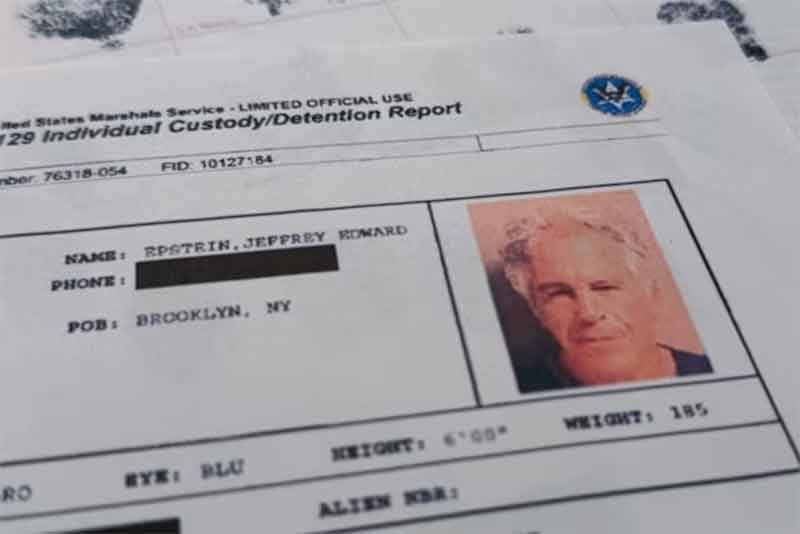
In recent weeks, a new set of documents has gripped global attention for all the right and disturbing reasons. You guessed it right: the Epstein Files. These revelations have reopened uncomfortable questions about power, privilege, and impunity across the world. While the presence of a name in these files does not automatically establish criminal guilt, the sheer panic, resignations, denials, and silences surrounding them raise a far deeper question, what exactly were these powerful individuals afraid of? Here we will try to explore the various aspects of these files and its connection with Indian politicians. Lets start:
Who Was Jeffrey Epstein—and Why Did He Matter?
Jeffrey Epstein was no ordinary billionaire. A highly connected financier, he owned a private island equipped with palatial facilities, allegedly used to host influential politicians, business leaders, celebrities, and royals. Over the years, Epstein was repeatedly accused of exploiting young women, running what many describe as an international trafficking and blackmail network.
In 2008, Epstein served a controversial 13-month sentence despite grave allegations. In 2019, as fresh charges mounted and federal prosecution loomed, he was arrested again only to be found dead in his prison cell before trial. His death was officially ruled a suicide, but doubts about foul play persist to this day.
What made Epstein uniquely dangerous was not just the alleged crimes but the detailed documentation he maintained about his associations with the world’s elite.
Why the Files Matter Even Without Verdicts
Legally speaking, names in documents do not amount to convictions. But politically and morally, they carry enormous weight. Epstein’s meticulously kept records suggest a system where influence, pleasure, and power converged—often crossing legal and ethical boundaries.
The reason many public figures rushed to issue statements, resign, or distance themselves is simple: blackmail thrives in silence, and exposure threatens the carefully curated legitimacy of power.
From Secrecy to Slow Disclosure
For years, former US President Donald Trump repeatedly claimed that Epstein’s files would expose liberals and political rivals. Yet, upon returning to power, the promised disclosures mysteriously stalled. It was only after sustained pressure within the US Congress that a bill was passed in November 2025, mandating the gradual release of these files.
As the documents began entering the public domain, they revealed names not only from the United States but also from the UK, Europe, the Middle East, and India—triggering political earthquakes across continents.
Global Fallout: Resignations, Suspensions, and Silence
In the United Kingdom, the controversy escalated sharply. Peter Mandelson, appointed US Ambassador by Prime Minister Keir Starmer despite known links to Epstein, was suspended after documents alleged financial transactions and sensitive exchanges. The crisis deepened when Morgan McSweeney, Chief of Staff to the UK PM and Mandelson’s recommender, resigned after his name surfaced.
In Norway, scrutiny fell on Crown Princess Mette-Marit, whose name reportedly appears hundreds of times in Epstein-related documents. Senior diplomats Terje Rød-Larsen and Mona Juul also came under investigation after Epstein’s will allegedly earmarked $10 million for them days before his death. Former Norwegian Foreign Minister and current World Economic Forum head Børge Brende was revealed to have had multiple meetings with Epstein, raising serious questions about access to global policy networks.
Across Sweden and France, resignations and investigations followed. Joanna Rubinstein stepped down from her UN role, while French media began probing links involving senior political figures like Jack Lang.
The American Exception: Immunity Without Accountability
Perhaps the most striking contradiction lies in the United States itself. Despite multiple references to Donald Trump in the files including photographs and communication records he continues to wield power with near-total immunity. America’s famed checks and balances appear exhausted.
Others were not as fortunate. Former Harvard President Larry Summers resigned after emails revealed disturbing exchanges with Epstein. Meanwhile, figures such as Bill Gates, Noam Chomsky, Mark Zuckerberg, and Deepak Chopra issued apologies or clarifications often acknowledging contact but denying knowledge of Epstein’s criminal past.
Yet, Epstein had been a convicted sex offender since 2009, making such claims deeply questionable.
The India Connection: Silence as Strategy
India’s response stands out not for outrage, but for complete silence. Names linked to the files include businessman Anil Ambani, Petroleum Minister Hardeep Singh Puri, author Deepak Chopra, and even references to Prime Minister Narendra Modi.
Documents suggest Ambani sought Epstein’s help to establish high-level political connections in the US ahead of Modi’s 2017 visit, including outreach to Jared Kushner and Steve Bannon. Emails indicate sustained communication, coordination, and favours—raising troubling questions about informal diplomacy and backdoor lobbying.
More disturbing are references to Epstein advising on Modi’s Israel visit—claims denied by the Indian government as the “ramblings of a convicted criminal.”
Hardeep Puri, Mahua Moitra, and the Political Storm
TMC MP Mahua Moitra brought fresh momentum to the issue by publicly sharing emails allegedly involving Minister Hardeep Singh Puri during his tenure as India’s Ambassador to the US. The dispute escalated when Moitra accused Puri of threats and intimidation—triggering a coordinated online attack against her.
Even BJP veteran Dr. Subramanian Swamy entered the fray, accusing Puri of acting as a conduit for powerful interests. Despite the seriousness of these allegations, the government has chosen inaction over inquiry.
Double Standards and Democratic Decay
The contrast is glaring. Minor dissenters face ED raids, arrests, and vilification, while ministers named in global scandals face no investigation. In Europe, resignations follow revelations. In India, silence prevails.
Opposition leaders argue that files referencing India were quietly redacted after the recent India–US trade deal—raising fears of international pressure and compromised sovereignty.
Conclusion: Power Without Shame
The Epstein Files expose a grim reality: a world where power protects itself, where morality bends before influence, and where accountability is selectively enforced. While courts may yet deliver verdicts, public trust has already been damaged.
In India, the issue may fade from headlines in days but the questions will linger. Who benefits from silence? Who fears transparency? And how much of our democracy is already compromised behind closed doors?
One thing is clear: the Epstein Files are not just about one man—they are about a system that enabled him.
Mohd Ziyauallah Khan is a freelance content writer & editor based in Nagpur.
12 February 2026
Source: countercurrents.org