
By Ashraf Zainabi
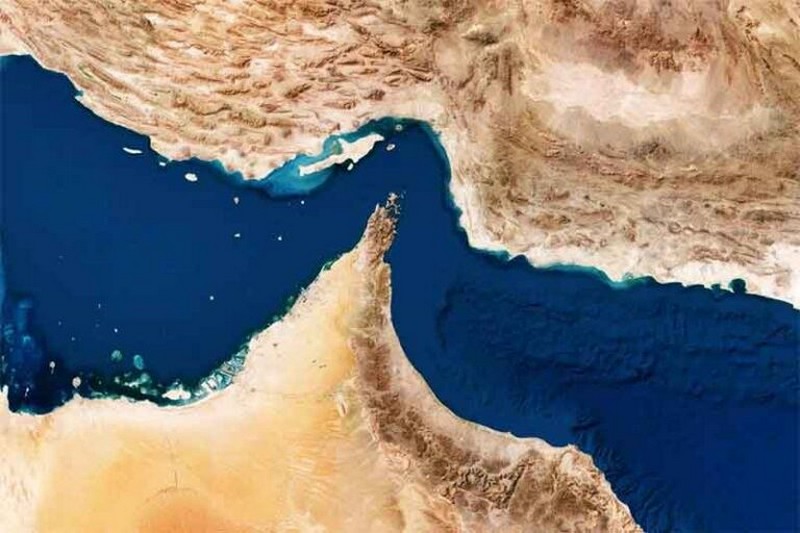
From open hormuz for oil to I am blocking Hormuz for no oil, a brutal power at play
When a leader says, “keep the strait of hormuz open,” it sounds like a call for global stability. When the same voice shifts to “I am blocking Hormuz,” it stops sounding like policy and starts sounding like power speaking without restraint.
This is where the politics of Donald Trump becomes impossible to ignore. His style does not move gradually; it swings. It does not persuade; it pressures. It does not always explain; it declares.
To many, this looks like instability. Statements come fast, positions shift, and the line between warning and action often feels blurred. In global politics, such behavior carries weight. Markets react, allies hesitate, and adversaries calculate risks differently. Uncertainty becomes the first consequence.
There is a pattern beneath the noise. It is the belief that power does not just enforce rules; it creates them. When the United States demands open sea lanes, it speaks the language of global order. When it hints at controlling those same lanes, it speaks the language of dominance. The contradiction is not accidental. It is structural. Trump did not create this contradiction. He exposed it.
Where earlier leaders used careful diplomacy, he uses blunt assertion. Where others softened their intent with layered language, he often states it directly. This makes his politics feel raw, even unsettling, because it removes the comfort of ambiguity. What was once implied is now said aloud.
For supporters, this is clarity. They see a leader who does not hide behind words, who acts decisively, and who prioritizes national interest without apology. For critics, it is dangerous. They see a leadership style that replaces stability with unpredictability and risks turning pressure into provocation. Both views hold a part of the truth.
Trump’s approach is not random. It is high-risk, high-impact politics. It relies on surprise, pressure, and the constant shifting of ground beneath opponents. Sometimes, this forces quick concessions. At other times, it pushes situations closer to the edge.
In regions already tense, especially involving Iran, such a style does not just influence events, it accelerates them. The margin for miscalculation becomes smaller. The cost of error becomes larger.
What makes this deeply concerning is not a single statement or decision. It is the normalization of contradiction. If one power can say “open” today and “blocked” tomorrow, then consistency itself loses meaning. Rules begin to depend not on principle, but on position. And once that happens, others will follow.
This is how global order quietly erodes, not through one dramatic collapse, but through repeated exceptions. Each contradiction becomes easier to justify. Each shift becomes easier to accept. Over time, the line between strategy and impulse fades. So the question is not whether this style is shocking. It clearly is. The real question is whether the world can remain stable under a leadership approach that thrives on unpredictability.
Because when the message changes from keep it open to I am blocking Hormuz, it is no longer just a statement. It is a signal, that power is no longer interested in appearing consistent, only in remaining dominant. And that is where unease begins.
Dr. Ashraf Zainabi is a teacher and researcher based in Gowhar Pora Chadoora J&K
14 April 2026
Source: countercurrents.org