By Concerned Academics
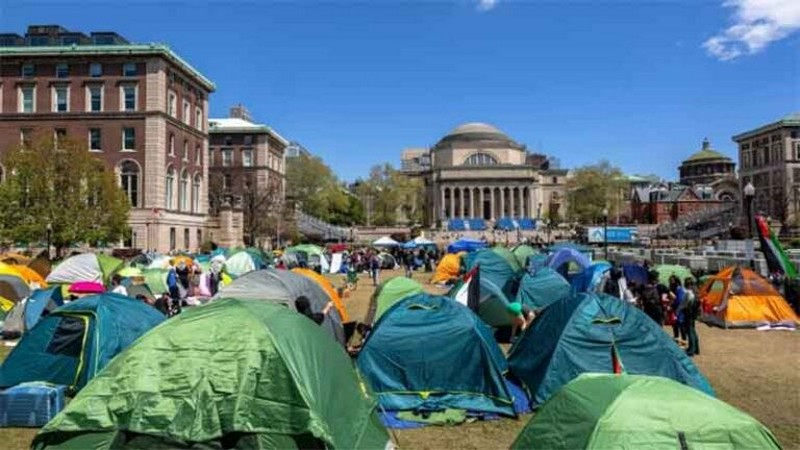
We, the undersigned, stand in solidarity with members of the Columbia University community demanding that the University divest from Israel’s US-backed genocide in Gaza and the West Bank. We write to announce our initiation of an academic and cultural boycott of Columbia University and Barnard College.
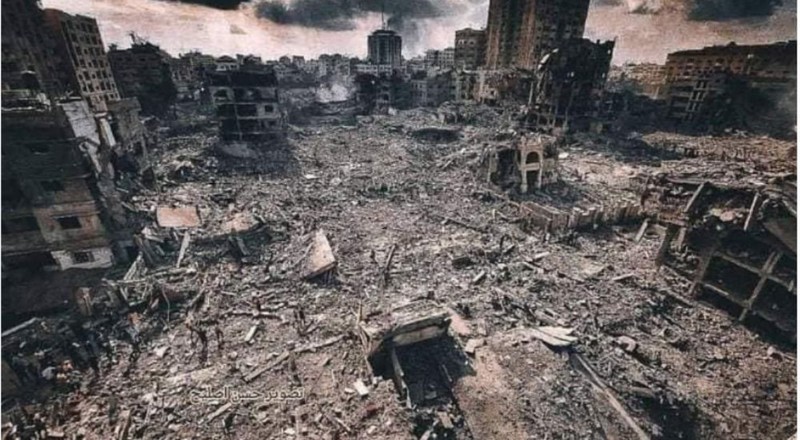
Israel has undertaken a systematic campaign to destroy the Palestinian education system. Thousands of students, teachers and professors have been martyred, and 80% of educational facilities in Gaza have been partially or wholly destroyed, including every university, the Gaza Municipal Archive and hundreds of libraries, bookstores, and publishing houses.
We are appalled by the Columbia administration’s decision to call the NYPD’s Strategic Response Group onto campus, in full riot gear, to arrest over one hundred peacefully protesting students. At the time of the arrest, NYPD representatives stated that “students were peaceful, offered no resistance whatsoever” and that the assessment of “danger” was the University’s alone. We are appalled by the decision to summarily suspend these students at both Barnard and Columbia, and further, to evict Barnard students from their student housing. We reject the false language of “safety” President Shafik has invoked to justify these actions. Likewise, we reject as ludicrous the idea that the Columbia administration was forced to call in the NYPD because of the need to “protect students from rhetoric that amounts to harassment and discrimination.” Indeed, it is the University’s own decision to arrest, intimidate, criminalize, and punish students that has endangered their safety. If a university would rather arrest its own students than listen to their demands— if it would rather imitate the military tactics of a state that has destroyed every university in Gaza, burying students and colleagues under the rubble, than divest from it —then is it still a university? We see the administration’s actions for what they are: an embarrassing attempt to appease donors, trustees, and members of Congress by cracking down on students peacefully protesting the University’s complicity in genocide.
To this end, we are initiating a boycott of Columbia University and Barnard College until the following demands are met:
1. Barnard College, Teacher’s College, and Columbia University must reverse and expunge all suspensions and charges from protesting students’ records, and immediately restore these students’ campus privileges. This includes reversing the suspension of the student groups Columbia Students for Justice in Palestine and Columbia Jewish Voices for Peace.
2. University administration must remove police presence from campus and end the targeted repression of students involved in anti-genocide protesting, both on and off campus.
3. Presidents Minouche Shafik (Columbia) and Laura Rosenbury (Barnard) must resign.
We call on academics of conscience worldwide to join us.
Until these demands are met, our boycott comprises the following actions, and will affect all non-clerical members of University administration, as well as tenure and tenure-track faculty.
1. We will not participate in academic or other cultural events held at or officially sponsored by Columbia University or Barnard College.
This includes, but is not limited to, workshops, conferences, talks, screenings, and invited lectures.
2. We will not collaborate with Columbia or Barnard faculty who hold positions within the university administration in addition to their academic appointments.
This includes but is not limited to: invitations to academic events at our universities; collaboration on any new grants and workshops; co-authorship of papers.
3. Some signatories may further engage in common sense boycotts of faculty independently of their administrative role based on faculty members’ particular complicity with Columbia and Barnard’s repression. Likewise, some signatories may engage in common sense boycotts of publications affiliated with Columbia University.
We endorse and reiterate the demands of the Gaza Solidarity Encampment: divest all of Columbia’s finances, including the endowment, from companies and institutions that profit from Israeli apartheid, genocide and occupation in Palestine; and ensure accountability by increasing transparency around financial investments.
We stand in full solidarity with the brave students, clerical staff, graduate workers, post-doctoral workers, and faculty at Columbia, Barnard, and Teacher’s College resisting genocide, from Gaza, from Palestine, to Morningside Heights.
To sign please visit this link.
Signatories
Marc Lamont Hill, Presidential Professor of Anthropology and Urban Education, CUNY Graduate Center
Wendy Brown, UPS Professor of Social Science, Institute for Advanced Study
Robin D. G. Kelley, Professor of History, UCLA
Walter Johnson, Winthrop Professor of History, Harvard University
Joshua Clover, Professor, University of California Davis
Judith Butler, Distinguished Professor, University of California, Berkeley
Raymond Geuss FBA, Professor (Emeritus), University of Cambridge (UK)
Ruha Benjamin, Alexander Stewart 1886 Professor of African American Studies, Princeton University
Nancy Fraser, Henry A. and Louise Loeb Professor of Philosophy and Politics, New School for Social Research
Adam Miyashiro, Professor of Literature, Stockton University
David Shorter, Professor, UCLA
Mark Lance, Professor, Georgetown University
Melanie Brewster, Professor, Teachers College, Columbia University
Geoffrey G. O’Brien, Professor of English, UC Berkeley
Rebecca Comay, Professor, University of Toronto
Kevin M. Kruse, Professor of History, Princeton University
Audrey Truschke, Professor, Rutgers University
Lisa Hajjar, Professor, UCSB
Jane Ward, Professor, University of California Santa Barbara
Rohit Chopra, Professor, Department of Communication, Santa Clara University
Premilla Nadasen, Ann Whitney Olin Professor of History, Barnard College
Lara Deeb, Professor, Scripps College
Mita Banerjee, Professor of Psychology, Pitzer College
Anthony Alessandrini, Professor of English & Middle Eastern Studies, Kingsborough Community College & CUNY Graduate Center
Raja Halwani, Professor, School of the Art Institute of Chicago.
Sean Malloy, Professor, University of California, Merced
Zahi Zalloua, Cushing Eells Professor of Philosophy and Literature, Whitman College
Muhammad Ali Khalidi, Presidential Professor of Philosophy, Graduate Center, City University of New York
Johnny E. Williams, Professor of Sociology, Trinity College.
Deborah McDowell, Alice Griffin Professor of English, University of Virginia
Laleh Khalili, Al Qasimi Professor of Gulf Studies, University of Exeter
Miriyam Aouragh, Professor of Digital Anthropology, University of Westminster
David Stovall, Professor, University of Illinois at Chicago
Jonathan Beller, Professor Humanities and Media Studies, Pratt Institute
Deb Cowen, Professor, University of Toronto
Todd Shepard, Arthur O. Lovejoy Professor, Johns Hopkins University
Marisel Moreno, Professor, University of Notre Dame
Zachary Lockman, Professor, New York University
Christina Sharpe, Professor, Canada Research Chair, York University
Iain Chambers, Professor, Università di Napoli, Orientale
Marilyn Booth, Emerita Professor, University of Oxford
Khaled Fahmy, Professor, Tufts University
Maha Shuayb, Professor, British Academy Chair of Education, Universe of Cambridge
Jan Nespor, Professor, The Ohio State University
Rinaldo Walcott, Professor, University at Buffalo
Chandra T Mohanty, Distinguished Professor, Syracuse University
David G. Embrick, Professor of Sociology and Africana Studies and Director, University of Connecticut
Jessica Halliday Hardie, Professor of Sociology, Hunter College, CUNY
Melissa Weiner, Professor of Sociology & Critical Race and Ethnic Studies, College of the Holy Cross
Grace Kyungwon Hong, Professor, UCLA
Jodi Melamed, Professor, Marquette University
Alex Lubin, Professor of African American Studies and History, Penn State University, Penn State University
Alisa Lebow, Professor of Screen Media, University of Sussex
Ruba Salih, Professor, University of Bologna
Roderick A. Ferguson, William Robertson Coe Professor of WGSS and American Studies, Yale University
Kirsten Weld, Professor of History, Harvard University
Ranjani Mazumdar, Professor, Cinema Studies, Jawaharlal Nehru University
Ravi Sundaram, Professor, CSDS, Delhi
Bobby Banerjee, Professor of Sustainability, Bayes Business School
Francesco Battaglia, PhD, Radboud Universiteit Nijmegen
Karen Daniels, Professor of Physics, NC State University
Molly Talcott, Professor of Sociology, California State University, Los Angeles
Rupal Oza, Professor, Hunter college and The Graduate Center, CUNY
Dylan Rodríguez, Professor, University of California
Helen Pritchard, Professor, Basel Academy of Art and Design, University of Applied Arts and Sciences Northwestern Switzerland
Geeta Patel, Professor and alum of Columbia University, University of Virginia
Erica Edwards, Professor, Yale University
Gorka Roman, Professor, University of the Basque Country
Adi M. Ophir, Visiting Professor, Brown University. Tel Aviv University, Emeritus,
Lisa Wedeen, Mary R. Morton Distinguished Service Professor of Political Science, The University of Chicago
Geeta Patel, Professor and Columbia alum, University of Virginia
Suzanne Conklin Akbari, Professor (and Columbia GSAS alumna, 1995), Institute for Advanced Study (Princeton, NJ)
Adam Sabra, Professor of History, UCSB
Judith Rodenbeck, Professor, University of California, Riverside
Joel Andreas, Professor of Sociology, Johns Hopkins University
Afshin Matin-Asgari, Professor of History, Cal State University Los Angeles
Matthew Ellis, Professor of History, Sarah Lawrence College
Bishnupriya Ghosh, Professor of English and Global Studies, UC Santa Barbara
Ana Ramos-Zayas, Professor, Yale University
Yasmeen Hanoosh, Professor of Arabic, Portland State University
Robert Nichols, Professor of History of Consciousness, University of California, Santa Cruz
Dana Seitler, Professor, University of Toronto
Joseph Levine, Professor of Philosophy, Umass Amherst
Judith E. Tucker, Professor Emerita, Georgetown University
M Acuff, Professor of Art, Whitman College
Kimberly Drake, Professor of Writing, Scripps College
Dan Berger, Professor of Comparative Ethnic Studies, University of Washington Bothell
Eugenia Zuroski (CC 1998), Professor of English and Cultural Studies, McMaster University
Ananya Roy, Professor, UCLA
Mark Driscoll, Professor of East Asian Studies, University of North Carolina, Chapel Hill
Gaurav Majumdar, Professor of English, Whitman College
Mohammad Fadel, Professor, University of Toronto Faculty of Law
B Ruby Rich, Professor Emerita, U of California, Santa Cruz
Gustavus Stadler, William R. Kenan Professor of English, Haverford College
Matthew J Brown, Boydston Chair of American Philosophy & Director of the Center for Dewey Studies, Southern Illinois University
Betina Hsieh, Professor of Teacher Education, University of Washington
Lisa Lowe, Professor of American Studies, Yale University
Vijay Iyer, Professor, Music & African and African American Studies, Harvard
Alejandra Marchevsky, Professor, Cal State LA
Rachana Kamtekar, Profesor, Cornell University
Julie White, Professor, Ohio University
Farha Ghannam, Professor of Anthropology, Swarthmore College
John L. Esposito, Distinguished University Professor, Georgetown University
Stuart Chen-Hayes, Professor, CUNY Lehman College
Louigi Addario-Berry, Professor, McGill University
Aamir Mufti, O’Connor Professor, Johns Hopkins University
Penny Green, Professor, Queen Mary University of London
Stuart A. Newman, Professor of Cell Biology and Anatomy, Alumnus of Columbia College
Amia Srinivasan, Chichele Professor of Social and Political Theory, University of Oxford
James Millward, Professor of Intersocietal History, Georgetown University School of Foreign Service
Suzanne Stetkevych, Professor, Georgetown University
Michelle Hartman, Professor, McGill University
Cecilia Méndez, Professor of History, University of California, Santa Barbara
David Palumbo-Liu, Louise Hewlett Nixon Professor, Stanford University
Jordy Rosenberg, Professor, Department of English, University of Massachusetts Amherst
Christina Dunbar-Hester, Professor, Annenberg School, University of Southern California, University of Southern California
Thy Phu, Professor, University of Toronto
Juliane Hammer, Professor of Religious Studies, UNC Chapel Hill
Moon-Ho Jung, Professor of History, University of Washington
Gail Lewis, Professor of WGSS, Yale University
Susan Slyomovics, Distinguished Professor of Anthropology and Near Eastern Languages & Cultures, UCLA
Neve Gordon, Professor of Human Rights Law, Queen Mary University London
Jane Lehr, Professor of Ethnic Studies and Women’s, Gender & Queer Studies, Cal Poly
Sara Jane Bailes, Professor, Critical and Creative Practice, University of Sussex
Niloofar Haeri, Professor of Anthropology, Johns Hopkins University
M. Murphy, Professor, University of Toronto
Jeffrey Melnick, Professor of American Studies, UMass Boston
Sarah Brouillette, Professor of English, Carleton University
Merve Gul Emre, Professor of Creative Writing and Criticism, Wesleyan University
Andrew Hoberek, Professor of English, University of Missouri
Olaf Corry, Professor of Global Security Challenges, University of Leeds
Andrew J. Douglas, Professor of Political Science, Morehouse College
Ashon Crawley, Professor, Religious Studies & African American Studies, University of Virginia
Quito Swan, Professor of Africana Studies, The George Washington University
Nandita Sharma, Professor of Sociology, University of Hawaii at Manoa
David Ambaras, Professor of History, North Carolina State University
Scott Ritchie, Professor of Language and Literacy Education, Kennesaw State University
Lisa Duggan, Professor of Social & Cultural Analysis, New York University
Susan Morrissey, Professor of History, University of California, Irvine
John David Rhodes, Professor, University of Cambridge
Kevin Bruyneel, Professor of Politics, Babson College
Laura Tanenbaum, Professor of English, LaGuardia Community College, CUNY
Çiğdem Çıdam, Professor of Political Science, Union College
Erika Briesacher, Professor of History, Worcester State University
Anna McCarthy, Professor of Cinema Studies, NYU
Jasbir Puar, Professor, Women’s, Gender, and Sexuality Studies, Rutgers University
Ian Barnard, Professor of Rhetoric and Composition, Chapman University
Jean O’Brien, Regents Professor, University of Minnesota
Kiese Laymon, Professor of English and Creative Writing at Rice University, Rice University
Elisabeth Weber, Professor of German and Comparative Literature, UCSB
Joy James, Professor, Williams College
Anjali Arondekar, Professor, Feminist Studies, University of California, Santa Cruz
Walid Afifi, Professor, Dept of Communication, UC-Santa Barbara
Nandini Sikand, Professor, Lafayette College
Nabil Al-Tikriti, Professor of Middle East History, University of Mary Washington
Joseph Dumit, Professor of Science & Technology Studies, University of California Davis
Shruti Kapila, Professor, University of Cambridge
Faisal Devji, Professor of History, University of Oxford
Seeta Chaganti, Professor of English, University of California, Davis
Jason Read, Chair, Department of Philosophy, University of Southern Maine
Tamara Afifi, Professor at UCSB, UCSB
Ekaterina Sedia, Professor of Biology, Stockton University
Kenneth Pomeranz, University Professor, University of Chicago
Julie Rak, HM Tory Chair, University of Alberta
Iyko Day, Professor of English, Mount Holyoke College
Stuart McLean, Professor, Anthropology & Global Studies, University of Minnesota, Twin Cities
Naveeda Khan, Professor of Anthropology, Johns Hopkins University
Bernardo Oliveira, Full Professor, Universidade Federal de Minas Gerais
Sherryl Kleinman, Professor Emerita of Sociology, University of North Carolina, Chapel Hill
Ajay Singh Chaudhary, Executive Director, Brooklyn Institute for Social Research
Priyamvada Gopal, Professor of Postcolonial Studies, University of Cambridge
Cori Hayden, Professor of Anthropology, UC Berkeley
Shampa Biswas, Professor, Whitman College
Kristen Gillespie-Lynch, Professor of Psychology; College of Staten Island & The Graduate Center; CUNY.
Reg Johanson, Professor of Literature, Capilano University
Mohammed Abed, PhD, California State University, Los Angeles
Robert Newman, Professor, University of North Dakota
Cynthia Franklin, Professor of English, University of Hawai’i
Kristina Richardson, Professor of Middle Eastern Studies, University of Virginia
Ezekiel Dixon-Román, Professor of Critical Race, Media, & Educational Studies and Director of the Edmund W. Gordon Institute for Advanced Study, Teachers College, Columbia University
Zoltán Grossman, Faculty in Geography and Indigenous Studies, The Evergreen State College
Evelyn Alsultany, Professor of American Studies and Ethnicity, University of Southern California
Jeff Melnick, Professor of American Studies, UMass Boston
Omar S. Es-Said, Professor, Loyola Marymount University
Michael Schwalbe, Professor Emeritus, North Carolina State University
Frances Hasso, Professor of Gender, Sexuality and Feminist Studies, History, Sociology, Duke University
Lisa Natividad, Professor of Social Work, University of Guam
Nishant Shahani, Professor of English and WGSS, Washington State University
Noah Zatz, Professor of Law & Labor Studies, UCLA
Kendra Strauss, Director, The Labour Studies Program, Simon Fraser University
Jihane Sfeir, Professor of modern Arab history, Université libre de Bruxelles
Juliana Spahr, Professor, Mills College
Laurie Brand, Professor Emerita of Political Science & International Relations and Middle East Studies, University of Southern California
Raymond Brassier, PhD, American University of Beirut
Julie Carlson, Professor of English, UC Santa Barbara
Hassan Melehy, Professor, University of North Carolina at Chapel Hill
Gargi Bhattacharyya, Professor, University of the Arts, London
Felicity Callard, Professor of Human Geography, University of Glasgow
Kiran Grewal, Professor of Human Rights, Goldsmiths, University of London
Andrew Arsan, Professor, University of Cambridge
Stephen Sheehi, Sultan Qaboos Professor of Middle East Studies, William & Mary
Jocelyn Wills, Professor Emerita, Brooklyn College, CUNY
Alf Nilsen, Director, Centre for Asian Studies in Africa, University of Pretoria
Hanna Kienzler, Professor of Global Health, King’s College London
Joel Quirk, Professor, University of the Witwatersrand
Bill Flack, Professor, Bucknell University
Robyn Marasco, Professor, Hunter College, CUNY
Elaine Miller, Professor of Philosophy, Miami University
Leah Cohen, Professor, College of the Holy Cross
Julia Elyachar, Professor, Princeton University
Tami Gold, Tami Gold, Hunter College
Rosa Elena Carrasquillo, Professor, College of the Holy Cross
Ann Pellegrini, Professor of Performance Studies & Social and Cultural Analysis, NYU
Sabine Broeck, Professor, University of Bremen, Germany
Kimberly Katz, Professor of History, Towson University
Ajantha Subramanian, Professor of Anthropology, CUNY
Miriam Ticktin, Professor of Anthropology, CUNY Graduate Center, CUNY Graduate Center
Gautam Menon, Professor of Physics and Biology, Ashoka University, INDIA
Maria E Mudrovcic, Professor of Latin American Studies, Michigan State University
Christine Pae, Professor of Religion and Women’s and Gender Studies, Denison University
Jo Drugan, Professor of Translation, Heriot-Watt University, Scotland
Deborah Mutnick, Professor of English, Long Island University
Linda Martín Alcoff, Professor of Philosophy, CUNY
David R Applebaum, Professor Emeritus of History, Rowan University
Elizabeth Roberts, Professor, University of Michigan
Naomi Braine, Professor of Sociology, Brooklyn College and Graduate Center, CUNY
Josh Dubnau, Professor, Stony Brook university
Nadine Naber, Professor, University of Illinois Chicago
Margarita Saona, Professor, University of Illinois Chicago
Adom Getachew, Professor of Political Science, University of Chicago
Cedric Johnson, Professor of Political Science and Black Studies, University of Illinois at Chicago
Bhaskar Sarkar, Professor, Film and Media Studies, UC Santa Barbara
Ann Lucas, Professor, Boston College
Yael Navaro, Professor, University of Cambridge
Inney Prakash, Professor of Media Studies & Management, The New School
Yasser Munif, Professor, Emerson College
Eli Friedman, Professor of Global Labor and Work, Cornell University
Iman Mersal, Professor of Arabic Language and Literature, University of Alberta
Hatem Bazian, Continuing Lecturer, Middle Eastern Languages and Cultures, UC Berkeley
Martin Blatr, Emeritus Professor of History, Northeastern University
Norma Rantisi, Professor, Concordia University
Bill V. Mullen, Professor Emeritus of American Studies, Purdue University
Jodi Dean, Professor of Politics, Hobart and William Smith Colleges
Erik Davis, Professor and Chair, Religious Studies, Macalester College
A. Kiarina Kordela, Professor of German and Critical Theory, Macalester College
Sarah Bracke, Professor of Sociology of Gender and Sexuality, University of Amsterdam
Sara Goldrick-Rab, Carnegie Fellow, Former UW-Madison, Temple University
Jodi Kim, Professor of English and Creative Writing, Dartmouth College
Dina Al-Kassim, Professor, University of British Columbia
Steve Joordens, Professor of Psychology, University of Toronto
Stellan Vinthagen, Endowed Chair, Professor and Director of Resistance Studies, University of Massachusetts, Amherst
David Farrier, Professor, University of Edinburgh
Jared Ball, Professor of Communication and Black Studies, Morgan State University
M. V. Ramana, Professor at the School of Public Policy and Global Affairs, University of British Columbia, Vancouver, Canada
Barbara Ransby, Historian, Writer, Activist, University of Illinois at Chicago
Monique A Guishard, Professor of Psychology, CUNY Bronx Community College
Kavita Philip, Professor Emerita, History, University of California Irvine, UC Irvine
Andrew Arsan, Professor of Arab and Global History, University of Cambridge
Hugh Gusterson, Professor of Anthropology and Public Policy, University of British Columbia
María Hantzopoulos, Professor of Education, Vassar College
Sally Haslanger, Professor of Philosophy, WGS, D-Lab, MIT
Django Paris, Professor, University of Washington
Melissa Harl Sellew, Professor Emerita of Classical and Near Eastern Religions and Cultures, University of Minnesota
Geoff Mann, Distinguished Professor, Simon Fraser University
Hagwil Hayetsk (Charles Menzies, PhD), Professor, University of British Columbia
Ken Hirschkop, Professor, University of Waterloo
Therese Quinn, Professor of Museum and Exhibition Studies, University of Illinois Chicago
Esther Allen, Professor, City University of New York
Michael Edwards, Honorary Professor, UCL Bartlett School
Nayanika Mookherjee, Professor of Political Anthropology; Co-Director, Institute of Advanced Study, Durham University, UK
Sarah Bracke, Professor of Sociology of Gender and Sexuality, University of Amsterdam
Kate Meagher, Professor, London School of Economics
Lisa Rofel, Professor Emerita, University of California, Santa Cruz
Eugene Lim, Professor of Theoretical Physics, King’s College London
Namwali Serpell, Professor of English, Harvard University
Gary Wilder, Professor, CUNY Graduate Center
Olga Demetriou, Professor in Political Anthropology, Durham University
Shaireen Rasheed, Professor, LIU Post
Emil’ Keme, Professor of English, Emory University
Diane Fujino, Professor, UC Santa Barbara
Molly Anderson, Wm R. Kenan Jr Professor of Food Studies, Middlebury College
Dana Wiggins, Professor of History, Georgia State University, Perimeter College
David Klein, Professor Emeritus of Mathematics, California State University Northridge
Nicholas Toloudis, Professor of Political Science, The College of New Jersey
Kathryn Clancy, Professor of Anthropology, University of Illinois Urbana-Champaign
Catherine Nicholson, Professor of English, Yale University
Susana Draper, Professor, Princeton University
Karen Tongson, Professor of Gender & Sexuality Studies, English and American Studies & Ethnicity; Director, Consortium for Gender, Sexuality, Race and Public Culture, University of Southern California
Judith Norman, Murchison Distinguished Professor of Philosophy, Trinity University
Leslie Robertson, Professor of Anthropology, The University of British Columbia
Emma Mawdsley, Professor of Geography, University of Cambridge
M’hamed Oualdi, Professor of History, Sciences Po-Paris, Sciences Po-Paris
Scott McCracken, Professor of Twentieth-Century Literature, Queen Mary University of London
Nick Thoburn, Professor, University of Manchester
Muhannad Ayyash, Professor of Sociology, Mount Royal University
Ned Markosian, Professor of Philosophy, University of Massachusetts Amherst
Jonathan Hsy, Professor of English, George Washington University
William Hart, Professor of Religious Studies, Macalester College
Nayanika Mathur, Professor of Anthropology and South Asian Studies, University of Oxford
Miriam Ticktin, Professor, CUNY Graduate Center
Christa Salamandra, Professor of Anthropology, City University of New York
Dia Da Costa, Professor of Social Justice and International Studies in Education, University of Alberta
Khaldoun Samman, Professor of Sociology, Macalester College
Carol Wise, Professor, USC and Columbia GSAS ‘91
Moon-Kie Jung, Professor, University of Massachusetts, Amherst
Mary-Lee Mulholland, Professor of Anthropology, Mount Royal University
Rula Jurdi, Professor, Mcgill University
Sabina Magliocco, Professor of Anthropology, University of British Columbia
Lynette Shultz, Professor, University of Alberta
Kimberly A. Williams, Professor of Women’s and Gender Studies, Mount Royal University
Blake Stimson, Professor of Art History, University of Illinois, Chicago
Hal Foster, Professor of Art History, Princeton University
Samah Selim, Professor of African, Middle Eastern and South Asian Languages and Literature, Rutgers University
Dana Luciano, Professor of English, Rutgers University
Kara Viesca, Professor, University of Nebraska-Lincoln
Chris Tilly, Professor of Urban Planning, UCLA
Chandra T Mohanty, Distinguished Professor, Syracuse University
Maria del Rosario Acosta Lopez, Professor, University of California, Riverside
Laura Lomas, Professor, English and American Studies, Rutgers University-Newark, Rutgers University-Newark
Linda M. G. Zerilli, Charles E. Merriam Professor of Political Science, University of Chicago
Deepa Kumar, Professor, Media Studies, Rutgers University
Prasenjit Duara, Professor, Duke University
Randall Kuhn, Professor of Community Health Sciences, Fielding School of Public Health, UCLA
Kristy Henscheid, Professor of Biology, Columbia Basin College
Elizabeth Haase, Professor of Psychiatry UNR, University of Nevada
Leonard Sklar, Professor Emeritus of Environmental Geoscience, Concordia University, Montreal, Quebec, Canada
Jayant Murthy, Senior Professor (Retd.), Indian Institute of Astrophysics
Julie Cupples, Professor of Human Geography and Cultural Studies, University of Edinburgh
Jacqueline Shea Murphy, Professor of Dance Studies, UC Riverside, and Barnard Alum, UC Riverside
Ellen Judd, Distinguished Professor Emerita, University of Manitoba
Alana Lentin, Professor of Cultural and Social Analysis, Western Sydney University
Yasmin Gunaratnam, Professor, King’s College (London)
Meghan O’Rourke, Professor in the Practice, Yale University
Rupa Marya, Professor of Medicine, University of California, San Francisco
Karlyn Koh, Professor of English, CUNY
John D. French, Professor of History, Duke University
Nicolas Guilhot, Professor of Intellectual History, European University Institute
Martha Biondi, Professor of Black Studies and History, Northwestern
Jennifer Henderson, Professor, Carleton University
Daniel Segal, Jean M Pitzer Professor Emeritus of Anthropology and History, Pitzer College
David Mitchell, Professor, George Washington. University
Eli Zaretsky, Professor of History, New School for Social Research
Barbara Leckie, Professor, Carleton University
Michael Kwass, Professor of History, Johns Hopkins University
Richard Grusin, Distinguished Professor of English Emeritus, University of Wisconsin-Milwaukee
Kandice Chuh, Professor of English, American Studies, and Critical Social Psychology, CUNY Graduate Center
Sarita See, Professor of English, University of California Riverside, U of California Riverside
Brenda Vellino, Professor of English, Carleton University
Amanda Weidman, Professor, Anthropology, Bryn Mawr College
Erin Manning, Professor, Concordia University, Concordia University
Peter Schneider, Professor Emeritus (retired), Fordham Unversity
Jane C. Schneider, Professor Emerita, Graduate Center, CUNY
Lisa Corrigan, Professor, University of Arkansas
Marcia Chatelain, Professor, University of Pennsylvania
Rebecca Ruth Gould, Distinguished Professor of Comparative Poetics and Global Politics, School of Oriental and African Studies (SOAS), University of London
Vinayak Chaturvedi, Professor, UC Irvine
Asra Khan, Professor of Clinical Medicine, University of Illinois @ Chicago
Audrey Macklin, Professor and Chair in Human Rights, University of Toronto
Richard Moon, Distinguished University Professor, University of Windsor
Alissa Trotz, Professor, Women and Gender Studies, University of Toronto
Jocelyn Alexander, Professor of Commonwealth Studies, University of Oxford
Jennifer Miller, Professor, Pratt Institute
Jiri Lebl, Professor of Mathematics, Oklahoma State University
Wendy Pearlman, Professor of Political Science, Northwestern University
Rachel Sherman, Professor of Sociology, The New School
Stephanie Luce, Professor of Labor Studies and Sociology, CUNY
Kim Rygiel, Professor, Wilfrid Laurier University
Mitchell D. Feldman, Professor, University of California San Francisco
Brent E. Huffman, Professor of Journalism, Northwestern University
T. Ryan Gregory, Professor, University of Guelph, Canada
Michael Young, Professor, University of Texas at Austin
Quinn Slobodian, Professor of International History, Boston University
Edouard Machery, Distinguished Professor of History and Philosophy of Science, University of Pittsburgh
Bob Wachter, Professor, University of California San Francisco
Monica Gandhi, Professor, University of California, San Francisco
Michael O. West, Professor, Penn State
Rebecca Zorach, Mary Jane Crowe Professor of Art and Art History, Northwestern University
Kathy Marrs, Professor of Biology, Indiana University
Matthew Raffety, Professor of History, University of Redlands
Nitzan Lebovic, Professor, Lehigh University
LaToya Baldwin Clark, Professor of Law, UCLA School of Law
Leigh Kimberg, MD, Professor of Medicine, University of California, San Francisco
Olivia C. Harrison, Professor of French and Comparative Literature, University of Southern California
Christa Salamandra, Professor of Anthropology, City University of New York
Anna Zalik, Professor, Environmental & Urban Change and Global Geography, York University
Richard Hall, Professor, De Montfort University
Nathan Brown, Professor of English, Concordia University, Montreal
Lopa Leach, Professor, University of Nottingham, UK
Alessandra Arcuri, Professor International Economic Law, Erasmus University
Eunice Blavascunas, Chair of Anthropology Whitman College, Whitman College
Mahine Rizvi Ahmad, Senior Lecturer School of Law and Politics, Middlesex University Dubai UAE
Jon Alexander, Professor Emeritus, Carleton University
Daniella Zalcman, Professor of Practice, Communication (CC ’09 Alum), Tulane University
Jill Casid, Professor, University of Wisconsin-Madison
Katrina Thompson, Professor of Religious Studies, University of Wisconsin-Madison
Jeroen Gunning, Professor of Middle East Politics and Conflict Studies, King’s College London
Walter Armbrust, Professor, University of Oxford
Leah Price, Distinguished Professor, Rutgers
James McDougall, Professor of Modern and Contemporary History, University of Oxford
Jacques Lezra, Distinguished Professor of English and Hispanic Studies, University of California-Riverside
Naomi Waltham-Smith, Professor of Music, University of Oxford
Nir Eyal, Rutgers Professor of Bioethics, Rutgers University
Goldie Osuri, Professor of Sociology, University of Warwick, UK
Nicola Pratt, Professor, International Politics of the Middle East, University of Warwick
Leslie McCall, Presidential Professor of Sociology and Political Science, CUNY Graduate Center
Madhavi Krishnan, Professor of Physical Chemistry, University of Oxford
Tendayi Achiume, Professor of Law, UCLA School of Law
Gerald Sider, Professor Emeritus, PhD Program in Anthropology. CUNY Graduate Center
Corey Robin, Distinguished Professor of Political Science, Brooklyn College
Rei Terada, Professor emerita of Comparative Literature, UC Irvine
Daniel Katz, Professor, University of Warwick
Calvin Normore, Professor of Philosophy, UCLA
Julie Livingston, Silver Professor, New York University
Caroline Bassett, Professor, Cambridge University
Smail Menani, Principal Lecturer, Vaasa University of Applied Sciences
William Mitchell, Emeritus Professor of Anthropology, Monmouth University
Rena Lederman, Professor of Anthropology, Princeton University
Elizabeth Robertson, Professor Emerita of English, University of Glasgow and Professor Emerita University of Colorado at Boulder
Jeff McMahan, Sekyra and White’s Professor of Moral Philosophy, University of Oxford
Dušan Bjelić, Professor, University of Southern Maine
Haim Bresheeth-Zabner, Professorial Research Associate, SOAS University of London
Janek Wasserman, Professor of History, University of Alabama
Ur Shlonsky, Professor Emeritus, University of Geneva
Anna Guevarra, Professor and Founding Director of Global Asian Studies, University of Illinois Chicago, University of Illinois Chicago
Elisa von Joeden-Forgey, Executive Director, Lemkin Institute for Genocide Prevention, former Endowed Chair, Holocaust and Genocide Studies, Keene State College, Lemkin Institute for Genocide Prevention
Sherene Seikaly, Associate Professor of History, UCSB
Jameson Fitzpatrick, Clinical Associate Professor, New York University
Nazia Kazi, Associate Professor, Stockton University
Greta LaFleur, Associate Professor, Yale University
Laila Shereen Sakr, Associate Professor, UC Santa Barbara
Kareem Rabie, Associate Professor, University of Illinois at Chicago
Ramsey McGlazer, Associate Professor, University of California, Berkeley
Ananya Chakravarti, Associate Professor, Georgetown University
Adel Iskandar, Associate Professor of Global Communication, Simon Fraser University
Rana Jaleel, Associate Professor, University of California, Davis
Ziad Abu-Rish, Associate Professor, Bard College
Ikram Masmoudi, Associate Professor, University of Delaware
Alex Gil, Senior Lecturer II and Associate Research Faculty, Yale University
Zakia Salime, Associate Professor, Rutgers
David Seitz, Associate Professor, Harvey Mudd College
Sylvia Chan-Mal, Associate Professor, Rutgers-New Brunswick
Ambereen Dadabhoy, Associate Professor of Literature, Harvey Mudd College
Sinan Antoon, Associate Professor, New York University
Poulomi Saha, Associate Professor, UC Berkeley
Jemima Pierre, Associate Professor, UCLA/UBC
Ted Rutland, Associate Professor, Concordia University
Jeanette Jouili, Associate Professor, Syracuse University
Zhun Xu, Associate Professor, City University of New York
Felice Blake, Associate Professor, UCSB
Bana Bashour, Associate Professor, American University of Beirut
Emily Harrington, Associate Professor, University of Colorado, Boulder
Maya Mikdashi, Associate Professor, Rutgers University
Alexander Aviña, Associate Professor of History, Arizona State University
Tiffany Florvil, Associate, University of New Mexico
Sarah Tuttle, Associate Professor, University of Washington, Seattle
W. Michelle Harris, Associate Professor, Rochester Institute of Technology
Arang Keshavarzian, Associate Professor, New York University
Noura Erakat, Associate Professor, Rutgers University, New Brunswick
Nicola Perugini, Associate Professor, University of Edinburgh
Ayça Çubukçu, Associate Professor in Human Rights, London School of Economics and Political Science
Chana Morgenstern, Associate Professor, University of Cambridge
Ritty Lukose, Associate Professor, New York University
Adrienne Hurley, Associate Professor, McGill University
Richard Finlay Fletcher, Associate Professor, Ohio State University
Robyn Spencer-Antoine, Associate Professor of History, Wayne State University
Avery Russell, Associate Professor, Missouri State University
Ethan Mark, Associate Professor, Leiden University (Columbia University Alum)
Whitney Strub, Associate Professor, Rutgers University-Newark
Keith P. Feldman, Associate Professor, UC Berkeley
Sofya Aptekar, Associate Professor, CUNY SLU
Sadhvi Dar, Associate Professor, Queen Mary University of London
Cuneyt Cakirlar, Associate Professor, Nottingham Trent University
Seda Gurses, Associate Professor, TU Delft
Michael Lawrence, Associate Professor, University of Sussex
Greg Burris, Associate Professor, American University of Beirut
Linda Tabar, Senior Lecturer, University of Sussex
Christopher Stone, Associate Professor, Hunter College (CUNY)
Arabella Stanger, Senior Lecturer, University of Sussex, University of Sussex
William Clare Roberts, Associate Professor of Political Science, McGill University
Paula Chakravartty, James Weldon Johnson Associate Professor of Media Studies, NYU
Katrina Forrester, John L Loeb Associate Professor of the Social Sciences, Harvard University
Jeff Handmaker, Associate Professor, Erasmus University Rotterdam
Farshid Baghai, Associate Professor, Villanova University
Carl Sachs, Associate Professor, Marymount University
May Fu, Associate Professor, Department of Asian and Asian American Studies, California State University, Los Angeles
Huda Fakhreddine, Associate Professor of Arabic Literature, University of Pennsylvania
Marianna Ritchey, Associate Professor of Music History, UMass Amherst
Paulo L dos Santos, Associate Professor of Economics, NSSR
Annie McClanahan, Associate Professor of English, UC Irvine
Nisreen Salti, Associate Professor, American University of Beirut
Fida Adely, Associate Professor, Georgetown University
T.L. Cowan, Associate Professor, University of Toronto
Jas Rault, Associate Professor of Media Studies, University of Toronto
Reem Abu-Sbaih, Associate Professor, NYIT
Natalia Cecire, Senior Lecturer, University of Sussex
Ilya Parkins, Associate Professor of Gender, Women and Sexuality Studies, University of British Columbia, Okanagan
Cassandra Troyan, Associate Professor, Linnaeus University, Sweden
Samer Shehata, Colin and Patricia Mackey Associate Professor of Middle East Studies, University of Oklahoma
Andrea Gadberry, Associate Professor, New York University
Murad Idris, Associate Professor of Political Theory, University of Michigan
Katherine Blouin, Associate Professor, University of Toronto
Julie Beth Napolin, Associate Professor of Digital Humanities, The New School
Thea Riofrancos, Associate Professor of Political Science, Providence College
Cinzia Arruzza, Associate Professor of Philosophy, New School for Social Research and Lang College
Dyala Hamzah, Associate Professor, Université de Montréal
Stephanie Smallwood, Associate Professor of History, CC’87 alum, University of Washington
Daniel Sheffield, Associate Professor of Near Eastern Studies, Princeton University
Ahmad Shokr, Associate Professor, Swarthmore College
Matthew Morrison, Associate Professor, NYU
Aarón Aguilar-Ramirez, Associate Professor of Hispanic Studies, Whitman College
Kamran Javadizadeh, Associate Professor, Villanova University
Charlotte Karem Albrecht, Associate Professor of American Culture and Women’s and Gender Studies, University of Michigan
Lauren Brentnell, Associate Professor of Instruction, Texas State University
Kerwin Kaye, Associate Professor of Feminist, Gender & Sexuality Studies, Wesleyan University
Heba Gowayed, Associate Professor, CUNY Hunter College & Grad Center
Yasemin Dildar, Associate Professor of Economics, California State University San Bernardino
Jake Kosek, Associate Professor of Geography, UC Berkeley
Matthew deTar, Associate Professor, Ohio University
Bassam Haddad, Professor, George Mason University
Chanda Prescod-Weinstein, Associate Professor of Physics, University of New Hampshire
Marianna Ritchey, Associate Professor of Music History, UMass Amherst
Olúfẹ́mi O. Táíwò, Associate Professor, Georgetown University
Alireza Doostdar, Associate Professor, University of Chicago
Brian Connolly, Associate Professor of History, University of South Florida
Yvette Russell, Associate Professor, University of Bristol
Nader Hashemi, Associate Professor, Georgetown University
Alaa Shehabi, Associate Professor, University College London
Ameena Ghaffar-Kucher, Sr. Lecturer, University of Pennsylvania (TC ‘08)
Daniel DiMassa, Associate Professor of German, Worcester Polytechnic Institute
Tarik Aougab, Associate Professor of Mathematics, Haverford College
John Sanbonmatsu, Associate Professor of Philosophy, Worcester Polytechnic Institute
Koen Bogaert, Associate Professor, Ghent University
Mir Yarfitz, Associate Professor of History, Wake Forest University
Rob Goodman, Associate Professor of Politics and Public Administration, Toronto Metropolitan University
Sara Pursley, Associate Professor, New York University
Divya Cherian, Associate Professor of History, Princeton University
Michelle Murray, Associate Professor of Politics, Bard College
Wendy Matsumura, Associate Professor, UC San Diego
Ivonne del Valle, Associate Professor, UC Berkeley, UC Berkeley
David M. Mittelman, Associate Professor of Portuguese, United States Air Force Academy (Personal speech, not a statement on behalf of the U.S. Government, USAFA, or any agency)
Anne-Marie Angelo, Senior Lecturer in American History, University of Sussex
Robert Clines, Associate Professor of History and International Studies, Western Carolina University
Noe Montez, Associate Professor and Chair of Theatre, Dance, and Performance Studies, Tufts University
Nolywé Delannon, Associate Professor of Management, Université Laval
Miriam Felton-Dansky, Associate Professor of Theater & Performance, Bard College
Ana Patricia Rodríguez, Associate Professor of U. S. Latinx & Central American Literatures, University of Maryland, College Park
Dayo F. Gore, Associate Professor of African American Studies, Georgetown University
Qrescent Mali Mason, Associate Professor of Philosophy and Acting Director of Gender and Sexuality Studies, Haverford College
Adrienne Hurley, Associate Professor, McGill University
Sandra Hyde, Associate Professor of Anthropology, McGill
Nina Johnson, Associate Professor of Sociology, Swarthmore College
Marta Jimenez, Associate Professor of Philosophy, Emory University
Sophia Stamatopoulou-Robbins, Associate Professor of Anthropology, Bard College
Seb Franklin, Reader in Literature, Media, and Theory, King’s College London
Judith Taylor, Associate Professor of Sociology, WGSI, University of Toronto
Michael Palm, Associate Professor and President, AAUP chapter at UNC-Chapel Hill, UNC-Chapel Hill
Tarik Elseewi, Associate Professor of Film and Media Studies, Whitman College
Juno Richards, Associate Professor of English, Yale University
Maha Nassar, Associate Professor, University of Arizona, University of Arizona
Martine Lamfers, Associate Professor, Erasmus university
Jeffrey Kirkwood, Associate Professor, SUNY Binghamton
Naoko Shibusawa, Associate Professor of History & American Studies, Brown University
Maryam Jamshidi, Associate Professor of Law, University of Colorado Law School
Mona Ali, Associate Professor of Economics, State University of New York – New Paltz
Ruth Marshall, Associate Professor, Political Science / Study of Religion, University of Toronto
Dina Ramadan, Continuing Associate Professor of Middle Eastern Studies, Bard College
Sneha Krishnan, Associate Professor in Human Geography, University of Oxford
Madhusudan Katti, Associate Professor and Director of Science, Technology, and Society, North Carolina State University
Elizabeth Kolsky, Associate Professor of History, Villanova University
Óscar Santos, Profesor Investigador Asociado de diseño estructural, Universidad Autónoma de Aguascalientes
Ronak K. Kapadia, Associate Professor of Gender and Women’s Studies, University of Illinois Chicago
Rahul Rao, Reader in International Political Thought, University of St Andrews
Maggie Dickinson, Associate Professor of Urban Studies, Queens College CUNY
Marwa Daoudy, Associate Professor, International Relations, Georgetown University
Tanzil Chowdhury, Associate Professor of Public Law, Queen Mary, University of London
Reem Abou-El-Fadl, Senior Lecturer, SOAS University of London
Scott Berman, Associate Professor of Philosophy, Saint Louis University
Richard Antaramian, Associate Professor of History, University of Southern California
Anu Sharma, Associate Professor, Wesleyan University
Sophie Smith, Associate Professor of Political Theory, University of Oxford
Maria Seger, Associate Professor of English, University of Louisiana at Lafayette
Elena Razlogova, Associate Professor of History, Concordia University in Montreal
Benjamín Schultz-Figueroa, Associate Professor of Film and Media, Seattle University
Sarah Klotz, Associate Professor of Critical Race and Ethnic Studies, College of the Holy Cross
Sanghyuk Shin, Associate Professor, UC Irvine
Brian Deyo, Associate Professor of English, Grand Valley State University
Tiara Naputi, Associate Professor, Global & International Studies, University of California Irvine
Colin Foss, Associate Professor of French, Austin College
Kalpana Wilson, Senior Lecturer in International Development, Birkbeck, University of London
Eric Drott, Associate Professor of Music, University of Texas at Austin
Polly Pallister-Wilkins, Dr, University of Amsterdam
SherAli Tareen, Associate Professor of Religion, Franklin and Marshall College
Niklas Frykman, Associate Professor of History, University of Pittsburgh
Clio Andris, Associate Professor, Georgia Tech
Pranav Jani, Associate Professor of English & Program Director of Asian American Studies, The Ohio State University
Briallen Hopper, Associate Professor of English, Queens College
Ntina Tzouvala, Associate Professor, Australian National University, College of Law
Rabab Abdulhadi, Director & Senior Scholar, Arab and Muslim Ethnicities and Diasporas Studies, San Francisco State University
Christina Heatherton, Elting Associate Professor of American Studies and Human Rights, Trinity College
Dara Orenstein, Associate Professor of American Studies, George Washington University
Anjuli Rara Kolb, Associate Professor of English and Creative Writing, Dartmouth College
Scott Richmond, Director, Centre for Culture and Technology, University of Toronto
Barry Eidlin, Associate Professor of Sociology, McGill University
Ryan McNeil, Associate Professor of Medicine, Yale University
Jonathan Rosa, Associate Professor of Education, Stanford University
James Jones, Associate Professor of Africana Studies and Sociology, Rutgers University
Danielle Hidalgo, Associate Professor of Sociology, California State University, Chico
Ruth Felder, Associate Teaching Professor Political Science, Ontario Tech University
Arseli Dokumaci, Associate Professor, Concordia University
Naomi Schiller, Associate Professor, CUNY
Michael Kraus, Associate Professor, Yale University
Michael Carbajales-Dale, Associate Professor, Clemson University
Melissa Castillo, Associate Professor, Lehman College
Zeynep Korkman, Associate Professor of Gender Studies, UCLA
Claire Mumme, Associate Professor, University of Windsor
Genevieve Yue, Associate Professor of Culture and Media, The New School
Munira Khayyat, Clinical Associate Professor of Anthropology, NYUAD
Erik McDuffie, Associate Professor of African American Studies and History, University of Illinois at Urbana-Champaign
Jasmine Harris, Associate Professor and Program Coordinator of African American Studies, University of Texas at San Antonio
Dilek Huseyinzadegan, Associate Professor of Philosophy, Emory University
Crystal Webster, Associate Professor of history, University of British Columbia
Clara Mattei, Associate Professor, New School for Social Research
Ethel Tungohan, Associate Professor, York University
Stacy D Fahrenthold, Associate Professor of History, University of California Davis
Jodi Byrd, Associate Professor, Literatures in English, Cornell University
Nathalie Arnold Koenings, Associate Professor of Anthropology, Hampshire College
Anna Su, Associate Professor, Faculty of Law
Carl Gelderloos, Associate Professor of German Studies, Binghamton University
Bhakti Shringarpure, Associate Professor, University of Connecticut
Linda Mokdad, Associate Professor, St. Olaf
Andreea Marinescu, Associate Professor of Latin American Cultural Studies, Colorado College
Michael Gasper, Associate Professor of History, Occidental College
Moon Charania, Associate Professor of International Studies, Spelman College
Fahad Ahmad Bishara, Associate Professor of History, University of Virginia
Leilani Sabzalian, Associate Professor of Indigenous Studies in Education, University of Oregon
MIchael Israel, Associate Professor of English Language, University of Maryland, College Park
Fareen Parvez, Associate Professor, University of Massachusetts
Heather Blatt, Associate Professor of English, Florida International University
Sertaç Sehlikoglu, Associate Professor, University College London
Hannah Appel, Associate Professor of Anthropology, Global Studies and International Development Studies, UCLA (former Columbia Postdoctoral Scholar in Committee on Global Thought)
Altha Cravey, Associate Professor of Geography, retired, UNC Chapel Hill
Natalie Oswin, Associate Professor of Geography, University of Toronto
Ashley Farmer, Associate Professor, UT Austin
Roxanne Panchasi, Associate Professor, Simon Fraser University
Z Nicolazzo, Associate Professor, Trans* Studies in Education, University of Arizona
Rhiannon Welch, Associate Professor, UC Berkeley
Ian Alan Paul, Professori Associat, Universitat Pompeu Fabra
Tania Saeed, Associate Professor of Sociology, Lahore University of Management Sciences
Nathaniel Mills, Associate Professor of English, University of Minnesota, Twin Cities
Jayaseelan Raj, Senior Lecturer in Anthropology and International Development, King’s College London
Sonnet Retman, Associate Professor, University of Washington
Anastasia Stouraiti, History, Goldsmiths, University of London
Jennifer Kelly, Associate Professor, Feminist Studies and Critical Race and Ethnic Studies, University of California, Santa Cruz
Anand Vaidya, Associate Professor of Anthropology, Reed College
Simeon Man, Associate Professor of History, University of California San Diego
Laura McMahon, Associate Professor in Film and Screen Studies, University of Cambridge
Jamie Allinson, Dr, University of Edinburgh
Sharae Deckard, Associate Professor of World Literature, University College Dublin
Tanya Serisier, Director of Research, Social Sciences, Birkbeck, University of London, Birkbeck, University of London
David’s Schmid, Senior Lecturer in International Political Economy, Manchester Metropolitan University
Hanan Sabea, Associate Professor of Anthropology, American University in Cairo
Mustafa Aksakal, Associate Professor of History, Georgetown University
Sara Farris, Professor of Sociology, Goldsmiths University of London
Victoria Restler, Associate Professor, Educational Studies, Rhode Island College
Christopher Iannini, Associate Professor of English, Rutgers University
Jessica Pabón, Associate Professor, WGSS, SUNY New Paltz
Jeremy Benson, Associate Professor of Educational Studies and English, Rhode Island College
Sanaa Alimia, Associate Professor of Political Science, Aga Khan University, Institution for the Study of Muslim Civilisations
Sinan Antoon, Associate Professor, New York University
Shannan Clark, Associate Professor of History, Montclair State University
Antonio Vazquez-Arroyo, Associate Professor, Rutgers University-Newark
Zara Dinnen, Senior Lecturer in Contemporary Literature and Columbia UP author, Queen Mary University of London
Raj Chetty, Associate Professor of Caribbean Literature, St. John’s University
Travis Chilcott, Associate Professor of Religion, Iowa State University
Robin L. Turner, Associate Professor, Butler University
Fiona Coward, Associate Professor in Archaeology & Anthropology, Bournemouth University
Shirin Vossoughi, Associate Professor, Northwestern University
Geoff Pfeifer, Associate Professor of Philosophy and Global Studies, Worcester Polytechnic Institute
Jordan Camp, Associate Professor of American Studies, Trinity College
Adrian Riskin, Associate Professor of Mathematics, Whittier College
Janice Gallagher, Associate Professor of Political Science, Rutgers university
Margot Weiss, Associate Professor of American Studies and Anthropology, Wesleyan University
Carmen Winant, Associate Professor of Art, The Ohio State University
Tommy Ender, Associate Professor, Rhode Island College
Michael Rodríguez-Muñiz, Associate Professor of Sociology, University of California, Berkeley
Sarah Hesson, Associate Professor of TESOL & Bilingual Education, Rhode Island College
Marcia Macaulay, Associate Professor English and Linguistics, York University
Helga Tawil-Souri, Associate Professor, NYU
Michael Robbins, Associate Professor of English, Montclair State University
Niki Clements, Associate Professor of Religion, Rice University
Amanda M Smith, Associate Professor of Latin American Literature, UC Santa Cruz
Yaseen Noorani, Associate Professor, University of Arizona
Leila Hudson, Associate Professor, University of Arizona
Zahra Ali, Associate Professor, Rutgers University-Newark
Natalie Shapero, Associate Professor of English, UC Irvine
Olga Touloumi, Associate Professor of Architectural History, Bard College
Muriam Haleh Davis, Associate Professor of History, University of California, Santa Cruz
Roozbeh Shirazi, Associate Professor of Comparative Education, University of Minnesota
Luis Manuel Garcia-Mispireta, Associate Professor of Ethnomusicology and Popular Music Studies, University of Birmingham
Can Aciksoz, Associate Professor of Anthropology, UCLA
Stephen Campbell, Associate Professor, Nanyang Technological University
Kenneth MacLeish, Associate Professor of Medicine, Health & Society and Anthropology, Vanderbilt University
Michael Jin, Associate Professor of Global Asian Studies and History, University of Illinois Chicago
Nasser Mufti, Associate Professor of English, University of Illinois at Chicago
Bilge Yesil, Associate Professor, College of Staten Island, CUNY
Dror Warschawski, Associate Professor, UQAM, Montréal, Canada
Junaid Rana, Associate Professor, University of Illinois at Urbana-Champaign
Yves Winter, Associate Professor of Political Science, McGill University
Elizabeth Thornberry, Associate Professor of African History, Johns Hopkins University
A. Naomi Paik, Associate Professor, Criminology, Law, & Justice and Global Asian Studies and Columbia College Alum, University of Illinois, Chicago
Jonathan Gingerich, Associate Professor of Law and Associate Graduate Faculty in Philosophy, Rutgers University
Nick Bernards, Associate Professor of Global Sustainable Development, University of Warwick
Nathan Wolff, Associate Professor of English, Tufts University
Ryan Watson, Associate Professor of Film and Media Studies, Misericordia University
Myrl Beam, Associate Professor of Women’s, Gender, and Sexuality Studies, Macalester College
Jessica Tanner, Associate Professor of French and Francophone Studies, UNC-Chapel Hill
Earl Aguilera, Associate Professor, Teacher Education, California State University, East Bay
Olga Gonzalez, Associate Professor, Macalester College
Sophie Gonick, Professor of Social & Cultural Analysis, NYU
Andreja Novakovic, Associate Professor of Philosophy, UC Berkeley
Sarah Haley, Associate Professor of Gender Studies & History, Columbia University
Christopher Patterson, Associate Professor of Social Justice, University of British Columbia
Paco Brito Núñez, English Instructor, Orange Coast College
Prithi Kanakamedala, Associate Professor of History, Bronx Community College CUNY
Thomas J Billard, Associate Professor of Communication Studies and, by courtesy, Sociology, Northwestern University
Lauren Wilcox, Associate Professor of Gender Studies, University of Cambridge
Belinda McKeon, Associate Professor of Creative Writing, Maynooth University, Ireland
Dani ReStack, Associate Professor of Art at Ohio State University, Ohio State University
Sanjiv Gupta, Associate Professor of Sociology, University of Massachusetts-Amherst
Marianna Ritchey, Associate Professor of Music History, UMass Amherst
Rae Paris, Associate Professor of English/Creative Writing, University of Washington
Monika Mehta, Associate Professor of English, Binghamton University
Brian Connolly, Associate Professor of History, University of South Florida
Avery Archer, Associate Professor of Philosophy, George Washington University
Carol Anne Spreen, Professor of International and Comparative Education, New York University; Columbia alumni
Jathan Sadowski, ARC DECRA Senior Research Fellow, Monash University
Sami Hermez, Associate professor & Director of Liberal Arts program, Northwestern University in Qatar
Greg Feldman, Associate Professor of Political Science, University of Windsor
Kevin Gould, Associate professor, Concordia University, Department of Geography, Planning and Environment
Federico Pérez Fernández, Associate Professor, Portland State University
Daniela Dover, Associate Professor of Philosophy, Oxford University
Noah Salomon, Associate Professor of Religious Studies, University of Virginia
Michelle Joffroy, Associate Professor of Latin American & Latinx Studies and Spanish, Smith College
Luka Arsenjuk, Associate Professor, University of Maryland, College Park
Nandi Theunissen, Associate Professor, Pitt Philosophy
Jessica Dempsey, Associate Professor, Department of Geography, University of British Columbia, University of British Columbia
Karam Dana, Associate Professor, University of Washington Bothell
Stacey Sutton, Associate Professor of Urban Planning and Policy, University of Illinois Chicago
Lynette Jackson, Professor, University of Illinois at Chicago
Ranita Ray, Associate Professor of Sociology, University of New Mexico
Nicole Lopez-Jantzen, Associate Professor, CUNY: Borough of Manhattan Community College
Fadi A. Bardawil, Visiting Associate Professor of Anthropology and Near Eastern Studies, Princeton University
Kiron Ward, Lecturer in Modern and Contemporary Literature, University of St Andrews
Maggie Beneke, Associate Professor, University of Washington
Astrid Lorange, Senior Lecturer, University of New South Wales
Mauro J. Caraccioli, Associate Professor of Political Science, Virginia Tech
Sharika Thiranagama, Associate Professor of Anthropology, Stanford University
Sean Parson, Associate Professor of Politics and International Affairs, Northern Arizona University
Lara Braitstein, Associate Professor, School of Religious Studies, McGill University
Tina Chronopoulos, Associate Professor, Binghamton University, SUNY
Shundana Yusaf, Associate Professor, University of Utah
Mara Mills, Associate Professor of Media, Culture, and Communication, New York University
Margherita Long, Associate Professor, UC Irvine
Matthew C. Watson, Chair, Department of Sociology and Anthropology, Mount Holyoke College
Lauren Curtright, Associate Professor of English, Ottawa University
Jennifer Mueller, Associate Professor of Sociology, Skidmore College
Naznin Virji-Babul, Associate Professor, Dept. of Physical Therapy, Faculty of Medicine, Djavaad Mowafaghian Centre for Brain Health, University of British Columbia
Ira Dworkin, Associate Professor of English, Texas A&M University
Lilith Mahmud, Associate Professor of Anthropology, University of California Irvine, University of California Irvine
Julie Billaud, Associate Professor, Geneva Graduate Institute, Geneva Graduate Institute
Maboula Soumahoro, Associate Professor, Université de Tours, France
Eleanor Wilkinson, Professor, University of Sheffield
Eirini Avramopoulou, Associate Professor of Social Anthropology, Panteion University
Ala Sirriyeh, Professor, Lancaster University
Richard Wittman, Professor of the History of Art and Architecture, University of California at Santa Barbara
Anna Bjork Einarsdottir, Associate Professor, NTNU
Ron Smith, Associate Professor of International Relations, Bucknell University
Sara Carpenter, Associate Professor of Adult, Community, & Higher Education, University of Alberta
Chris Brantner, Emerita Professor of German, University of Nebraska-Lincoln
Aro Velmet, Associate Professor of History, USC
Elliott Powell, Associate Professor of American Studies, University of Minnesota
Matthew Reilly, Associate Professor of Anthropology, City College of New York
Michael Dwyer, Associate Professor, Arcadia University
Davina Bhandar, Associate Professor, Athabasca University
Soniya Munshi, Associate Professor of Urban Studies, Queens College, CUNY
Kavita Singh, Associate Professor of English, University of Houston
Gladys Jimenez, Associate Professor of Sociology, Binghamton University
Mauro Resmini, Associate Professor, University of Maryland, College Park
Chandan Reddy, Associate Professor of Gender, Women, and Sexuality Studies, University of Washington
Roberta Lexier, Associate Professor, Humanities and General Education, Mount Royal University
Caroline Yang, Associate Professor of English, University of Massachusetts, Amherst
James Finley, Associate Professor of English, Texas A&M University – San Antonio
Alycia Sellie, Associate Professor and Librarian, CUNY Graduate Center
Dina Al-Kassim, Professor, UBC
Prathim-Maya Dora-Laskey, Associate Professor, English and Women’s, Gender, and Sexuality Studies, Alma College
Ipek Turelj, Associate Professor, McGill University
Sara Salem, Associate Professor, London School of Economics
Jan Padios, Associate Professor of American Studies, Williams College
Anna Su, Associate Professor of Law, University of Toronto Faculty of Law
Kevin Duong, Associate Professor of Politics, University of Virginia
Saida Hodzic, Associate Professor of Anthropology and Feminist, Gender, and Sexuality Studies, Cornell University
Taylor Cowdery, Associate Professor of English, University of North Carolina at Chapel Hill, UNC-Chapel Hill
Rick Ayers, University of San Francisco
Ethel Brooks, Associate Professor, Women’s, Gender and Sexuality Studies, Rutgers University
Travis DeCook, Associate Professor of English, Carleton University
Sadia Abbas, Associate Professor, Rutgers University
Andy Liu, Associate professor of history, Villanova University
Ummni Khan, Associate Professor, Carleton University
Danielle Dinovelli-Lang, Associate Professor of Anthropology, Carleton University
Nathan Shockey, Associate Professor of Japanese, Bard College
Ereck Jarvis, Associate Professor of English & Coordinator of Graduate Programs, Northwestern State University
Andreas Kalyvas, Associate Professor of Politics, The New School
Christopher Loperena, Associate Professor of Anthropology, CUNY Graduate Center
Nadine Attewell, Associate Professor, Simon Fraser University
Leslie Bary, Spanish & Latin American Studies, UL Lafayette
Ross Lerner, Associate Professor of English, Occidental College
Amy R Wong, Associate Professor and Chair of English, Dominican University of California
Sasha Costanza-Chock, Associate Professor, Northeastern University College of Art, Media, & Design, and Faculty Associate, Berkman Klein Center at Harvard University
Jaleh Mansoor, Associate Professor, UBC
Bharat Venkat, Associate Professor, UCLA
Aaron Winter, Senior Lecturer in Sociology, Lancaster University
Thom Davies, Associate Professor, University of Nottingham
Zakia Salime, Associate Professor, Rutgers University
Melanie Richter-Montpetit, Associate Professor, University of Sussex
Julie Murray, Associate Professor, Carleton University
Johannes Novy, Senior Lecturer, University of Westminster
Shira Robinson, Associate Professor of History and International Affairs, George Washington University
Rachael King, Associate Professor of English, UC Santa Barbara
Holly Dugan, Associate Professor of English, George Washington University
Teagan Bradway, Associate Professor, SUNY Cortland
Sarah Gilbert, Associate Professor of Art, affiliate faculty Gender & Feminist Studies, Pitzer College, Pitzer College
Jason Groves, Associate Professor of German Studies, University of Washington, University of Washington
Brett Stoudt, Associate Professor of Psychology, Urban Education and Social Welfare, CUNY Graduate Center
Aren Aizura, Associate Professor and Chair of Gender Women and Sexuality Studies, University of Minnesota
ann-elise lewallen, Associate Professor, University of Victoria (British Columbia, Canada)
Franco Barchiesi, Associate Professor, Comparative Studies, Ohio State University
Joseph Hill, Associate Professor of Anthropology, University of Alberta
Noor-Aiman I Khan, Associate Professor of History and Middle East Studies, Colgate University
Trevor Stark, Associate Professor of Art History, University of Calgary
Lara Karaian, Associate Professor, Criminology, Carleton University, Carleton University, Ottawa, Canada
Hiram Perez, Associate Professor of English, Vassar College
Sara Matthews, Associate Professor, Wilfrid Laurier University
Natasha Pravaz, Associate Professor of Anthropology, Wilfrid Laurier University
Megan Brankley Abbas, Associate Professor of Religion, Colgate University
Paul Renfro, Associate Professor of History, Florida State University, Florida State University
Grace An, Associate Professor of French and Cinema/Media, Oberlin College
Dominic Wetzel, Associate Professor of Sociology, Kingsborough CC, CUNY
Mashinka Firunts Hakopian, Associate Professor of Technology and Social Justice, ArtCenter College of Design
Janys Murphy Rising, Clinical Associate Professor, University of Louisiana
Martha Lincoln, Associate Professor, Anthropology, San Francisco State University
Geoff Pfeifer, Associate Professor of Philosophy and Global Studies, Worcester Polytechnic Institute
Caitlin Cahill, Associate Professor, Urban Geography & Politics, Pratt Institute
Mandy Gutmann-González, Associate Professor of Practice in Creative Writing, Clark University
Christina Laffin, Associate Professor, Department of Asian Studies, University of British Columbia, University of British Columbia
Maura Finkelstein, Associate Professor of Anthropology, Unnamed College
Michelle Billies, Associate Professor, Kingsborough Community College
Radhika Mongia, Associate Professor of Sociology, York University
Wendy Brandon, Associate Professor of Education, Rollins College
Shen-yi Liao, Associate Professor of Philosophy, University of Puget Sound
Henry Silke, Head of Journalism, University of Limerick
Amit Baishya, Associate Professor, University of Oklahoma, University of Oklahoma
Seo-Young Chu, Associate Professor, English, Queens College, CUNY
Melissa Leal, Professor of Ethnic Studies, Sierra College
Carie Schneider, Associate Professor, Cameron University
Ericka Beckman, Associate Professor of Spanish and Portuguese, University of Pennsylvania
Adel Iskandar, Director, Centre for Comparative Muslim Studies, Associate Professor of Communication, Simon Fraser University
Steven Tufts, Associate Professor, Environmental and Urban Change
Sarada Balagopalan, Associate Professor of Childhood Studies, Rutgers University
Daniel Bessner, Associate Professor, University of Washington, GS ’06
Daniel Nemser, Associate Professor of Spanish, University of Michigan
Sami Schalk, Associate Professor of Gender & Women’s Studies, University of Wisconsin-Madison
Annie Menzel, Associate Professor of Gender and Women’s Studies, University of Wisconsin-Madison
Marie-Eve Carrier-Moisan, Associate Professor of Anthropology, Carleton University
Giuliana Chamedes, Associate Professor of History, University of Wisconsin, Madison
Jeff Fort, Associate Professor of French and Francophone Studies, University of California, Davis
Michelle Stack, Associate Professor, University of British Columbia
Michele Hardesty (GSAS ‘07), Dean of Humanities & Arts; Associate Professor of US Lit and Cultural Studies, Hampshire College
Rick Elgendy, Associate Professor of Christian Ethics and Public Theology, Wesley Theological Seminary
Vida Yao, Associate Professor of Philosophy, UCLA
Victoria Reyes, Associate Professor, Department of Gender & Sexuality Studies, University of California, Riverside
Leila Ullrich, Associate Professor in Criminology at the Centre for Criminology, University of Oxford
Gavin Schwartz-Leeper, Associate Professor and Deputy Dean of Students, University of Warwick
Robin Klemm, Professor of Physiological Metabolism, University of Oxford
Maryam Alemzadeh, Associate Professor of Global and Area Studies, University of Oxford
Gabriel Greenberg, Associate Professor of Philosophy, UCLA
Farid Azfar, Associate Professor of History, Swarthmore College
Nhung Tuyet Tran, Associate Professor of History, University of Toronto
AJ Julius, Associate Professor of Philosophy, UCLA
Stephanie Boyle, Associate Professor, CUNY
Stuart White, Associate Professor, Department of Politics and International Relations, University of Oxford
Rebecca Tarlau, Associate Professor of Education, Stanford University
Mayada Elsabbagh, Associate Professor, MgGill University
Elizabeth Colwill, Associate Professor, American Studies, University of Hawaiʻi, Mānoa
Yumi Pak, Associate Professor of Black Studies, Occidental College
Josh Armstrong, Associate Professor of Philosophy, UCLA
Jennifer Jones, Associate Professor of Sociology, University of Illinois Chicago
Nathalie Arnold Koenings, Associate Professor of Anthropology, Hampshire College
Sean Jacobs, Associate Professor of International Affairs, The New School
Paul L. Jalbert, Associate Professor Emeritus, University of Connecticut
Diana Allan, Associate Professor of Anthropology, McGill University
Urvashi Chakravarty, Associate Professor, University of Toronto
A Ram, PhD Student, Yale University
A. George Bajalia, Assistant Professor of Anthropology, Coordinator of Middle Eastern Studies (GSAS 2021), Wesleyan University
A. Kayum Ahmed, Assistant Professor, Columbia University Medical Center, Columbia University Mailman School of Public Health
A.V. Marraccini, Critic in Residence, IDM Tandon, NYU
Aanchal Saraf, Postdoctoral Fellow in WGSS, Dartmouth College
Aarati Akkapeddi, Lecturer, Bard College
Aaron H. Aceves, Columbia Alum, Early Career Provost Fellow, UT Austin
Aaron Jakes, Assistant Professor, Department of History, University of Chicago
Aaron Marks, Graduate Student, American University
Aarti Sethi, Assistant Professor, University of California, Berkeley
Aarushi Bhandari, Asst Professor of Sociology, Davidson College
Aasiya Lodhi, Assistant Professor, University of Westminster
Abbie LeBlanc, PhD Candidate, Harvard University
Abby Kluchin, Assistant Professor of Philosophy, Ursinus College, Columbia GSAS ’12
Abdullah Jawad, PhD student, CUNY Graduate Center
Abdullah Shihipar, Research Associate, Brown University
Abigail Boggs, Assistant Professor of Sociology, Wesleyan University
Abrar Chaudhury, Senior Research Fellow, University of Oxford
Aby Sène, Assistant Professor, Clemson University
Adam Bangser, Adjunct Lecturer, Brooklyn College, CUNY
Adam Benkato, Assistant Professor, UC Berkeley
Adam Filipowicz, Postdoctoral Fellow, UCLA
Adam Herpolsheimer, Law & Policy Analyst at the Center for Public Health Law Research, Temple University, Beasley School of Law
Adam Koutajian, PhD Candidate, Harvard University
Adam Pottle, Instructor, Saskatchewan Polytechnic
Adham Elkady, Student, Columbia School of Social Work
Adin Dobkin, Adjunct Lecturer in English, CUNY
Aditi Rao, PhD, and Barnard Alum, Princeton University
Adrian De Leon, Assistant Professor of History, NYU
Afra Feyza Akyurek, PhD Student, Boston University
Ahmed Dailami, Lecturer in History, University of Exeter
Aicha Belkadi, SOAS
Ailish Burns, PhD Candidate in Sociology, Brown University
Aisha Ghani, Assistant Professor, University of Minnesota
Aizuddin Mohamed Anuar, Lecturer in Education, Keele University
Albert Arias, Adjunct Professor of Geography, Universitat de Barcelona
Alejandra Azuero-Quijano, Assistant Professor, Swarthmore College
Alejandra Márquez, Assistant Professor, Michigan State University
Alejandra Perez Rotondo, PhD Student in Social Anthropology, UC Berkeley
Alejandro Villalpando, Assistant Professor, California State University, Los Angeles
Alex Adams, NYU Langone Health
Alex Chan, Graduate Student Researcher, University of Pennsylvania
Alex Colston, Editor, Grad Student, Duquesne University
Alex Fitzpatrick, Visiting Research Fellow, University of Leeds
Alex Jensen, PhD Candidate in Philosophy, Columbia GSAS
Alex Kong, PhD student, Yale
Alex Lilburn, PhD Student, UC Santa Barbara
Alexander Stoffel, Assistant Professor of International Politics, Queen Mary University
Alexandra Kleeman, Assistant Professor of Creative Writing, The New School
Alexandra Pugh, LSE Fellow, London School of Economics and Political Science
Alexandra Walling, Postdoctoral Scientist, University of Rhode Island
Alexis Davin, PhD student in Philosophy, University of Bristol
Alhaji Conteh, Doctoral Lecturer, Hunter College-CUNY
Ali Hammoudi, Lecturer, University of Windsor Faculty of Law
Ali Rachel Pearl, Lecturer, University of Southern California
Alice Finden, Assistant Professor of International Politics, Durham University
Alice Gorton, Graduate student, Columbia GSAS
Alicia Badea, Graduate Student, Yale University
Alicia R. Riley, Assistant Professor of Sociology, University of California, Santa Cruz
Alina Utrata, PhD Student, University of Cambridge, Cambridge University
Alissa Valentine, PhD student, Mount Sinai School of Medicine
Allan Lumba, Assistant Professor of History, Concordia
Allison Betus, Doctoral Candidate, Georgia State University
Allison Cabana, Graduate Student and CUNY Adjunct, Graduate Center, CUNY
Alysha Aziz, Graduate student, UCSF
Alyssa Peachey, Project Director, Brown University
Amaia Elorza Arregi, PhD Student, The Fletcher School
Aman Roy, PhD Student, Graduate Center – CUNY
Amanda Long, Queens College CUNY
Amie Souza Reilly, Instructor and Writer and Residence, Sacred Heart University
Amira Abdelhamid, University of Portsmouth
Andrea Acosta, Assistant Professor of Media Studies, Pitzer College
andréa becker, Assistant Professor of Sociology, Hunter CUNY
Andrea Reyes Elizondo, PhD candidate, Leiden University
Andrea Sempertegui, PhD, Whitman College
Andrés Morera, Rutgers University
Andrés Romero, Assistant Professor of Anthropology, Rollins College
Andrew Binet, Assistant Professor, University of British Columbia
Andrew Ferguson, College Postdoctoral Fellow, University of Virginia
Andrew Holter, Graduate student, Northwestern University
Andrew J. Smyth, PhD candidate, University of Pennsylvania
Andrew Shapiro, Doctoral Candidate in Sociology, City University of New York
Andy Battle, Associate Faculty, Brooklyn Institute for Social Research
Angela Aguilar, Lecturer, Laney College
Angela Dancey, Senior Lecturer in English, University of Illinois Chicago
Angélica Clayton, PhD Candidate, Yale University
Angus Reid, UC Berkeley
Anh Adams, PhD Student in History, Rutgers University-New Brunswick
Anick Rolland, Independent Scholar, CUNY
Anindita Chatterjee, Instructional Professor, University of Chicago
Anna Cash, Master of Social Work Candidate, Columbia School of Social Work
Anna Duensing, Postdoctoral Fellow, University of Virginia
Anna Kim, CUNY
Anna Kramer, Assistant Professor, McGill
Anna Meier, Assistant Professor, Political Science, University of Nottingham
Anna Mullany, Postdoctoral Fellow, Emory University
Anna Storti, Assistant Professor of Gender, Sexuality, and Feminist Studies, Duke University
Antavius Franklin, PhD Candidate, Fordham University
Anthony Banua-Simon, Adjunct, SUNY Purchase
Anthony Faramelli, Goldsmiths, University of London
Anthony Stoner, PhD student, Philosophy, UC Riverside
Anupama Ranawana, Associated Lecturer, Queens Foundation
Anwar Uhuru, Assistant Professor of African American Studies and Philosophy, Wayne State University
April Hathcock, Director of Scholarly Communications & Info Policy, NYU
April Ma, PhD Student, Johns Hopkins University
Ari Edmundson, Lecturer, UC Berkeley
arianna schindle, Director of Training at the Worker Institute, Cornell University ILR school
Aron Ramirez, Ph.D. Candidate, Yale University
Aron Rosenberg, Professor of Education, McGill University
Arthur Boyle, Adjunct Assistant Professor of English, CUNY
Artie Vierkant, University of Pennsylvania
Asa Seresin, PhD candidate, University of Pennsylvania
Ash Stephens, Postdoc in Criminology, Law and Justice, University of Illinois Chicago
Asher Ghertner, Associate Professor of Geography, Rutgers University
Ashvin R. Kini, Visiting Assistant Professor, College of the Holy Cross
Ashvin R. Kini, Visiting Assistant Professor, College of the Holy Cross
Asia Murphy, University of Arizona
Asya Sagnak, Graduate Student, University of Chicago
Augie Faller, Visiting Assistant Professor, Bryn Mawr College
Ava Tomasula y Garcia, Graduate Student Worker, Columbia University
Avni Sejpal, PhD Candidate, English, University of Pennsylvania
Aydin Quach, Graduate Student, University of British Columbia
Ayse Polat, Dr., Columbia University
Balbir K. Singh, Canada Research Chair; Assistant Professor, Concordia University
Barbara Matthews, MSW, CSSW
Barbara Van Dyck, Research Fellow, Université Libre de Bruxelles
Barbara Wien, Senior Professorial Lecturer, American University
Barnaby Raine, PhD candidate, Columbia University
Bedour Alagraa, Assistant Professor, UT Austin
Begum Adalet, Assistant Professor, Cornell University, Cornell University
Bekah Waalkes, PhD candidate, Tufts University
Ben Bieser, PhD Student in Comparative Literature, UC Irvine
Ben Francis, PhD Student and Graduate Student Worker, New York University
Bench Ansfield, Postdoctoral Fellow, Dartmouth College
Benjamin Blackhurst, Adjunct Professor, Brigham Young University
Benjamin Crais, PhD Candidate, Duke University
Benjamin Feldman, Lecturer, CSU East Bay
Benjamin Gaillard-Garrido, NYU
Benjamin Jones, PhD Student, Georgetown University
Benjamin Krusling, Graduate Student, CUNY Graduate Center
Benjamin Stumpf, PhD Candidate in Political Science, University of Connecticut
Benjamin Van Dyne, Senior Teaching Fellow, Fordham University
Benjamin Williams, PhD Candidate, Carnegie Mellon University
Bernard Keenan, Birkbeck, University of London
Bernat Padró, Assistant professor at University of Barcelona, Universitat de Barcelona
Beth Roberts, PhD Researcher, University of Surrey
Beth Semel, Assistant Professor, Princeton University
Bettina Serna, Graduate student, UCSD
Bianca Dang, Assistant Professor, University of Washington
Bikrum Gill, Assistant Professor, Virginia Tech
Billy Fleming, Wilks Family Director of the McHarg Center, University of Pennsylvania
Birgan Gokmenoglu, Lecturer in Sociology, Birmingham City University
Björn Jörges, Postdoc, York University
Bradi Heaberlin, PhD Student in Geography and Informatics, Indiana University
Bram Wispelwey, Instructor, Harvard Medical School, Harvard Chan School of Public Health
Brandon Lazard, UCLA
Brandon Wilner, Program Assistant, Pratt Institute
Brendan Flanagan, PhD Candidate, University of Hawaii at Manoa
Brendan O’Connor, Author of Blood Red Lines: How Nativism Fuels the Right, City University of New York
Brett Story, University of Toronto
brian justie, Senior Researcher, UCLA, Institute for Research on Labor and Employment
Brieanna Watters, PhD Candidate, University of Minnesota
Brittany Friedman, Assistant Professor, USC
Britton Edelen, PhD Candidate, Duke University
Brooke Katz, Master’s of Social Work Student, Bridgewater State University
Burç Köstem, Postdoctoral Fellow, USC
Büşra Elif Özçelik, Ph.D. Student, Florida State University
Caitlin Beach, Assistant Professor of Art History, Fordham University
Caitlin Joy Dobson, Visiting Instructor, Critical Theory & Social Justice, Occidental College
Caitlin Miles, Assistant Professor, Denison University
Cameron Cortez, Alumnus, Graduate School for Architecture, Preservation and Planning
Camila Vergara, Senior Lecturer, University of Essex, University of Essex
Camille Owens, Assistant Professor of English, McGill University
Carina Uchida, DPhil Candidate in International Relations, University of Oxford
Carl Elsaesser, Visiting Artist in Residence, Bard College
Carl Voss, former adjunct professor of music, Columbia University
Carlos Valladares, Doctoral student in film and art history, Writer, Yale University, Yale University
Carlos Varon Gonzalez, Assistant Professor of Hispanic Studies, UC Riverside
Carmine Grimaldi, Assistant Professor of Cinema and Media Arts, Vanderbilt University
Carolina Flores, Assistant Professor of Philosophy, University of California, Santa Cruz
Carolina Hernandez, PhD Candidate, University of Pittsburgh
Caroline Bowman, Postdoctoral Lecturer, New York University
Carolyn D’Cruz, Senior Lecturer of Gender Sexuality and Diversity Studies, La Trobe University
Carrie Hawks, Assistant Professor of Illustration, The New School
Carrie Hunter, Poet, College of Marin
cary fitzgerald, adjunct, grad student, CUNY
Casey Mathur, MA student, University of Chicago
Cassidy Ruge, Faculty Research Assistant, Oregon State University
Catey Boyle, PhD Candidate, History, Harvard
Catherine Garcia, PhD, CPG, Assistant Professor of Human Development and Family Science, Syracuse University
Catherine Oliver, Lecturer, Sociology of Climate Change, Lancaster University, UK
Catherine Tan, Assistant Professor of Sociology, Vassar College
Cécile Yézou, Black Studies Postdoctoral Fellow, Baylor University
Chad Shomura, Assistant Professor of Ethnic Studies, University of Colorado Denver
Chandni Desai, Assistant Professor, University of Toronto
Chanelle Adams, Doctoral Student, University of Lausanne
Chap Morack, Carnegie Mellon University
Charli Muller, Adjunct Instructor at New School & PhD Candidate at NYU, NYU & New School
Charlotte Bracklo, Georgetown
Charlotte Rosen, PhD, Northwestern University
Charmaine Chua, Assistant Professor, UC Santa Barbara
Chase Berggrun, Adjunct Assistant Professor, Hunter College
Chase Madar, Adjunct Professor, NYU Gallatin
Chelsey Carter, Assistant Professor of Public Health, Yale University
Chen Chen, Assistant Professor of Sport Management, University of Connecticut
Cherrie Kwok, PhD Candidate, University of Virginia
Cheryl Naruse, Assistant Professor of English, Tulane University
Chris Eng, Assistant Professor of English, Washington University in St. Louis
Chris Rossdale, Assistant Professor, University of Bristol
Christian Bischoff, Graduate Student, Princeton University
Christian Henderson, Assistant Professor, Leiden University
Christian Nakarado, Assistant Professor, Wesleyan University
Christina Cavener, Visiting Assistant Professor, Denison University
Christina Shivers, Visiting Assistant Professor, Georgia Tech
Christopher Callahan, Postdoctoral Scholar, Stanford University
Christopher Iacovetti, PhD Student in Religion and Literature, University of Chicago
Christopher Moure, Carleton University
Christopher Paul Harris, Assistant Professor of Global and International Studies, University of California, Irvine
Christopher R. Rogers, Postdoctoral Research Fellow, Weitzman School of Design at the University of Pennsylvania
Citlally Solorzano, Graduate student, UC San Diego
Claire Begbie, PhD Student, Concordia University
Claire Cahen, Assistant Professor of Urban and Environmental Policy, Occidental College
Claire Debucquois, Researcher, FNRS/UCLouvain
Claire Luchette, Assistant Professor of Creative Writing, Binghamton University
Claire Phillips, Lecturer, CalArts
Clancy Murray, PhD Candidate, University of Pennsylvania
Claudia Sandoval, Assistant Professor, Loyola Marymount University
Claudia Santana, Independent
Claudine Loop, MA student, McGill University
Clinton Williamson, Postdoctoral Associate, Boston University
Coco Tait, Events and Program Manager, Georgetown University
Colin Vanderburg, PhD Candidate and Graduate Adjunct Instructor, New York University
Connie Kang, PhD candidate, CC ‘15, Northwestern University
Conor Muller, DPhil candidate, Faculty of History, University of Oxford
Constantine Jones, Adjunct Assistant Professor of English, CUNY City College
Corbin Hiday, Visiting Lecturer in English, University of Illinois at Chicago
Corey J Mikes, Assistant Professor of Sociology/Africana Studies, Tulane University
Corinne Blalock, Associate Research Scholar, Yale Law School
Cristina Violante, PhD/JD Student, University of California, Berkeley, School of Law
Crystal Luo, Assistant Professor of Asian American History, Georgetown University
Crystal Uchino, Assistant Professor, Doshisha University
Cynthia Gao, PhD Candidate, New York University
Damanpreet Pelia, PhD student, Yale University, Yale University
Damian Vergara, Assistant Professor of GWS, UIUC, UIUC
Damien Archbold, Dr, Icahn School of Medicine at Mount Sinai
Dana Francisco Miranda, Assistant Professor, University of Massachusetts Boston
Dana Glaser, PhD candidate, English, University of Chicago
Dana Grabelsky, PhD candidate, Philosophy, CUNY Graduate Center
Daniel Aldana Cohen, Assistant Professor of Sociology, UC Berkeley
Daniel Allen, Adjunct Instructor, Villanova University
Daniel Epstein, PhD Candidate, University of Chicago
Daniel Shao, PhD Candidate, New York University; Alumnus CC’20, New York University
Daniel Westbrook Jr, PhD Candidate, Emory University
Daniela R Molina, Law Student, Cuny School of Law
Danielle Beaujon, Assistant Professor of Criminology, Law and Justice & History, University of Illinois Chicago
Danielle Carr, Assistant Professor, UCLA
Danielle Hanley, Assistant Professor of Political Science, Clark University
Danika Parikh, Lecturer, University of Sussex
Dannie Dai, Harvard TH Chan School of Public Health
Daragh Grant, Senior Lecturer in the College, University of Chicago
Daria Reaven, PhD candidate, NYU
Darwin Tsen, Coordinator of the Chinese Language Minor, Syracuse University
Darya Ghorashi, Doctor of Pharmacy, Belmont University
Davi Lakind, Assistant Professor of Clinical Psychology, Mercer University
David Carr, Adjunct Professor, Leeward Community College
David Carré, Graduate Worker, Rutgers University
David Glovsky, Assistant Professor of History, Boston University
David Hollingshead, Assistant Professor, MacEwan University
David Love, Assistant Teaching Professor of Journalism and Media Studies, Rutgers University
David Myer Temin, Assistant Professor of Political Science, University of Michigan-Ann Arbor
David Scott, Glasgow Centre for International Law and Security, University of Glasgow
David Stein, Assistant Professor of History, UCSB
Dean Chahim, Assistant Professor, Department of Environmental Studies, New York University
Deanna Roberts (UTS ’18) Librarian, Pitts Theology Library, Candler School of Theology, Emory University
Denish Jaswal, PhD Candidate, Harvard University
Derek Baron, Postdoctoral Associate, Rutgers University
Devika Dutt, Lecturer in Development Economics, King’s College London
Devin Daniels, Visiting Assistant Professor of Literatures in English, Bryn Mawr College
Devon Narine-Singh, Filmmaker, Graduate Student and Educator, CU Boulder
Dheepa Sundaram, Assistant Professor, University of Denver
Diana Hamilton, Writing Center Director, Baruch College, CUNY
Diana Newby, Lecturer, Princeton University
Diana Yayloyan, PhD Student, Georgetown University
Diego Alcala Laboy, Assistant Professor of Law, Delaware Law
Diego Espiña Barros, Assistant Professor of Spanish and Comparative Literature, Saint Xavier University
Disha Karnad Jani, Postdoctoral Researcher, Bielefeld University
Djordje Popović, Assistant Professor, UC Berkeley
Dolma Ombadykow, PhD Candidate, American Studies, Yale University
Dominic Leppla, Lecturer, Cinema Studies, Rutgers University
Dominick Knowles, Ph.D., UMass Boston
Don Bowden, University of Southampton
Dorota Jagoda Michalska, Visiting Scholar, The Institute for Human Sciences in Vienna
Douglas Ishii, Assistant Professor, University of Washington
Amy Gaeta, Research Associate, University of Cambridge
Helen Charman, Fellow in English, Clare College, University of Cambridge, Clare College, University of Cambridge
Faisal Hamadah, Assistant Professor if Postcolonial Studies, Maastricht University
Neil Balan, Contract Teaching Faculty, Atlantic Canada Studies, Saint Mary’s University
Dylan Burgoon, PhD Student, Columbia University
Ed Halter, Critic in Residence, Bard College
Ed McNally, DPhil Candidate, University of Oxford, Department of Politics and International Relations
Ekhlas Assaedi, Dr, Cleveland Clinic
Elæ Moss, Adjunct Professor / Coordinator of First Year Architecture Humanities, Pratt Institute / Public Action Fellow, CAPA, Bennington College.
Elena Burgos Martinez, Assistant Professor, Leiden University
Elena Comay del Junco, Assistant Professor of Philosophy, University of Connecticut
Elettra Repetto, Lecturer, Leiden University
Eli Cumings, Professor of English Literature, King’s College London
Elias G Saba, Assistant Professor of Religious Studies and History, Grinnell College
Elias Khalil, Assistant Professor, University of Toronto
Elis Mendoza, Architect, UNAM
Elisa Gonzalez, Adjunct Assistant Professor, Barnard College
Elisabeth Fay, Clinical Associate Professor, NYU
Elisabeth Macias, PhD Student, Georgetown University
Elise Chagas, Ph.D. Candidate, Princeton University
Elizabeth Jacob, Assistant Professor of History, UMass Amherst
Elleza Kelley, Assistant Professor, Yale University
Elliott Prasse-Freeman, Assistant Professor of Anthropology, National University of Singapore
Ellis Garey, Ph.D. Candidate in History, Graduate Student Worker, New York University
Elvia Wilk, Author and MFA Writing Faculty, Sarah Lawrence
Elyse Crystall, Teaching Professor of English & Comp Lit, UNC Chapel Hill
Em Rosner, Graduate Student, UC Santa Barbara
Eman Abdelhadi, Assistant Professor, University of Chicago
Emerson Murray, PhD Candidate, Northwestern University
Emily Coyle, Lecturer, RU PTLFC-AAUP-AFT
Emily Dupree, NTT Faculty in Philosophy, Loyola University Chicago
Emily Griffith, NSF Postdoc, University of Colorado Boulder
Emily Kidd White, Assistant Professor, York University
Emine Esra Nalbant, Binghamton University
Emma Park, Assistant Professor, History, The New School
Emma Shaw Crane, Assistant Professor, Loyola Marymount University (Columbia Society of Fellows 2021-2023)
Emma Teitelman, Assistant professor, McGill University
Emma van Meyeren, PhD, Leiden University
Emmaia Gelman, Faculty in Social Sciences, Sarah Lawrence College
Emmet von Stackelberg, Lecturer on History & Literature, Harvard University
Eraldo Souza dos Santos, PhD Candidate, Panthéon-Sorbonne University
Eric Bottorff, Adjunct Faculty, Oakton Community College
Erica Colmenares, Assistant Professor of Humanities, San Jose State University
Erik Baker, Lecturer on the History of Science, Harvard University
Erin Lam, UC Presidential Postdoctoral Fellow, UC Santa Barbara
Erin Mauffray, Graduate Student, UCLA
Erin R. Pineda, Phyllis C. Rappaport ’68 New Century Term Assistant Professor of Government, Smith College
Esmat Elhalaby, Assistant Professor, University of Toronto
Esther Jansen, Utrecht University, Netherlands
Ethan Ackelsberg, Postdoctoral Researcher, EPFL
Ethan Gettes, PhD Student of Philosophy, Fordham University
Evan Green, Instructor, UC Santa Barbara
Evan Grillon, Adjunct Lecturer, UF
Evan Rothman, Graduate Student, CUNY Graduate Center
Evan Smith, Lecturer, CUNY Baruch College
Evren Savcı, Assistant Professor, Yale University
Faisal Chaudhry, Assistant Professor of Law, University of Massachusetts
Fatima Ahdash, Hamad Bin Khalifa University
Fayrouz Yousfi, PhD Candidate, Ghent University
Fernando Frias, Film director/alumni, Alumni
Fiona Deane-Grundman, Graduate Student, UCLA, UCLA
Florence Platford, Goldsmiths, University of London
Francesca Hyatt, Faculty lecturer, CUNY
Francesca Meloni, King’s College London
Francesco Anselmetti, Graduate Student, Harvard University
Fred DeVeaux, PhD Student, University of California Los Angeles
Gabriel Meier, Adjunct Lecturer, John Jay College
Gabriel Ojeda-Sague, PhD Candidate, University of Chicago
Gabriel Winant, Assistant Professor of History, University of Chicago
Gabriel Young, PhD Candidate, History and Middle Eastern Studies, New York University
Gabriela Valenzuela, Assistant Professor, Cal State LA
Galen Stolee, Ph.D. Candidate in Anthropology, Harvard University
Gavin Mueller, Assistant Professor of New Media and Digital Culture, University of Amsterdam
Gayatri Sethi, Independent Academic
Geoffrey Aung, Universitätsassistent, University of Vienna
Georgie Carr, Doctoral Researcher, University of Sussex
Georgios Argyropoulos, Lecturer in Psychology, University of Stirling
Ghada Mourad, Part Time Faculty, CSU Fullerton
Giovanni Vimercati, PhD student, UCSB
Gloria Fisk, Associate Professor of English, Queens College, CUNY, Queens College, CUNY
Golnar Nikpour, Assistant Professor of History, Dartmouth College
greg wickenkamp, Research Assistant, University of Iowa
Guadalupe Seia, Assistant Professor, Universidad de Buenos Aires and CONICET
Guanhao Sun, Postdoc, UC San Diego
Gustavo Racy, Federal University of São Paulo
Gyasiwa Arhin, University of St Andrews
Hana Masri, Outreach Specialist, University of Wisconsin-Madison
Hanieh Molana, Professor of Geography, California State University Sacramento
Hannah Boast, Chancellor’s Fellow, University of Edinburgh
Hannah Brooks, Clerkship Director, SUNY Downstate
Hannah Kadin, Graduate Student, Northwestern
Hannah Zeavin, Assistant Professor of History, UC Berkeley
Harris Kornstein, Assistant Professor, University of Arizona, University of Arizona
Harry Burke, PhD candidate, Yale University
Harry Pettit, Assistant Professor, Radboud University Nijmegen
Hassan El Tinay, Researcher, Boston College
Haylee Harrell, Assistant Professor of Black Studies, University of Houston
Hazem Ziada, Visiting Lecturer, Georgia Tech & Emory University
Hazim Hardeman, PhD Candidate, Harvard University
Heather Davis, Assistant Professor, Culture and Media, The New School
Heidi Matthews, Assistant Professor, Osgoode Hall Law School, York University
Heidi Nicholls, Postdoctoral Fellow in Sociology, Johns Hopkins University
Heike Schotten, Professor of Political Science, University of Massachusetts Boston
Helyeh Doutaghi, Associate Legal Scholar, Yale Law School
Henry Aceves, Graduate Student, Carnegie Mellon University
Henry Zhang, PhD candidate, Yale University
Hilary Strang, Associate Senior Instructional Professor, University of Chicago
Hoda El Shakry, Assistant Professor of Comparative Literature, University of Chicago
Holly Genovese, PhD Candidate, The University of Texas at Austin
Hugo Hansen, Graduate Student, Emory University
Huma Dar, Adjunct 2 Professor, California College of the Arts
Hunter Koch, PhD Student, University of Chicago
Ibanca Anand, History PhD Candidate, Johns Hopkins University
Ibrahim Bechrouri, Adjunct Assistant Professor, CUNY
Ida Danewid, Lecturer in Gender and Global Political Economy, University of Sussex
Ila Varma, Assistant Professor, University of Toronto
Ilene Berman, Assistant Professor of Studio Art, Saint Louis University
Imani Davis, Ph.D. Candidate, Harvard
Imani Mosley, Assistant Professor, University of Florida
Imani Tucker, Ph.D candidate in English, Yale University
Ina Morton, Graduate Student and Teaching Assistant, University of California, Los Angeles
Ingólfur Gíslason, Lecturer in mathematics education, University of Iceland
Ingrid Kvangraven, King’s College, London
Iokepa Casumbal-Salazar, Assistant Professor, CRES, University of California, Santa Cruz
Ione Barrows, PhD Candidate, Harvard University
Iqra Anugrah, Research Fellow, International Institute for Asian Studies, Leiden University
Irene Siegel, Adjunct Assistant Professor of Arabic; and Hebrew/Yiddish School Teacher, Hunter College
Isaac Hand, Collegiate Assistant Professor, University of Chicago
Isabel Bartholomew, PhD student, University of California, Irvine
Isabella B. Arzeno-Soltero, Assistant Professor, UCLA
Isabelle Sillo, Medical Student, Mount Sinai School of Medicine
Isaijah Shadrach, Graduate Student, Harvard University, Department of Philosophy
Ivette Cortez, Student, School of Social Work
Ivón Padilla-Rodríguez, Assistant Professor of History, University of Illinois Chicago
Izac Olatunji, Horticulture Specialist Teacher, St. Coletta of Greater Washington
Jack Callaghan, Princeton University
Jack McGinn, PhD candidate, LSE
Jack Norton, Assistant Professor, Governors State University
Jack Sheehy (CC’19), MPhil candidate in medical anthropology, University of Oxford
Jackie Wang, Assistant Professor of American Studies & Ethnicity, University of Southern California
Jacob Hermant, PhD Student, University of Toronto
Jacob Kripp, Visiting Assistant Professor, Trinity College
Jadelynn Zhang, PhD Student, Emory University
Jaden Janak, Assistant Professor of History, St. Olaf College
Jae Rice, PhD Candidate, Yale University
Jaime Solares Carmona, PhD student, Yale University
Jairo I. Fúnez-Flores, Assistant Professor of Curriculum Studies, Texas Tech University
Jake Pyne, Assistant Professor, School of Social Work, York University, York University
Jalylah Burrell, Assistant Professor of African American Studies, Loyola Marymount University
Jamal Ali, Assistant Teaching Professor, Rutgers University
Jamel Brinkley, Assistant Professor of Creative Writing, University of Iowa
James Baugh, Graduate Student, University of Illinois at Urbana-Champaign
James Huynh, PhD Candidate, UCLA
Jamie Merchant, Writer, DePaul University
Jane Hu, Postdoctoral Fellow, USC
Janice Tanemura, Lecturer in Race and Resistance Studies, San Francisco State University
Janis Yue, Assistant Professor of Clinical Occupational Therapy, University of Southern California
Jasmine Lu, PhD Student, Computer Science, University of Chicago
Jason Lister, Adjunct Professor of Education, McGill University
Jasper Bernes, Continuing Lecturer in English, UC Berkeley
Jazmin Maço, PhD and Barnard Alum, Duke University
Jeff Wheeler, Reference & Liaison Librarian, University of Illinois at Chicago
Jeffrey Pethybridge, Director of Summer Writing Program, Naropa University
Jelena Golubovic, Assistant Professor of Anthropology and International Affairs, Northeastern University
Jen Ash, Lecturer, Gender and Women’s Studies, University of Illinois at Chicago
Jenn M. Jackson, Assistant Professor of Political Science, Syracuse University
Jennifer Brody, MD, MPH, Harvard Medical School
Jennifer Selwyn, Adjunct Associate Professor of History, Portland State University/Cal State Sacramento
Jennifer Soong, Assistant Professor, University of Denver
Jeong Yeon Lee, Graduate student, Yale University
Jeramy Neefus, PhD Candidate in Philosophy, Michigan State University
Jerod Peitsmeyer, Adjunct Assistant Professor, The University of Montana
Jerzy Eisenberg-Guyot, Research Scientist/Incoming Assistant Professor, NYU Grossman School of Medicine
Jess Applebaum, ABD CUNY / MFA Columbia CUNY Grad Center / Alumni of Columbia.
Jess Cotton, University of Cambridge
Jess Lipka, Graduate Student, University of Illinois Chicago
Jesse Montgomery, Visiting Assistant Professor of English and General Studies, Berea College
Jesse Robertson, Graduate Student, Harvard University
Jessica Bird, Clinical Assistant Professor, University of Illinois at Chicago
Jessica Johnson, Adjunct, Religious Studies, Old Dominion University
Jessica Modi, Phd Student, Yale University
Jessie Webb, University of Melbourne
Jesús Luzardo, Assistant Professor of Philosophy, Loyola University Chicago
Jilene Chua, Assistant Professor of History, Boston University
Jitendra Bisht, PhD Scholar, Georgetown University
Jo Giardini, Post Doctoral Fellow, Program for the Study of Women, Gender, and Sexuality, Johns Hopkins University
Jocelyn Perry, DPhil Candidate, University of Oxford
Joe Bucciero, PhD candidate, Princeton University
Joel Suarez, Assistant Professor, Harvard University
Joey Konrad, Graduate Student in Communication Studies, University of Georgia
Johanna Mellia, Assistant Professor of History, Ursinus College
Johannes Bruder, Head of Critical Media Lab, Basel Academy of Art and Design
John Choe, Professor, City University of New York
John Harfouch, UAH
John Howard, Curator, USC
John Krick Retired Adjunct Professor, Temple University
John Linstrom, Mellon Foundation Postdoctoral Fellow in Climate Humanities and Social Justice, The Climate Museum
John White, PhD candidate, Princeton
Johnathan Norris, PhD Candidate and Senior Teaching Fellow, Boston University
Jon Johnson, Assistant Professor, Teaching Stream, University of Toronto
Jonathan Cohn, Postdoctoral Fellow, Dartmouth College
Jonathan Dick, Laura K. and Valerian Lada-Mocarski Fellow, Yale, UPenn
Jonathan Jenner, Assistant Professor of Economics, University of Manitoba
Jonathan Mackris, PhD Candidate, UC Berkeley
Jonathan Mandel, PhD student, Princeton University
Jonathan Shaffer, Assistant Professor of Sociology, University of Vermont
Jonathon Briones, PhD Student, Brown University
Jordan Corson, Assistant Professor of Education, Affiliated Faculty Holocaust and Genocide Studies, Stockton University
Jorge Ramírez López, Postdoctoral Fellow, UCLA
Jorge Vega, Lecturer, Humboldt-Universität zu Berlin
José Alfredo Ramírez, Programme Head Landscape Urbanism, Architectural Association
José Sanchez, Ph.D. Student, Duke University, History Department
Joseph Sweetnam, Graduate student, UC Irvine
Josephine Ong, Predoctoral to Postdoctoral Fellow in Asian American Studies, Dartmouth College
Josh Stadtner, PhD Student, University of Chicago, The University of Chicago
Joshua Falek, PhD Candidate, York University
Joshua Mitchell, Postdoctoral Fellow in American Studies and Ethnicity, University of Southern California
Joshua Sealy-Harrington, Assistant Professor of Law, Lincoln Alexander School of Law at Toronto Metropolitan University
Joyce Chan, Postdoc, UC San Diego
Juan Pedro Lamata, Assistant Professor, California State University-Los Angeles
Julia Alekseyeva, Assistant Professor of English, University of Pennsylvania
Julia Chang, Assistant Professor, Cornell University
Julia Irion Martins, PhD Candidate, University of Michigan-Ann Arbor
Justin L. Mann, Assistant Professor of English and Black Studies, Northwestern University
Justin Phan, Assistant Professor of Global Asian Studies, University of Illinois Chicago
K Sapere, PhD Candidate, Department of History, University of Rochester
Kade Doyle Griffiths, Former instructor Barnard, CUNY
Kai Bosworth, Assistant Professor of International Studies, Virginia Commonwealth University
Kai Hopen, PhD student in American studies, University of Groningen, NL
Kaitlin Emmanuel, PhD Candidate, Cornell University
Kareem Estefan, Assistant Professor of Film and Screen Studies, University of Cambridge
Karina Barbosa, MA, Universidade Federal Fluminense
Karina Perez, Graduate Student (MSW), UIC Jane Addams College of Social Work
Karishma Desai, Assistant Professor of Education, Rutgers University
Karla Thomas, Doctoral Candidate, Northwestern University
Karolina Kołpak, History PhD, Yale University
Karyn Recollet, Assistant Professor of Women and Gender Studies, University of Toronto
Kate Dannies, Assistant Professor of Global and Intercultural Studies, Miami University
Kate Rhoades, Lecturer, Mills College at Northeastern University
Kate Schapira, Senior Lecturer in Nonfiction Writing, Brown University
Kate Wagner, Architecture Critic, The Nation, University of Chicago
Katharine Jackson, Assistant Professor of Law, University of Cincinnati (Columbia alum 2019)
Katherine Booska, Graduate Student, History, Stanford University
Kathleen Ebbitt, LCSW, Alumni
Kathrine van den Bogert, Assistant Professor, Utrecht University, the Netherlands
Kathryn Dorman, Assistant Professor, University of Toronto
Katie Bradshaw, Fellow, University of Southern California
Katie Kadue, Assistant Professor of English, SUNY Binghamton
Katie Kirkland, PhD Candidate, Film Studies/ Comparative Literature, Yale University
Katie Newhouse, Assistant Professor of Special Education, NYU Steinhardt
katrina quisumbing king, Assistant Professor of Sociology, Northwestern University
Katy Maldonado Dominguez, PhD Candidate of American Studies at Yale University, Yale University
Kelli Gill, Graduate Student, ABD, Texas Christian University
Kelsey Leon, Clinical Research Coordinator, Kelsey Leon
Kendrick Manymules, PhD Candidate, UC Berkeley
Kerry Sinanan, University of Winnipeg
KeShawn Ivory, PhD Candidate in Astrophysics, Vanderbilt University
Keva X. Bui, Assistant Professor, University of Illinois, Urbana-Champaign
Khaled Bachour, Senior Lecturer (Assistant Professor), University of Lincoln
Khalid Kadir, Continuing Lecturer, UC Berkeley
Khameer Kidia, MD, Harvard Medical School
Kiara Manosalvas, Lecturer, Counseling and Clinical Psychology, Teachers College
Kirby Sokolow, PhD Candidate, University of Pennsylvania
Kirsten Gill, Ph.D. Candidate and Adjunct Lecturer, The Graduate Center, CUNY
Kirstin Munro, Assistant Professor of Economics, The New School for Social Research
Knar Gavin, adjunct professor + visiting lecturer, Temple; University of Pennsylvania
Kora Maldonado, Anthropologist, UIUC
Kristen Hackett, Graduate Student at The Graduate Center, CUNY
Kristina Huang, Assistant Professor of English, University of Wisconsin-Madison
Kye Barker, Assistant Professor of Government, Smith College
Kyle Chong, Ph.D. Candidate, Michigan State University
Kyle Kajihiro, Assistant Professor, University of Hawaiʻi at Mānoa
Kyle Rogers, Ph.D Candidate in Music, New York University
Kylie Walters, PhD Candidate, Northwestern University
Lachlan Summers, Postdoctoral Research Fellow at the Max Planck Institute for the History of Science, Max Planck Institute for the History of Science
Laiba Paracha, CLS Grad, Northwestern
Laila Reshad, MFA Production/Directing Candidate, Sociologist, UCLA
Lailatul Fitriyah, Assistant Professor of Interreligious Education, Claremont School of Theology
LaJuné McMillian, Adjunct Lecturer of Visual Arts Program, Adjunct
Lara Jirmanus, Clinical Instructor of Medicine, Harvard Medical School
Lara Schadde, Philosophy, CUNY Graduate Center
Lau Malaver, Assistant professor of ethnic studies, St Olaf college
Laura Martin, Lecturer in Labor Studies, Rutgers University New Brunswick
Lauren Banko, Research Fellow, University of Manchester
Lauren Brown, Assistant Professor, University of Southern California
Lauren Eberly Assistant Professor of Cardiovascular Medicine, University of Pennsylvania
Lauren Levitt, Postdoctoral Researcher at XCITE, University of California Riverside
Laurie Benson, Social Sciences, King’s College London
Laurie King, Teaching Professor of Anthropology, Georgetown University
Layal Ftouni, Assistant Professor, Utrecht University
Leanne Day, Assistant Professor of English, University of Hawaiʻi Hilo
Leila Pourtavaf, Assistant Professor, York University, York University
Leniqueca Welcome, Assistant Professor, George Washington University
Leo Niehorster-Cook, PhD Student in Cognitive & Information Sciences, University of California Merced
Levi Vonk, Assistant Professor, University of Virginia
Lexie Cook, Assistant Professor, Durham University (UK)
Liana Katz, PhD Candidate, Rutgers New Brunswick
Liangdi Xu, Graduate Student, Brown University
Lidia Helou, Ph.D. Student, NYU
Lillian Sol Cueva, Researcher, International Institute of Social Studies- Erasmus University Rotterdam
Lily Beckett, PhD student, University of Bristol
Lily Hu, Assistant Professor of Philosophy, Yale University
Linda Auker, Assistant Professor of Biology, Misericordia University
Linda Luu, PhD Candidate, New York University
Linden Wakeling, School of Social Work
Logan Cole, Adjunct Lecturer, SUNY Brockport
Lori Allen, Professorial Research Associate, SOAS University of London
Lorna Finlayson, Dr, University of Essex
Luc Barter Moulaison, PhD student in Political Science, University of Chicago
Lucas Frye, Graduate Worker, Princeton University
Lucia Hulsether, Assistant Professor of Religion, Skidmore College
Lucien Baskin, Student, CUNY Graduate Center
Luis Andueza, King’s College London
Luis Flores, Post-Doctoral Fellow, Harvard University
Lydia Pelot-Hobbs, Assistant Professor of Geography and African American & Africana Studies, University of Kentucky
Lylaah Bhalerao, NYU
Mackenzie Niness, PhD Student, University of Delaware
Madeline Hernandez, UC Berkeley
Madeline Hudalla, History Graduate Student, UCLA
Madeline Lane-McKinley, Adjunct Professor in Writing and Liberal Arts, University of California Santa Cruz and Pacific Northwest College of the Arts
Madeline Lane-McKinley, Continuing Lecturer and Adjunct Professor, University of California Santa Cruz and Pacific Northwest College of the Arts
Madeline Nguyen, PhD Student in Rhetoric, Carnegie Mellon University – Dietrich College of Humanities and Social Sciences
Madhubala Pothula, PhD student, UMass Amherst
Madiha Tahir, Assistant Professor of American Studies, Yale University
Madina Thiam, Assistant Professor of History, New York University
Madison Coveno, CSSW Student, Columbia School of Social Work
Maggie Doherty, Visiting Lecturer, Harvard University
Maggie Woodruff, PhD Candidate in Anthropology, UC Irvine
Mahvish Ahmad, Assistant Professor in Human Rights and Politics, London School of Economics and Political Science
Maia Silber, PhD Candidate, Princeton University
Maia Vitarini Lwin, Graduate Student in English and WGSS, Yale University
Mal Ahern, Assistant Professor of Cinema and Media Studies, University of Washington
Malak Rafla, Assistant Professor, Part Time, Harvard Medical School
Maliha Fairooz, MSW, Columbia School of Social Work
Manal Fakhoury, University of Southern California
Manasvin Rajagopalan, PhD Candidate in Comparative Literature, UC Davis
manmit singh, Graduate Student, University of British Columbia
Mansi Goyal, Graduate Student, Ohio State University
Maral Sahebjame, Postdoc Researcher, Princeton
Margot Demus, SOA alumna, School of the Arts
Maria Guglielmo, MD, FAANS, Brown University
Maria Livaudais, Assistant Professor of Public Health, CSU East Bay
Marianne Almero, Columbia School of Social Work
Marianne Tarcov, Assistant Professor of East Asian Studies, McGill University
Marie Petersmann, Assistant Professor, LSE Law School
Marie Sanazaro, Assistant Professor, Critical Humanities for the Liberal Arts, American University of Beirut
Marisol Negrón, Assistant Professor of American Studies & Latino Studies, University of Massachusetts Boston
Marissa Crannell-Ash, Adjunct Professor of History, University of Rochester
Martha Shearer, Assistant Professor of Film Studies, University College Dublin
Martín Vega, Assistant Professor, Scripps College
Maru Pabón, Graduate Student, Yale University
Mary McLoughlin, PhD Candidate, Syracuse University
Maryam Parhizkar (CC ‘09), PhD Candidate, Yale University
Mason Smith, Graduate student, UCLA
Mathias Fuelling, PhD Candidate, Temple University
Mathura Umachandran, Assistant Professor, Exeter University
Matt Hooley, Assistant Professor of NAIS, Dartmouth College
Matt Schneider, PhD candidate, UCLA
Matthew Adams, MSc Student of Development Studies, London School of Economics and Political Science
Matthew Ellis, Senior Instructor of Literature and Film, Portland State University
Matthew Parsfield, University of Zurich
Matthew Schneider, Assistant Professor, University of North Carolina at Pembroke
Matthew Tintera, Graduate Student, Duke University
Matthew Wormer, Assistant Professor of History, University of Massachusetts Amherst
Max Bledstein, Sessional Instructor in Film Studies, University of New South Wales
Max Chin, Graduate Student, University of California Davis, University of California, Davis
Max Greenberg, PhD student, UMass Amherst
Max Weiss, Associate Professor of History, Princeton University
Maxwell Greenberg, Assistant Professor of Jewish American Studies, Goucher College
Maxwell Nelson, MLIS student, UCLA
Maya Latif, PhD Student, CUNY
Maya Wind, Postdoctoral fellow, University of British Columbia
Mays el Cheikh, Cuy
Megan Baker, Postdoc/Incoming Assistant Professor of Anthropology, Northwestern University
Megan French-Marcelin, Adjunct, IRAAS, Columbia University, Columbia University
Megan Milks, Part-Time Associate Teaching Professor, The New School
Melanie Brazzell, Postdoctoral fellow, Harvard University, alum of Columbia College, Harvard University
Melissa Holland, Graduate Student, North Carolina State University
Merewalesi Nailatikau, Graduate Student, Hubert H. Humphrey School of Public Affairs, University of Minnesota
Merve Fejzula, Assistant Professor, University of Missouri
Meryem Kamil, Assistant Professor, Film & Media Studies, University of California Irvine
Mi Row, Graduate Student, University of Illinois at Chicago
Michael FitzGerald, PhD Student, Political Science, Rutgers University, New Brunswick
Michael Follert, Assistant Professor of Sociology, St. Francis Xavier University
Michael Ortiz, Lecturer, History, Bentley University, Harvard University
Michael Perles, Adjunct Lecturer, Hunter College – CUNY
Michael Romyn, Dr, Queen Mary University of London
Michael Shea, Doctoral Candidate, The University of Pennsylvania
Michaela McSweeney, Assistant Professor of Philosophy, Boston University
Michelle Chow, PhD Student, BC’20, Yale
Michelle Gardner, PhD Candidate, University of California, Irvine
Michelle N. Huang, Assistant Professor of English and Asian American Studies, Northwestern University
Miguel Silveira, Class of 2015 MFA FILM Columbia University NYC, Loyola University
Miguel Valerio, Assistant Professor of Spanish, Washington University in St. Louis.
Mikael Awake, Assistant Professor of Creative Writing, Lafayette College
Mike Miller Eismeier, Assistant Professor, University of Vermont
Milo Ward, PhD Candidate, The Graduate Center, CUNY
Minahil Asim, Assistant Professor, University of Ottawa
Mingwei Huang, Assistant Professor of Women’s, Gender, and Sexuality Studies, Dartmouth College, Dartmouth College
Minh Vu, Ph.D. Candidate, Yale University
Minna Lee, PhD Candidate, Princeton University
Miranda Alperstein, Master’s Student of City and Regional Planning, Rutgers University
Miranda Mihalic, MSW, University of Illinois – Chicago
Miranda Sklaroff, PhD Candidate, University of Pennsylvania
Miriam Matthiessen, PhD Candidate, Erasmus University Rotterdam
Mithra Lehn, PhD Candidate, The New School for Social Research
Mitra Rastegar, Clinical Associate Professor, New York University
Miyo Peck-Suzuki, CU alumna and DPhil at Uni of Oxford, University of Oxford
Mo Torres, Assistant Professor of Sociology and Public Policy, University of Michigan
Moa Zachariah, Graduate Student, PhD Program in Anthropology, CUNY Graduate Center
Mohamed Abdou, Professor of MESAAS, Columbia university
Mohammad Maidul Islam, Doctoral candidate in Sociology at University of Pittsburgh & Associate Professor in Sociology, University of Chittagong, Bangladesh, University of Pittsburgh
Mohammad Sadic, MD, PhD student, NYU School of Medicine
Mohammed Rafi Arefin, Assistant Professor of Geography, University of British Columbia
Molly Ackhurst, Lecturer in Criminology, University of Greenwich
Molly Slavin, Assistant Professor of English, Clark Atlanta University
Mónica Jiménez, Assistant Professor of African and African Diaspora Studies, University of Texas at Austin
mónica teresa ortiz, poet, Texas Tech University
Mostafa Heddaya, Princeton University
Muna Dahir, Ph.D. Student, Queen’s University
Munzar Sharif, Trainee Clinical Psychologist, University of East London
Mursal Sidiqi, Graduate student, University of Pennsylvania
Myles Moyé, Multidisciplinary Artist, Mississippi University for Women
Nader Atassi, Postdoctoral Fellow, UC Berkeley
Nahir Otano Gracia, Assistant Professor of English, University of New Mexico
Nancy Ko, PhD Candidate, Columbia University
Nanky Rai MD MPH CCFP, Family Physician, Lecturer, Department of Family and Community Medicine, University of Toronto
Naomi Mae W., Anna Julia Cooper Postdoc Fellow & incoming Assistant Professor of Educational Policy Studies, UW Madison
Natalia Buitron, PhD, University of Cambridge
Natalia Reyes, PhD Candidate, University of Pennsylvania
Natalia Villanueva, Assistant Professor, Sonoma State
Natalie M. Léger, Assistant Professor of English, Temple University
Natasha Lennard, Associate Director, CPCJ, The New School
Nate Joseph, PhD Student, UC Irvine
Nathan DuFord, Assistant Professor of Government, Smith College
Nathan Susman, MSW, CSSW ’24, Columbia Student of Social Work
Nathanial Walker, University Prize Instructor / PhD Candidate, Brandeis University
Nathaniel D. Stewart, Assistant Professor, University of Minnesota
Nathaniel Shoobs, Curator, The Ohio State University
Naureen Hameed, PhD Candidate, Rutgers
Naveed Mansoori, Associate Research Scholar, Princeton University
Navid Farnia, Assistant Professor, African American Studies, Wayne State University
Navid Mazidabadifarahani, M.A. Student in Social Sciences, The University of Chicago
Nazli Konya, Assistant Professor of Government, Colby College
Negar Razavi, Associate Research Scholar, Princeton
Nic John Ramos, Assistant Professor of History, Drexel University
Nicholas Barone, PhD Candidate in History and Humanistic Studies, Princeton University
Nicholas Dehler, Chemical & Physical Sciences Librarian, University of California, Berkeley
Nicholas Glastonbury, Postdoctoral Associate, Center for Cultural Analysis, Rutgers University
Nicholas Occhiuto, Assistant Professor, Hunter College, CUNY
Nick Clanchy, Postdoctoral research fellow, McGill University
Nick Silcox, PhD Candidate, New York University
Nicole Massad, MD, Clinical Instructor, Department of OB/GYN, Stony Brook University Hospital
Nicole Tanquary, Instructor of First Year Writing, Carnegie Mellon University
Nik Setiadarma, PhD Student, Northwestern University
Niki Thomas, PhD Candidate, Northeastern University
Nikkolette Lee, Graduate Student, UC Berkeley
Niloufar Yousefi, Doctoral candidate, Max Planck Institute for Molecular Genetics, Berlin, Germany
Nina Farnia, Assistant Professor of Law, Albany Law School
Nisrin Elamin, Assistant Professor of Anthropology and African Studies, University of Toronto, University of Toronto
Nneoma Adaku, MD-PhD Student, Weill Cornell Medicine
Noa Shaindlinger, Assistant Professor, Worcester State University
Noah Rawlings, PhD Candidate, Princeton University
Noel Blanco Mourelle, Assistant Professor, Department of Romance Languages and Literatures, University of Chicago
Nora Shalaby, Postdoctoral Fellow, Humboldt University Berlin
Nora Tsou, Graduate Student, Texas A&M University
Noreen Naseem Rodríguez, Assistant Professor, Michigan State University
Nour Ammari, PhD Candidate, NYU
Noureddine Jebnoun, Adjunct Associate Professor, Center for Contemporary Arab Studies, Georgetown University
Olivia Crough, Visiting Assistant Professor, Pratt Institute
Olivia Snow, Visiting Assistant Researcher of Gender Studies, UCLA
Omar Jabary Salamanca, Université Libre de Bruxelles
Onur Özgöde, Assistant Professor, Bilkent University
Or Pansky, Graduate student, NYU
Özge Serin, Senior Research Associate in Anthropology, CU GSAS 2013, Whitman College
Pablo José López Oro, Assistant Professor of Africana Studies, Bryn Mawr College
Paige Pendarvis, PhD Candidate, University of Pennsylvania
Pam Bother, Associate Teaching Professor of Gender Studies, University of Notre Dame
Pankhuri A, University of Bath
Paola Marquez Leones, Student, Garrett-Evangelical
Patricia Cipollitti Rodriguez, PhD Student in Philosophy, CUNY Graduate Center
Patrícia Martins Marcos, UCLA
Patrick Brodie, Assistant Professor in the School of Information and Communication Studies, University College Dublin
Paula Akpan, Goldsmiths University of London
Perwana Nazif, PhD student, USC
Peter A. LaVenia, Jr., Assistant Professor of Political Science, SUNY Oneonta
Pinar Kemerli, Assistant Professor, Bard College
Pollyanna Rhee, Assistant Professor of Landscape Architecture, University of Illinois at Urbana-Champaign
Poulami Somanya, Postdoctoral Researcher in Mathematics, Queen Mary University of London
Prabhdeep Kehal, Postdoctoral Associate, University of Wisconsin-Madison
Pranav Goel, Postdoctoral Research Associate, Northeastern University
Prithvi Thakur, Research Software Engineer, Brown University
Priyansh, Doctoral Candidate, Physical Cultural Studies, University of Toronto
Promise Li, Visiting Lecturer, Occidental College
Punam Khosla, York University
Rachael Malott, MA, Carleton University
Rachael Mulvihill, PhD student, Carnegie Mellon University
Rachel Niederer, Assistant Professor, University of Michigan
Rachel Rovinsky, N/A, UW-Madison
Rachel Rubin, Adjunct Assistant Professor, Public Health, University of Illinois Chicago
Rachel Tay, PhD Candidate in Literature, Duke University
Rachel Vorona Cote, Author and College Writing Instructor, University of Maryland, College Park
Rachele Dini, Lecturer in English and Creative Writing, Coventry University
Rae Herman, PhD Candidate in Neuroscience, University of Pennsylvania
Rahim Kurwa, Assistant Professor, University of Illinois Chicago
Rahma Bavelaar, Lecturer, Leiden University of Applied Sciences
Rahma Mbarki, Ph.D. Student, Boston University
Randi Irwin, Lecturer, University of Newcastle, Australia
Raphael Cormack, Assistant Professor, Durham University
Rawan Zoubi, MA, Leiden University
Rayyan Mikati, Teaching Assistant, The New School
Rebecca Clark, Lecturer in English, Dartmouth College
Rebecca Falkoff, Assistant Professor of Italian Studies, University of Texas at Austin
Rebecca Galloway, Research Assistant and Barnard Alum (2023), The University of Texas at Austin
Rebecca Gross, Graduate Student, Literature Department UC Santa Cruz, UC Santa Cruz
Rebecca Hogue, Postdoctoral Fellow, Harvard University
Rebecca Uliasz, Graduate Student, Duke University
Rebecca Waxman, PhD Candidate in History, UCLA
Reese Richardson, PhD Candidate, Northwestern University
Renata Cupertino, Postdoc in the Psychiatry Department at UCSD, University of California San Diego
Rey Stevens, Fabrication Technician, University of Minnesota – Twin Cities
Rhiannon Harries, Assistant Professor, University of Nottingham, U.K.
Ricarda Hammer, Assistant Professor of Sociology, University of California, Berkeley
Riccardo Jaede, PhD Student, London School of Economics
Richard Hamilton, Writing Fellow, University of Pittsburgh
Riga Shaky, Lecturer, GSAS, Columbia
Rim Saab, Lecturer in Social Psychology, University of Sussex
Robert Flahive, Visiting Assistant Professor, Politics, Whitman College
Robert Robinson, Doctoral Faculty of Graduate Center, The Graduate Center
Robert Schneider, Distribution and Program Manager at The Film-Makers’ Cooperative, NYU
Roberta La Piana, Assistant Professor, McGill University
Robyn Jensen, Assistant Teaching Professor, UC Berkeley
Roc Rochon, Postdoctoral Research Associate, University of Connecticut
Rohan Kalyan, Assistant Professor of International Studies, Virginia Commonwealth University
Róisín Hurley Hirschkop, Graduate Student, Royal College of Art
Roopa Vasudevan, Assistant Professor of Art & Columbia College Alumna (2006), University of Massachusetts Amherst
rosalind hampton, Assistant Professor, University of Toronto
Rose Buckelew, Associate Professor, General Faculty, Sociology, University of Virginia
Rose Owen, Postdoctoral Fellow in Political Theory, The New School for Social Research
Rowanne Dean, Doctoral candidate, University of Chicago
Rowena Squires, PhD Student, University of Cambridge
Roy Salzman-Cohen, Department of Classics, Alumnus
Ruari Paterson-Achenbach, University of Cambridge
Ruben Janze Lindberg, Ghent University
Rui Liu, Grad Student, NYU
Ruoyu Li, PhD Candidate, John Hopkins University
Ryan Akler-Bishop, University of Toronto
Ryan Cecil Jobson, Assistant Professor of Anthropology, University of Chicago
Ryan Lutz, PhD Student, University of Bristol
Ryan Sheldon, Assistant Professor of English, Middlebury College
Sabeen Ahmed, Assistant Professor, Swarthmore College
Sabiha Mohyuddin, Graduate Student, University of California, Santa Barbara
Sabina Mahoney, PhD Student, Yale University
Sadaf Ahmed, PhD Candidate, University of Toronto
Sadhana Bery, Assistant Professor and Director, Africana Studies, Rhode Island College
Safia Aidid, Assistant Professor, University of Toronto
Sai Englert, Assistant Professor, Leiden University
Sakila Nazia, Graduate Student, WCM
Sal Suri, PhD Candidate, Harvard
Salem Elzway, Postdoctoral Fellow, University of Southern California, University of Southern California
Salima Koshy, Doctoral Student, NYU
Salman Khan, Assistant Professor, Columbia University
Sam Alterman, PhD Candidate in Physics, Tufts University
Sam Bailey, PhD in 18th-Century Print Culture, Newcastle University
Sam Layding, PhD Candidate, University of Pennsylvania
Sam Malabre, Lecturer, University of California Los Angeles
Sam Nastase, Research Scholar, Princeton University
Sam Samore, Ph.D Candidate, University of Pennsylvania
Samantha Iyer, Assistant Professor of History, Fordham University
Samar Al-Bulushi, Assistant Professor of Anthropology, UC Irvine
Sameen Ali, Assistant Professor, University of Birmingham
Samia Saliba, PhD Student, University of Southern California
Samir Rahman, Associate Scientist, Icahn School of Medicine at Mount Sinai
Samir Sonti, Assistant Professor, City University of New York
Sammi Aryani, Queens College
Samuel Galloway, Assistant Professor of Political Science, Purchase College, SUNY
Samuel Harrison, PhD student, University of Cambridge
Samuel Rutherford, Lecturer in LGBTQ+ History / History of Sexuality, University of Glasgow
Sanaz Raji (pronouns she/her), Visiting Researcher, Independent Social Research Foundation Fellow, Northumbria University
Sandeep Mertia, Postdoctoral Fellow, University of Pennsylvania
Sandipto Dasgupta, Assistant Professor of Politics, The New School for Social Research
Sara Ababneh, Lecturer in International Relations, University of Sheffield
Sara Aronowitz, Assistant Professor of Philosophy, University of Toronto
Sara Awartani, Assistant Professor, University of Michigan
Sara Elbanna, Phd Student, UCLA
Sara Ramadan, MA MEIS, New York University
Sarah Dowling, Assistant Professor, University of Toronto
Sarah Edmondson, Graduate Student, North Carolina State University
Sarah Kessler, Assistant Professor of English, University of Southern California
Sarah Osment, Lecturer of Writing, Humanities Division, University of Chicago
Sasha Plotnikova, Lecturer, College of Environmental Design, Cal Poly Pomona
Sasha Sabherwal, Assistant Professor, Northeastern University
Sayantani Mukherjee, Assistant Professor of History, Ashoka University
Scott Jarvie, Assistant Professor of English Education, San Jose State University
Scott Ross, Lecturer, Washington University in St Louis
Séagh Kehoe, Lecturer in Chinese Cultural Studies, University of Westminster
Sean Cashbaugh, Lecturer, Princeton Writing Program, Princeton University
Sean D. Hernández Adkins, Independent Scholar, University of North Carolina at Chapel Hill
Sean O’Brien, Lecturer in 20th and 21st Century American Literature, University of Bristol
Sean Pike, Postdoctoral Scholar, UCSD
Sebastian Castillo, Adjunct Instructor, Temple University
Sebastián Gil-Riaño, Assistant Professor of History and Sociology of Science, University of Pennsylvania
Sebastian Mylly, PhD researcher, Queen Mary University of London
Seerat Fatima, University of Manchester
Sertac K. Sen, Ph.D. Candidate in Anthropology, Brown University
Shahd Hammouri, Lecturer in Law, University of Kent
Shahinaz Geneid, NEU JD-PhD in Criminology & Criminal Justice & Harvard Visiting Teaching Fellow, Northeastern University & Harvard University
Shaine Scarminach, Visiting Lecturer, History, Northern Arizona University, Northern Arizona University
Shaira Vadasaria, Assistant Professor, Sociology of Race and Decolonial Studies, University of Edinburgh
Shakuntala Gopal, Postdoctoral Fellow, University of Arizona
Shamma Boyarin, Assistant Professor of Religious Studies, University of Victoria British Columbia
Shanna Thomas, CUNY School of Law
Shannon Woodcock, University of Melbourne
Sharareh Frouzesh, Lecturer, Humanities Core, University of California, Irvine
Shawn G. F. Huberdeau, PhD Student, Villanova University
Sheena Sood, Assistant Professor of Sociology, Delaware Valley University, Delaware Valley University
Sheharyar Imran, PhD Student, Johns Hopkins University
Shehla Khan, Derby
Shreeta Lakhani, SOAS
Shy-Zahir Moses, Graduate Student, University of Texas
Siamak Vossoughi, Teaching Associate, University of Washington
Sierra Lomuto, Assistant Professor of English, Rowan University
Signy Gutnick Allen, Postdoctoral Researcher, ‘The Just City’, Department of History, University of Zurich
sigrid vertommen, postdoctoral researcher, ghent university
Simeon Marsalis, Assistant Professor, Rutgers
Simon Leser, Graduate Student, NYU
Simón(e) Sun, Postdoctoral Fellow, CSHL; Hanna Gray Fellow, HHMI, Cold Spring Harbor Laboratory
Simone Kolysh, Adjunct Professor, Georgia State University
Sobhi Samour, Assistant Professor, Al-Quds Bard College
Solmaz Sharif, Assistant Professor of English, UC Berkeley
Solome Haile, Graduate Student at Princeton, Princeton University
Solveig Suess, PhD Candidate, University of Basel
Sonali Thakkar, Assistant Professor of English, NYU
Sophia Azeb, Assistant Professor, University of California, Santa Cruz
Sophia Sarantakos, Assistant Professor, University of Denver
Sophie Lewis, independent scholar, author of Full Surrogacy Now, Brooklyn Institute for Social Research
Spencer Dodd, PhD Candidate, LSU
Srihari Nageswaran, PhD Student in Anthropology, UC Berkeley
Stefan Tarnowski, Postdoc, University of Cambridge
Stephanie Kelley, Yale University
Stephen Wulff, PhD Candidate in Sociology, University of Minnesota
Steven Thrasher, PhD, CPT, Daniel Renberg Chair of Social Justice in Reporting, Medill School and Institute of Sexual and Gender Minority Health and Wellbeing, Northwestern University
Subir Sinha, SOAS London
Sudipto Basu, Graduate student, Concordia University, Montreal
Sue Blackwell, University of Utrecht
Sukaina Hirji, Assistant Professor, University of Pennsylvania
Sumayya Kassamali, Assistant Professor, University of Toronto
Sumi Hasegawa, Retired Faculty Lecturer of Japanese language, McGill University
Sumita Chakraborty, Assistant Professor of English and Creative Writing, North Carolina State University
Summer Kim Lee, Assistant Professor of English, UCLA
Surbhi Kesar, Assistant Professor of Economics, SOAS University of London
Susanna Collinson, Phd Candidate, University of California Santa Cruz
Susanna Weber, Columbia University
Susannah Glickman, Assistant Professor of History, Stony Brook
Susila Gurusami, Assistant Professor of Criminology, Law, and Justice, UIC
Suzanne Brandon, Ph.D. Candidate, Wageningen University
Swagato Chakravorty, PhD Candidate/Independent Curator, Yale University
Sylvie Boulette, Writing and Research Advisor, University of Chicago
T. Chester, Instructor in the School of Social Transformation at ASU, Arizona State University
Tage Rai, Assistant Professor of Management, UCSD
Takeo Rivera, Assistant Professor of English, Boston University
Talia Sandwick, Ph.D. Candidate, The Graduate Center, CUNY
Tammy George, Assistant Professor, York University
Tara Conway, PhD Candidate, University of Minnesota
Tara Plath, PhD Student, UC Santa Barbara
Tarren Andrews, Assistant Professor, Yale University
Tatiana Anoushian, PhD Candidate, Northwestern University
Tatsuki Kohatsu, Graduate Student, University of Hawaiʻi at Mānoa
Tausif Noor, PhD Student, History of Art, UC Berkeley
Terri Ginsberg, Adjunct Assistant Professor, Film and Media Studies, CUNY
Thayer Hastings, PhD Candidate, CUNY Graduate Center
Theodora Danylevich, Adjunct Professor and Columbia Alumna, Georgetown University
Theresa Kenney, PhD Candidate, McMaster University
Thiti J., Assistant Professor, University of Victoria
Thomas Chesworth, PhD student, University of Birmingham, UK
Thomas McGlone, Jr., PhD candidate, Villanova University
Tiana Reid, Assistant Professor, Columbia PhD (2021), York University
Tim Paine, Associate in Computer Science, Columbia University
Timothy Malone, Postdoctoral Fellow on Revolution, University of Pennsylvania
Tinghao Zhou, Graduate Student, UC Santa Barbara
Tobi Haslett, Doctoral Student, Yale
Tom Allen, Dr, KWI, Essen
Tom Stennett, University of Exeter
Tom Western, Assistant Professor, University College London
Toni Biskup, MD, University of Washington
Toru Momii, Assistant Professor, Harvard University
Tova Benjamin, PhD Candidate, NYU
Trevor Wilson, Assistant Professor of Russian, Virginia Tech
Trish Kahle, Assistant Professor of History, Georgetown University Qatar
Tyler Crown, PhD Student; Adjunct Lecturer, The Graduate Center, CUNY
Tylor Brand, Assistant Professor, Trinity College, Dublin
Uahikea Maile, Assistant Professor, University of Toronto
V. Joshua Adams, Assistant Professor, University of Louisville
Victoria Huynh, UC Berkeley
Victoria Siaumau, PhD Student, UC San Diego
Viljami Kankaanpää-Kukkonen, PhD Researcher, University of Helsinki
Vincent Guermond, Lecturer, Queen Mary University of London
Vincent Wong, Assistant Professor of Law, University of Windsor Faculty of Law
Watufani Poe, Assistant Professor of Communication, Tulane University
Weixiang Chen, PhD Student, CUNY Graduate Center
Will Berrington, PhD Student, University of Warwick
Will Holub-Moorman, PhD Candidate, Princeton University
Willa Blevins, Teaching Fellow, History, Fordham University
William Callison, Lecturer, Uppsala University
William Chaney, Director of the Center for Popular Economics, PhD candidate in Economics at UMass Amherst, UMass Amherst
William Hodgkinson, Graduate Student, Northeastern University
William Trlak, PhD Student, Princeton University
Xander Lee, MPH candidate, UCLA fielding
Xiaobo Yuan, Assistant Professor of Anthropology and Religion, Whitman College
Yaamini Venkataraman, Postdoctoral Fellow, Woods Hole Oceanographic Institution
Yara Derbas, Miss, UCL
Yasemin Bavbek, PhD Candidate, Brown University
Yasman Yudeh, Nurse Educator, CUNY School of Professional Studies
Yasmeen Mobayed, PhD student, University of Chicago
Yasser Ali Nasser, Assistant Professor of Modern Chinese History, University of Tennessee, Knoxville
Youbin Kang, Postdoc, Cornell University
Yousra Rahmouni Elidrissi, Assistant Professor, Utrecht University
Yulia Gilich, Lecturer in Film & Digital Media, UC Santa Cruz
Yumi Lee, Assistant Professor, Villanova University
Yumi Shiroma, Graduate Worker, Department of English, Rutgers New Brunswick
Yvonne Lin, PhD Candidate in East Asian Languages and Cultures, U.C. Berkeley
Zach Samalin, Assistant Professor of English, NYU
Zach Sell, Assistant Professor, University of Notre Dame
Zachary Faircloth, Graduate Instructor of American Studies, University of North Carolina Chapel Hill
Zachary Levenson, Assistant Professor of Sociology, Florida International University
Zachary Loeffler, Lecturer in the Humanities Collegiate Division, University of Chicago
Zaina Ujayli, Doctoral Candidate, University of Southern California
Zalika U. Ibaorimi, Assistant Professor of Gender and Women’s Studies, UIUC
Zarin Tabassum,, University of Pennsylvania
Zavier Wingham, PhD Candidate, New York University
Zayan Mahmooth, MD MSPH, Mount Sinai Beth Israel
Zehra Hashmi, Assistant Professor, University of Pennsylvania
Zeyad el Nabolsy, Assistant Professor of Philosophy, York University
Ziad Dallal, Assistant Professor of Arabic, Bard College
Zifeng, Liu, Postdoctoral Scholar, Penn State
Zijing Yu, PhD student, Yale University
Zina Sackur, Tutor, Kings College
Zoe Hu, Graduate Assistant, CUNY Graduate Center
Zoé Samudzi, Visiting Assistant Professor, Strassler Center for Holocaust and Genocide Studies, Clark University
Ayaka Yoshimizu, Assistant Professor of Teaching, University of British Columbia
Waed Mallah, Assistant Adjunct professor, McMaster University
Kelly Marie Ward, Assistant Professor of Gender & Women’s Studies and Sociology, University of Wisconsin – Madison
Robert Hawkins, Assistant Professor, University of Wisconsin-Madison
Ruth Goldstein, Assistant Professor, University of Wisconsin-Madison
Yana Kuchirko, Assistant Professor of Psychology, City University of New York
Sarah Nouri, Assistant Professor of Medicine, UCSF
Caleb Luna, Assistant Professor of Feminist Studies, UC Santa Barbara
Amadi Ozier, Assistant Professor of English, UW-Madison
Amy Lewis, Assistant Professor of Music, University of Wisconsin-Madison
Bara El Kurdi, Assistant Professor of Medicine, Virginia Tech Carilion School of Medicine
Lucila Crena, Assistant Professor, Christian Ethics and Public Theology, Wesley Theological Seminary
Xiomara Cornejo, Assistant Professor of Theatre, University of Illinois at Chicago
Corine Tachtiris, Assistant Professor of Translation Studies, University of Massachusetts Amherst
Jennie Ikuta, Assistant Professor of Political Science, University of Missouri-Columbia
Illan Wall, Professor, University of Galway and University of Warwick
Jan Engelmann, Assistant Professor of Psychology, UC Berkeley
Nicole McKenna, Assistant Professor of Corrections, John Jay College of Criminal Justice
Alicia Rusoja, Assistant Professor, University of California, Davis
Uponita Mukherjee, Assistant Professor, Fordham University
A.L. Steiner, Senior Critic, Yale University
Aaron Bornstein, Assistant Professor, Cognitive Sciences, University of California, Irvine, UC Irvine
Aaron Katzeman, PhD Candidate, University of California, Irvine
Adam Mikhail, PhD Student (and GSAS 23 alum), CUNY Graduate Center
Adam Mitts, Visiting Assistant Professor, University at Buffalo
Adela Foo, Graduate Candidate, Yale University
Ahmed El Yaacoub, PhD student, Uppsala University, Uppsala University
Ahmed Khalifa, Data Privacy Office, the World Bank
Ai Onubogu, Doctoral Student, Rutgers University
Alaa M, PhD Student, Johns Hopkins University
Alejandrina Medina, PhD Candidate, UC San Diego
Alex Barnard, Assistant Professor of Sociology, New York University
Alex Heffron, PhD Researcher, Lancaster University, UK
Alex Moskowitz, Visiting Lecturer, Mount Holyoke College
Alex Nguyen, PhD Student, Princeton University
Alex van Biema, PhD Student, Cornell University
Alexander Cowan, Research Fellow in the Arts, Jesus College, Cambridge
Alexander Soria Orejuela, PhD Student, CUNY Graduate Center
Alice Hall, PhD candidate, University at Buffalo
Alicia Izharuddin, Senior Fellow, National University of Singapore
Alina Stefanescu, Writer, None
Alírio Karina, Postdoctoral Research Associate, African Humanities Colloquium, Princeton University
Alisa Khan, Assistant Professor of Pediatrics, Harvard Medical School
Alison Klein, Columbia Alumni and Lecturer, University of Maryland
Allan Nevins, Retired Professor, Formerly Columbia
Allison Arteaga, Graduate Student/Creative Writing Teaching Fellow, Brown University
Allison Baker, PhD student, University of California, San Diego
Alysha Hassan, Trainee Clinical Psychologist, University of Surrey
Alyson Horan, Doctoral Student, Teachers College, Columbia University, Teachers College
Amanda Dubrule, PhD Student, University of Oregon
Amanda Joyce Hall, Assistant Professor of History, University of California Santa Barbara
Amber Martin, Doctoral Lecturer, Hunter College
Amina Chergui, Curator of Education, Museum of Anthropology, University of British Columbia
Amir Marshi, PhD, University of Michigan
Amy Kristl, PhD Candidate in Neuroscience, Northwestern University
Ana Maria Candela, Ph.D., None
Anahi Rubin, Psychologist, No
Anastasia Chiu, Scholarly Communications Librarian, New York Univesrity
Andreas Petrossiants, PhD student, NYU
Andrew Klein, PhD Candidate in History, UCLA
Andrew Zhao, Research Engineer, Georgia Tech
Aneil Rallin, Unaffiliated Scholar/Educator, N/A
Angela Haddad, Graduate Student NYU, New York University
Angela Padilla, Esq., Attorney, Columbia Law 1991, Retired
Angie Cooke, MSW Student, CSSW
Anila Gill, Phd Candidate, NYU
Anita Nuechterlein, Clinical Lab Scientist, UCSF
Anna Shechtman, Assistant Professor, English, Cornell University
Annie Berman, PhD Student, Yale University
Annie Chien, Graduate Assistant, Earth Sciences, University of Hawai’i at Mānoa
Annie Liontas, Assistant Professor of English, George Washington University
Annisa Rochadiat, Assistant Professor of Communication Studies, California State University, Stanislaus
Anthony Lacagnina, Postdoctoral Fellow, Icahn School of Medicine at Mount Sinai
antje postema, Continuing Lecturer of Bosnian/Croatian/Serbian, Berkeley
Anton Jäger, Lecturer, University of Oxford
Anton Prenneis, Columbia Business School Alum, Alumni
Antonio Roman-Alcalá, Assistant Professor, Anthropology, Geography, and Environmental Studies, Cal State University East Bay
Anwār Omeish, PhD Student, University of Chicago
Anya Liao, Graduate Research Assistant, SIUE
Aparna Chandrashekar, PhD Student, City University of New York Graduate Center
Ariel Isabel Sepúlveda, Graduate Student in English at UW Seattle, Columbia College ’21 alum, University of Washington
Arman Azimi, Visiting Assistant Professor of History, College of the Holy Cross
Arnie Daniel Schoenberg, Adjunct Professor of Anthropology, San Diego Community College District
Aruj Shukla, PhD Student, University of Southern California
Ashley J. Bohrer, Assistant Professor of Gender and Peace Studies, University of Notre Dame
Astra Taylor, author and independent scholar, None
Atul Dev, Fellow, Graduate School of Journalism, Columbia University
Avery Everhart, Assistant Professor, University of British Columbia
Aydan Shahdadpuri, PhD Student, University of Chicago
Ayse Bekar, M.A., Boston University
Azucena Moran, PhD Candidate, University of Potsdam
Baron Glanvill, PhD Candidate, Carnegie Mellon University
Batool Jemal, Columbia School of Social Work Student, CSSW
Beki McElvain, PhD, Alum, UC Berkeley
Ben Kiem, PhD Student, Cinema Studies Institute, University of Toronto
Benjamin Koerber, Associate Professor, Rutgers University
Beth Capper, Assistant Professor of Film and Media Studies, University of Alberta
Blyss Cleveland, PhD candidate in sociology, Stanford University
Bradley Craig, Assistant Professor of History, Concordia University
Brandon Sward, Adjunct Instructor, Montclair State University
Brennan Fitzgerald, Graduate Student, University of Oregon
Brent Matheny, Graduate Student, Philosophy, CUNY, Graduate Center
Briana Salgado, Events and Outreach Coordinator of Indigo Bridge, Indigo Bridge/University of Nebraska- Lincoln
Brooke fisher, Alum, Columbia University
Burcu Ozdemir, PhD Student in Anthropology, CUNY
Byron Miller, PhD Candidate, Louisiana State University
C Dacey, Student, UCSF
C. Andrews, Psy.D., University of California
Cadaxa Chapman Ball, Graduate Instructor, University of Washington
Calvin Snyder, PhD Candidate, Brandeis University
Camilo Lund-Montaño, Assistant Professor of History, Whitman College
Candace Lukasik, Assistant Professor of Religion, Mississippi State University
Cassandra Cronin, PhD student, CUNY
Cassidy Picken, Instructor of English, Capilano University
Catherine Evans, PhD Candidate of Literary and Cultural Studies, Carnegie Mellon University
Chanhee Heo, Graduate student, Stanford University
Charles Pidgeon, DPhil Candidate, University of Oxford
Charlie Baker, Editor in Chief, The Fence magazine, The Fence
Charnell Jones, PhD Student, New York University
Chase Hobbs-Morgan, Lecturer of Political Science, University of California Santa Barbara
Che Gossett, Postdoctoral Scholar, Columbia Law School
Chris Abdul Hakim Martinez, PhD Student, UCLA
Chris Johnson, Adjunct Faculty, Colorado School of Mines
Christian Ramirez, PhD Student, UCLA
Christopher Spaide, N.E.H. Postdoctoral Fellow in Poetics, Emory University
Cíara Dempsey, PhD Researcher & Teaching Assistant, University College Dublin
Claire Bergey, Postdoctoral Researcher, University of Wisconsin-Madison
Claire, Galland, BMCC CUNY
Clover Reshad, PhD Candidate, NSSR
Coco Fitterman, Graduate Student, CUNY Graduate Center
Colin Patrick, Adjunct Assistant Professor of Philosophy, Portland State University, PSUFA-AFT
Cresa Pugh, Assistant Professor of Sociology, The New School
Cristal Hernandez, Doctoral Candidate and Graduate Research Assistant, Sam Houston State University
Dagmawit Getahun, PhD candidate, Lehman college, CUNY
Dan Sidorick, Lecturer, Labor Studies, Rutgers University
Dana Kornberg, Assistant Professor of Sociology, UC- Santa Barbara
Daniel Brinkerhoff Young, Visiting Assistant Professor of Philosophy, Union College
Daniel Brown, PhD, LSE Department of Sociology
Daniel Cumming, Dr., Johns Hopkins University
Daniel Krugman, PhD Student, Department of Anthropology, Brown University
Daniel Spaulding, Assistant Professor of Modern and Contemporary Art, University of Wisconsin-Madison
Daniel Tutt, Professorial Lecturer and Adjunct, Philosophy, George Washington University
Danielle Allor, Visiting Assistant Professor of English, Haverford College
Danya Khreshi, Student of the University of Virginia, UVA
Darius Green, Assistant Professor of Counseling & Human Services, University of Colorado Colorado Springs
Darren Byler, Assistant Professor of International Studies, Simon Fraser University
David Broder, Europe editor, Jacobin Magazine, Syracuse University
David Choate, MA / PhD student, William and Mary
David O’Neill, Senior editor, Bookforum
Debarati Biswas, Assistant Professor, City University of New York
Deborah Leter, PhD Candidate, Anthropology, CUNY Graduate Center
Deborah Philip, PhD Candidate, CUNY Graduate Center
Deborah Schrijvers, PhD researcher, University College Dublin
Demetrius Shahmehri, Graduate student, Columbia University
Derek Ludovici, Adjunct Lecturer of Anthropology, CUNY
Destry María Sibley, Doctoral Candidate, The Graduate Center (CUNY)
devon osamu tipp, Freelance composer/performer, adjunct professor, University of Pittsburgh
Diane Detournay, Advanced Lecturer in English, Fordham University
Diane Riskedahl, Lecturer in Anthropology, CUNY Graduate Center
Dicky Vagti, Adjunct Professor of Film, California College of the Arts
Diwas Raja Kc, Assistant Professor at the School of Arts, Kathmandu University, Kathmandu University
Diya Mathur, Graduate Student, University of California, Irvine
Dominic Oddo, Research Assistant, University of New Mexico
Donna Ruzzano, Lecturer Retired, Eastern Mediterranean University
Dr Sid Mohandas, Researcher in Education, Middlesex University
Dr. Eva Pensis, Postdoctoral Fellow of Feminist, Queer, and Trans Studies, University of Pennsylvania
Dylan J. Taylor, PhD Student, Comparative Literature, University of California, Irvine
Dylan McKibban, Graduate Student, University of Toronto
Ed Manuel, PhD student, London School of Economics and Political Science
Eddie Joel Pesante Gonzalez, Graduate Student, CUNY, Graduate Center
Edward Anderson, Assistant Professor in History, Northumbria University
Eilidh Duffy, Grad student, Royal College of Art / Victoria & Albert Museum
Ekin Gencer, policy analyst, Sabancı University
Elbunit Kqiku, PhD Student, CUNY Graduate Center
Eliot D’Silva, Mr, UC Berkeley
Elizabeth Benninger, Adjunct Faculty, NYU
Elizabeth Blake, Assistant Professor of English, Clark University
Elizabeth Jarpe-Ratner, Clinical Assistant Professor, University of Illinois Chicago School of Public Health
Elizabeth Milos, Medical Interpreter 2, UCSF & member of union UPTE-CWA 9119
Elizabeth Robinson, Retired UCSB Staff, University of California Santa Barbara
Elizabeth Sarah Coles, Marie Skłodowska-Curie Postdoctoral Fellow, Universitat Pompeu Fabra
Elliott Tilleczek, University of Toronto
Emer McHugh, Research Fellow, Queen’s University Belfast
Emily Lange, Graduate Student, Marquette University
Emma Ben Ayoun, Assistant Professor of Film and Media, SUNY FIT
Emma Herman, PhD candidate, Harvard University
Emma Kennedy, PhD Candidate, Northwestern
Emma Lloyd, Graduate Student in Comparative Literature, CUNY Graduate Center
Emu Devine, Graduate student, UNB/Whittier
Eneida Jacobsen, PhD, Villanova University
Enrico Osvaldi, PhD Student, Georgetown University
Enrique Alvear Moreno, PhD Candidate, University of Illinois, University of Illinois at Chicago
Erik Wade, Assistant Professor of English and Creative Writing, SUNY Oswego
Erykah Benson, Graduate Student of Sociology, University of Michigan, University of Michigan
Eskil Elling, Graduate Student, Northwestern University
Ethan Dunn, History PhD Student, Rutgers University
Eugene Clayton Jr, Lecturer of Philosophy, Portland State University
Eva Cilman, Doctoral student, NYU
Eva Steinberg, PhD Candidate, CUNY Graduate Center
Eva Theodoridou, PhD Student, University of Toronto, University of Toronto
Evangelia Evangelou, Physiotherapist, University of Greece
Fade Eadeh, Assistant Professor of Psychology, Seattle University
Farah Dih, Visiting Researcher, New York University
Fatima Masoud, Instructor English, San Antonio College
Ferhan Guloglu, PhD Candidate, George Washington University
Fernando Banuelos, Adjunct Instructor and Ph.D. Candidate, New York University
Finnian Turner, Graduate Student Instructor, UC Berkeley
Fintan Calpin, PhD Student & Graduate Teaching Assistant, King’s College London
Frances Tanzer, Rose Professor of Holocaust Studies and Jewish Culture, Clark University
Francesca Beretta, PhD Candidate, Yale University
Francoise Barbira Freedman, Dr, University of Cambridge UK
Fuyubi Nakamura, Curator, Asia + Assistant Professor, University of British Columbia
Gabriel Azevedo Duarte Franco, CC’21; PhD Student in History, University of Chicago
Gabriel Ellis, Harper-Schmidt Fellow in the Liberal Arts, University of Chicago
Gabriel Garcia, PhD Student in English, University of New Mexico
Gabriel Salgado, Assistant Professor of Political Science, Trinity College
Gabriel Stephens, Postdoctoral Fellow, The Nathan Kline Institute for Psychiatric Research/NYU Langone
Gaby Nair, PhD student, Princeton
Génesis Mancheren Ab’äj, Actor and Filmmaker, Graduate School of Journalism
Genevieve Renard Painter, Associate Professor, Concordia University (Montreal)
Giacomo Bianchino, Mr, Hunter College
Ginger Nolan, Asst. Professor, University of Southern California
Graham Van Goffrier, Postdoctoral Research Fellow, Physics, University of Southampton
Griffin Reed, University of Chicago Press, University of Chicago
Guney Demir, PhD Student in Political Science, CUNY
Gustav Kalm, Fondation Bruno Latour Postdoctoral Fellow, Sciences Po
Gwen Berumen, PhD Candidate in Sociology, University of Texas at Austin
Ha Duong, Associate Editor, BOMB Magazine
Hadiya Manzoor, Researcher, UC Sf
Hannah Proctor, Doctor, University of Strathclyde (UK)
Haoran Zhang, Graduate Student, Yale University
Hashem Abushama, Lecturer of Human Geography, University of Oxford
Hayden Bytheway, PhD Student, University of Toronto
Heather Ringo, PhD Candidate and Associate Instructor of English, UC Davis
Helen Galvin Ross, PhD candidate, University of Chicago
Helena Najm, Graduate Student, CUNY Graduate Center, GSAS’19
Henry Gomory, Graduate Student in Sociology, Princeton University
HUgo SG, PhD candidate, Graduate Center CUNY
Huzaifa Shahbaz, Ph.D. Student in Politics, University of California, Santa Cruz, University of California, Santa Cruz
Iaisha Sadat, Graduate Student, UCSF
Ian Keenan, Writer, 0
Ian Kennedy, Assistant Professor of Sociology, University of Illinois at Chicago
Ian Maxton, English PhD Student and GTA, University of Nebraska-Lincoln
Idil Abdillahi, Assistant Professor, Toronto Metropolitan University
Iker Suarez, PhD Student, CUNY Graduate Center
Isabelle Jenkins, Director of the Donelan Office of Community-Based Learning, Teaching, and Engaged Scholarship, College of the Holy Cross
Ja Bulsombut, PhD Student, UC Santa Cruz
Jack Hanson, PhD Candidate, Yale University
Jack Hynick, History Graduate Student, University of Wisconsin-Madison
Jack Meyer, PhD Student and Columbia Alumni, Vanderbilt
Jacob Kramer, MSW Candidate, Rhode Island College
Jacob Quinn Shenker, Postdoctoral Research Fellow, Harvard Medical School
Jacob Traugott, Professor of Philosophy, Sacramento City College
Jacques Linder, Ph.D. Candidate, Villanova University
jaime ding, UCLA
Jaime Gonzalez, Lecturer, UC Riverside
Jalaluddin Butt, PhD Candidate, Princeton University
James Lincoln, Senior Community Outreach Counselor, Quinsigamond Community College
James McMaster, Assistant Professor of American Studies and English, The George Washington University
James Scales, English Instructor, CUNY
Jamie Latimer, Graduate student jamie Latimer, Pratt institute
Jane Saffitz, Assistant Professor of Anthropology, Denison University
Jaqueline Martinez, Graduate assistant of Sociology, University of New Mexico
Jarrod Hore, Dr, UNSW, Sydney
Jarrod Shanahan, Assistant Professor of Criminal Justice, Governors State University
Jason Poulos, Postdoctoral Fellow, Harvard Medical School
Jason Santos, Master’s Student of Philosophy, University of New Mexico
Jay Yencich, PhD Candidate, University of Illinois-Chicago
Jeanette Charles, PhD Candidate in History, University of California, Los Angeles
Jed Samer, Assistant Professor of Screen Studies, Clark University
Jeff Jacobs, Assistant Professor of Data Science, Georgetown University (PhD, Political Science, Columbia University, 2022)
Jemma Vercruysse, Student, University Ghent
Jennifer Moorman, Assistant Professor of Communication & Media Studies, Fordham University
Jenny Xie, Assistant Professor, Bard College
Jeongmin Lee, MA student, University of Toronto
Jeremy Drake-Cornelius, Visiting Lecturer in English, Bates College
Jeremy Kane, Graduate Student at CUNY Graduate Center, Graduate Center CUNY
Jerome Clarke, Assistant Professor of Philosophy & Religion, American University
Jes Vesconte, Columbia University Climate School, Alum ’23 | Fulbright Scholar ’22, Columbia University Climate School Alumni
Jess Shollenberger, Visiting Assistant Professor of Literatures in English, Bryn Mawr College
Jessi Mcneill, PhD Student, CUNY GC
Jessie Fredlund, Assistant Professor in-Residence, University of Connecticut
Jiajia Duan, PhD student in History, UC Irvine
Jiaqi Kang, DPhil candidate in History of Art, University of Oxford
Jieming Zhu, phd student, University of Chicago
Jihyeon Kim, Graduate student of anthropology, CUNY graduate center
Jiwoong Choi, Graduate Student, Yale University
Joel Lazarus, Dr, University of Bath
Johan Melchior, Ph.D. Candidate, Psychology, CUNY Graduate Center, CUNY Graduate Center
Johanna Gosse, Barnard Alum, Class of ‘05, Lecturer, Lens and Time-Based Art Histories, Courtauld Institute of Art
John Durel, PhD Researcher, Columbia University
john king, associate adjunct professor, NYU
John Martin, History Faculty, Butte and Shasta Community Colleges, CA
John Winn, PhD Student, Duke University
John Winstead, Graduate Student, University of Kentucky
John Wolfram, PhD in English Language & Literature, University of Washington
Jonah Inserra, PhD Student, NYU
Jonas Stark Johnson, Anthropology PhD Student, Johns Hopkins University
Jonathan Larson, Translator-Poet, Nyu Deutsches Haus
Jordan Botello-Alcalá, PhD Candidate, Philosophy and Graduate Teaching Fellow, CUNY Graduate Center
Jordan Brasher, Part-time Faculty, Columbus State University
José Galarza, Professor, Maryland Institute College of Art
Joseph Riccio, Graduate Student, Adjunct Lecturer, CUNY Graduate Center
Joseph V. Giunta, Doctoral Candidate, Rutgers University-Camden
Josette Rojo, Patient Navigator, UCSF
Josh Stern, PhD Candidate, Temple University
Joshua Wiebe, PhD Candidate, University of Toronto
Jovonna Jones, Assistant Professor of African American Literature and Culture, Boston College
Juan Carlos Medel, Assistant Professor of the Universidad Diego Portales, Universidad Diego Portales
Julia Choucair, Adjunct Professor, IE University
Juliet Kelso, PhD Student, University of Chicago
Juniper Clark, PhD Student, University of Pennsylvania
Kacper Koleda, PhD Candidate, Harvard University
Kai Ngu, PhD student, Anthropology-History, University of Michigan
Kamel Awayda, MD/PhD Student, UCSF, UCSF
Kanika Lawton, PhD Candidate, University of Toronto
Karim Elhaies, PhD candidate at NYU, NYU Cinema Studies
Kate Evans, Trainee Clinical Psychologist, University of East London
Kate Fleet, PhD, University of Cambridge
Kate Reed, Graduate student, University of Chicago
Katherine Franco, PhD student, UC Berkeley
Kathleen Quaintance, PhD Student, History of Art, Yale University
Kathryn Copeland, Graduate Student, University of Kentucky
Kathryn DelGenio, Doctoral Student, Rutgers University
Katie Kirkland, PhD Candidate, Yale University
Kehinde Alonge, PhD Candidate, Rutgers University
Kelly Britt, Assistant Professor, Brooklyn College
Kelsey Borrowman, PhD Candidate, Villanova University
Kevin Camp, Adjunct Professor of Economics, Sacramento City College
Kevin Lower, PhD Candidate in Philosophy, Villanova University
Kevin Yildirim, Research Fellow, University of Cambridge
Khalidah Ali, Assistant Professor of Religion, University of Toronto
Kieran Durkin, Lecturer, University of York
Kira Homsher, PhD Student, University of Cincinnati
Kshipra Jain, Alumni, George Washington University
Kyla Mace, Graduate researcher, University of Pennsylvania
Kyle Hulburd, PhD Student, Sociology, University of Southern California
Laila Taraghi, Master of Social Work Candidate, Portland State University
Lamia Bushra, Alumni of Boston University, Boston University
Laura Fernández Cordero, Investigadora, CONICET, CONICET
Laura Hooberman, PhD student, Adjunct Instructor, The Graduate Center
Laura Mason, Teaching Professor, Johns Hopkins University
Lauren M. Jackson, Assistant professor of English, Northwestern University
Lawrence Chillrud, CC ’20 Alum, PhD Candidate in Electrical Engineering, Northwestern University
Layla Haddad, Graduate Student, University of British Columbia
Leah Hirsch, Leah Hirsch, University California at San Diego
Lena Moore, Dr,, University of Cambridge
Liam Maher, PhD Candidate and University Fellow, Temple University
Liam Moore, PhD Student, UCLA
Libby Miller, Adjunct Assistant Professor of Art History, Whitman College
Lilia Kilburn, PhD Candidate, Harvard University
Lily Lynch, Writer, Co-founder, editor-in-chief of Balkanist
Linda Sneed, English Professor, Cosumnes River College
Lindsay Parme, Adjunct Lecturer, Brooklyn College, CUNY
Lisa Beyeler-Yvarra, PhD Candidate, Architecture & Religious Studies, Yale University
Lisa Gilson, Assistant Professor of Politics, Bates College
Lisa Stampnitzky, Lecturer in Politics, University of Sheffield
Lois Wessel, Family Nurse Practitioner, Georgetown
Lucas Scheel, PhD-Candidate, The University of Adelaide
Lucia Olubunmi Momoh, PhD Student, Yale University
Luísa Reis-Castro, Assistant Professor of Anthropology, University of Southern California
Lukas Slothuus, Postdoctoral Research Fellow, University of Sussex
Maddy Grant, Graduate Student, CUNY Graduate Center
Madeleine Dietrich, PhD Student, GSAS
Madison Garcia, PhD Candidate, University of Wisconsin–Madison
Mae Flato, Graduate student, Columbia school of social work
Magdalena Górska, Assistant Professor, Utrecht University, Utrecht University
Magnus Møller Ziegler, Assistant Lecturer, Department of Political Science, University of Copenhagen
Mahbubul Khandaker, Professor of Physics, Sacramento City College
Mahdi Chowdhury, Ph.D Candidate, Harvard University
Mahia Bashir,, Harvard University
Mahruq Khan, Teaching Associate Professor, University of Illinois, Urbana-Champaign
Maia Kotrosits, Visiting Scholar, University of Toronto
Maira Hayat, Assistant Professor, Notre Dame
Malcolm Harris, None, None
Maniza Ahmed, History PhD Candidate, University of Chicago
Marci Kwon, Assistant Professor, Art History, Stanford University, Stanford
Margaux Fitoussi, PhD Candidate, Columbia University
Margot Elmaleh, Post doc, NYU
Maria Americo, Assistant Professor of History, Saint Peter’s University
María Elena Torre, Faculty, Critical Psychology & Urban Education, The Graduate Center, CUNY, The Graduate Center, CUNY
Maria Eugenia Lopez Garcia, Assistant Professor, University of Illinois at Chicago
Mariah Lindsay, Graduate Fellow, UW-Madison
Mariah Rigg, PhD Candidate, University of Tennessee, Knoxville
Mariana Romero, PhD student, New York University
Mariel Acosta, PhD student, CUNY Graduate Center
Mariko Rooks, Lecturer, African American Stufies, Loyola Marymount University
Marisa Breathwaite, PhD Student, Anthropology Department, CUNY Graduate Center
Marisa Lazar, Graduate Student, University of Glasgow, Tilburg University, Aarhus University
Mark Drury, Visiting Assistant Professor, Colgate University
Marral Shamshiri, PhD candidate, LSE
Martha C. Franco, Assistant Professor of Sociology, California State University, Long Beach
Martin Myers, Dr, University of Nottingham, UK
Mary Ellen Davis, Part-time Faculty, School of Cinema, Concordia University, Montréal Qc Canada
Mary Rosenberry, Adjunct Professor of English, Cosumnes River College
Masayoshi Yamada, PhD Candidate, UCLA
Mathilde Montpetit, PhD Candidate in History, New York University
Matthew Daunt, Graduate Research Assistant, New York University
Matthew Klein, PhD Candidate, University of West England, Bristol
Matthew Riviere, PhD candidate, Queen Mary University of London
Matthew Shutzer, Assistant Professor of History, Duke University
Maura Fennelly, Northwestern University
Max Kiefel, Fellow, Harvard University
Max Lahn, PhD Mathematics, University of Michigan
Maxwell Campbell, Law Student, DePaul University College of Law
Maya Glenn, Sociology Ph.D. Candidate, University of Michigan, University of Michigan
Meghan Romano, Graduate Student, University of Toronto
Meghna Chaudhuri, Assistant Professor of History, Davidson College
Melisa Casumbal-Salazar, Lecturer, University of California Santa Cruz
Melissa Stoner, Native American Studies Librarian, University of California, Berkeley – Dept. of Ethnic Studies
Mercer Gary, Assistant Professor of Philosophy, Drexel University
Mette Stendevad, PhD, University of Leicester
Mia Krokstäde, Coordinator, Lund University
Micaela Linder, Columbia University Alumni, CUNY Graduate Center
Micah Goodrich, Assistant Professor of English, WGS, Boston University
Mich Ling, N/a, Rutgers University
Michael Glass, Assistant Professor of History, Boston College
Michael Saad, PhD Candidate, Tufts University
Michael Villanova, PhD Candidate, The Graduate Center, CUNY
Michelle A. Taylor, Postdoctoral Fellow, Emory University
Michelle Meixieira Groenewald, Lecturer at North-West University, South Africa, North-West University, South Africa
Mikayla Torres, PhD Student, University of Colorado, Boulder
Mike Roberts, Senior Research Associate, School of Photovoltaic and Renewable Energy Engineering, UNSW Sydney
Miranda Meyer, Doctoral Candidate, The CUNY Graduate Center
Miranda Yaver, Assistant Professor of Political Science, Wheaton College (MA)
Miriam Bilsker, PhD student, Divinity, University of Chicago
Miriam Goldman, PhD student, UCSF
Miriam Juarez, PhD Candidate, NYU
Miriam Posner, Assistant Professor, UCLA
Mitchell Cram, PhD Candidate, Department of English, Johns Hopkins University
Mobina Hashmi, Assistant Professor, Dept. of Television, Radio & Emerging Media, Brooklyn College, CUNY
Molly MacVeagh, Assistant Professor of Interdisciplinary Humanities, Wake Forest University
Mona Damluji, Assistant Professor of Film & Media Studies, UC Santa Barbara
Mónica Sosa, PhD student, CUNY GC
Morgan Smallwood, PhD, University of Wisconsin – Madison
Muireann O’Dwyer, Assistant Professor, University of St Andrews
Mumina Sadullozoda, Graduate Student, University of Chicago
Musckaan Chauhan, PhD Candidate, Department of Government, Cornell University
Nadia Villafuerte, PhD Candidate and Lecturer, NYU
Naima Kalra Gupta, Graduate student, NYU
Nantina Vgontzas, Assistant Professor of Labor Studies, City University of New York
Naomi Keenan O’Shea, PhD Candidate, Simon Fraser University
Naomi Podber, Alumnus, CUNY Graduate Center
Naseem Dillman-Hasso, Environmental Social Sciences PhD Student, The Ohio State University
Nasser Abourahme, Assistant Professor, Bowdoin College, Bowdoin
Natalie Nagpal, Adjunct Professor, Queens College, CUNY
Nathan Darmiento, History PhD Student, Rutgers University – New Brunswick
Nathan Kalman-Lamb, Assistant Professor of Sociology, University of New Brunswick
Nathan Nikolic, Adjunct, English, Baruch College, York College
Nayla Luz Vacarezza, Associate Researcher, National Council of Scientific and Technical Research – Argentina
Nebat Ali, Graduate Student, UCSF
Neelofer Qadir, Assistant Professor of English; affiliated faculty in African American and African Diaspora Studies, UNC Greensboro
Nehal Amer, PhD Candidate, CUNY Graduate Center
Nic Nicoludis, Graduate Assistant, Adjunct Lecturer, CUNY Graduate Center
Nicholas Cohn, Doctoral Student, New York University
Nick Gottlieb, PhD Student, Simon Fraser University
Nick Seaver, Assistant Professor of Anthropology, Tufts University
Nick Shapiro, Assistant Professor of Biology and Society, UCLA
Nicolas Renaud, Assistant Professor, Indigenous Studies, Concordia University
Nida Rehman, Assistant Professor, Carnegie Mellon University
Nikil Saval, State Senator, Senate of Pennsylvania
Nina Eichacker, Assistant Professor of Economics, University of Rhode Island
Noah M. Mintz, GSAS Alum, Columbia University
Nolan Boomer, PhD Student, Harvard University
Nora Jacobsen Ben Hammed, Assistant Professor of Islamic Thought, University of California, Berkeley
Noura wahby, Director Middle East Studies Academic programs, American University in Cairo
Odin O’Sullivan, PhD Candidate in Film and Media Studies, University College Dublin
Olivia Marquardt, Graduate Student, University of Kentucky
Olivia Wood, Lecturer, City College of New York (CUNY)
Omri Haiven, Graduate Student and Teaching Assistant, Simon Fraser University
Onni Ahvonen, Doctoral Researcher, University of Helsinki
Owain Lawson, Lecturer in History, Cardiff University
Owen Tyley, Postgraduate researcher, University of Bristol
Panagiota Theodoni, Adjunct Professor, Panteion University of Social and Political Sciences
Pate Duncan, Graduate Student in Film Studies, UW-Madison
Patrick Londen, Lecturer, California College of the Arts
Patrick Stein, PhD Student in History, UCLA
Paul Eberwine, PhD Candidate, Princeton University
Paul Kim, Graduate Student, UC Santa Barbara
Pavithra Vasudevan, Assistant Professor of African & African Diaspora Studies, and Women’s, Gender & Sexuality Studies, The University of Texas at Austin
Peter Contos, Student, DePaul University
Peter Sachs Collopy, University Archivist, Caltech
Pierie Korostoff, Graduate Student, Temple University
Pierre Alayrac, Postdoctoral Fellow, European University Institute
Pooja Sen, Ph.D. Candidate, Yale University
Preeti Sharma, Assistant Professor of American Studies, California State University of Long Beach
Rachel Bok, Postdoctoral Researcher, University of Toronto
Rachel Brown, Assistant Professor, Washington University in St. Louis
Rachel Bryant, Assistant Teaching Professor of Philosophy, University of Tampa
Rachel Kaufman, PhD candidate, UCLA
Rae Jereza, PhD, Independent Researcher, N/A
Ranjodh Singh Dhaliwal, Assistant Professor of English, University of Notre Dame
Raquel Ponce, Graduate Student, UC Berkeley
Rebecca Selch, PhD Candidate, Harvard University
Rebecca Wolfe, Doctoral Candidate, UCSF
Reem Al-Atassi, Resident, UCSF
Rene Ayala, PhD Candidate, Bowling Green State University
Riley Hanick, Graduate Student, University of Iowa
Rine Vieth, Part-Time Faculty, Saint Mary’s University, Halifax
Rob Arcand, PhD student at McGill University, McGill University
Rose FitzPatrick, PhD Student, Yale University
Rosie Stockton, Graduate Student, UCLA
Rotem Herrmann, Visiting Assistant Professor, Macalester College
Rowan Anderson, Ms, University of Oxford
Ruby Bafu, PhD Candidate, University of Wisconsin-Madison
Ruiling Xue, PhD Student, University of Chicago
Ryan Doenges, Postdoctoral Fellow, Northeastern University
Ryan Heuser, Sr Research Software Engineer, King’s College London
Ryan Kendall, Assistant Editor, Duke University Press
Rylee Smith, PhD Student, University of Pennsylvania
Sabeena Shaikh, Faculty Lecturer, McGill University
Sabrina Bouarour, Lecturer in French Studies, University of London Institute in Paris
Sabrina Fields, PhD Student, Princeton University
Safa Hamzeh, PhD Student, UCLA
Sajida Jalalzai, Assistant Professor, Trinity University
Sakura Price, Graduate Student, UC Berkeley
Salma Elmallah, Postdoctoral Scholar, Temple University
Salman Hayat, PhD student, Graduate Center
Salvador Rangel, Assistant Professor of Sociology, Swarthmore College
Sam Huber, Lecturer in English, Yale University
Sam Klug, Assistant Teaching Professor of History, Loyola University Maryland, Loyola University Maryland
Sam Wilcox, Student, GSAS, Columbia College ’20
Samantha Wray, Lecturer, Dartmouth College
Samiha Rahman, Assistant Professor of Human Development, California State University Long Beach
Samuel Ernest, PhD Candidate, Yale University
Samuel Hellmann, PhD Student, Columbia University
Sanad Alfadala, Assistant Professor of Molecular Ecology & Evolution, PAAET, Kuwait, PAAET, Kuwait
Sandibel Borges, Assistant Professor, Loyola Marymount University
Sandy Peeples, PhD Candidate, Johns Hopkins
Saniya Kishnani, Resident Physician, UCSF
Sanjana Ramanathan, PhD student of Comparative Literature, University of Michigan, Ann Arbor
Sara Camacho Felix, Assistant Professor of Social & Economic Equity, London School of Economics
Sara Farhan, Assistant Professor of History, University of Northern British Columbia
SaraEllen Strongman, Assistant Professor of Afroamerican and African Studies, University of Michigan
Sarah Ball, X, University of Maine
Sarah Mason, PhD Candidate, Sociology, UC Santa Cruz
Sarah R Meiners, PhD Candidate, Cornell University
Sasha Karsavina, Graduate Student in Slavic Languages and Literatures, Yale University
Scott Burnett, Assistant Professor, Pennsylvania State University, Pennsylvania State University
Scott Lambert, PhD candidate, Physics, University of Oregon
Scott Ritner, Lecturer in Political Science, University of Colorado Boulder
Sean D. Johnson, Assistant Professor of Astronomy, University of Michigan
Sebastián Pérez, Assistant Professor of English and Latinx Literature, Fairfield University
Serdar Aslan, Research Fellow, Harvard University / Research Fellow
Shannon Ikebe, Faculty, Department of Humanities, John Abbott College
Sharika Saraf, Graduate Research Assistant, Weinberg
Sharon Snyder, NTT Faculty, Independent Scholar
Sheehan Moore, PhD Candidate, Anthropology, CUNY Graduate Center
Shree Hari Mittal, PhD Student, University of Hertfordshire
Siddhant Issar, Assistant Professor of Political Theory, University of Louisville
Simon Jackson, Assistant Professor of History, University of Birmingham
Simon Torracinta, Lecturer on the History of Science, Harvard University
Simran Bhalla, Postdoctoral Fellow, Cinema and Media Studies, University of Southern California
Soha Saghazadeh, PhD candidate, University of California, Santa Barbara
Sonia Rosen, Adjunct Associate Professor, University of Pennsylvania
Sophia Azeb, Assistant Professor of Critical Race and Ethnic Studies, University of California, Santa Cruz
Sophie D’Anieri, Graduate Worker, Johns Hopkins University
Spencer Adams, Postdoctoral Researcher/Lecturer, LMU-Munich
Spencer Strub, Associate Research Scholar, Princeton
Stephanie Bondi, Associate Professor of Practice, University of Nebraska – Lincoln
Stephanie Levy, Assistant Professor of Anthropology, CUNY
Sterling Hall, PhD Candidate, Villanova University
Sukaina Kubba, Sessional Lecturer, University of Toronto
Surya Teja Gavva, Faculty in Computer Science, CUNY
Sydney Chun, Graduate Student, UC Berkeley
Sylvia Gorelick, PhD Candidate, NYU, NYU
Tahmid Rahman, Trainee Clinical Psychologist, Royal Holloway University of London
Takumi Murayama, Assistant Professor of Mathematics, Purdue University
Tania Chaudhry, CEO HCC Middle East Consultancy, Middlesex University Dubai Campus
Tara Hanna, Trainee clinical psychologist, University of East London
Tara Menon, Assistant Professor of English, Harvard University
Tarek Anous, Assistant Professor, Queen Mary University of London
Tasneem Siddiqui, Assistant Professor, Drexel University
Tatiana Bertolucci, PhD Student, CUNY
Taushif Kara, Lecturer in Modern Islamic History, King’s College London
Taylor Moore, Assistant Professor of History, UC Santa Barbara
Taymy Caso, Assistant Professor of Counseling Psychology, University of Alberta
Ted Scheinman, Author, journalist, Smithsonian magazine
Thalia Ertman, Doctoral Candidate, UCLA
Thomas Pringle, Assistant Professor, University of Southern California
Thomasina Pidgeon, MA Geography student, Simon Fraser University
Tiffany Chu, Wellesley Alum, Wellesley College
Tim Goodwin, PhD student in computer science, UC Santa Cruz
Timothy Snediker, PhD Candidate, UC Santa Barbara
Tom Alter, Assistant Professor of History, Texas State University
Tommy Wu, Assistant Professor, McMaster University
Tomoki Yamada, PhD student, University of Birmingham
Travis Vidic, MA, African American & African Diaspora Studies,Columbia University
Trevor Jones, Librarian, San Diego Public Library
Tyler Olds, Graduate Student at CUNY Grad Center, Graduate Center
U.S. Campaign for the Academic and Cultural Boycott of Israel (USACBI), N/A, N/A
Ujju Aggarwal, Assistant Professor, The New School
Val Webber, Postdoctoral Fellow, Dalhousie University
Varda Nisar, PhD Candidate, Concordia University
Veronica Davis, Doctoral Candidate in Literature, Duke University
Veronica Rouby, MA student, Teaching Assistant, University of Toronto
Vicente Rubio-Pueyo, Lecturer, Fordham University
Vincent Perenise Tafea, Undergraduate, University of Sydney
Vinh Pham, Graduate Student, Hunter College
Vittoria Fallanca, PhD, Leverhulme Fellow, University of Warwick
Vivian Lu, Assistant Professor, Rice University
Vivien Tejada, Dr., University of California, Los Angeles
Wendy Li, PhD Candidate, University of Wisconsin-Madison
Will Harris, Grad Student, University of Chicago
William Booth, Lecturer in Latin American History, UCL
William Garcia, Graduate Student at Middlebury College, Middlebury College
Yeji Lee, PhD Student and Graduate Student Worker, New York University
Yusuf Imaad Khan, PhD Candidate, LSE
Yutong Han, Anthropology PhD student, CUNY Graduate Center
Yvonne Tam, Lecturer of Philosophy, UC Riverside
Yzza Sedrati, PhD student, Graduate Center
Zach McLane, PhD Student, University of California, Santa Barbara
Zach Schwartz-Weinstein, Site Director for Woodbourne, Bard Prison Initiative
Zachary Klamann, PhD Candidate, University of Chicago
Zachary Robert Wehrwein, Postdoc, Harvard Medical School
Zahra Hayat, Assistant Professor of Anthropology, UBC (University of British Columbia)
Zahra Khan, Lecturer, Graduate Program in Narrative Medicine, Columbia University, Columbia University
Zahraa abdulreda, Trainee clinical psychologist, University of Plymouth
Zeead Yaghi, PhD Candidate, UC San Diego
Zerrin Ozlem Biner, Senior Lecturer, SOAS
Zeynep Ertuğrul, Ph.D Candidate, École des hautes études en sciences sociales
Zoey Lavallee, Postdoctoral Researcher in Philosophy, McGill University
Maria Franchi, Doctoral Researcher, University of Bath
Chandler Dandridge, Adjunct faculty, Antioch University
Samuel Catlin, Visiting Assistant Professor of Jewish Thought, University at Buffalo, SUNY
Vanessa Vaile, Retired Adjunct, on 2015 NAWD Organizing Team, Unaffiliated
Julia Greenberg, Lecturer, Department of Psychology, University of Wisconsin-Madison, University of Wisconsin- Madison
Panagiota Theodoni, Adjunct Professor, Panteion University of Social and Political Sciences
Alper Yilmaz, Dr., Koç University
Julie Skurski, Research Associate Program in Anthropology, Graduate Center, CUNY
Saima Noreen, PhD, De Montfort University
Asim Ali, Senior Lecturer in American Studies, University of Maryland, College Park
Hanain Brohi, Lecturer, Modern Foreign Languages and Cultures, University of Manchester
Emily Peck, Visiting Professor, Wesley Theological Seminary
Sarandha Jain, Postdoctoral Scholar, Anthropology, University of Toronto
Derek Ruez, Research Fellow, Tampere University
Jasper Perry-Anderson, PhD student, Microbiology, Drexel
Tianqi Kou, PhD Student, Pennsylvania State University
Katherine Slack, Teaching Assistant, University of New Mexico
Avital Datskovsky, PhD Student, Syracuse University
Rohan Sengupta, Graduate Student, New York University
Susan Abraham, PhD Candidate, University of Virginia
Dagna Rams, Visiting Fellow, London School of Economics
Ally Zlaket, PhD student, UC Berkeley
Eric Bayless-Hall, Master’s Student, CUNY Graduate Center
Ronay Bakan, PhD Candidate, Johns Hopkins University
Maria Matilde Morales, PhD Student, Harvard University
Faith Bennett, PhD Candidate, UC Davis
Hannah Hartt, PhD Student, Princeton University
Josh Turner, PhD Student in Math, UC Davis
Danielle De La Pascua, PhD Candidate, UC Davis
Yong Xin Hui, Graduate Student at MIT, MIT
Julyan Oldham, PhD student, University of Oxford
Dennis Hogan, Postdoctoral Fellow and Visiting Assistant Professor of Peace Justice and Human Rights, Haverford College
Dan Paz, Artist, University of California, Davis
Samantha Abbott, PhD Candidate, University of California, Davis
Tintin Yanf, MA student, Simon Fraser University
Peter Lockwood, PhD, University of Manchester
Christine Imperial, PhD student, UC Davis
Aaron Saint John, Graduate Student in German, University of California, Davis
Alexandra Yanson, PhD Candidate in Geography, University of Washington
Anna-Claire Simpson, PhD, UMass Amherst
Emalee Crews, PhD Student, UC Davis
Mason McClay, PhD student, UCLA
Kenichi Tani, Research Fellow, University of Oxford
Caitlin Graziani, PhD Candidate, UC Davis
Vladimirs Prudnikovs, History PhD student, Princeton University
Ruqaiyah Zarook, History PhD Student, Princeton University
Beshara Kehdi, PhD Candidate, Cultural Studies, UC Davis
Tianmo Wang, Graduate Student of Comparative Literature , UC Irvine
Livia Krohn Miller, Harvard University Graduate School of Design
Shreya Banerjee, PhD Student, University of California Davis
Iris Sand, PhD candidate, University of Colorado Boulder, University of Colorado Boulder
Raquel Delerme, PhD Candidate , University of Southern California
Taryn Marcelino, Phd Candidate, UCLA
Sine Hwang Jensen, Asian American and Comparative Ethnic Studies Librarian, UC Berkeley Ethnic Studies Library
Christina Reinke, Senior Research Associate, Milken Institute School of Public Health at George Washington University
Elise Limon, Instructor, Yale University
Esmaeil Alsaghir, PhD candidate, University of Warwick
Rhonda Neugebauer, Librarian Emerita, Latin American, Ethnic Studies and Middle Eastern Studies, University of California, Riverside
Antonella Acinapura, Postdoctoral Research Fellow, University of Oxford
Geo Maher, Coordinator, W.E.B. Du Bois Movement School for Abolition & Reconstruction
Hussein Omar, Former Lecturer, University College Dublin, University of Oxford
Natalia de Campos, Educator, Defend Democracy in Brazil Committee – New York
Kate Aronoff, Journalist & Author, Overheated; A Planet To Win
Michal Schatz, Assistant Editor, Verso Books
Benjamin Kunkel, Writer
Edward Frumkin, Culture Writer
Ryan Ruby ’05, novelist and critic
Matene Toure, Writer & Fact Checker, Logic(s) Magazine
A.E. Hunt, Writer
Emma Specter, Author, ‘More, Please’, Kenyon College ’15
Andrew Norman Wilson, Artist
Hannah Aizenman, Associate Poetry Editor, The New Yorker / Chair, The New Yorker Union, The New Yorker / NewsGuild of New York
Elisabeth Nicula, Artist, Independent
Lyle Rubin, Author of Pain is Weakness Leaving the Body, Independent
Renee Bracey Sherman, Founder & Co-Executive Director of We Testify, We Testify & Abortion Pipeline Project
Alex Hanna, Director of Research, The Distributed AI Research Institute
Piper French, writer & journalist
Temim Fruchter, Writer
Inji Elabd, Social justice Professional
Ash Tomaszewski, Federal Attorney, Harvard Law School
Anar Parikh, ACLS Leading Edge Fellow, Alumni, Brown University Anthropology PhD ’22
Leon Dische Becker, Writer & Editor
Daniel José Older, Author
Sumana Ramanan Dixit, Journalist, Freelancer.
Femke Snelting, Co-director of the Institute For Technology in the Public Interest (TITiPI), The Institute for Technology in the Public Interest
Dominique Routhier, Writer
Shash Trevett, Poet, U.K.- based poet.
Kalash Nanda Kumar, FIPRESCI / NETPAC critic
Natan Last, Writer, Columbia
Katya Schwenk, Journalist, The Lever
Lake M. Bunkley, Associate Editor, Harper’s Magazine
Cassie McQuater, Artist, Independent
John Ganz, Writer
Ruwa Mahdi, The Wellcome Trust
Kevin Abourezk, Journalist
Laura Mullen, Writer
Melanie Washington, Specifications Specialist, FCC
Mark Johnson, Poet, Publisher of Hiding Press
Nisreen Muntasser, Mamas4afreepalestine
suneela mubayi, independent scholar and translator, Alumni, CC’07
Abdellah Ider, PhD, OU
Anthony Jimenez, Assistant Professor of Sociology, Rochester Institute of Technology
Ashley Kelly Tata, Visiting Assistant Professor of Theater & Performance, MFA – Columbia University, Bard College
Caleb Dawson, UC President’s Postdoctoral Fellow, University of California, Merced
Conrad Jacober, Visiting Assistant Professor of Sociology, Occidental College
Emma Stapely, Assistant Professor of English, UC Riverside
Gabrielle Cornish, Assistant Professor of Musicology, University of Wisconsin–Madison
Helena Crusius, PhD Student, Cornell University
Jonah Walters, Postdoctoral Fellow, UCLA
Joseph Comer, Associated researcher, University of Bern
Jude Paul Dizon, Assistant Professor, California State University, Stanislaus
Juliet Hess, Associate Professor, Michigan State University
Khalil Russell, PhD Student, UC Davis
Korey Tillman, Postdoctoral Research Associate, Northeastern University
Kristina Fullerton Rico, Ph.D. Candidate, University of Wisconsin–Madison
Lorenzo Washington, PhD Candidate, University of California, Berkeley
Merih Danali, Assistant Professor, Wake Forest University
Omi Salas-SantaCruz, Ph.D., Presidential Postdoc, Penn State University
Rachel Robinson, Lecturer of Spanish, University of Galway
Rahayu Adzhar, PhD Student, University of Maryland
Samuel Rosenblum, PhD Candidate, Cornell University
Sophie Capobianco, Graduate Student, Arts & Sciences, Washington University in St. Louis
Tamara De Inés Antón, Lecturer in Translation, University of Galway
Taryn Sirias, 2019 Alum, School of General Studies, Alumnus
Ashna Ali, Co-Founder at Anti-Heroine Media, Western University
Elizabeth Angell, Independent Researcher, Columbia GSAS Alumnus, Earthquake Engineering Research Institute
Nicholas Morley, MD, Alumni
Alejandra Duque Cifuentes, Founder and Principal, ADC Consulting
C. Damienne Harfouche, Alumna, Columbia University
Laura Bray, Research Scientist, University of Oklahoma
Karim Afifi, University of St Andrews
Aleks Palanac, Head of Sanctuary, University of Leicester, UK
Anja Komatar, Dr, University of Leeds
Adrienne Celt, Author
Geoff Taylor, Retired teacher of EFL and academic skills, TEFL Workers’ Union (IWW) / UCU Southern Retired Branch (personal capacity)
Lidya Sambwa Kane, Program Coordinator, MSF
Franklin Forbes, CEO of Blistey, Columbia GS
Erika Thompson, Columbia College class of 2015, Alumni
Joanndriz Melecio, Alumnus, John Jay College of Criminal Justice
Arooj Rehman, Student, University of Toronto
Tom van Geest, Urban Planner, Urban Green Deals
Nasir Malim, Physician
Meher Ahmed, DO, Montefiore
Beth Loudin, RN, New York Presbyterian
Ellen Isaacs, MD, retired
Christine Forbes, Deputy Managing Editor, Alumna
Scott Long, Human Rights Activist, Former fellow, Columbia Law School
Nick Gilla, Data Scientist, Program Evaluator, Research Consultant, Native American Youth and Family Center / Inquiry Forward
Megan Webster
Kelsey Weddig, RN, CUIMC
Tara Skurtu, Poet and Writing Coach, Boston University
Michael Mann, Independent
Melanie Brusseler, Senior Researcher, Common Wealth
Anita Amin, Physician, Montefiore
Natalie Haddad, Self-employed, Independent
Dr. Nicole Cabrera Salazar, CEO of Movement Consulting, Movement Consulting
Lake Micah, Writer-editor, Harper’s Magazine
Nicholas Glastonbury, Postdoctoral Associate, Rutgers University
Matteo Capasso, Researcher, Columbia University
Mona Lawson, Virginia Tech
Nahla Salem, Dr, Wayne State University
Alyssa Famolari, Learning Designer II, Center for Teaching & Learning
Shiv Kotecha, Writing Co-Chair, Bard MFA—Milton Avery Graduate School of the Arts
Jamara Wakefield, Alumni, NYU
Camille-Mary Sharp, Faculty Fellow, New York University
Victoria Hou, Columbia College Class of 2021
Ella Michael, Yale College
Aqua Lake, Undergraduate, Yale University
Lusangelis Ramos, Student, Yale University
Annabella Correa-Maynard, Alum of Barnard College
Uyen Dinh, Barnard Alumni, Barnard College
David Polanski, Independent Scholar
Claire M Massey, Independent Researcher
Louis-Georges Schwartz, Former Associate Professor of Film Studies, formerly Ohio University
Sasha Frere-Jones, Graduate of the School of General Studies, ’93
Haesun Kim, Former Indexer at Columbia University Press, Columbia University Press
Elena Giacomelli, Marie Curie Postdoc Researcher, University of Bologna
Ruby Epler, Alum of SEAS, Alum/ SEAS
Elzahra Elkawafi, Student, Erasmus university
Gamisa Eaisaouiyen, Medical worker, Erasmus Medical Center Rotterdam
Margarita Gonzalez, Student, University of Texas Rio Grande Valley
Emma Agripino, NYU Alumna
Nora Marcus, GW
Emily Birnbaum
Dara Huggins-James, Ph.D., Columbia University
Ana Medel, Educator in Kern County, Alum of UC Berkeley
August Mentch, Undergraduate Student, University of Minnesota Twin Cities
Anyue Ai, Junior Undergraduate in Ethnicity, Race, and Migration, Yale
Olivia Rutigliano, Columbia University
Laura Whitehorn, Independent
Mariam Osman, Student, School of General Studies
Joshua George
Anas Alkwadri, Dr., UCLA
Chukwudiuto Mozie, Student, UNCG
Clodette Sabatelle, Barnard
Allison Cardon, Independent scholar
Ian Black, Independent
Inji el gammal, Independent
Moiya McTier, Columbia alumni
Ovava Eterei Afuhaamango
Angelisa Coleman
Nia Hinkson, Graduate Alum, Arizona State University
Camilo Marquez, MD
Arjun Srivatsa, M.S. Journalism ’18, Journalism School Alum
Cam Joseph, Independent
Dominic Holder, Independent
Ronald Fujiyoshi, Ohana Ho’opakele
Tendai Mutambu, Development Editing Fellow, INCITE Institute
Hilary Kilpatrick, Independent scholar
Thomas Delahaye, Poet
Andrey Martins, PhD
Ori Tsameret, Programming & Education Director, Tucson Jewish Museum & Holocaust Center
Eugene Yiu Nam Cheung, Founding Editor of Decolonial Hacker, Decolonial Hacker
Najaad Dayib, Alumni & Panelist, Barnard College
Edward Ongweso Jr, Editor at Logic(s) Magazine, Logic(s) Magazine
Andrew Saltarelli, Independent
Lili Banihashem, UC Berkeley Alum, UC Berkeley
Helene Kazan, Artist
Ryan Ruby, Independent Scholar, Independent
Neil Warner, PhD Candidate and GTA, London School of Economics
Julia Damphouse, Translator, Jacobin Magazine
Daniel Denvir, Host of The Dig podcast, Jacobin
Jee Rubin, University of Cambridge
Irene Vázquez, Poet and journalist, Author of Take Me to the Water
Ciara Balkcon, Student, University of Illinois Chicago
Lesley Cordero, Staff Software Engineer, Columbia School of Engineering & Applied Sciences
Musa Jalal, PhD Candidate, University of Illinois at Urbana Champaign
Ellen Belcher, John Jay College of Criminal Justice/CUNY
Dina Al-Kassim, University of British Columbia
Lisa Tilley, SOAS
Deepti Gurdasani, University of New South Wales
Mayssoun Sukarieh, King’s College London
Kayvan Seyedin, Graduate Student
Jessica Parra Moya, Transfer Program Coordinator, UC Santa Cruz
Alex Zucker, Translator, SIPA 1990
Sasha Fletcher, Writer, Columbia University Alum
Nicholas Speranza, Undergraduate Student of History, Boston University
Samantha Kostmayer, GeneralStudies and SIPA
Yahya Deeb, Retired
Natalie Warsinger-Pepe, PhD, UC
Michelle O’Bruen, Independent scholar, Pinko Magazine
Duane Wright, PhD
Abdirahman Ali, Columbia College ‘19, Alumnus, Columbia College
Maya Weeks, Independent Scholar, Alum of University of California, Davis
Christina Ong, Visiting Scholar, NYU A/P/A, NYU
Miguel Aparicio, Undergraduate Student, California Institute of Technology
Etan Weisfogel, CC Class of 2020, Alumni
Jack Gain, Academic Writing Tutor, Queen Mary University of London
Daniel Felsenthal, Writer and School of the Arts Alum
Zafirah Baksh, Columbia Engineering
Charuvi Padmanabhan, Unaffiliated, Industry
Alexa Roman, Alumni, Columbia College
Nina Sangma, Communications Programme Coordinator, Asia Indigenous Peoples Pact, Asia Indigenous Peoples Pact
Himali Dixit, Independent researcher and activist, Columbia alum CC’06
Saher Kumar, Student, Student at University of St Andrews
Sterling Hudspeth, Mr., University of St Andrews Student
Richelle Caday, Community Member, Community Member
Quinn Chapman, Undergraduate student, American University
Millie Thayer, Faculty Emerita, UMass Amherst
Farah Galal, Independent Researcher, American University in Cairo Alumni ‘20
Emily Laskin, Editor, English edition of Meduza.io, Meduza
Irena Lehkoživová, architecture historian, curator, VI PER Gallery, Prague
Isi Litke, Associate Faculty, Brooklyn Institute for Social Research
Caitlan Truelove, Independent Scholar, None
Emily Cracolici, Assistant Director, Career Readiness Initiatives, University of Chicago
Zehra Patail, Alumni of Columbia University
Maha Akhtar, LCSW
Astrid Ramsay, Inventory Manager, Indigo Bridge
Joe-Alexy Yagchi, Elementary school teacher
Anne Marie MacNeill, BSN, RN, Alumni, Biola University
30 April 2024
Source:: countercurrents.org