Just International

Global South Aims to Fix the UN

By Ramzy Baroud

Calls to reform the Security Council have been made many times in the past, but Beijing’s position is particularly important in both language and timing.

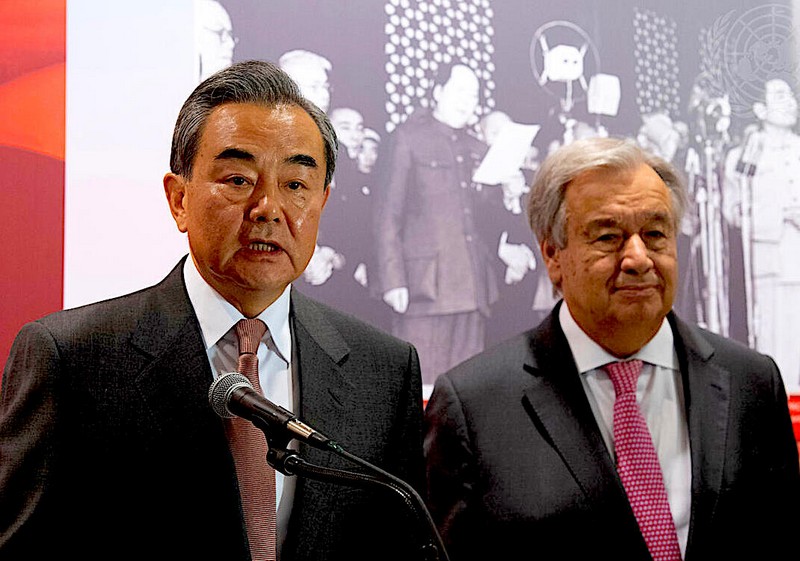
23 May 2023 – In anticipation of next month’s United Nations Security Council talks on reforming the inherently archaic and dysfunctional political body, China’s foreign policy chief, Wang Yi, stated his country’s demands.

“The reform of the Security Council should uphold fairness and justice, increase the representation and voice of developing countries, allowing more small and medium-sized countries to have more opportunities to participate in the decision-making of the Council,” Wang Yi said in a statement on April 29.

More specifically, the new UNSC must “redress historical injustices against Africa,” he said.

Although calls for reforms of the UNSC have been made many times in the past, Beijing’s position is particularly important in both language and timing.

When the United Nations was founded in 1945 following World War II, it was meant to mark the rise of a new world order, one that was largely dominated by the winners of that horrific war, giving greater influence to the United States and its Western allies.

Indeed, of the 51 founding members of the U.N. back then, five countries were chosen to serve permanently on the Security Council — the executive branch of the U.N. The rest were given membership in the General Assembly, which played a marginal and, at times, even symbolic role in world affairs.

Six other nations were allowed to serve as non-permanent members of the council, though they were not granted the same veto power exercised by the five powerful U.N. Security Council members.

A few years later, in 1963, the non-permanent membership status, served through bi-annual rotations, was expanded to 10, expanding the number of U.N. Security Council members to 15. However, the “reforms” ended there, never to be revisited.

Reflecting World Realities 

The U.N. was hardly ever a democratic platform fairly reflecting the realities of the world, whether based on economic influence, demographics or any other indicators — aside from military might and political hegemony.

From the post-WWII geopolitical realities, however, the U.N. perfectly expressed a sad, unfair, but true global power.

That power is now shifting, and rapidly.

Calls for reforms have been underway for many years, exprsesed  by the Group of Four (G4) — Brazil, Germany, India and Japan — and the Sirte Declaration of the African Union (AU) in 2005, among others. But renewed calls for U.N. Security Council reform in recent months have become louder, more significant and, indeed, more possible.

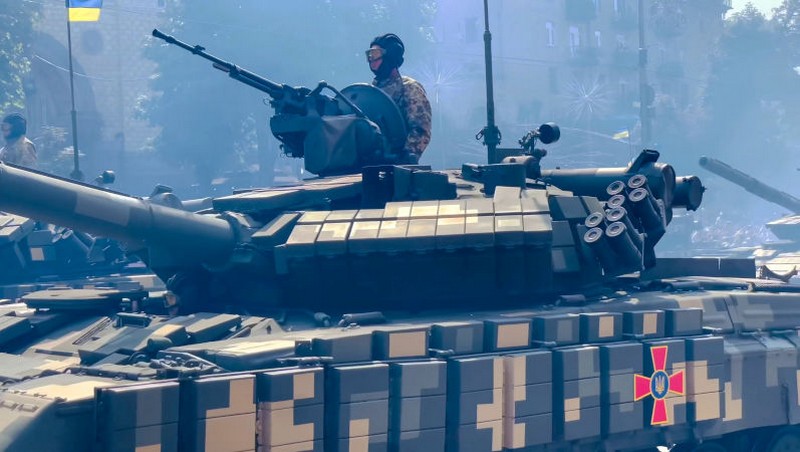
The Russia-Ukraine war, which has divided the world into political camps, further empowers China — the world’s soon-to-be largest economy — and emboldened countries in the Middle East, Africa and South America.

Of the many indicators of a global power shift, the BRICS nations — Brazil, Russia, India, China and South Africa — have proven to be the greatest success story in challenging Western dominance over global markets and the status of the dollar as the world’s main currency.

As BRICS readies for a major membership expansion, it is poised to become the world’s leading economic forum — ahead of the powerful G7.

One of the BRICS members, India, as of April 2023, overtook China to become the world’s most populous country. Along with China and the combined demographics and wealth of other BRICS countries, it becomes unacceptable that a BRICS member such as India is still not a permanent member of the U.N. Security Council. The same applies to Brazil.

Indian U.N. Ambassador Ruchira Kamboj recently referred to the U.N. Charter as “anachronistic.” She said during a debate on the Charter: “Can we practice ‘effective multilateralism’ by defending a charter that makes five nations more equal than others and provides to each of those five the power to ignore the collective will of the remaining 188 member states?”

Her logic carries greater weight now that her country — along with other BRICS nations, the collective power of the African Union among other nations and political entities — is in a much stronger position to bargain for substantive change.

China, on the other hand, is already a permanent U.N. Security Council member, holding veto power.

The fact that Wang Yi is demanding serious changes at the U.N., particularly in the makeup of the Security Council, is a powerful indicator of China’s new global foreign policy agenda. As a rising superpower with close and deepening ties with many countries in the Global South, China rightly believes it’s in its interests to demand inclusion and fair representation for others.

This is an unmistakable sign of political maturity by Beijing, which will surely be resisted by the U.S. and other European powers.

The West is keen on either maintaining the U.N. Security Council’s West-leaning status as it is, or, if it must, engaging in superficial or self-serving reforms. This would be unacceptable for China and the rest of the Global South.

The U.N.’s reputation is already in tatters following its failure to address international conflicts, climate change, global pandemics and more. If the Council is not reformed to address global challenges more democratically, the U.N. risks its relevance.

Ramzy Baroud is a journalist, author and editor of Palestine Chronicle.

29 May 2023

Source: www.transcend.org

British Warmongering Is Driving Europe Towards Catastrophe in Ukraine

By Jonathan Cook

From lobbying for fighter jets to supplying depleted uranium, the UK is making sure escalation is the only way forward.

24 May 2023 – Ukrainian president Volodymyr Zelensky made an unexpected trip to Britain last week on a whistle-stop tour of European capitals, pleading for more powerful and longer-range weapons to use in his war against Russia.

What was hard to ignore once again was the extent to which the UK is playing an outsize role in Ukraine.

Last year, shortly after the start of the war, the then-prime minister, Boris Johnson, hurried to Kyiv – presumably on Washington’s instructions – apparently to warn Zelensky off fledgling peace talks with Moscow.

At around the same time, the Biden administration made clear it favoured an escalation in fighting, not an end to it, as an opportunity to “weaken” Russia, a geo-strategic rival along with China.

Since then, the UK has been at the forefront of European efforts to entrench the conflict, helping to lobby for the supply of weapons, training and military intelligence to Ukrainian forces.

British tanks and thousands of tank shells – including, controversially, some made from depleted uranium – are being shipped out. Last week, the UK added hundreds of long-range attack drones to the inventory.

And an unspecified number of £2m-a-blast Storm Shadow cruise missiles, with a range of nearly 300km, have started arriving. Last week Ben Wallace, Britain’s defence secretary, said the missiles were already in use, adding that Kyiv alone was deciding on the targets.

Storm Shadow allows the Ukrainian military to strike deep into Russian-annexed parts of Ukraine – and potentially at Russian cities too.

A recent leak revealed that the Pentagon had learnt through electronic eavesdropping of Zelensky’s eagerness for longer-range missiles so that his forces were “capable of reaching Russian troop deployments in Russia”.

Lip service

Britain now pays little more than lip service to the West’s claim that its role is only to help Ukraine defend itself from Russian aggression. The supply of increasingly offensive weapons has turned Ukraine into what amounts to a proxy battleground on which the Cold War can be revived.

During Zelensky’s visit to the UK last week, Johnson’s successor, Rishi Sunak, effectively acted as an arms broker for Ukraine, joining with the Netherlands in what was grandly dubbed an “international coalition” to pressure the Biden administration and other European states to supply Kyiv with F-16 fighter jets.

Washington appeared not to need much cajoling. Three days later, Biden dramatically changed tack at a G7 summit in Japan. He effectively gave a green light for US allies to supply Ukraine not only with US-made F-16s but similar fourth-generation fighter jets, including Britain’s Eurofighter Typhoon and France’s Mirage 2000.

Administration officials surprised European leaders by suggesting the US would be directly involved in the training of pilots outside Ukraine.

After a highly staged “surprise” visit by Zelensky to the summit at the weekend, Biden said he had been given a “flat reassurance” that the jets would not attack Russian territory.

British officials, meanwhile, indicated that the UK would start training Ukrainian pilots within weeks.

‘Rightful place is in Nato’

No 10 has made clear that Sunak’s purpose is to build “a new Ukrainian air force with Nato-standard F-16 jets” and that the prime minister believes “Ukraine’s rightful place is in Nato”.

These statements seem intended once again to block any potential path towards peace. President Vladimir Putin repeatedly spoke out against Nato’s growing, covert involvement in neighbouring Ukraine before Russia launched its invasion 15 months ago.

It is hard to imagine that the UK is heading off-script. More likely, the Biden administration is using Britain to make the running and soften up Western publics as Nato becomes ever more deeply immersed in the military activities of Russia’s neighbour.

Ukraine is being gradually turned into the very Nato forward base that first set Moscow on course to invade.

At the same time, Britain appears to be exploiting the Ukraine war as a showcase for its weaponry. After the US, it has been the largest supplier of military equipment to Ukraine.

This week it was reported that UK arms exports hit a record £8.5bn, more than double last year’s total. The last time Britain was so successful at selling weapons was in 2015, at the height of the Syrian war.

Risk to health

Europe’s weapons largesse is, we are told, the precondition for Ukraine to mount a long-awaited counter-offensive to take back territory Russia has seized in the eastern and southern parts of Ukraine.

Speaking candidly in Florence this month, Josep Borrell, the European Union’s top diplomat, ruled out peace talks. Ukraine needed massive supplies of arms because otherwise “Ukraine will fall in a matter of days”, he said.

Borrell’s warning not only suggested the precariousness of Ukraine’s situation but implied that, out of desperation, its leaders might be prepared to approve ever riskier combat scenarios.

And thanks to British meddling, the heavy toll of casualties as the war rages on – among the Ukrainian population and Russian soldiers, as well as potentially inside Russia’s borders too – may be felt not just over the coming months but for decades.

In March, Declassified broke the story that some of the thousands of tank shells Britain is supplying to Kyiv are made of depleted uranium (DU), a radioactive heavy metal produced as waste from nuclear power plants.

Keir Starmer’s opposition Labour party has said it “fully supports” the UK government’s supply of these armour-piercing shells to Ukraine, despite the long-term risk they pose to those exposed to the chemically toxic contamination left behind.

DU shells fragment and burn when they hit a target. One analyst, Doug Weir, from the Conflict and Environment Observatory, told Declassified that the ammunition produces “chemically toxic and radioactive DU particulate [microscopic particles] that poses an inhalational risk to people”.

Nonetheless, British ministers insist the threat to human health is low – and worth the risk given the military gains in helping Ukraine to destroy Russian tanks.

Cancer deaths

As Declassified has highlighted, however, a growing body of evidence following the use of such shells by the US in the former Yugoslavia in the 1990s and by Britain and the US in Iraq a decade later undermines these reassurances.

Italian courts have upheld compensation claims against the country’s military in more than 300 cases where Italians who served in the police or as soldiers in Bosnia and Kosovo have died of cancer after being exposed to DU.

Many thousands more Italian former service-people are reported to have developed cancers.

In 2001 Tony Blair’s government downplayed the role of DU in Italy’s deaths to avoid upsetting the new administration of George W Bush. Both leaders would soon approve the use of DU rounds in Iraq, though the UK admitted a “moral obligation” to help clean up some of the contamination afterwards.

The West has taken little interest in researching the effects of DU weapons in Iraq, even though local civilian populations have been the most exposed to its contamination. DU shells were used extensively during both the 1991 Gulf war and more than a decade later during the US and British-led occupation of Iraq.

Iraqi government statistics suggest the rates of cancers leapt 40-fold between the period immediately before the Gulf war and 2005.

The city of Fallujah, which the US devastated after the 2003 invasion, is reported to suffer “the highest rate of genetic damage in any population ever studied”. Birth defects are said to be roughly 14 times the rate in the Hiroshima and Nagasaki regions of Japan, where the US dropped atomic bombs.

In 2018 the British government reclassified a 1981 report into the dangers of DU weapons by the Ministry of Defence’s Atomic Weapons Research Establishment it had made available three years earlier.

Meanwhile, James Heappey, the armed forces minister, has misleadingly suggested that international bodies such as the World Health Organisation and the United Nations have found no long-term health or environmental hazards associated with DU weapons.

But as Weir told Declassified in March: “None of the entities cited by the MoD has undertaken long-term environmental or health studies in conflict areas where DU weapons have been used.”

In other words, they simply don’t know – and possibly don’t care to find out.

Weir added that the WHO, UN and International Atomic Energy Agency had all called for contaminated areas to be clearly marked and access restricted, while at the same time recommending that risk awareness campaigns be targeted at nearby communities.

British officials have also recruited the Royal Society to their efforts to claim DU is safe – as the US did earlier, in the run-up to the 2003 invasion of Iraq, citing two of its reports published in 2001 and 2002.

However, the Royal Society has vocally distanced itself from such claims. A spokesperson told Declassified that, despite the British government’s assertions, DU was no longer an “active area of policy research”.

Back in 2003, the Royal Society rebuked Washington, telling the Guardian that soldiers and civilians in Iraq “were in short and long term danger. Children playing at contaminated sites were particularly at risk.”

At the same time, the chairman of the Royal Society’s working group on depleted uranium, Professor Brian Spratt, warned that corroding shells could leach DU into water supplies. He recommended removing ordinance and conducting long-term sampling of water supplies.

Voices silenced

By lobbying for more overtly offensive weapons and introducing DU shells into the war, Britain has raised the stakes in two incendiary ways.

First, it is driving the war’s logic towards ever greater escalation, including nuclear escalation.

Russia itself possesses DU weapons but is reported to have avoided using them. Moscow has long warned that it regards use of DU in Ukraine in nuclear terms: as the equivalent of a “dirty bomb”.

In March Putin responded to the UK’s decision to supply DU tank shells by vowing to move “tactical” nuclear weapons into neighbouring Belarus. Meanwhile, his defence minister, Sergei Shoigu, said it put the world “fewer and fewer steps” away from “nuclear collision”.

But Britain is also creating a situation where a catastrophic move, or miscalculation, by either Russia or Ukraine is becoming ever more likely, as events last week highlighted only too clearly.

Russia struck a military ammunition depot in western Ukraine, creating a giant fireball. Rumours suggested the site may have included British DU shells.

Whether true or not, it is a reminder that Moscow could hit such a storage site, intentionally or accidentally, spreading contamination widely over a built-up area.

With Ukraine soon to be in possession of a full array of offensive weapons, largely courtesy of the UK – not only long-range drones, cruise missiles and tanks but fighter jets – it is not hard to imagine terrifying scenarios that could quickly bring Europe to the brink of nuclear conflict.

Moscow hits a DU ammunition depot, exposing a large civilian population to toxic contamination. Ukraine retaliates with air strikes deep inside Russia. The path to a nuclear exchange in Europe has never looked closer.

Those who warned that peace talks were urgently needed rather than an arms race in Ukraine are looking more prescient by the day. For how much longer can their voices continue to be silenced, not only by western leaders but by the western media too?

Jonathan Cook is an award-winning British journalist based in Nazareth, Israel, since 2001.

29 May 2023

Source: www.transcend.org

Reflections on the G7 Summit in Hiroshima

By Robert Kowalczyk

27 May 2023 – Following is a series of thoughts and reactions to the G7 Summit in Hiroshima.

First, through a letter written on behalf of the Hibakusha, followed by newspaper clippings on the Summit. The article ends with A Key, A Promise, and A Symbol that may be useful in creating a path out of the confused, entangled, and existential crises we all have somehow entered.

Now is a time to share positive, balanced solutions to help prevent the grim possibilities of a future world war; these thoughts and actions are offered as one of them.

Hiroshima and Nagasaki Are in Our Hearts

An Open Letter to the Leaders of the G7 Summit on Behalf of All Hibakusha

Why did you come to our Hiroshima, our Nagasaki, while refusing to use diplomacy with countries you feel want war with you?

Is your reasoning that they must want war with you also?

Do you fully realize the ground upon which you stood, smiling at cameras while talking of democracy, freedom, and justice, with so little said about Peace?

Is it so easy for you to be at war while discussing plans for more?

Who are you to do so on this scarred and solemn ground?

If you truly came here to promote peace rather than to prepare for more war, why is it that we cannot help but continue to cry for our world as it moves ever closer to horrors such as we have experienced?

We and our descendants do not understand your refusal to remember what we innocent victims experienced on August 6 and 9 of 1945.

A brilliant flash and then we all found ourselves in Hell.

Did we blame our leaders, or those of what was then called our enemy?

No. Not one finger was pointed.

It was all too horrible to think of anyone’s guilt or anyone’s innocence.

For us it somehow happened.

Hearing of the powers and agilities of your new nuclear weapons, while understanding the fears in your and your enemies’ minds, we fervently pray, as we have for over the past 77 years, that you will turn towards diplomacy, understanding, cooperation, and sincere peace.

Please keep Hiroshima and Nagasaki in your hearts as you return home.

For deterrence is merely a convenient concept.

We must remember, someday it may somehow happen again.

News Clippings on the G7 Meeting in Hiroshima

Where was that bomb dropped?

It was dropped on the world, on this very planet Earth. And yet, we continue to hear Russia’s overt threat to use nuclear weapons, while none of the nuclear nations has recently been able to take any steps toward disarmament.

I imagine U.S. President Joe Biden brought the so-called Nuclear Button to Hiroshima, as did his predecessor, President Barack Obama.

The reality is grave and relentless. (The Asahi Shimbun, May 20, 2023)

**************

The outcome document, the Hiroshima Vision on Nuclear Disarmament released at the end of the first day of the summit, was in line with the existing deterrence policy backed by nuclear states. (The Mainichi, May 22, 2023)

**************

But even as he stood shoulder-to-shoulder with Zelenskyy, whose presence at the summit bolsters Kishida politically, the Japanese leader sought to repeatedly infuse the summit with his ideas about a nuclear-free world.

To some critics, Kishida’s disarmament goals ring hollow as he simultaneously pushes to double Japan’s defense budget in the next five years and strengthen strike capabilities. (The Associated Press, May 22, 2023)

**************

Kunihiko Sakuma, who was exposed as a baby to radiation from the bombing, said that G7 leaders should focus more on diplomatic efforts to end the war.

“Zelenskyy’s visit is not appropriate for Hiroshima, which is a peace-loving city,” said Etsuko Nakatani, an activist whose parents survived the Hiroshima atomic bombing in 1945. (The Associated Press, May 21, 2023)

**************

“You have to understand that there is nothing,” Mr. Zelenskyy told reporters in subdued tones. “They have destroyed everything. There are no buildings. It is a pity, it is s a tragedy, but for today, Bakhmut is only in our hearts.” (The New York Times, May 21, 2023)

A Key, a Promise, a Symbol

Transcending the Prevailing Winds of Nuclear War

A Key

Dr. Klaus Schlichtmann was recently interviewed in an article titled, The Normative Current, which appeared in the recent (May 15, 2023) issue of Transcend Media Service. In the interview, he explained his central theory ― history has frequently demonstrated, through numerous peace conferences and with the inclusion of disarmament clauses in the national constitutions of Germany, France, Italy, and Japan, a continuous call for peace, which has been a significant force throughout contemporary history. This key to peace has remained unused but can be activated at any time to restructure the United Nations as a neutral and diplomatic organization for negotiations, regulations, and the policing of geopolitical hopes toward a safe, human-centric, and sustainable world. Dr. Schlichtmann’s years of research and its resultant concepts have often been nominated for the Nobel Peace Prize.

A Promise

From November 2015 to March 2017, the Kyoto City Registered NPO Peace Mask Project worked in Hiroshima, Nagasaki, Kyoto, several of other locations in Japan, and Hapcheon, Republic of Korea, to create 100 Peace Masks of Hibakusha (atomic bomb survivors) and their descendants, aged 91 to 8. The project, which took 16 months to achieve, included 90 Japanese, 8 Koreans, 1 Chinese, and 1 American, to emphasize the project’s motto: “Nuclear Weapons Have Only One Target ― Humanity.” Our promise to the Hibakusha was to hold an exhibition at an appropriate international location to effectively relay their message: “No More Hiroshima! No More Nagasaki!”  Although the 100 Hibakusha Peace Masks were displayed at the Hiroshima Peace Memorial Museum in March of 2017 and at the U.N. Centre Bangkok in December of 2019, we feel that the most appropriate and effective location for an exhibition would be at the United Nations New York. This appropriate location continues our current goal.

A Symbol

Peace Mask Project is based on the principle of respecting the individual while cultivating a community working together for peace. To quote our Founding Artist, Myong Hee Kim, “The making of each of the Peace Masks takes time, human-paced time, and it is best done in a peaceful atmosphere. This calm space is also essential for the benefit of the model who is offering their face for peace. We focus all our attention on the model as the most important person in the room and everyone in attendance feels this necessary atmosphere together. What results is an intimate and profound human connection for all those who are present.” In this way, combining an exhibition of 100 Hibakusha Peace Masks while holding workshops for creating a separate mural of individuals from a variety of nations, cultures and ethnicities will allow those individuals to give their faces for peace and the abolition of nuclear weapons ― a meaningful and lasting Symbol that fulfills Peace Mask Projects Promise while utilizing the Dr. Klaus Schlichtmann’s Key of Peace as humanity’s Normative Current.

**************

It is our hope that others will join and support us in our journey toward achieving these goals. For further information, please write either by leaving a comment in the Transcend Media Service comment box below, or directly to Robert Kowalczyk, Peace Mask Project, International Coordinator

Robert Kowalczyk is a member of the TRANSCEND Network for Peace Development Environment.

29 May 2023

Source: www.transcend.org

NATO’s Dirty War in Ukraine

By Vanessa Beeley

25 May 2023 – Are Ukraine’s neo-Nazi divisions deploying NATO-supplied chemical weapons?

A recent report published by the Russian Federal News Agency suggests that NATO is preparing wide scale use of chemical weapons against civilians in Donbass and in ongoing military campaigns.

The news agency spoke to the advisor of the Head of the Donetsk People’s Republic, Jan Gagin.

According to the article during the defence of Artemovsk (Bakhmut) Ukraine used drone-delivered ammunition containing toxic substances. The neo-Nazi ‘Birds of Madyar’ air reconnaissance team were identified as deploying these weapons. Since April 2023, Ukrainian-manufactured Teren 6 gas grendades have also been delivered by UAVs. Jan Gagin stated:

The enemy uses chemical weapons not only in Artemovsk but in other areas of the Front. The end of last year myself and my comrades came under attack by such ammunition in the direction of Ugledar. I experienced eye pain, nausea, respiratory spasm, dizziness and general weaknessThe gas grenades were either foreign manufactured or local Ukrainian production. We saw this in videos shared by the Madyar Brigade or other Nazi groups: foreign marking was visible on the grendades. They did not conceal it. It is clear that NATO member states were deliberately supplying these weapons.

A video of one of these attacks has been circulated by Ukrainian Telegram channels and can be seen here.

It is worth pointing out that terrorist groups in Syria, which include ISIS, have been accused of deploying chemical weapons against civilians, Syrian Arab Army and in 2016 against members of the REAL Syria Civil Defence in Aleppo interviewed by myself in 2018:

The RSCD team leader spoke:We arrived at the area and knew we had to enter the tunnel to save the soldiers who were trapped down there. We got to the deepest part of the tunnel and we started to feel the effects of whatever gas had been used. One of my crew radioed me that he couldnt feel his limbs. I shouted for him to come back and we grabbed him to pull him out of the tunnel” ~ RSCD team leader.Then the affected RSCD crew member told me what happened to him:“I entered the tunnel and immediately began to feel strange. My whole body seemed to lose control. I couldnt breathe. I pulled on the rope. Red spots appeared on my hands and there was a strange smell in the air, I still cant describe it” ~ RSCD crew member.

ISIS patch on sleeve of a Ukrainian brigade commander. February 2023. RT

It has recently been proven that there are ISIS or ISIS-friendly militants fighting alongside the various Nazi battalions in Ukraine. So, the alleged use of chemical weapons in the NATO war against Russia should come as no surprise.

All this while in Syria the same NATO member states, the corrupted OPCW (Organisation for the Prohibition of Chemical Weapons) and other aligned UN agencies are maintaining the discredited narrative that the Syrian government carried out alleged chemical weapon attacks against their own civilians. Civilians that the Syrian Arab Army was liberating from NATO-member-state-proxy-terrorist occupation.

According to Jan Gagin the efficacy of the Ukrainian gas grenades was compromised due to their being deployed in open areas with high winds. For these weapons to be effective, they should be used in enclosed, urban areas according to Gagin.

Gagin points out that the Ukrainian forces have used other prohibited weapons against civilian targets which include lethal petal mines described by journalist Eva Bartlett on one of her many visits to Donetsk. Flechette shells have also been used:

“an anti-personnel weapon that is generally fired from a tank. The shell explodes in the air and releases thousands of metal darts 37.5mm in length, which disperse in a conical arch 300 metres long and about 90 metres wide”.

Flechette darts kill and maim indiscriminately as do the “petal” mines that are often trodden on by unsuspecting children causing terrible mutilation. Jan Gagin reiterated:

Ukraine does not hide that it uses prohibited weapons precisely against civilians. There were official statements on their part about the physical destruction of the inhabitants of Donbass and Crimea. Similar actions — are nothing more than the genocide of the Russians in these territories. And the use of chemical munitions and other similar prohibited methods proves that Ukraine — is a terrorist state.

We must understand that Ukraine in this war has no limiters at all, no “ stops ”. Great Britain supplied depleted uranium shells. And what did it lead to? To the mass flight of citizens from those areas where warehouses with these ammunition were destroyed. And this is not we measuring the radiation background in Ukraine, it is the citizens themselves who measure it and see that the level has risen.

It is also worth following Professor Chris Busby on the radiological fall-out from the use or destruction of Depleted Uranium weapons in Ukraine. Busby, a British scientist and radiation expert said the following after the huge explosion near the city of Khmelnytskyi in Western Ukraine earlier in May:

The radiation detectors sited in Poland to the NW of the explosion in Ukraine show a highly significant increase in gamma radiation. The wind direction is SE so this fits with a plume from the explosion site. Uranium daughters Thorium-234 and Protoactinium 234m have gamma ray decays. The 94kev gamma ray from Th-234 is a 6% decay but there is a lot of Uranium. So they would show up on the Eurados detectors.

Access to the European gamma detectors network has been blocked by the German server.

The IAEA have predictably dismissed such claims as “false” but watch this interview with Prof. Busby to decide for yourself here.

Vanessa Beeley is a member of the TRANSCEND Network for Peace Development Environment.

29 May 2023

Source: www.transcend.org

Noam Chomsky on Why This Is the Most Dangerous Point in Human History

By C.J. Polychroniou and Noam Chomsky

The renowned public intellectual explains the threats of climate change, nuclear annihilation, rising inequality, and the decline of democracy.

We live in a world facing existential threats while extreme inequality is tearing our societies apart and democracy is in sharp decline. The U.S., meanwhile, is bent on maintaining global hegemony when international collaboration is urgently needed to address the planet’s numerous challenges.

In the interview that follows, Noam Chomsky, our greatest public intellectual alive, examines and analyses the state of the world with his usual brilliant insights, while explaining in the process why we are at the most dangerous point in human history and why nationalism, racism, and extremism are rearing their ugly heads all over the world today.

C. J. Polychroniou: Noam, you have said on numerous occasions that the world is at the most dangerous point in human history. Why do you think so? Are nuclear weapons more dangerous today than they were in the past? Is the surge in right-wing authoritarianism in recent years more dangerous than the rise and subsequent spread of fascism in the 1920s and 1930s? Or is it because of the climate crisis, which you have indeed said represents the biggest threat the world has ever faced. Can you explain in comparative terms why you think that the world is today significantly more dangerous than it used to be?

Noam Chomsky: The climate crisis is unique in human history and is getting more severe year by year. If major steps are not taken within the next few decades, the world is likely to reach a point of no return, facing decline to indescribable catastrophe. Nothing is certain, but this seems a far too plausible assessment.

Weapons systems steadily become more dangerous and more ominous. We have been surviving under a sword of Damocles since the bombing of Hiroshima. A few years later, 70 years ago, the U.S., then Russia, tested thermonuclear weapons, revealing that human intelligence had “advanced” to the capacity to destroy everything.

Operative questions have to do with the sociopolitical and cultural conditions that constrain their use. These came ominously close to breaking down in the 1962 missile crisis, described by Arthur Schlesinger as the most dangerous moment in world history, with reason, though we may soon reach that unspeakable moment again in Europe and Asia. The MAD system (mutually assured destruction) enabled a form of security, lunatic but perhaps the best short of the kind of social and cultural transformation that is still unfortunately only an aspiration.

After the collapse of the Soviet Union, the MAD system of security was undermined by President Bill Clinton’s aggressive triumphalism and the Bush II-Trump project of dismantling the laboriously constructed arms control regime. There’s an important recent study of these topics by Benjamin Schwarz and Christopher Layne, as part of the background to Russia’s invasion of Ukraine. They review how Clinton initiated a new era of international affairs in which the “United States became a revolutionary force in world politics” by abandoning the “old diplomacy” and instituting its preferred revolutionary concept of global order.

The “old diplomacy” sought to maintain global order by “an understanding of an adversary’s interests and motives and an ability to make judicious compromises.” The new triumphant unilateralism sets as “a legitimate goal [for the U.S.] the alteration or eradication of those arrangements [internal to other countries] if they were not in accord with its professed ideals and values.”

The word “professed” is crucial. It is commonly expunged from consciousness here, not elsewhere.

In the background lies the Clinton doctrine that the U.S. must be prepared to resort to force, multilaterally if we can, unilaterally if we must, to ensure vital interests and “uninhibited access to key markets, energy supplies, and strategic resources.”

The accompanying military doctrine has led to creation of a far more advanced nuclear weapons system that can only be understood as “a preemptive counterforce capability against Russia and China” (Rand Corporation)—a first-strike capacity, enhanced by Bush’s dismantling of the treaty that barred emplacement of anti-ballistic missile systems near an adversary’s borders. These systems are portrayed as defensive, but they are understood on all sides to be first-strike weapons.

These steps have significantly weakened the old system of mutual deterrence, leaving in its place greatly enhanced dangers.

How new these developments were, one might debate, but Schwarz and Layne make a strong case that this triumphant unilateralism and open contempt for the defeated enemy has been a significant factor in bringing major war to Europe with the Russian invasion of Ukraine, with the potential to escalate to terminal war.

No less ominous are developments in Asia. With strong bipartisan and media support, Washington is confronting China on both military and economic fronts. With Europe safely in its pocket thanks to Russia’s invasion of Ukraine, the U.S. has been able to expand NATO to the Indo-Pacific region, thus enlisting Europe in its campaign to prevent China from developing—a program considered not just legitimate but highly praiseworthy. One of the administration doves, Commerce Secretary Gina Raimondo, expressed the consensus lucidly: “If we really want to slow down China’s rate of innovation, we need to work with Europe.” It’s particularly important to keep China from developing sustainable energy, where it is far in the lead and should reach energy self-sufficiency by 2060 according to Goldman Sachs analysts. China is even threatening to make new breakthroughs in batteries that might help save the world from climate catastrophe.

Plainly a threat that must be contained, along with China’s insistence on the One-China policy for Taiwan that the U.S. also adopted 50 years ago and that has kept the peace for 50 years, but that Washington is now rescinding.There’s much more to add that reinforces this picture, matters we have discussed elsewhere.

It’s hard to say the words in this increasingly odd culture, but it’s close to truism that unless the U.S. and China find ways to accommodate, as great powers with conflicting interests often did in the past, we are all lost.

Historical analogies have their limits of course, but there are two pertinent ones that have repeatedly been adduced in this connection: The Concert of Europe established in 1815 and the Versailles treaty of 1919. The former is a prime example of the “Old Diplomacy.” The defeated aggressor (France) was incorporated into the new system of international order as an equal partner. That led to a century of relative peace. The Versailles treaty is a paradigm example of the “revolutionary” concept of global order instituted by the triumphalism of the ‘90s and its aftermath. Defeated Germany was not incorporated into the postwar international order but was severely punished and humiliated. We know where that led.

Currently, two concepts of world order are counterposed: the U.N. system and the “rules-based” system, correlating closely with multipolarity and unipolarity, the latter meaning U.S. dominance.

The U.S. and its allies (or “vassals” or “subimperial states” as they are sometimes called) reject the U.N. system and demand adherence to the rules-based system.The rest of the world generally supports the U.N. system and multipolarity.

The U.N. system is based on the U.N. Charter, the foundation of modern international law and the “supreme law of the land” in the U.S. under the U.S. Constitution, which elected officials are bound to obey. It has a serious defect: It rules out U.S. foreign policy. Its core principle bans “the threat or use of force” in international affairs, except in narrow circumstances unrelated to U.S. actions. It would be hard to find a U.S. postwar president who has not violated the U.S. Constitution, a topic of little interest, the record shows.

What is the preferred rules-based system? The answer depends on who sets the rules and determines when they should be obeyed. The answer is not obscure: the hegemonic power, which took the mantle of global dominance from Britain after World War II, greatly extending its scope.

One core foundation stone of the U.S.-dominated rules-based system is the World Trade Organization (WTO). We can ask, then, how the U.S. honors it.

As global hegemon, the U.S. is alone in capacity to impose sanctions. These are third-party sanctions that others must obey, or else. And they do obey, even when they strongly oppose the sanctions. One example is the U.S. sanctions designed to strangle Cuba. These are opposed by the whole world as we see from regular U.N. votes. But they are obeyed.

When Clinton instituted sanctions that were even more savage than before, the European Union called on the WTO to determine their legality. The U.S. angrily withdrew from the proceedings, rendering them null and void. There was a reason, explained by Clinton’s Commerce Secretary Stuart Eizenstat: “Mr. Eizenstat argued that Europe is challenging ‘three decades of American Cuba policy that goes back to the Kennedy Administration,’ and is aimed entirely at forcing a change of government in Havana.”

In short, Europe and the WTO have no competence to influence the long-standing U.S. campaign of terror and economic strangulation aimed at forcefully overthrowing the government of Cuba, so they should get lost. The sanctions prevail, and Europe must obey them—and does. A clear illustration of the nature of the rules-based order.

There are many others. Thus, the World Court ruled that U.S. freezing of Iranian assets is illegal. It scarcely caused a ripple.

That is understandable. Under the rules-based system, the global enforcer has no more reason to accede to International Court of Justice (ICJ) judgments than to decisions of the WTO. That much was established years ago. In 1986, the U.S. withdrew from ICJ jurisdiction when it condemned the U.S. for its terrorist war against Nicaragua and ordered it to pay reparations. The U.S. responded by escalating the war.

To mention another illustration of the rules-based system, the U.S. alone withdrew from the proceedings of the Tribunal considering Yugoslavia’s charges against NATO. It argued correctly that Yugoslavia had mentioned genocide, and the U.S. is self-exempted from the international treaty banning genocide.

It’s easy to continue. It’s also easy to understand why the U.S. rejects the U.N.-based system, which bans its foreign policy, and prefers a system in which it sets the rules and is free to rescind them when it wishes. There’s no need to discuss why the U.S. prefers a unipolar rather than multipolar order.

All of these considerations arise critically in consideration of global conflicts and threats to survival.

CJP: All societies have seen dramatic economic transformations over the past 50 years, with China leading the pack as it emerged in the course of just a few decades from an agrarian society into an industrial powerhouse, lifting in the process hundreds of millions out of poverty. But this is not to say that life is necessarily an improvement over the past. In the U.S., for instance, the quality of life has declined over the past decade and so has life satisfaction in the European Union. Are we at a stage where we are witnessing the decline of the West and the rise of the East? In either case, while many people seem to think that the rise of the far-right in Europe and the United States is related to perceptions about the decline of the West, the rise of the far-right is a global phenomenon, ranging from India and Brazil to Israel, Pakistan, and the Philippines. In fact, the alt-right has even found a comfortable home on China’s internet. So, what’s going on? Why are nationalism, racism, and extremism making such a huge comeback on the world stage at large?

NC: There is an interplay of many factors, some specific to particular societies, for example, the dismantling of secular democracy in India as Prime Minister Narendra Modi pursues his project of establishing a harsh racist Hindu ethnocracy. That’s specific to India, though not without analogues elsewhere.

There are some factors that have fairly broad scope, and common consequences. One is the radical increase in inequality in much of the world as a consequence of the neoliberal policies emanating from the U.S. and U.K. and spreading beyond in various ways.

The facts are clear enough, particularly well-studied for the U.S. The Rand Corporation study we’ve discussed before estimated almost $50 trillion in wealth transferred from workers and the middle class—the lower 90% of income—to the top 1% during the neoliberal years. More information is provided in the work of Thomas Piketty and Emmanuel Saez, summarized lucidly by political economist Robert Brenner.

The basic conclusion is that through “the postwar boom, we actually had decreasing inequality and very limited income going to the top income brackets. For the whole period from the 1940s to the end of the 1970s, the top 1% of earners received 9-10% of total income, no more. But in the short period since 1980, their share, that is the share of the top 1%, has gone up to 25%, while the bottom 80% have made virtually no gains.”

That has many consequences. One is reduction of productive investment and shift to a rentier economy, in some ways a reversion from capitalist investment for production to feudal-style production of wealth, not capital—“fictitious capital,” as Marx called it.

Another consequence is breakdown of the social order. In their incisive work The Spirit LevelRichard Wilkinson and Kate Pickett show a close correlation between inequality and a range of social disorders. One country is off the chart: very high inequality but even greater social disorder than expected by the correlation. That’s the country that led the way in the neoliberal assault—formally defined as commitment to small government and the market, in practice radically different, more accurately described as dedicated class war making use of whatever mechanisms are available.

Wilkinson-Pickett’s revealing work has been carried forward since, recently in an important study by Steven Bezruchka. It seems well confirmed that inequality is a prime factor in breakdown of social order.

There have been similar effects in the U.K. under harsh austerity policies, extending elsewhere in many ways. Commonly, the hardest hit are the weak. Latin America suffered two lost decades under destructive structural adjustment policies. In Yugoslavia and Rwanda such policies in the ‘80s sharply exacerbated social tensions, contributing to the horrors that followed.

It’s sometimes argued the neoliberal policies were a grand success, pointing to the fastest reduction in global poverty in history—but failing to add that these remarkable achievements were in China and other countries that firmly rejected the prescribed neoliberal principles.

Furthermore, it wasn’t the “Washington consensus” that induced U.S. investors to shift production to countries with much cheaper labor and limited labor rights or environmental constraints, thereby deindustrializing America with well-known consequences for working people.

It is not that these were the only options. Studies by the labor movement and by Congress’s own research bureau (OTA, since disbanded) offered feasible alternatives that could have benefited working people globally. But they were dismissed.

All of this forms part of the background for the ominous phenomena you describe. The neoliberal assault is a prominent factor in the breakdown of the social order that leaves great numbers of people angry, disillusioned, frightened, and contemptuous of institutions that they see are not working in their interests.

One crucial element of the neoliberal assault has been to deprive the targets of means of defense. President Ronald Reagan and Prime Minister Margaret Thatcher opened the neoliberal era with attacks on unions, the main line of defense of working people against class war. They also opened the door to corporate attacks on labor, often illegal, but that doesn’t matter when the state they largely control looks the other way.

A primary defense against class war is an educated, informed public. Public education has come under harsh attack during the neoliberal years: sharp defunding, business models that favor cheap and easily disposable labor (adjuncts, graduate students) instead of faculty, teaching-to-test models that undermine critical thinking and inquiry, and much else. Best to have a population that is passive, obedient, and atomized, even if they are angry and resentful, and thus easy prey for demagogues skilled in tapping ugly currents that run not too far below the surface in every society.

CJP: We have heard on countless occasions from both political pundits and influential academics that democracy is in decline. Indeed, the Economist Intelligence Unit (EIU) claimed in early 2022 that just only 6.4% of the world’s population enjoys “full democracy,” though it is anything but clear how the sister company of the conservative weekly magazine The Economist understands the actual meaning and context of the term “full democracy.” Be that as it may, I think we can all agree that there are several key indicators pointing to a dysfunction of democracy in the 21st century. But isn’t it also the case that a perception of a crisis of democracy has existed almost as long as modern democracy itself? Moreover, isn’t it also the case that general talk about a crisis of democracy applies exclusively to the concept of liberal democracy, which is anything but authentic democracy? I am interested in your thoughts on these topics.

NC: What exactly is a crisis of democracy? The term is familiar. It was, for example, the title of the first publication of the Trilateral Commission, liberal internationalist scholars from Europe, Japan, and the U.S. It stands alongside the Powell Memorandum as one of the harbingers of the neoliberal assault that was gathering steam in the Carter administration (mostly trilateralists) and took off with Reagan and Thatcher. The Powell memorandum, addressing the business world, was the tough side; the Trilateral Commission report was the soft liberal side.

The Powell memorandum, authored by Justice Lewis Powell, pulled no punches. It called on the business world to use its power to beat back what it perceived as a major attack on the business world—meaning that instead of the corporate sector freely running almost everything, there were some limited efforts to restrict its power. The streak of paranoia and wild exaggerations are not without interest, but the message was clear: Launch harsh class war and put an end to the “time of troubles,” a standard term for the activism of the 1960s, which greatly civilized society.

Like Powell, the Trilateralists were concerned by the “time of troubles.” The crisis of democracy was that ‘60s activism was bringing about too much democracy. All sorts of groups were calling for greater rights: the young, the old, women, workers, farmers, sometimes called “special interests.” A particular concern was the failure of the institutions responsible “for the indoctrination of the young:” schools and universities. That’s why we see young people carrying out their disruptive activities. These popular efforts imposed an impossible burden on the state, which could not respond to these special interests: a crisis of democracy.

The solution was evident: “more moderation in democracy.” In other words, a return to passivity and obedience so that democracy can flourish. That concept of democracy has deep roots, going back to the Founding Fathers and Britain before them, revived in major works on democratic theory by 20th century thinkers, among them Walter Lippmann, the most prominent public intellectual; Edward Bernays, a guru of the huge public relations industry; Harold Lasswell, one of the founders of modern political science; and Reinhold Niebuhr, known as the theologian of the liberal establishment.

All were good Wilson-FDR-JFK liberals. All agreed with the Founders that democracy was a danger to be avoided. The people of the country have a role in a properly functioning democracy: to push a lever every few years to select someone offered to them by the “responsible men.” They are to be “spectators, not participants,” kept in line with “necessary illusions” and “emotionally potent oversimplifications,” what Lippmann called the “manufacture of consent,” a primary art of democracy.

Satisfying these conditions would constitute “full democracy,” as the concept is understood within liberal democratic theory. Others may have different views, but they are part of the problem, not the solution, to paraphrase Reagan.

Returning to the concerns about decline of democracy, even full democracy in this sense is in decline in its traditional centers. In Europe, Prime Minister Viktor Orban’s racist “illiberal democracy” in Hungary troubles the European Union, along with Poland’s ruling Law and Justice party and others that share its deeply authoritarian tendencies.

Recently Orban hosted a conference of far-right movements in Europe, some with neo-fascist origins. The U.S. National Conservative Political Action Committee (NCPAC), a core element of today’s GOP, was a star participant. Donald Trump gave a major address. Tucker Carlson contributed an adoring documentary.

Shortly after, the NCPAC had a conference in Dallas, Texas, where the keynote speaker was Orban, lauded as a leading spokesman of authoritarian white Christian nationalism.

These are no laughing matters. At both the state and the national level, today’s Republican party in the U.S., which has abandoned its past role as an authentic parliamentary party, is seeking ways to gain permanent political control as a minority organization, committed to Orban-style illiberal democracy. Its leader, Trump, has made no secret of his plans to replace the nonpartisan civil service that is a foundation of any modern democracy with appointed loyalists, to prevent teaching of American history in any minimally serious fashion, and in general to end vestiges of more than limited formal democracy.

In the most powerful state of human history, with a long, mixed, sometimes progressive democratic tradition, these are not minor matters.

CJP: Countries in the periphery of the global system seem to be trying to break away from Washington’s influence and are increasingly calling for a new world order. For instance, even Saudi Arabia is following Iran to join China and Russia’s security bloc. What are the implications of this realignment in global relations, and how likely is it that Washington will use tactics to halt this process from going much further?

NC: In March, Saudi Arabia joined the Shanghai Cooperation Organization. It was followed shortly after by the second Middle East petroleum heavyweight, the United Arab Emirates, which had already become a hub for China’s Maritime Silk Road, running from Kolkata in Eastern India through the Red Sea and on to Europe. These developments followed China’s brokering a deal between Iran and Saudi Arabia, previously bitter enemies, and thus impeding U.S. efforts to isolate and overthrow the regime. Washington professes not to be concerned, but that is hard to credit.

Since the discovery of oil in Saudi Arabia in 1938, and the recognition soon of its extraordinary scale, controlling Saudi Arabia has been a high priority for the U.S. Its drift towards independence—and even worse, towards the expanding China-based economic sphere—must be eliciting deep concern in policy-making circles. It’s another long step towards a multipolar order that is anathema to the U.S.

So far, the U.S. had not devised effective tactics to counter these strong tendencies in world affairs, which have many sources—including the self-destruction of U.S. society and political life.

CJP: Organized business interests have had decisive influence on U.S. foreign policy over the last two centuries. However, there are arguments made today that there is a loosening of business hegemony over U.S. foreign policy, and China is offered as the evidence that Washington is not listening to business anymore. But isn’t it the case that the capitalist state, while always working on behalf of the general interests of the business establishment, also possesses a certain degree of independence and that other factors enter into the equation when it comes to the implementation of foreign policy and the management of foreign affairs? It seems to me that U.S. foreign policy towards Cuba, for example, is evidence of the relative autonomy of the state from the economic interests of the capitalist classes.

NC: It may be a caricature to describe the capitalist state as the executive committee of the ruling class, but it’s a caricature of something that exists, and has existed for a long time. We may recall again Adam Smith’s description of the early days of capitalist imperialism, when the “masters of mankind” who owned the economy of England were the “principal architects” of state policy and ensured that their own interests were properly served no matter how grievous the effects on others. Others included the people of England, but much more so the victims of the “savage injustice” of the masters, particularly in India in the early days of England’s destruction of what was then along with China the richest society on earth, while stealing its more advanced technology.

Some principles of global order have a long life.

There should be no need to review again how closely U.S. foreign policy has conformed to Smith’s maxim, to the present. One guiding doctrine is that the U.S. will not tolerate what State Department officials called “the philosophy of the new nationalism,” which embraces “policies designed to bring about a broader distribution of wealth and to raise the standard of living of the masses” along with the pernicious idea “that the first beneficiaries of the development of a country’s resources should be the people of that country.” They are not. The first beneficiaries are the investor class, primarily from the U.S.

This stern lesson was taught to backward Latin Americans at a hemispheric conference called by the U.S. in 1945, which established an Economic Charter for the Americas that stamped out these heresies. They were not confined to Latin America. Eighty years ago, it seemed that at last the world would finally emerge from the misery of the Great Depression and fascist horrors. A wave of radical democracy spread throughout much of the world, with hopes for a more just and humane global order. The earliest imperatives for the U.S. and its British junior partner were to block these aspirations and to restore the traditional order, including fascist collaborators, first in Greece (with enormous violence) and Italy, then throughout western Europe, extending as well to Asia. Russia played a similar role in its own lesser domains. These are among the first chapters of postwar history.

While Smith’s masters of mankind quite generally ensure that state policy serves their immediate interests, there are exceptions, which give a good deal of insight into policy formation. We’ve just discussed one: Cuba. It’s not just the world that objects strenuously to the sanctions policy to which it must conform. The same is true of powerful sectors among the masters, including energy, agribusiness, and particularly pharmaceuticals, eager to link up with Cuba’s advanced industry. But the executive committee prohibits it. Their parochial interests are overridden by the long-term interest of preventing “successful defiance” of U.S. policies tracing back to the Monroe Doctrine, as the State Department explained 60 years ago.

Any Mafia Don would understand.

The very same individual might make different choices as CEO of a corporation and in the State Department, with the same interests in mind but a different perspective on how to further them.

Another case is Iran, in this case going back to 1953, when the parliamentary government sought to gain control of its immense petroleum resources, making the mistake of believing “that the first beneficiaries of the development of a country’s resources should be the people of that country.” Britain, the longtime overlord of Iran, no longer had the capacity to reverse this deviation from good order, so called on the real muscle overseas. The U.S. overthrew the government, installing the Shah’s dictatorship, the first steps in U.S. torture of the people of Iran that has continued without a break to the present, carrying forward Britain’s legacy.

But there was a problem. As part of the deal, Washington demanded that U.S. corporations take over 40% of the British concession, but they were unwilling, for short-term parochial reasons. To do so would prejudice their relations with Saudi Arabia, where exploitation of the country’s resources was cheaper and more profitable. The Eisenhower administration threatened the companies with anti-trust suits, and they complied. Not a great burden to be sure, but one the companies didn’t want.

The conflict between Washington and U.S. corporations persists to the present. As in the case of Cuba, both Europe and U.S. corporations strongly oppose the harsh U.S. sanctions on Iran, but are forced to comply, cutting them out of the lucrative Iranian market. Again, the state interest in punishing Iran for successful defiance overrides the parochial interests of short-term profit.

Contemporary China is a much larger case. Neither European nor U.S. corporations are happy about Washington’s commitment “to slow down China’s rate of innovation” while they lose access to the rich China market. It seems that U.S. corporations may have found a way around the restrictions on trade. An analysis by the Asian business press found “a strong predictive relationship between these countries’ [Vietnam, Mexico, India] imports from China and their exports to the United States,” suggesting that trade with China has simply been re-directed.

The same study reports that “China’s share of international trade is rising steadily. Its export volume… rose 25% since 2018 while the industrial nations’ export volume stagnated.”

It remains to be seen how European, Japanese, and South Korean industries will react to the directive to abandon a primary market in order to satisfy the U.S. goal of preventing China’s development. It would be a bitter blow, far worse than losing access to Iran or of course Cuba.

CJP: More than a couple of centuries ago, Immanuel Kant presented his theory of perpetual peace as the only rational way for states to co-exist with one another. Yet, perpetual peace remains a mirage, an unattainable ideal. Could it be that a world political order away from the nation-state as the primary unit is a necessary prerequisite for perpetual peace to be realized?

NC: Kant argued that reason would bring about perpetual peace in a benign global political order. Another great philosopher, Bertrand Russell, saw things rather differently when asked about the prospects for world peace:

“After ages during which the earth produced harmless trilobites and butterflies, evolution progressed to the point at which it has generated Neros, Genghis Khans, and Hitlers. This, however, I believe is a passing nightmare; in time the earth will become again incapable of supporting life, and peace will return.”

I don’t presume to enter those ranks. I’d like to think that humans have the capacity to do much better than what Russell forecast, even if not to achieve Kant’s ideal.

C.J. Polychroniou is a political economist/political scientist who has taught and worked in numerous universities and research centers in Europe and the United States.

Noam Chomsky is Institute Professor (retired) at MIT. He is the author of many books and articles on international affairs and social-political issues, and a long-time participant in activist movements.

28 May 2023

Source: countercurrents.org

Inauguration of new Parliament complex on Savarkar’s birthday shall not whitewash his anti-national and anti-human crimes

By Shamsul Islam

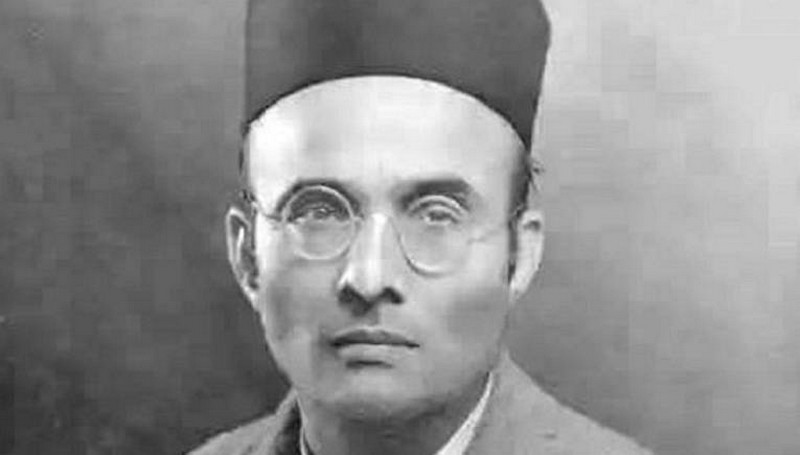
Indian PM Modi is set to inaugurate new complex of Indian Parliament on May 28 (2023) which is also the 140th birth anniversary of Vinayak Damodar Savarkar who is described as ‘great son of India’ and ‘Veer’ [gallant/fearless] by the RSS-BJP lot. Thus the new Parliament built under the direct supervision of PM Modi and his chosen few will be dedicated to Savarkar. It is a horrendous and shameful decision in many respects. Dedication to Savarkar will mean rejection of the whole idea of an egalitarian, democratic and secular India which came into being on August 15, 1947. Honouring of Savarkar would also mean dishonouring of the martyrs and participants of the Indian freedom struggle. Let us know the truth as told by Savarkar himself or contained in the archives of Hindu Mahasabha.

Savarkar’s Hatred for the Tricolour

Savarkar, like the RSS, abhorred every symbol of the Indian people’s united struggle against the British rule. In a circular issued on September 22, 1941 to be followed by the Hindu Mahasabha cadres, he declared,

“So far as the flag question is concerned, the Hindus know no flag representing Hindudom as a whole than the ‘Kundalini Kripanankit’ Mahasabha flag with the ‘Om and the Swastik’ the most ancient symbols of the Hindu race and policy coming down from age to age and honoured throughout Hindusthan…Therefore, any place or function where this Pan-Hindu flag is not honoured should be boycotted by the Hindu sanghatanists at any rate…The Charkha-Flag [before the present national flag spinning-wheel used to be at the centre of the Tricolour] in particular may very well represent a Khadi-Bhandar, but the Charkha can never symbolize and represent the spirit of the proud and ancient nation like the Hindus.”

[Bhide, A. S. (ed.), Vinayak Damodar Savarkar’s Whirlwind Propaganda: Extracts from the President’s Diary of his Propagandist Tours Interviews from December 1937 to October 1941, na, Bombay, 1940, p. 470-73.]

Savarkar preceded Jinnah in propounding two-nation theory

Muslim league under MA Jinnah demanded Pakistan in March 1940. Long before it Savarkar had laid down his two-nation theory. Savarkar took over the leadership of Hindu Mahasabha [HM] in 1937. While addressing the 19th Session of Hindu Mahasabha at Ahmedabad in the same year stated:

“As it is, there are two antagonistic nations living side by side in India, several infantile politicians commit the serious mistake in supposing that India is already welded into a harmonious nation, or that it could be welded thus for the mere wish to do so…India cannot be assumed today to be a Unitarian and homogenous nation, but on the contrary there are two nations in the main: the Hindus and the Moslems, in India.”[i]

[Samagra Savarkar Wangmaya: Hindu Rashtra Darshan (Collected works of Savarkar in English), Hindu Mahasabha, Pune, 1963, p. 296.]

This shameless collusion between Savarkar and Jinnah was described by Dr. B. R. Ambedkar in the following words:

“Strange as it may appear, Mr. Savarkar and Mr. Jinnah instead of being opposed to each other on the one nation versus two nations issue are in complete agreement about it. Both not only agree, but insist that there are two nations in India-one the Muslim nation and the other Hindu nation.”

[Ambedkar, BR, Pakistan or the Partition of India, Government of Maharashtra, Bombay, (reprint of 1940 edition), p. 142.]

Hindu Mahasabha led by Savarkar declared unconditional support to the British government during Quit India Movement

The Quit India Movement began on August 9, 1942 as per Gandhi’s call to ‘Do or Die’ in order to expel the British from India. The British rulers swiftly responded with mass detentions on August 8th itself. Over 100,000 arrests were made which included the total top leadership of Congress including Gandhi, mass fines were levied and demonstrators were subjected to public flogging. Hundreds of civilians were killed in state sponsored violence, many shot by the police and army. Congress was banned. During these times of repression Savarkar announced full support to the British rulers in line with the Muslim League.

Addressing the 24th session of the Hindu Mahasabha at Kanpur in 1942, Savarkar outlined the strategy of the Hindu Mahasabha of co-operating with the rulers in the following words:

“The Hindu Mahasabha holds that the leading principle of all practical politics is the policy of Responsive Co-operation [with the British].” He called upon HM councillors, ministers, legislators and conducting any municipal or any public bodies to offer “Responsive Co-operation which covers the whole gamut of patriotic activities from unconditional co-operation right up to active and even armed resistance…”

[V. D. Savarkar, Hindu Rashtra Darshan, vol. 6, Maharashtra Prantik Hindusabha, Poona, 1963, p. 112.]

Savarkar led Hindu Mahasabha ran coalition governments with Muslim League during Quit India Movement

Hindu Mahasabha and Jinnah led Muslim League joined hands in running coalition governments in Bengal and Sind (and later in NWFP) in 1942. Defending this collusion between HM and ML against Congress Savarkar stated,

“In practical politics also the Mahasabha knows that we must advance through reasonable compromises. Witness the fact that only recently in Sind, the Sind-Hindu-Sabha on invitation had taken the responsibility of joining hands with the League itself in running coalition Government. The case of Bengal is well known. Wild Leaguers whom even the Congress with all its submissiveness could not placate grew quite reasonably compromising and socialable [sic] as soon as they came in contact with the Hindu Mahasabha and the Coalition Government, under the premiership of Mr. Fazlul Huq and the able lead of our esteemed Mahasabha leader Dr. Syama Prasad Mookerji, functioned successfully for a year or so to the benefit of both the communities.”

[Samagra Savarkar Wangmaya: Hindu Rashtra Darshan (Collected works of Savarkar in English), vol. 6, Hindu Mahasabha, Pune, 1963, pp. 479-80.]

It is to be noted that Mookerji was deputy premier and held the portfolio of suppressing Quit India Movement in Bengal.

Backstabbing Netaji Subhash Chander Bose

When Netaji Subhash Chander Bose was planning to liberate India militarily, Savarkar offered full military co-operation to the British masters. Addressing 23rd session of Hindu Mahasabha at Bhagalpur in 1941, he declared:

“Our best national interests demands that so far as India’s defence is concerned, Hindudom must ally unhesitatingly, in a spirit of responsive co-operation with the war effort of the Indian government in so far as it is consistent with the Hindu interests, by joining the Army, Navy and the Aerial forces in as large a number as possible and by securing an entry into all ordnance, ammunition and war craft factories…Again it must be noted that Japan’s entry into the war has exposed us directly and immediately to the attack by Britain’s enemies…Hindu Mahasabhaits must, therefore, rouse Hindus especially in the provinces of Bengal and Assam as effectively as possible to enter the military forces of all arms without losing a single minute.”

[Samagra Savarkar Wangmaya: Hindu Rashtra Darshan (Collected works of Savarkar in English), vol. 6, Hindu Mahasabha, Pune, 1963, p. 460.]

According to HM documents Savarkar was able to inspire one lakh Hindus to join the ranks of the British armed forces.

Savarkar’s mercy petitions were no ruse but instruments of abject surrender

Savarkar submitted minimum 5 mercy petitions [MP] in 1911, 1913, 1914, 1918 and 1920. Savarkarites claim that these were submitted not as an act of cowardice but “as an ardent follower of Shivaji, Savarkar wanted to die in action. Finding this the only way, he wrote six letters to the British pleading for his release”.  A perusal of the two available mercy petitions will prove that there cannot be a lie worse than the claim that Savarkar’s MP petitions were in league with the tricks which Shivaji used to hoodwink the Mughal rulers successfully. The mercy petition dated 14th November, 1913 ended with the following words:

“[Therefore] if the government in their manifold beneficence and mercy release me, I for one cannot but be the staunchest advocate of constitutional progress and loyalty to the English government which is the foremost condition of that progress. …Moreover my conversion to the constitutional line would bring back all those misled young men in India and abroad who were once looking up to me as their guide. I am ready to serve the Government in any capacity they like, for as my conversion is conscientious so I hope my future conduct would be. By keeping me in jail nothing can be got in comparison to what would be otherwise. The Mighty alone can afford to be merciful and therefore where else can the prodigal son return but to the parental doors of the Government?”

The petition dated 30th March 1920 from this prodigal son of the British masters ended with the following words:

“The brilliant prospects of my early life all but too soon blighted, have constituted so painful a source of regret to me that a release would be a new birth and would touch my heart, sensitive and submissive, to kindness so deeply as to render me personally attached and politically useful in future. For often magnanimity wins even where might fails.”

[Available with the National Archives, Delhi.]

There was nothing wrong on the part of the CJ detainees in writing mercy petitions to the British. It was an important legal right available to the prisoners. Apart from Savarkar, Barin, HK Kanjilal, and Nand Gopal too submitted petitions. However, these were only Savarkar and Barin who sought forgiveness for their revolutionary past. Kanjilal and Nand Gopal did not demand any personal favour but status of political prisoners.

Savarkar secured remission of 37.5 years in his sentence of 50 years

Savarkar was incarcerated at Andamans on July 4, 1911 for two life terms [50 years]. On May 2, 1921 [after NINE years TEN months] he was transferred along with his elder brother, Babarao, to the mainland. He was finally released conditionally on January 6, 1924 [total imprisonment TWELVE years SIX months] from Yeravda Jail.

Savarkar as a worshipper of Manusmriti and Casteism

Savarkar is glorified as a rationalist and crusader against Untouchability. Let us compare these claims with Savarkar’s beliefs and acts as recorded in the HM archives. While delivering presidential address to the 22nd session oh Hindu Mahasabha at Madura He declared Manu to be the lawgiver for Hindus and emphasized that once we “re-learn the manly lessons” which Manu taught “our Hindu nation shall prove again as unconquerable and conquering a race as we proved once”. [Samagra Savarkar Wangmaya: Hindu Rashtra Darshan (Collected works of Savarkar in English), vol. 6, Hindu Mahasabha, Pune, 1963, p. 426.]

He declared Manusmriti to be “that scripture which is most worship-able after Vedas for our Hindu Nation …Today Manusmriti is Hindu law. That is fundamental”. [Savarkar, VD, ‘Women in Manusmriti’ in Savarkar Samagr (collection of writings of Savarkar in Hindi), vil. 4, Prabhat, Delhi, p. 415.]

So far his crusade for Untouchables entry into Hindu temples was concerned he gave undertaking to Brahmins that “the Hindu Maha Sabha shall never force any legislations regarding the entry of untouchables in the ancient temples or compel by law any sacred ancient and moral usage or custom prevailing in those temples. In general the Mahasabha will not back up any Legislation to thrust the reforming views on our Sanatani brothers so far as personal law is concerned”.

[Bhide, A. S. (ed.), Vinayak Damodar Savarkar’s Whirlwind Propaganda: Extracts from the President’s Diary of his Propagandist Tours Interviews from December 1937 to October 1941, na, Bombay, 1940, p. 425.]

Savarkar wanted Nepal King to rule India in case the British decided to leave India

Savarkar even preached that it was legitimate to have the King of Nepal as ‘Free Hindusthan’s Future Emperor’ if the British plan to leave India. His advice to the British rulers was very clear:

“If an academical [sic] probability is at all to be indulged in of all factors that count today, His Majesty the King of Nepal, the scion of the Shisodias [sic], alone has the best chance of winning the Imperial crown of India. Strange as it may seem, the English know it better than we Hindus do…It is not impossible that Nepal may even be called upon to control the destiny of India itself. Even Britain will feel it more graceful that the Sceptre [sic] of Indian Empire, if it ever slips out of her grip, should be handed over to an equal and independent ally of Britain like His Majesty the King of Nepal than to one who is but a vassal and a vanquished potentate of Britain like the Nizam.” [Italics as in the original]

[Bhide, AS, (ed.), Vinayak Damodar Savarkar’s Whirlwind Propaganda: Extracts from the President’s Diary of his Propagandist Tours Interviews from December 1937 to October 1941, na, Bombay, 1940, pp. 256-57.]

Savarkar criticized Shivaji for not allowing molestation/rape of captured Muslim women

Savarkar was a great defender of molestation and rape as a political tool against the women of adversaries. In his important work of Hindu history, Six Glorious Epochs of Indian History, originally written in Marathi and translated in English in 1971 he included a chapter titled ‘Perverted Conception of Virtues’ (chapter VIII). He criticized Shivaji and Chimaji Appa for restoring back to the families the women of defeated Muslim and Portuguese governors. Since Shivaji did not allow molestation of captured women Savarkar complained:

“Did not the plaintive screams and pitiful lamentations of the millions of molested Hindu women, which reverberated throughout the length and breadth of the country, reach the ears of Shivaji Maharaj and Chimaji Appa?”

He went on to lament that “It was the suicidal Hindu idea of chivalry to women which saved the Muslim women (simply because they were women) from the heavy punishments of committing indescribable sins and crimes against the Hindu women. Their womanhood became their shield quite sufficient to protect them”.

[‘Perverted conception of virtues’ in V. D. Savarkar (tr. By S. T. Godbole), Six Glorious Epochs of Indian History, Bal Savarkar India, Delhi, 1971, pp. 147-159.]

With these irrefutable facts about Savarkar, PM Modi bent upon honouring him on this May 28 will only accelerate the undoing of democratic-secular India, egalitarian part of the Indian civilization for which RSS has been dreaming since its inception in 1925.

Shamsul Islam is a retired professor Delhi University

Email: notoinjustice@gmail.com

26 May 2023

Source: countercurrents.org
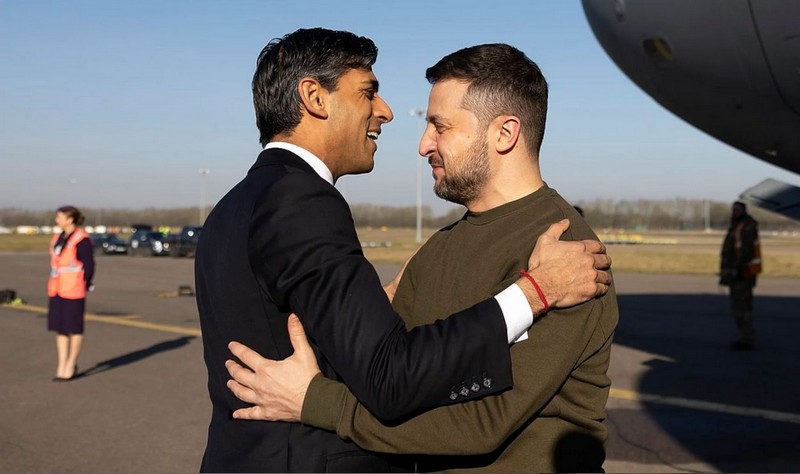
A Call for Safe and Ethical AI (Artificial Intelligence) for Health

By Dr Shivangi Agarwal

The World Health Organisation (WHO) urges caution while employing extensive language model tools (LLMs) produced by artificial intelligence (AI) to protect and enhance human well-being, human safety, and human autonomy, as well as to preserve public health. Some of the most rapidly growing platforms that mimic comprehending, processing, and creating human communication are LLMs, including ChatGPT, Bard, Bert, and many others. Considerable enthusiasm is generated about their capacity to understand health demands due to their rapid public dissemination and expanding practical application for health-related purposes. It is essential to consider the hazards of utilising LLMs to safeguard people’s health and lessen inequality. It can be crucial for the well-being of people to increase access to health information and improve diagnostic capacity in low-resource settings.

The WHO is dedicated to utilising new technologies, including AI and digital health, to benefit human health. WHO is enthusiastic about using technologies, including LLMs, to support healthcare professionals, patients, researchers, and scientists. However, the usual level of safety that should be applied to new technology is not consistently applied. Adequate caution involves universal adherence to the core principles of openness, diversity, participation by the public, professional oversight, and strict evaluation. The rapid adoption of unproven systems could result in mistakes made by medical professionals, injury to patients, and a loss of trust in AI, undermining the potential long-term benefits of such technology globally.

The various issues necessitate strict regulation for the technologies to be employed safely, efficiently, and morally. The data used to train AI might produce false or erroneous information that could harm inclusivity, equity, and health. The WHO advises that as technology companies try to commercialise LLMs, policymakers should ensure patient safety and protection.

Before they are widely used in ordinary medicine and healthcare, the WHO suggests that issues must be addressed and health system stakeholders can benefit. WHO stresses the significance of following moral guidelines and good governance in the WHO recommendations on the ethics and governance of AI for health. The WHO has identified six guiding principles for AI development: (1) safeguard autonomy; (2) advance human welfare, safety, and the public interest; (3) ensure transparency and understanding; (4) promote accountability and responsibility; (5) foster equity and inclusiveness; and (6) a receptive and sustainable AI.

References:

[https://www.who.int/news/item/16-05-2023-who-calls-for-safe-and-ethical-ai-for-health ]

Dr. Shivangi Agarwal has completed Masters of Public Health .

26 May 2023

Source: countercurrents.org
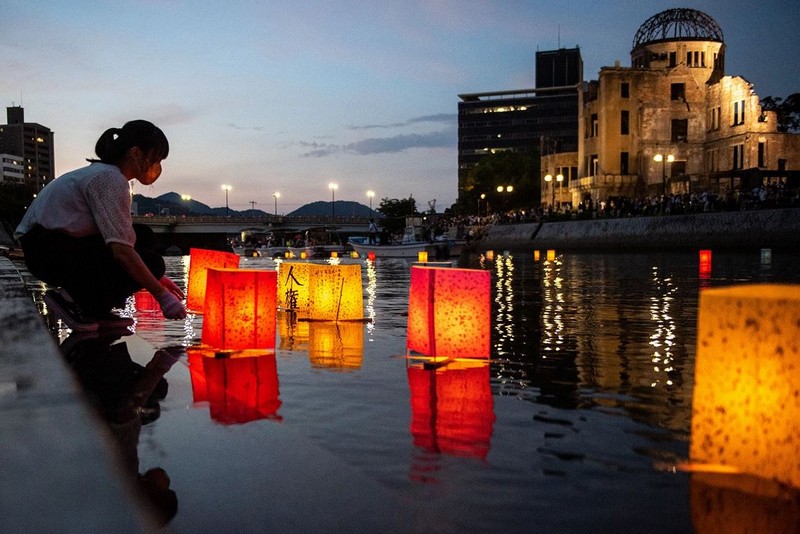
Does China Have a Huge Problem Despite Impressive Economic Development?

By Kim Petersen

Interview with author Wei Ling Chua

The G7 has recently wound up its meeting in Hiroshima, and the participants joined to affirm their fear of the Threat of China. British media reported that prime minister Rishi Sunak said: “China poses the biggest challenge to global security and prosperity of our age with the ‘means and intent to reshape the world order’.” The global septet spoke of “de-risking” rather than “de-coupling” from China. This was prudent because decoupling from the world’s leading manufacturing base would risk plunging all economies into recession. China leads the world in so many facets of production, particularly high technology: high-speed rail, rocket technology, their own space station, lunar and Martian probes and rovers, quantum computing, AI, robotics, bridge building, tunnel construction, chip production, hypersonic missiles, laser weapons, military armaments, nuclear technology, and on and on. Could it be that the Chinese economy is not as sturdy as it seems to be?

I asked Wei Ling Chua, the author of Democracy: What the West can learn from China and Tiananmen Square “Massacre”? The Power of Words vs. Silent Evidence, his forecast for the Chinese economy.

Kim Petersen: In a recent article, “Why China Can’t Pull the World Out of a New Great Depression,” strategic risk consultant F. William Engdahl writes, “… in real physical economic production, China has left the USA and everyone else in the dust. Therefore, the future course of industrial production in China is vital to the future of the world economy.”

He writes that steel production is “the single best indicator of a growing real economy” for which China crushes the competition. China leads in coal production, rare earth mining and processing, motor vehicle production, as supplier of essential cement for construction, aluminum production, and copper consumption. Engdahl adds, “The list goes on.”

Then Engdahl identifies a problem: “A huge problem with China’s economic model over the past two decades has been the fact that it has been a debt-based finance model massively concentrated on real estate speculation beyond what the economy can digest.” He points at the inflated housing market, rising unemployment, the dubiousness of official figures for total state debt, and the lack of transparency for financial information.

It is expected that there would be bumps along the road in the development of what was once, not so long ago, a very poor country compared to the economic colossus that China has become today. In addition to the commodities exported worldwide, China has also garnered much skepticism for its growth and development over the years, and yet China has always managed to steam ahead. China has a planned economy, and assuredly the mandarins have contingency plans for the unexpected.

What is your take on the Engdahl article?

Wei Ling Chua: I think the author lacks an understanding of the CCP series of policies and reforms, and he relies too heavily on the crusader agenda-based line-of-thinking.

Unlike western, Japanese, USSR development that relied heavily on imperialism, expansionism and looting

1) In the first 30 years of the People’s Republic of China (PRC), the sources of finance were mainly from the agricultural sector, and the hard work, delegation and sacrifices of the entire population to rebuild the nation.

The Mao era was the hardest era in the history of the PRC, as the country just managed to hold together the entire nation with virtually nothing (no technology, no money, a 90% illiteracy rate, a divided population, a population hungry and in poor health with a super short average life-expectancy of 36 years, a hostile international environment (Korean war, Sino-India war, USSR border war, plus western sanctions, and in the 1960s USSR sanctions as well).

However, Mao managed to win the Korean war with mainly foot soldiers armed with rifles and hand grenades, helped Vietnam to chase away the US occupier, and defeated India and the USSR in skirmishes. China worked herself into the UN to replace the nationalist government as the only legitimate government of China. It also completed the first stage of the Chinese industrial revolution with all types of light industry (self-made household appliances, processed food), an active agriculture sector, fisheries, etc, and heavy industry such as producing trucks, cars, buses, trains, atomic bombs, satellite, missiles, and all type of other military weapons, construction technology…

2) over the next 30 years, China financed her economic reform via opening up with massive foreign investment plus massive land mortgage financing to fund all types of infrastructure across the country.

But, unlike the rest of the developing countries, China used cheap land and labor to attract foreign investment to build factories, and used her own land allocation as a guarantee to print money and provide loans for building infrastructure, commercial and residential property, and therefore, not incurring too much foreign debt. So, most of China’s debts are domestic and are outside of foreign control.

3) Since Xi came into power, his zero tolerance towards corruption and successful anti-corruption policy very much ensured the country’s continued smooth operation with high efficiency and less waste. This is a most vital element in any nation’s development and future prosperity (whereas all western countries are down down and down at the moment due to legalised corruption in the name of lobbying, political donations, speech bureaus, privatisation, etc)

Xi’s centralised medicine approval strategy has successfully reduced all drug prices by up to more than 90%, and hence china was able to introduce sustainable nationwide medicare coverage. Such a policy freed up people’s savings for domestic consumption. This economic generator is a pillar of any advanced country.

Under Xi, the average wages of the nation basically more than doubled.

Yes, like the rest of the world, the real estate market and tax on property transactions are major sources of government revenue. But Xi knew that if the real-estate market was allowed to continue being controlled by a handful of billionaires to reap speculative profits then the housing prices would keep rising. So, he openly told the nation that housing is for people to live, not for speculative profit. He cracked down on irresponsible real estate giants controlling too much real estate and using them to mortgage and buy more. Finally, this caused some collapse in overheated pricing. But unlike the US, there is no too-big-to-fail company in China; Xi froze these troubled giant companies from issuing dividends to shareholders, and made the owners sell their own assets to repay the interest and loans, sell their overseas companies and assets, and then domestic assets to repay the loans. And when the state bails out a company, all those assets return back to the people; i.e., state control.

The author also failed to take in a lot of things that have taken place in China.

4) Yes, there are debt issues in China, but debts should be distinguished between good debt and bad debt:

Across the west, they keep printing money to give away to political donors in exchange for personal benefits at the expense of the taxpayers, they also give away money to voters to win votes. These are bad debts as they produce no future return for the masses.

But, for China, the debts transform into infrastructure domestically and overseas. The outcome is apparent: more and more regions and countries with Chinese investment enjoy economic prosperity; hence, they help China to continue enjoying prosperity despite western decoupling policies.

The winning of trust and friends across the world will only pave the way for China’s Belt and Road win-win strategy to ensure mutual prosperity even without the West. We are now witnessing that the BRICS’s GDP is bigger than that of the G7, and the Chinese economy has been bigger than the entire EU (the combined GDP of 27 countries) since 2021.

Besides, the rise of China’s high-tech economy are obvious: due to China’s superiority in EV car technology, China has just replaced Japan as the world’s biggest new car exporter (the world number 1 in EV car exports), solar technology exports as well, infrastructure exports, ship building etc, and lately, overtaking the US in military armament exports to places like the UAE, Saudi Arabia, Malaysia, Thailand… etc. Consider also the growing popularity of the RMB as a reserve currency. It is important to note that China managed to achieve these feats without firing a single shot; it’s all about investment in education, R&D, development of infrastructure, and a policy of win-win.

China’s future is very bright with the coming development, export of chips, nuclear power plants, and reunification with Taiwan. At this moment, the world has seen China managing to finally create a peaceful and Chinese-friendly Central Asia, Russia, Middle East, and ASEAN (excluding the Philippines under Marcos). We also notice that almost all African countries and Latin American countries are also very much preferring China over the West. This peace dividend will help create an entire region surrounding China to move towards the world’s biggest economic block developing in peace and harmony. It will become a magnet for the rest of the world.

Kim Petersen is an independent writer.

26 May 2023

Source: countercurrents.org
Ever Again – Setting the Stage for the Genocide of the Palestinian People

By Dan Lieberman

Israel still has plenty of land for population expansion and its preference to expand by stealing land from Palestinians indicates that nonchalantly making others invisible is a metaphor for making them physically extinct.

An unusual and pleasant experience occurred when I attended the webinar book launch of Never Again: Germans and Genocide after the Holocaust, authored by Dr. Andrew Port, Professor of History at Wayne State University. Skeptical of Germany’s anxiety in remaining identified with the genocidal Nazi past and its servile attempts to gain Jewish approval by assisting Israel, I audaciously framed a question for Dr. Port, “You say never again, but Germany supports Israel’s genocide of the Palestinian people. How do you reconcile that hypocrisy?”

I admit that the question was poorly expressed and can be misinterpreted; Germany does not support Israel’s genocide of the Palestinian people; Germany has contributed to Israel’s oppression and simmering genocide of the Palestinian people. In addition to German government reparations payments, estimated at $60 billion, the Federal Republic of Germany (FRG) sponsors the second-largest scientific research in Israel and German scientists represent the largest group of foreign scientists working in Israel. Between the years 2009-2020, the FRG accounted for 24 percent of Israel’s arms imports. Included in the weapons deals were submarines, which can be equipped with missiles, and four German-made corvette warships for patrolling the coast.

From Germany’s Relations with Israel: Background and Implications for German Middle East PolicyCongressional Research, January 19, 2007.

In 1999 and 2000, in perhaps the most high-profile German arms shipments to Israel since German unification, Germany financed 50% of the costs for three “Dolphin-class” submarines designed specifically for the Israeli navy. In August 2006, the German government committed to deliver and finance one-third of the costs, approximately 1 billion Euros ($1.3 billion), for two more submarines by 2010.

By not admitting that its assistance to Israel has dual use, Germany flirts between contributing and supporting Israel’s oppression — strengthening Israel economically and militarily and enabling donated and other resources to be made available to oppress the Palestinians. The FRG jumped to supporting the oppression when a majority of legislators in the Bundestag voted in favor of a motion to label the international Boycott, Divestment, and Sanctions (BDS) movement “as an entity that uses anti-Semitic tactics to fulfill its political goals.”

Knowing that moderators do not relish provocative questions, I did not expect my question would be fielded. To my surprise, Dr. Andrew Port, the book’s author interrupted the moderator and noted the question. Here are his words, as accurately as I could transcribe them from the posted video.

Dr. Polk: There`s a question about um, Germany and support for the Palestinian people. That was the first question and I am happy to respond to that even though you may not want me. Is that okay?

Moderator: Of course, please?

Dr. Polk: Yeah, it’s not the first time. So for those of you who can’t see, um, Dan has written, “You say never again, but Germany supports Israel’s genocide of the Palestinian people. How do you reconcile that hypocrisy?”
I would say this, I used to be, I used to react to the Germans say, very allegedly to this claim that the Israelis were committing genocide in Israel. The more I did research and the more I learned about the UN genocide convention, I certainly can see why some people would make the case. And I’m not going to comment on that whether or not I do think it’s, um, it’s genocide. Um, but it is certainly a legitimate, um, question is, is it hypocrisy? Well, you know, I, I think, um, it’s not something that I Iooked at. I focused on Cambodia, on Bosnia, and Rwanda and I think it would be very interesting for someone to examine how Germans, uh, talk about it. Yeah, obviously work has been done on this and you know, Dirk Moses with this German catechism that he published, which led to a major debate has brought this topic out into the open. I, l, l think there’s a lot to be. So there is a hypocrisy. Well, you know Germans are in a very difficult position there and you can imagine, you can imagine what it would be like for the Germans to accuse Israelis of genocide, and l think we have to have an understanding for, for the past and for the, the difficult situation you know they face.

The professor displayed bravery in going out of script and expressing his thoughts on a challenging topic — is Israel committing genocide against the Palestinian people? My observation is that he was slightly equivocal, wanting to let the audience know that, by UN Genocide Convention, Article II, the charge is true but not willing to state his agreement. The question remains bogged in debate and polemical exercises that resolve nothing. Genocide never receives agreement until the deadly crime has culminated Then comes the usual soul searching, accusations, recriminations, and a chorus of, “Who can predict the future,” followed by “never again,” and followed by a genocide happening again.

Predicting the future is not difficult when a pattern of events of a contemporary situation compares favorably with those of an earlier period. Carefully study history, find previous events that duplicate contemporary events, trace the earlier history to its climax, and, voilà, assuredly the contemporary events will evolve with the same trajectory. Unless an external occurrence modifies the situation, similar circumstances most likely lead to similar conclusions.

A religious group feels constantly persecuted and desires to preserve its identity. Members band together and seek a new place to live their unique social and communal life in a promised land. After sputtering failures, the group, sponsored by investments and not by a national government, manages to establish itself on already inhabited foreign soil and attract adherents, financial assistance, and adventurers.

The group purchases land from the native population, establishes industries, seeks to win resources, competes with, and begins to pauperize the indigenous people. Friction leads to battles and total war. Security replaces reconciliation and becomes an excuse for the victors to impose severe restrictions on the defeated, steal their property, and oppress them. The native population is decimated and forced from its ancestral lands.

The previous narrative describes the Pilgrim voyage to their promised land and approximates the Zionist incursion into the Levant. An addition to the narrative has the native Pokanoket tribe initially assisting the Pilgrims in their endeavors. After being wary of the newcomers to his territory, the Pokanoket leader, Massoit, came to regard the English as benefactors. The Mayflower boat, perceived as a ‘walking island,’ the iron plows, muskets, and other material goods entranced the Natives and they saw themselves benefiting from a cordial relationship with the Pilgrims.

Palestinians were also willing to cooperate with the Zionists. Khalil Sakakini, a well-known Palestinian nationalist, essayist, and poet initially concurred.

I see no reason why the Jews and the Arabs cannot work together in this great country. There is room for all, and up to the present time there have been no serious quarrels. At the beginning, what little dissension arose has smoothed out, and I believe it is the desire at least of the younger and vigorous and open minded group of Arabs to do everything they can to work amicably with the Jews. We must say that the Jews have brought considerable progress, and as they are mainly spend­ing their own money in developing the country, it would be wrong not to give them credit for efforts in trying to make a future and better Palestine.

After 40 years of a peaceful and helpful relationship, it became evident that the Pilgrims intended to reduce the indigenous people to servitude.

The Pilgrims bought their land from the Natives, but the Natives expected to continue to use the land’s resources.  The colonists built fences where no fences had ever been before, closing off their property to make the land their own. Tensions had long existed due to the two cultures different ways of life.  Colonists’ livestock trampling Native cornfields was a continuing problem.  Competition for resources created friction.  Regional economic changes forced many Natives to sell their land.”- Nathan Philbrick, Mayflower.

The wanting “all or nothing” Zionists pursued a similar path as the wanting pilgrims and their sponsor, Massachusetts Bay Colony. On November 3, 1918, a day after the first anniversary of the Balfour Declaration, a delegation of the Muslim-Christian Association handed a petition signed by more than 100 notables to Ronald Storrs, the Occupied Enemy Territory Administration military governor.

We noticed yesterday a large crowd of Jews carrying banners and overrunning the streets shouting words, which hurt the feelings and wound the soul. They pretend with open voice that Palestine, which is the Holy Land of our Fathers and the graveyard of our ancestors, which has been inhabited by the Arabs for long ages who loved it and died in defending it, is now a national home for them. These are words which displease the heavens.  How do the Jews expect Palestine to be a national home when the Muslims and the Christians never asked that it should be a national home for those of them who are not inhabitants of Palestine?  We Arabs, Muslim and Christian, have always sympathized profoundly with the persecuted Jews and their misfortunes in other countries as much as we sympathized with the persecuted Armenians and other weaker nations. We hoped for their deliverance and prosperity. But there is a wide difference between this sympathy and the acceptance of such a nation in our country, to be made by them a national home, ruling over us and disposing of our affairs. We Muslims and Christians desire to live with our brothers, the Jews of Palestine, in peace and happiness and with equal rights. Our privileges are theirs, and their duties are ours.

The significant result of the Massachusetts Bay Colony settlements was the genocide of the local tribes, which led to the mass extermination of Native tribes throughout North America.

By violently expelling approximately three-quarters of all Palestinians during the period of 1947-1949, the Zionists set the stage for a genocide of the Palestinian people. In 1967, following Israel’s victory in the 6-day war, Israel displaced an estimated additional 300,000 Palestinians. Afterward, Israel’s occupation of the West Bank treated the Palestinians as if they were not there, giving little heed to the Palestinian need for resources, homes, water, agriculture cultivation, infrastructure, and institutions. The only time Israel gives attention to the Palestinians is when they want to take something from them, harass them, or injure them. Israel still has plenty of land for population expansion and its preference to expand by stealing land from Palestinians indicates that nonchalantly making others invisible is a metaphor for making them physically extinct.

Let those skeptical of the eventual genocide respond to questions: “Being continually encroached and reduced to diminishing living space, agriculture, water, and resources, what will happen with the Palestinians in the future?” If life becomes unbearable, where will they find a bearable life? With no leadership or nationality, how can Palestinians maintain ontological security, which is “a stable mental state derived from a sense of continuity in regard to the events in one’s life.” The latter two words are more than an esoteric expression. They define what the Palestinians lack and most need. The absence of ontological security accelerates the deterioration of the Palestinian community, a process caused by the severe Israeli repression.

The other doubt of an ongoing genocide cites the presence of six million Palestinians in Israel and the territories. Reports have about 6 million killed during a few years of the World War II Holocaust. Occurring behind enemy lines during a world war, and without the surveillance and communications available today, the WWII Holocaust was difficult to confirm and prevent. With present-day observation and communication tools, it seems implausible that an oppressor can bring about another holocaust and murder 6 million people in a similar manner and in a short period. Implausible, but not impossible; an accepted statistic has 800,000 Tutsis slaughtered in 100 days in the Rwanda genocide. Unfortunately, even today, in full view of the world, genocide can be done by several means. At this moment, foreign aid prevents the ultimate tragedy and keeps the Palestinian community alive.

According to figures compiled by the Organization for Economic Cooperation and Development, aid to Palestinians amounted to more than $40 billion between 1994 and 2020. The Palestinian Economic Council for Development and Reconstruction totals its foreign aid in 2020 at 1.13 billion dollars, a hefty sum considering that the GDP of Mexico is 1.15 billion dollars. By replacing what should be Israel’s legal and financial commitments as an occupier power to its occupied with their financial assistance to the Palestinians, the U.S. taxpayers and other world peoples subsidize Israel’s theft of Palestinian property and the infrastructure created to oppress the Palestinians, another example of how the Zionists deceive the world. This foreign aid begs the questions, “What will be the fate of the Palestinians if the aid is completely cut,” and “Can it continue forever?” Will the Palestinians live at subsistence levels or will Israel meet its commitments as an occupying power and give attention to Palestinian needs? Given the Zionist past of deceit, lying, trickery, knavery, and criminal behavior, the former is most likely and, with its occurrence, the genocide will escalate. Discussing an anticipated method by which a country can initiate the destruction of a minority within its borders. is unpleasant. Not being aware is worse than feeling unpleasant.

One way to accomplish the deadly deed is by decreasing birth rates and increasing death rates, done by exiling youth, population control, and causing psychological problems that lead to physical problems. The latter is a daily activity that has been visited upon the Palestinians for decades — permanent and flying checkpoints, roadblocks, forcing families into basements while Israel military sleeps overnight in the house, stopping cars and beating the adult male, arbitrary and unjust detentions, punishment of family members for alleged offenses by a relative, allowing tilling of fields and tending of flocks only at prescribed times and specified entry places, and many, many other deliberate mechanisms that wound the Palestinian psyche and diminish ontological security.

If the population decreases by 5 percent annually, in 14 years, the population is halved, and, in 50 years, the population decreases to 10 percent of its initial amount. By these methods, the Palestinian population can be reduced from 6 million to 600,000. The remaining Palestinians will be faceless and wandering people among the many millions of Israelis.

Not wanting to know or not accepting what is obvious are compounded by not being able to handle the horror of the situation and not knowing what to do about it, which places the situation in the same category as previous genocides. The time has arrived to break tradition.

Reciting what to do is exceedingly complex and beyond the scope of this article. Four points:

(1)    Everything must be done peaceably and within the law. The problem to be faced is that if the thrust is succeeding, adversaries resort to violence and lawless activities.

(2)    The United States, Great Britain, and Germany are the principal culprits in setting the stage for the genocide of the Palestinian people. Their governments must be shamed and changed.

(3)    The Jewish people are identified with committing the genocide. They and their synagogues should realize they must redeem themselves or face an eternal backlash for their support of  Zionist Israel, which calls itself, “the Jewish state,” and has disgraced Judaism.

(4)    Institutions, such as PBS and many “think tanks” should purge themselves of pro-Israel elements who use the institution to campaign for Israel, which, indirectly campaigns for the liquidation of the Palestinians.

Considering the prolonged suffering of the Palestinian people, almost 75 years of unendurable oppression, the genocide is superfluous. In the PBS documentary, America and the Holocaust, Deborah Lipstadt says, “If ‘the time to stop a Holocaust is before it happens,’ then it means you have to lay on the table the ingredients that go into it. Maybe these ingredients don’t add up to it… But if you’re seeing people assembling, in the kitchen, the same ingredients, you’ve got to say, you cannot wait until the meal is prepared.”

Well, Ms. Lipstadt and the rest of the world, don’t wait, inform the authorities in the government you now inhabit to get on the ball and thwart the predicted genocide of the Palestinian people.

Dan Lieberman publishes commentaries on foreign policy, economics, economics, and politics at https://dlieb10gmailcom.substack.com/.

26 May 2023

Source: countercurrents.org
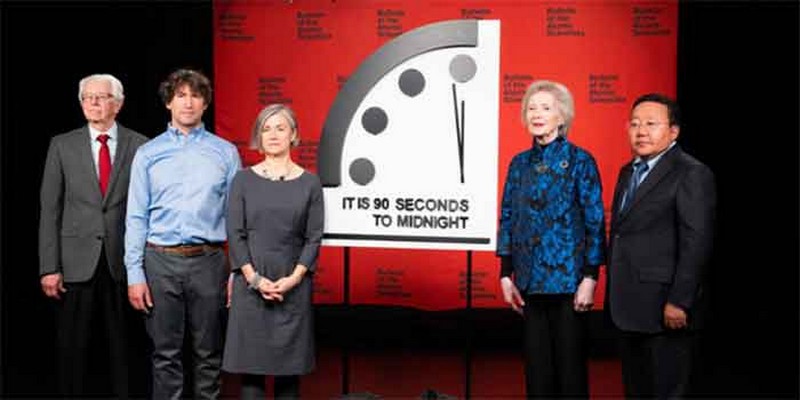
The war in Ukraine was provoked— and why that matters to achieve peace

By Jeffrey D. Sachs

By recognising that the question of NATO enlargement is at the centre of this war, we understand why U.S. weaponry will not end this war. Only diplomatic efforts can do that.

George Orwell wrote in 1984 that “Who controls the past controls the future: who controls the present controls the past.” Governments work relentlessly to distort public perceptions of the past. Regarding the Ukraine War, the Biden administration has repeatedly and falsely claimed that the Ukraine War started with an unprovoked attack by Russia on Ukraine on February 24, 2022. In fact, the war was provoked by the U.S. in ways that leading U.S. diplomats anticipated for decades in the lead-up to the war, meaning that the war could have been avoided and should now be stopped through negotiations.

Recognising that the war was provoked helps us to understand how to stop it. It doesn’t justify Russia’s invasion. A far better approach for Russia might have been to step up diplomacy with Europe and with the non-Western world to explain and oppose U.S. militarism and unilateralism. In fact, the relentless U.S. push to expand NATO is widely opposed throughout the world, so Russian diplomacy rather than war would likely have been effective.

The Biden team uses the word “unprovoked” incessantly, most recently in Biden’s major speech on the first-year anniversary of the war, in a recent NATO statement,, and in the most recent G7 statement. Mainstream media friendly to Biden simply parrot the White House. The New York Times is the lead culprit, describing the invasion as “unprovoked” no fewer than 26 times, in five editorials, 14 opinion columns by NYT writers, and seven guest op-eds!

There were in fact two main U.S. provocations. The first was the U.S. intention to expand NATO to Ukraine and Georgia in order to surround Russia in the Black Sea region by NATO countries (Ukraine, Romania, Bulgaria, Turkey, and Georgia, in counterclockwise order). The second was the U.S. role in installing a Russophobic regime in Ukraine by the violent overthrow of Ukraine’s pro-Russian President, Viktor Yanukovych, in February 2014. The shooting war in Ukraine began with Yanukovych’s overthrow nine years ago, not in February 2022 as the U.S. government, NATO, and the G7 leaders would have us believe.

Biden and his foreign policy team refuse to discuss these roots of the war. To recognise them would undermine the administration in three ways. First, it would expose the fact that the war could have been avoided, or stopped early, sparing Ukraine its current devastation and the U.S. more than $100 billion in outlays to date. Second, it would expose President Biden’s personal role in the war as a participant in the overthrow of Yanukovych, and before that as a staunch backer of the military-industrial complex and very early advocate of NATO enlargement. Third, it would push Biden to the negotiating table, undermining the administration’s continued push for NATO expansion.

The archives show irrefutably that the U.S. and German governments repeatedly promised to Soviet President Mikhail Gorbachev that NATO would not move “one inch eastward” when the Soviet Union disbanded the Warsaw Pact military alliance. Nonetheless, U.S. planning for NATO expansion began early in the 1990s, well before Vladimir Putin was Russia’s president. In 1997, national security expert Zbigniew Brzezinski spelled out the NATO expansion timeline with remarkable precision.

U.S. diplomats and Ukraine’s own leaders knew well that NATO enlargement could lead to war. The great US scholar-statesman George Kennan called NATO enlargement a “fateful error,” writing in the New York Times that, “Such a decision may be expected to inflame the nationalistic, anti-Western and militaristic tendencies in Russian opinion; to have an adverse effect on the development of Russian democracy; to restore the atmosphere of the cold war to East-West relations, and to impel Russian foreign policy in directions decidedly not to our liking.”

President Bill Clinton’s Secretary of Defence William Perry considered resigning in protest against NATO enlargement. In reminiscing about this crucial moment in the mid-1990s, Perry said the following in 2016: “Our first action that really set us off in a bad direction was when NATO started to expand, bringing in eastern European nations, some of them bordering Russia. At that time, we were working closely with Russia and they were beginning to get used to the idea that NATO could be a friend rather than an enemy … but they were very uncomfortable about having NATO right up on their border and they made a strong appeal for us not to go ahead with that.”

In 1998, then U.S. Ambassador to Russia, and now CIA Director, William Burns, sent a cable to Washington warning at length of grave risks of NATO enlargement: “Ukraine and Georgia’s NATO aspirations not only touch a raw nerve in Russia, they engender serious concerns about the consequences for stability in the region. Not only does Russia perceive encirclement, and efforts to undermine Russia’s influence in the region, but it also fears unpredictable and uncontrolled consequences which would seriously affect Russian security interests. Experts tell us that Russia is particularly worried that the strong divisions in Ukraine over NATO membership, with much of the ethnic-Russian community against membership, could lead to a major split, involving violence or at worst, civil war. In that eventuality, Russia would have to decide whether to intervene; a decision Russia does not want to have to face.”

Ukraine’s leaders knew clearly that pressing for NATO enlargement to Ukraine would mean war. Former Zelensky advisor Oleksiy Arestovych declared in a 2019 interview “that our price for joining NATO is a big war with Russia.”

During 2010-2013, Yanukovych pushed neutrality, in line with Ukrainian public opinion. The U.S. worked covertly to overthrow Yanukovych, as captured vividly in the tape of then U.S. Assistant Secretary of State Victoria Nuland and U.S. Ambassador Geoffrey Pyatt planning the post-Yanukovych government weeks before the violent overthrow of Yanukovych. Nuland makes clear on the call that she was coordinating closely with then Vice President Biden and his national security advisor Jake Sullivan, the same Biden-Nuland-Sullivan team now at the centre of U.S. policy vis-à-vis Ukraine.

After Yanukovych’s overthrow, the war broke out in the Donbas, while Russia claimed Crimea. The new Ukrainian government appealed for NATO membership, and the U.S. armed and helped restructure the Ukrainian army to make it interoperable with NATO. In 2021, NATO and the Biden Administration strongly recommitted to Ukraine’s future in NATO.

In the immediate lead-up to Russia’s invasion, NATO enlargement was centre stage. Putin’s draft US-Russia treaty (December 17, 2021) called for a halt to NATO enlargement. Russia’s leaders put NATO enlargement as the cause of war in Russia’s National Security Council meeting on February 21, 2022.. In his address to the nation that day, Putin declared NATO enlargement to be a central reason for the invasion.

Historian Geoffrey Roberts recently wrote: “Could war have been prevented by a Russian-Western deal that halted NATO expansion and neutralised Ukraine in return for solid guarantees of Ukrainian independence and sovereignty? Quite possibly.” In March 2022, Russia and Ukraine reported progress towards a quick negotiated end to the war based on Ukraine’s neutrality. According to Naftali Bennett, former Prime Minister of Israel, who was a mediator, an agreement was close to being reached before the U.S., U.K., and France blocked it.

While the Biden administration declares Russia’s invasion to be unprovoked, Russia pursued diplomatic options in 2021 to avoid war, while Biden rejected diplomacy, insisting that Russia had no say whatsoever on the question of NATO enlargement. And Russia pushed diplomacy in March 2022, while the Biden team again blocked a diplomatic end to the war.

By recognising that the question of NATO enlargement is at the centre of this war, we understand why U.S. weaponry will not end this war. Russia will escalate as necessary to prevent NATO enlargement to Ukraine. The key to peace in Ukraine is through negotiations based on Ukraine’s neutrality and NATO non-enlargement. The Biden administration’s insistence on NATO enlargement to Ukraine has made Ukraine a victim of misconceived and unachievable U.S. military aspirations. It’s time for the provocations to stop, and for negotiations to restore peace to Ukraine.

Jeffrey D. Sachs, Professor of Sustainable Development and Professor of Health Policy and Management at Columbia University, is Director of Columbia’s Center for Sustainable Development and the UN Sustainable Development Solutions Network.

26 May 2023

Source: johnmenadue.com