Just International

UNHRC’s Sri Lanka Resolution Reflects West’s Intrusive Human Rights Doctrine

Viewpoint By Kalinga Seneviratne

“The Core Group chaired by the UK tabled a shoddy motion based on a hostile UNHRC Report riddled with factual errors and unproven allegations going back to 2009; none of which qualifies as robust evidence” said Lord Naseby. Conservative party member and the President of the All Party Parliamentary UK – Sri Lanka Group in a statement issued on Tueday following a vote at the UN Human Rights Council (UNHRC) in Geneva on March 23rd that called for intrusive human rights intervention in Sri Lanka’s domestic affairs.

The resolution, which was tabled at the 46th sessions of the UN body by the UK on behalf of what is called a “Core Group” consisting mainly of western nations such as UK, Canada and Germany, would involve UNHRC spending some $2.8 million to set up an office “to collect, consolidate, analyse and preserve information and evidence, and to develop possible strategies for future accountability processes for gross violations of human rights” that could be used to mount war crimes cases against Sri Lankan military personnel, as well as economic sanctions against the country.

The resolution was adopted with 22 voting for it and 11 against with 14 abstaining among them India and Japan, while China, Russia, Cuba, Pakistan, Philippines and Venezuela voted against it. Lord Naseby argues that it “is a gross intrusion on the sovereignty of a state (to adopt a resolution) based on a simple majority vote when Motions of this significance would need a 2/3rds majority”.

Sri Lanka has strongly rejected the resolution. Foreign Minister Dinesh Gunewardena said the resolution lacked authority and it “was brought by countries supported by Western powers that want to dominate the Global South.”

Speking before the vote, China’s ambassador to the UNHRC Chen XU said that this resolution is an attempt to “interfere in Sri Lanka’s internal affairs and undermine its development and stability under the pretext of human rights”. He commended the Sri Lankan government for improving human rights by advancing sustainable economic and social development, to improving peoples’ living standards. Russia, Cuba and the Philippines speaking in support of Sri Lanka also expressed similar sentiments.

This week’s battle in Geneva reflects a fundamental difference in the way human rights is viewed by the East and West. Ever since Sri Lanka crushed the Tamil separatist terrorist group Liberation Tigers of Tamil Eelam (LTTE) in 2009, western countries have been using the UNHRC in a witchhunt against Sri Lanka, mainly because the Sri Lankan government led by President Mahinda Rajapakse ignored western calls for a ceasefire to ship the LTTE leaders overseas – to fight another day. The war was won mainly due to Chinese and Rusian diplomatic support and military aid.

In January 2015, there was a regime change in Sri Lanka, where Rajapakse was defeated in elections that was mainly fought on human rights and corruption allegations mounted by NGOs funded by the West that influenced young voters. The new government led by President Maitripala Sirisena and Prime Minister Ranil Wickremasinghe were very subserviant to the West and openly expressed anti-China sentiments. In September 2015, Sri Lanka co-sponsored a resolution that called for setting up war crimes courts in Sri Lanka with foreign judges to try Sri Lankan military personnel. Many Sri Lankans saw it as similar to the 1815 Kandy Convention where the Kandyan chieftains signed away sovereighty to the British.

The 2019 Easter Sunday Islamic terrorist attacks in Colombo turned public sentiments against the government when it was realised that undermining of the intelliegence services and the military, where many of these personnel were in jail, awaiting trials percipated by the UNHRC resolution Sri Lanka co-sponsored, were a major reason for the attacks.

These attacks helped to solidify a national-security focussed Sinhala nationalist wave that catapulted the Rajapakses – who are still credited with having ended a 30-year terrorist war – back to power. After coming to power, the new government informed UNHRC last year that they are withdrawing the co-sponsorship of the resolution, and this year opposed a new resolution.

Initially the UNHRC resolutions called for accountability for 40,000 deaths during the final push to defeat the LTTE in 2009. The UN, international human rights organisations nor the western media that transmitted these claims were never able to provide evidence. Now UNHRC has quietly dropped this claim and instead the latest resolutions talks about reconciliation and militarisation of civil administration.

In an interview with Sri Lanka’s Derana network, Foreign Secretary Jayanath Colombage said “some powerful countries don’t want us to be neutral. This is the crux of the matter” he argued, adding “this resolution is not about human rights. Its all about international politics. This resolution only has a brief mention about the conflict we ended 12 years ago. It talks about internal domestic politics. Human rights are weaponized, heavily politicised by powerful countries when they want less powerful countries to toe the line and kneel down”.

“The impact on thousands of survivors, from all communities, is devastating. Moreover, the systems, structures, policies and personnel that gave rise to such grave violations in the past remain – and have recently been reinforced” said a statement by Michelle Bachelet, UN High Commissioner for Human Rights. “The growing militarisation of key civilian functions is encroaching on democratic governance” she added.

UNHRC seem to be out of touch with recent developments in the country, where at the general elections in August 2020 there was a significant shift in Tamil voter sentiments towards development based empowerment as opposed to rights-based constitutional changes the UNHRC resolutions have been promoting. The Tamil National Alliance (TNA) which has been working with Tamil dispora groups to pressure western governments such as UK, US, Canada and France to move resolutions against Sri Lanka, had their vote share and seats reduced by over a half. For the first time in 60 years, Sri Lanka Freedom Party (SLFP) – a party traditionally identified with Sinhala nationalism – grabbed a seat in the Tamil bastion of Jaffna attracting over 45,000 votes fielding a local Tamil candidate.

“Tamils have voted for change (and) this is a big change and the Tamils in Jaffna have spoken in one voice,” the newly elected Jaffna MP Angajan Ramanathan, who joined the ranks of the government as SLFP is a consituent party of the Rajapakse led alliance, told the Sunday Observer. “When it comes to the North, some politicians only focus on the rights of the Tamils. The Government will provide the peoples’ basic needs and infrastructure, and help them to improve their economic status”.

The Rajapkse regime believes in the Chinese and Singaporean model of economic development which Ramanathan’s statement reflects. Whereas the UNHRC resolution tends to go in the opposite direction. After abstaining from the vote in Geneva, which most Sri Lankans see as voting against them, India released a statement saying that they could not support Sri Lanka because devolution of power to Tamil areas agreed to with India in the late 1980s, has not been properly implemented and the Provincial Council (PC) system that is part of it is being undermined by the current government.

India may have unintentionally given a boost to increasing public sentiments in the country to abolish the PC system because it is seen by most people as an added tier of corruption. People in Sri Lanka want less politicians, not more, and they would much prefer to see development funds equally distributed to the provinces via existing central government structures.

Sri Lanka’s UNHRC battle is without doubt part of the geo-political power play with the West and India trying to use the UNHRC to control Sri Lanka, while China’s influence is achieve with heavy investments in the island and support for Sri Lanka in UN forums. The UNHRC’s vote has pushed Sri Lanka further into China’s embrace, and since UNHRC’s resolutions are not binding – unlike UN Security Council ones – Sri Lanka will bank on “trusted” China to veto any such moves. Though China could not win the vote for Sri Lanka, China may have won another battle for influence in the Indian Ocean.

Writer is a Sri Lankan born born journalist, broadcaster, documentary make and international communications scholar. He is the author of Myth of ‘Free Media’ and Fake News in the Post-Truth Era. (SAGE,2020)

28 March 2021

A version of this article was published by IDN.


An Urgent Call to His Holiness Pope Francis, the global ecumenical movement and World Council of Churches Join the Palestinian Christians: Resist the Ethnic Cleansing of East Jerusalem

Thus says the LORD: Maintain justice, and do what is right, for soon my salvation will come, and my deliverance be revealed. Isaiah 56:1

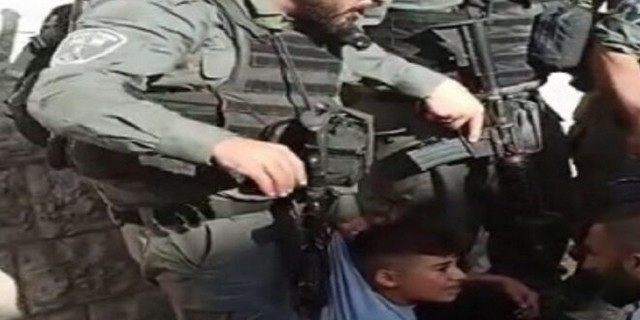
Your sisters and brothers in Palestine implore you to resist the State of Israel’s impending eviction of 15 families from their homes in the Israeli occupied territory of East Jerusalem. Israeli courts have ruled in favor of lawsuits undertaken by settler organizations to remove these families—yet another instance of Israel’s illegal policy of forced transfer. Evictions are scheduled to take place on Sunday, May 2, which happens to coincide with the Greek Orthodox celebration of Easter.

Most of these families, totaling 37 households of around 195 Palestinians, are refugees who in 1948 were forcibly transferred from their homes during the 1948 Nakba (catastrophe). They reside now in the Karm AlJa’ouni area of the Sheikh Jarrah neighborhood and the Batn Al-Hawa neighborhood in Silwan.

We don’t understand the reluctance of many leaders in the global church to use the words apartheid and ethnic cleansing to describe the laws and practices of the State of Israel in relation to its Palestinians citizens and the nearly 5.2 million Muslims and Christians in the West Bank, Gaza and East Jerusalem. We reject their hesitancy to condemn the political program of Zionism, fearing the charge of antisemitism. Many Jews and Jewish organizations—both in Israel and around the world—have led in exposing the reality of Israel’s apartheid regime and decried its impunity on the international stage.1

Daily we experience the restrictions, the dehumanization, the brutality and loss of life resulting from these apartheid laws and policies. Daily we suffer the abuses of Zionism, which as practiced in Israel and Palestine clearly favors the rights of one people, one ethnicity, over another.

On one hand, Israel supports its settler groups taking back their alleged properties by force, while refusing any Palestinian lawful claims to their original properties in West Jerusalem where they were forced out during the 1948.

Kairos Palestine, the most extensive Palestinian Christian ecumenical non- violent movement, is based on Kairos Palestine document: A Moment of Truth, launched in 2009, affirming that the Palestinian Christians are part and parcel of the Palestinian nation, calling for peace to end all suffering in the Holy Land by laboring for justice, hope and love, embraced by the Christian community, signed by all historically recognized Palestinian Christian organizations, and endorsed by the Heads of Churches in Jerusalem.

Surely you understand our disappointment – bordering on despair- that the global church has not more fully embraced our many urgent calls for concrete and practical acts to end the occupation, the latest being our 2020 Cry for Hope: A Call to Decisive Action. Still, we place our hope in your solidarity.

What are we imploring you to do?

Regarding the impending May 2 evictions—and the hundreds more expected in the neighborhood of Batan al-Hawa in East Jerusalem’s Silwan – Kairos calls on its networks to write to their governments, insisting that they intervene to stop this action on the basis of human dignity and international law. Source

The Nakba of Sheikh Jarrah: How Israel Uses ‘the Law’ to Ethnically Cleanse East Jerusalem (Excerpts from an article by Ramzy Baroud*)

A Palestinian man, Atef Yousef Hanaysha, was killed by Israeli occupation forces on March 19 during a weekly protest against illegal Israeli settlement expansion in Beit Dajan, near Nablus, in the northern West Bank. Although tragic, the above news reads like a routine item from occupied Palestine, where shooting and killing unarmed protesters is part of the daily reality. However, this is not true. Since right-wing Israeli Prime Minister, Benjamin Netanyahu, announced, in September 2019, his intentions to formally and illegally annex nearly a third of the occupied Palestinian West Bank, tensions have remained high….

In occupied East Jerusalem and the West Bank, a massive battle is already underway. On one side, Israeli soldiers, army bulldozers and illegal armed Jewish settlers are carrying out daily missions of evicting Palestinian families, displacing farmers, burning orchards, demolishing homes and confiscating land. On the other side, Palestinian civilians, often disorganized, unprotected and leaderless, are fighting back… On March 10, fourteen Palestinian and Arab organizations issued a ‘joint urgent appeal to the United Nations Special Procedures on forced evictions in East Jerusalem’ to stop the Israeli evictions in the area. Successive decisions by Israeli courts have paved the way for the Israeli army and police to evict 15 Palestinian families – 37 households of around 195 people – in the Karm Al-Ja’ouni area in Sheikh Jarrah and Batn Al-Hawa neighborhood in the town of Silwan.

These imminent evictions are not the first, nor will they be the last. Israel occupied Palestinian East Jerusalem in June 1967 and formally, though illegally, annexed it in 1980. Since then, the Israeli government has vehemently rejected international criticism of the Israeli occupation, dubbing, instead, Jerusalem as the “eternal and undivided capital of Israel”. To ensure its annexation of the city is irreversible, the Israeli government approved the Master Plan 2000, a massive scheme that was undertaken by Israel to rearrange the boundaries of the city in such a way that it would ensure permanent demographic majority for Israeli Jews at the expense of the city’s native inhabitants…

While news headlines occasionally present the habitual evictions of Palestinian families in Sheikh Jarrah, Silwan and other parts of East Jerusalem as if a matter that involves counterclaims by Palestinian residents and Jewish settlers, the story is, in fact, a wider representation of Palestine’s modern history. Indeed, the innocent families which are now facing “the imminent risk of forced eviction” are re-living their ancestral nightmare of the Nakba – the ethnic cleansing of historic Palestine in 1948.

Two years after the native inhabitants of historic Palestine were dispossessed of their homes and lands and ethnically cleansed altogether, Israel enacted the so-called Absentees’ Property Law of 1950. The law, which, of course, has no legal or moral validity, simply granted the properties of Palestinians who were evicted or fled the war to the State, to do with it as it pleases. Since those ‘absentee’ Palestinians were not allowed to exercise their right of return, as stipulated by international law, the Israeli law was a state-sanctioned wholesale theft. It ultimately aimed at achieving two objectives: one, to ensure Palestinian refugees do not return or attempt to claim their stolen properties in Palestine and, two, to give Israel a legal cover for permanently confiscating Palestinian lands and homes.

The Israeli military occupation of the remainder of historic Palestine in 1967 necessitated, from an Israeli colonial perspective, the creation of fresh laws that would allow the State and the illegal settlement enterprise to claim yet more Palestinian properties. This took place in 1970 in the form of the Legal and Administrative Matters Law. According to the new legal framework, only Israeli Jews were allowed to claim lost land and property in Palestinian areas. Much of the evictions in East Jerusalem take place within the context of these three interconnected and strange legal arguments: the Absentees’ Law, the Legal and Administrative Matters Law and the Master Plan 2000. Understood together, one is easily able to decipher the nature of the Israeli colonial scheme in East Jerusalem, where Israeli individuals, in coordination with settler organizations, work together to fulfill the vision of the State.

Palestinian human rights organizations describe the flow of how eviction orders, issued by Israeli courts, culminate into the construction of illegal Jewish settlements. Confiscated Palestinian properties are usually transferred to a branch within the Israeli Ministry of Justice called the Israeli Custodian General. The latter holds on to these properties until they are claimed by Israeli Jews, in accordance with the 1970 Law. The Israeli State claims to play an impartial role in this scheme, it is actually the facilitator of the entire process. While the above picture can be dismissed by some as another routine, common occurrence, the situation in the occupied West Bank and East Jerusalem has become extremely volatile. Palestinians feel that they have nothing more to lose and Netanyahu’s government is more emboldened than ever. The killing of Atef Hanaysha, and others like him, is only the beginning of that imminent, widespread confrontation. Source

27 March 2021

Source: palestineupdates.com


Junta Kills Over 100 in Myanmar

By Kenny Stancil

While Myanmar’s military celebrated Armed Forces Day on Saturday with a parade through the capital, the ruling junta’s security forces killed more than 100 people elsewhere throughout the country in the deadliest crackdown on peaceful pro-democracy protesters since last month’s coup.

According to Myanmar Now, soldiers and police had killed at least 114 people, including children, nationwide as of 9:30 pm on Saturday in Myanmar.

“The military celebrated Armed Forces Day by committing mass murder against the people it should be defending,” said Tom Andrews, the United Nations special rapporteur on the situation of human rights in Myanmar. “The Civil Disobedience Movement is responding with powerful weapons of peace.”

“It’s past time,” Andrews added, “for the world to respond in kind with and for the people of Myanmar.”

Saturday’s brutal massacre, which came just one day after a regional human rights group reported that the total death toll since the military regime seized power on February 1 had climbed to 328, was widely condemned by diplomats around the world.

“This bloodshed is horrifying,” said U.S. Ambassador Thomas Vajda. “Myanmar’s people have spoken clearly: they do not want to live under military rule.”

The European Union’s delegation to Myanmar tweeted: “This 76th Myanmar Armed Forces Day will stay engraved as a day of terror and dishonor. The killing of unarmed civilians, including children, are indefensible acts.”

This 76th Myanmar armed forces day will stay engraved as a day of terror and dishonour. The killing of unarmed civilians, including children, are indefensible acts. The EU stands by the people of Myanmar and calls for an immediate end of violence and the restoration of democracy.

— EUMyanmar (@EUMyanmar) March 27, 2021

British foreign secretary Dominic Raab said that “today’s killing of unarmed civilians, including children, marks a new low. We will work with our international partners to end this senseless violence, hold those responsible to account, and secure a path back to democracy.”

In a statement issued Thursday, Andrews had warned that “conditions in Myanmar are deteriorating, but they will likely get much worse without an immediate robust, international response in support of those under siege.”

“It is imperative that the international community heed the recent call of U.N. Secretary-General António Guterres for a ‘firm, unified international response,’” Andrews said. “To date, however, the limited sanctions imposed by member states do not cut the junta’s access to revenue that help sustain its illegal activities, and the slow pace of diplomacy is out of step with the scale of the crisis.”

Andrews noted that “the incremental approach to sanctions has left the most lucrative business assets of the junta unscathed. It needs to be replaced by robust action that includes a diplomatic offensive designed to meet the moment.”

“Without a focused, diplomatic solution, including the hosting of an emergency summit that brings together Myanmar’s neighbors and those countries with great influence in the region, I fear the situation of human rights in Myanmar will further deteriorate as the junta increases the rate of murders, enforced disappearances, and torture,” he said.

Andrews’ fears were realized Saturday as the military escalated its use of lethal violence against anti-coup demonstrators and other civilians.

“They are killing us like birds or chickens, even in our homes,” resident Thu Ya Zaw told Reuters in the central town of Myingyan. “We will keep protesting regardless… We must fight until the junta falls.”

The resolve of pro-democracy protesters is evident. According to Al Jazeera, citizens defied a “military warning that they could be shot ‘in the head and back’” in order to take to “the streets of Yangon, Mandalay and other towns.”

Kyaw Win, the director of the Burma Human Rights Network in the United Kingdom, told BBC News that the military had shown it had “no limits, no principles.”

“It’s a massacre, it’s not a crackdown anymore,” Win added.

In his statement released prior to Saturday’s wholesale killing, Andrews emphasized that “it is critical that the people of Myanmar… the duly elected illegally deposed parliamentarians who make up the Committee Representing Pyidaungsu Hluttaw, and opposition leaders and activists see that the international community is working towards a diplomatic solution in support of the peaceful Civil Disobedience Movement.”

“This combined course of action—domestic peaceful resistance, sustained pressure, and international diplomatic momentum—will have a greater chance for success than taking up arms,” Andrews continued, “and will save untold numbers of lives.”

“Member states have an opportunity to demonstrate this alternative, but the window in which this can be achieved is closing rapidly,” he said, adding: “I fear that the international community has only a short time remaining to act.”

That warning has become even more urgent since it was first shared.

Originally published in Common Dreams

28 March 2021

Source: countercurrents.org

By Putting Big Pharma’s Patents before Patients, Doctors Will Further Erode Trust in Experts

By Jonathan Cook

22 Feb 2021 – I have spent the past several years on this blog trying to highlight one thing above all others: that the institutions we were raised to regard as authoritative are undeserving of our blind trust.

It is not just that expert institutions have been captured wholesale by corporate elites over the past 40 years and that, as a result, knowledge, experience and expertise have been sidelined in favour of elite interests – though that is undoubtedly true. The problem runs deeper: these institutions were rarely as competent or as authoritative as we fondly remember them being. They always served elite interests.

What has changed most are our perceptions of institutions that were once beloved or trusted. It is we who have changed more than the institutions. That is because we now have far more sources – good and bad alike – than ever before against which we can judge the assertions of those who claim to speak with authority.

Hanging out together

Here is a personal example. When I started work as an editor at the foreign section of the Guardian newspaper in the early 1990s, there were few ways, from the paper’s London head office, to independently evaluate or scrutinise the presentation of events by any of our correspondents in their far-flung bureaus. All we could do was compare the copy they sent with that from other correspondents, either published in rival newspapers or available from two or three English-language wire services.

Even that safeguard is far less meaningful than it might sound to an outsider.

The correspondents for these various publications – whether based in Bangkok, Amman, Moscow, Havana or Washington – are a small group. Inevitably they each bring to their work a narrow range of mostly unconscious but almost identical biases. They hang out together – like any other expat community – in the same bars, clubs and restaurants. Their children attend the same international schools, and their families socialise together at the weekends.

Similar pasts

Correspondents from these various newspapers also have similar backgrounds. They have received much the same privileged education, at private or grammar schools followed by Oxford or Cambridge, and as a result share largely the same set of values. They have followed almost identical career paths, and their reports are written chiefly to impress their editors and each other. They are appointed by a foreign editor who served a decade or two earlier in one of the same bureaus they now head, and he (for invariably it is a he) selected them because they reminded him of himself at their age.

The “local sources” quoted by these correspondents are drawn from the same small pool of local politicians, academics and policymakers – people the correspondents have agreed are the most authoritative and in a position to speak on behalf of the rest of the local population.

Nowhere in this chain of news selection, gathering, editing and production are there likely to be voices questioning or challenging the correspondents’ shared view of what constitutes “news”, or their shared interpretation and presentation of that news.

Working in the guild

This is not the news business as journalists themselves like to present it. They are not fearless, lone-wolf reporters pursuing exclusives and digging up dirt on the rich and powerful. They comprise something more akin to the guilds of old. Journalists are trained to see the world and write about it in near-identical terms.

The only reason the media “guild” looks far less credible than it did 20 or 30 years ago is because now we can often cut out the middleman – the correspondent himself. We can watch videos on Youtube of local events as they occur, or soon afterwards. We can hear directly from members of the local population who would never be given a platform in corporate media. We can read accounts from different types of journalists, including informed local ones, who would never be allowed to write for a corporate news outlet because they are not drawn from the narrow, carefully selected and trained group known as “foreign correspondents”.

My latest: A short video of settlers disrupting a family picnic may be the best field guide yet to Israel’s complex apartheid system of state-sponsored Jewish supremacy https://t.co/5RqMrNbgwy

— Jonathan Cook (@Jonathan_K_Cook) February 17, 2021

A partial picture

In this regard, let us consider my own area of specialist interest: Israel and Palestine. Jewish settlers in the West Bank have been beating up and shooting at Palestinian farmers trying to work their land or harvest their olives for more than half a century. It is one of the main practical means by which the settlers implement an ethnic cleansing policy designed to drive Palestinians off their farmland.

The settlers have thereby expanded their “municipal jurisdictions” to cover more than 40 per cent of the West Bank, territory under Israeli occupation that was supposed to form the backbone of any future Palestinian state. This settler violence is part of the reason why Palestinian statehood looks impossible today.

But until a decade or so ago – when phone cameras meant that recorded visual evidence became commonplace and irrefutable – you would rarely have had a way to know about those attacks. Correspondents in Jerusalem had decided on your behalf that you did not need to know.

Maybe the correspondents refused to believe the accounts of Palestinians or preferred the explanations from Israeli officials that these were just anti-Israel lies motivated by antisemitism. Or maybe the correspondents thought these attacks were not important enough, or that without corroboration they themselves risked being accused of antisemitism.

Whatever the reason, the fact is they did not tell their readers. This absence of information meant, in turn, that when Palestinians retaliated – in acts that were much more likely to be reported by correspondents – it looked to readers back home as if Palestinian violence was unprovoked and irrational. Western coverage invariably bolstered racist stereotypes suggesting that Palestinians were innately violent or antisemitic, and that Israelis, even violent settlers, were always victims.

Unreliable experts

This problem is far from unique to journalism. There are similar issues with any of the professions – or guilds – that comprise and service today’s corporate establishment, whether it is the judiciary, politicians, the military, academics or non-profits. Those supposedly holding the establishment to account are usually deeply invested, whether it be financially or emotionally, in the establishment’s survival – either because they are part of that establishment or because they benefit from it.

And because these self-selecting “guilds” have long served as the public’s eyes and ears when we try to understand, assess and hold to account the corporate elites that rule over us, we necessarily have access only to partial, self-justifying, establishment-reinforcing information. As a result, we are likely to draw faulty conclusions about both the establishment itself and the guilds that prop up the establishment.

Very belatedly, we have come to understand how unreliable these experts – these guilds – are only because they no longer enjoy an exclusive right to narrate to us the world we inhabit. The backlash, of course, has not been long in coming. Using the pretext of “fake news”, these institutions are pushing back vigorously to shut down our access to different kinds of narration.

Plague of deficiency

All this is by way of a very long introduction to a follow-up post on an article I wrote last week about the failure of doctors to press governments to finance proper, large-scale studies on the treatment of hospitalised Covid patients with Vitamin D – an important immunological hormone created by sunlight on our skin.

The role of Vitamin D on our general wellbeing and health has come under increasing scrutiny over the past two decades after it was discovered that it is the only vitamin for which there is a receptor in every cell in our body.

Long before Covid, researchers had begun to understand that Vitamin D’s role in regulating our immune systems was chronically under-appreciated by most doctors. The medical profession was stuck in a paradigm from the 1950s in which Vitamin D’s use related chiefly to bone health. As a consequence, today’s recommended daily allowances – usually between 400IU and 800IU – were established long ago in accordance with the minimum needed for healthy bones rather than the maximum needed for a healthy immune system.

Today we know that many people in northern latitudes, especially the elderly, are deficient or severely deficient in Vitamin D, even those taking government-approved, low-level supplements. In fact, it would be true to say there is a global plague of Vitamin D deficiency, even in many sunny countries where people have lost the habit of spending time outdoors or shield themselves from the sun.

Jonathan Cook is an award-winning British journalist based in Nazareth, Israel, since 2001.

8 March 2021

Source: www.transcend.org
US Hypersonic Missiles in Europe Five Minutes from Moscow

By Manlio Dinucci

All Global Research articles can be read in 27 languages by activating the “Translate Website” drop down menu on the top banner of our home page (Desktop version).

***

About six years ago, when we titled “Are the missiles returning to Comiso?” in il Manifesto (June 9, 2015), our hypothesis that the US wanted to bring their nuclear missiles back to Europe was ignored by the entire political-media arc. Subsequent events have shown that the alarm, unfortunately, was well founded. Now, for the first time, we have the official confirmation.

A few days ago, on March 11, one of the top US military authorities, General James C. McConville, Chief of Staff of the United States Army confirmed it. Not in an interview with CNN, but during a speech at an experts’ meeting at the George Washington School of Media and Public Affairs – here we have the official transcript General McConville not only reported that the US Army is preparing to deploy, evidently aimed at Russia, new missiles in Europe, but revealed that they will be hypersonic missiles, an extremely dangerous new weapon system.

This decision creates a very high-risk situation, similar or worse than that one Europe experienced during the Cold War, as front line of the nuclear confrontation between the US and the USSR.

Hypersonic missiles – their speed is 5 times faster than that of sound (Mach 5), that is more than 6,000 km / h – constitute a new weapon system with a nuclear attack capacity superior to that of ballistic missiles. While these follow an arc trajectory for the most part above the atmosphere, the hypersonic missiles instead follow a low altitude trajectory in the atmosphere directly towards the target, which they reach in less time by penetrating the enemy defenses.

In his speech at the George Washington School of Media and Public Affairs, General McConville revealed that the US Army is preparing a “task force” with “a long-range precision fires capability that can range anywhere from hypersonic missiles to mid-range capability, to precision strike missiles and these systems have the ability to penetrate an Anti-Access Aerial Denial environment”. The General stated that “ We see the future of that being in the Pacific, probably two in the Pacific ” (evidently directed against China); we see one in Europe (evidently directed against Russia); and we’re building them as we speak”.

In an official statement DARPA informed to have commissioned Lockheed Martin to manufacture “a ground-launched intermediate-range hypersonic weapons system”, that is, missiles with a range between 500 and 5500 km belonging to the category that was prohibited by the Treaty on Intermediate Nuclear Forces signed in 1987 by President Gorbachev and President Reagan; the treaty was torn apart by President Trump in 2019. According to the technical specifications provided by DARPA, itt will be “a novel system enabling hypersonic boost glide weapons to rapidly and precisely engage critical, time-sensitive targets while penetrating modern enemy air defenses. The program is developing an advanced booster capable of delivering a variety of payloads at multiple ranges and compatible mobile ground launch platforms that can be rapidly deployed”.

The Army Chief of Staff and the Pentagon Research Agency therefore informed that the United States will soon deploy hypersonic missiles, armed with “ a variety of payloads” (that is, nuclear and conventional warheads), in Europe (there are rumors of a probable first base in Poland or Romania). Intermediate-range nuclear hypersonic missiles installed on “ mobile ground launch platforms “, that is, on special vehicles, could be rapidly deployed in the NATO countries closest to Russia (for example the Baltic Republics). Having already the ability to fly at around 10,000 km/h, the hypersonic missiles will be able to reach Moscow in around 5 minutes.

Russia is also building hypersonic intermediate-range missiles but, by launching them from its own territory, it cannot hit Washington. However, the Russian hypersonic missiles will be able to reach US bases in a few minutes, first of all nuclear ones such as Ghedi and Aviano bases, and other targets in Europe. Russia, like the United States and other nations, is deploying new inter-continental missiles: the Avangard is a hypersonic vehicle with a range of 11,000 km and armed with multiple nuclear warheads which, after a ballistic trajectory, glides over 6,000 km at speed almost 25,000 km/h. Hypersonic missiles are also being built by China. Since hypersonic missiles are guided by satellite systems, the confrontation is increasingly taking place in space: for this purpose, the US Space Force was created in 2019 by the Trump Administration.

Air and Naval Forces, that have greater mobility, are also equipped with hypersonic weapons. These weapons open a new phase of the nuclear arms race, making the New Start Treaty, just renewed by the US and Russia, largely outdated. This race passes more and more from the quantitative level (number and power of nuclear warheads) to the qualitative level (speed, penetrating capacity and geographical location of the the nuclear delivery vehicles). In the event of an attack or presumed attack, the response is increasingly entrusted to artificial intelligence, which must decide the nuclear missiles’ launch in a few seconds or fractions of a second. It exponentially increases the possibility of a nuclear war by mistake, a risk that occurred several times during the Cold War. “Doctor Strangelove” will not be a mad general, but a supercomputer gone mad. Lacking the human intelligence to stop this mad rush to catastrophe, the survival instinct should at least be triggered, so far only awakened by Covid-19.

*

Note to readers: please click the share buttons above or below. Forward this article to your email lists. Crosspost on your blog site, internet forums. etc.

This article was originally published in Italian on Il Manifesto.

Manlio Dinucci is a Research Associate of the Centre for Research on Globalization.

24 March 2021

Source: www.globalresearch.ca

Washington’s Delusion of Endless World Dominion

By Alfred W McCoy

Empires live and die by their illusions. Visions of empowerment can inspire nations to scale the heights of global hegemony. Similarly, however, illusions of omnipotence can send fading empires crashing into oblivion. So it was with Great Britain in the 1950s and so it may be with the United States today.

By 1956, Britain had exploited its global empire shamelessly for a decade in an effort to lift its domestic economy out of the rubble of World War II. It was looking forward to doing so for many decades to come. Then an obscure Egyptian army colonel named Gamal Abdel Nasser seized the Suez Canal and Britain’s establishment erupted in a paroxysm of racist outrage. The prime minister of the day, Sir Antony Eden, forged an alliance with France and Israel to send six aircraft carriers to the Suez area, smash Egypt’s tank force in the Sinai desert, and sweep its air force from the skies.

But Nasser grasped the deeper geopolitics of empire in a way that British leaders had long forgotten. The Suez Canal was the strategic hinge that tied Britain to its Asian empire — to British Petroleum’s oil fields in the Persian Gulf and the sea lanes to Singapore and beyond. So, in a geopolitical masterstroke, he simply filled a few rusting freighters with rocks and sank them at the entrance to the canal, snapping that hinge in a single gesture. After Eden was forced to withdraw British forces in a humiliating defeat, the once-mighty British pound trembled at the precipice of collapse and, overnight, the sense of imperial power in England seemed to vanish like a desert mirage.

Two Decades of Delusions

In a similar manner, Washington’s hubris is finding its nemesis in China’s President Xi Jinping and his grand strategy for uniting Eurasia into the world’s largest economic bloc. For two decades, as China climbed, step by step, toward global eminence, Washington’s inside-the-Beltway power elite was blinded by its overarching dreams of eternal military omnipotence. In the process, from Bill Clinton’s administration to Joe Biden’s, Washington’s China policy has morphed from illusion directly into a state of bipartisan delusion.

Back in 2000, the Clinton administration believed that, if admitted to the World Trade Organization, Beijing would play the global game strictly by Washington’s rules. When China started playing imperial hardball instead — stealing patents, forcing companies to turn over trade secrets, and manipulating its currency to increase its exports — the elite journal Foreign Affairs tut-tutted that such charges had “little merit,” urging Washington to avoid “an all-out trade war” by learning to “respect difference and look for common ground.”

Within just three years, a flood of exports produced by China’s low-wage workforce, drawn from 20% of the world’s population, began shutting down factories across America. The AFL-CIO labor confederation then started accusing Beijing of illegally “dumping” its goods in the U.S. at below-market prices. The administration of George W. Bush, however, dismissed the charges for lack of “conclusive evidence,” allowing Beijing’s export juggernaut to grind on unimpeded.

For the most part, the Bush-Cheney White House simply ignored China, instead invading Iraq in 2003, launching a strategy that was supposed to give the U.S. lasting dominion over the Middle East’s vast oil reserves. By the time Washington withdrew from Baghdad in 2011, having wasted up to $5.4 trillion on the misbegotten invasion and occupation of that country, fracking had left America on the edge of energy independence, while oil was joining cordwood and coal as a fuel whose days were numbered, potentially rendering the future Middle East geopolitically irrelevant.

While Washington had been pouring blood and treasure into desert sands, Beijing was making itself into the world’s workshop. It had amassed $4 trillion in foreign exchange, which it began investing in an ambitious scheme it called the Belt and Road Initiative to unify Eurasia via history’s largest set of infrastructure projects. Hoping to counter that move with a bold geopolitical gambit, President Barack Obama tried to check China with a new strategy that he called a “pivot to Asia.” It was to entail a global military shift of U.S. forces to the Pacific and a drawing of Eurasia’s commerce toward America through a new set of trade pacts. The scheme, brilliant in the abstract, soon crashed head-first into some harsh realities. As a start, extricating the U.S. military from the mess it had made in the Greater Middle East proved far harder than imagined. Meanwhile, getting big global trade treaties approved as anti-globalization populism surged across America — fueled by factory closures and stagnant wages — turned out, in the end, to be impossible.

Even President Obama underestimated the seriousness of China’s sustained challenge to this country’s global power. “Across the ideological spectrum, we in the U.S. foreign policy community,” two senior Obama officials would later write, “shared the underlying belief that U.S. power and hegemony could readily mold China to the United States’ liking… All sides of the policy debate erred.”

Breaking with the Beltway consensus about China, Donald Trump would spend two years of his presidency fighting a trade war, thinking he could use America’s economic power — in the end, just a few tariffs — to bring Beijing to its knees. Despite his administration’s incredibly erratic foreign policy, its recognition of China’s challenge would prove surprisingly consistent. Trump’s former national security adviser H.R. McMaster would, for instance, observe that Washington had empowered “a nation whose leaders were determined not only to displace the United States in Asia, but also to promote a rival economic and governance model globally.” Similarly, Trump’s State Department warned that Beijing harbored “hegemonic ambitions” aimed at “displacing the United States as the world’s foremost power.”

In the end, however, Trump would capitulate. By January 2020, his trade war would have devastated this country’s agricultural exports, while inflicting heavy losses on its commercial supply chain, forcing the White House to rescind some of those punitive tariffs in exchange for Beijing’s unenforceable promises to purchase more American goods. Despite a celebratory White House signing ceremony, that deal represented little more than a surrender.

Joe Biden’s Imperial Illusions

Even now, after these 20 years of bipartisan failure, Washington’s imperial illusions persist. The Biden administration and its inside-the-Beltway foreign-policy experts seem to think that China is a problem like Covid-19 that can be managed simply by being the un-Trump. Last December, a pair of professors writing in the establishment journal Foreign Affairs typically opined that “America may one day look back on China the way they now view the Soviet Union,” that is, “as a dangerous rival whose evident strengths concealed stagnation and vulnerability.”

Sure, China might be surpassing this country in multiple economic metrics and building up its military power, said Ryan Hass, the former China director in Obama’s National Security Council, but it is not 10 feet tall. China’s population, he pointed out, is aging, its debt ballooning, and its politics “increasingly sclerotic.” In the event of conflict, China is geopolitically “vulnerable when it comes to food and energy security,” since its navy is unable to prevent it “from being cut off from vital supplies.”

In the months before the 2020 presidential election, a former official in Obama’s State Department, Jake Sullivan, began auditioning for appointment as Biden’s national security adviser by staking out a similar position. In Foreign Affairs, he argued that China might be “more formidable economically… than the Soviet Union ever was,” but Washington could still achieve “a steady state of… coexistence on terms favorable to U.S. interests and values.” Although China was clearly trying “to establish itself as the world’s leading power,” he added, America “still has the ability to more than hold its own in that competition,” just as long as it avoids Trump’s “trajectory of self-sabotage.”

As expected from such a skilled courtier, Sullivan’s views coincided carefully with those of his future boss, Joe Biden. In his main foreign policy manifesto for the 2020 presidential campaign, candidate Biden argued that “to win the competition for the future against China,” the U.S. had to “sharpen its innovative edge and unite the economic might of democracies around the world.”

All these men are veteran foreign policy professionals with a wealth of international experience. Yet they seem oblivious to the geopolitical foundations for global power that Xi Jinping, like Nasser before him, seemed to grasp so intuitively. Like the British establishment of the 1950s, these American leaders have been on top of the world for so long that they’ve forgotten how they got there.

In the aftermath of World War II, America’s Cold War leaders had a clear understanding that their global power, like Britain’s before it, would depend on control over Eurasia. For the previous 400 years, every would-be global hegemon had struggled to dominate that vast land mass. In the sixteenth century, Portugal had dotted continental coastlines with 50 fortified ports (feitorias) stretching from Lisbon to the Straits of Malacca (which connect the Indian Ocean to the Pacific), just as, in the late nineteenth century, Great Britain would rule the waves through naval bastions that stretched from Scapa Flow, Scotland, to Singapore.

While Portugal’s strategy, as recorded in royal decrees, was focused on controlling maritime choke points, Britain benefitted from the systematic study of geopolitics by the geographer Sir Halford Mackinder, who argued that the key to global power was control over Eurasia and, more broadly, a tri-continental “world island” comprised of Asia, Europe, and Africa. As strong as those empires were in their day, no imperial power fully perfected its global reach by capturing both axial ends of Eurasia — until America came on the scene.

The Cold War Struggle for Control over Eurasia

During its first decade as the globe’s great hegemon at the close of World War II, Washington quite self-consciously set out to build an apparatus of awesome military power that would allow it to dominate the sprawling Eurasian land mass. With each passing decade, layer upon layer of weaponry and an ever-growing network of military bastions were combined to “contain” communism behind a 5,000-mile Iron Curtain that arched across Eurasia, from the Berlin Wall to the Demilitarized Zone near Seoul, South Korea.

Through its post-World War II occupation of the defeated Axis powers, Germany and Japan, Washington seized military bases, large and small, at both ends of Eurasia. In Japan, for example, its military would occupy approximately 100 installations from Misawa air base in the far north to Sasebo naval base in the south.

Soon after, as Washington reeled from the twin shocks of a communist victory in China and the start of the Korean war in June 1950, the National Security Council adopted NSC-68, a memorandum making it clear that control of Eurasia would be the key to its global power struggle against communism. “Soviet efforts are now directed toward the domination of the Eurasian land mass,” read that foundational document. The U.S., it insisted, must expand its military yet again “to deter, if possible, Soviet expansion, and to defeat, if necessary, aggressive Soviet or Soviet-directed actions.”

As the Pentagon’s budget quadrupled from $13.5 billion to $48.2 billion in the early 1950s in pursuit of that strategic mission, Washington quickly built a chain of 500 military installations ringing that landmass, from the massive Ramstein air base in West Germany to vast, sprawling naval bases at Subic Bay in the Philippines and Yokosuka, Japan.

Such bases were the visible manifestation of a chain of mutual defense pacts organized across the breadth of Eurasia, from the North Atlantic Treaty Organization (NATO) in Europe to a security treaty, ANZUS, involving Australia, New Zealand, and the U.S. in the South Pacific. Along the strategic island chain facing Asia known as the Pacific littoral, Washington quickly cemented its position through bilateral defense pacts with Japan, South Korea, the Philippines, and Australia.

Along the Iron Curtain running through the heart of Europe, 25 active-duty NATO divisions faced 150 Soviet-led Warsaw Pact divisions, both backed by armadas of artillery, tanks, strategic bombers, and nuclear-armed missiles. To patrol the Eurasian continent’s sprawling coastline, Washington mobilized massive naval armadas stiffened by nuclear-armed submarines and aircraft carriers — the 6th Fleet in the Mediterranean and the massive 7th Fleet in the Indian Ocean and the Pacific.

For the next 40 years, Washington’s secret Cold War weapon, the Central Intelligence Agency, or CIA, fought its largest and longest covert wars around the rim of Eurasia. Probing relentlessly for vulnerabilities of any sort in the Sino-Soviet bloc, the CIA mounted a series of small invasions of Tibet and southwest China in the early 1950s; fought a secret war in Laos, mobilizing a 30,000-strong militia of local Hmong villagers during the 1960s; and launched a massive, multibillion dollar covert war against the Red Army in Afghanistan in the 1980s.

During those same four decades, America’s only hot wars were similarly fought at the edge of Eurasia, seeking to contain the expansion of Communist China. On the Korean Peninsula from 1950 to 1953, almost 40,000 Americans (and untold numbers of Koreans) died in Washington’s effort to block the advance of North Korean and Chinese forces across the 38th parallel. In Southeast Asia from 1962 to 1975, some 58,000 American troops (and millions of Vietnamese, Laotians, and Cambodians) died in an unsuccessful attempt to stop the expansion of communists south of the 17th parallel that divided North and South Vietnam.

By the time the Soviet Union imploded in 1990 (just as China was turning into a Communist Party-run capitalist power), the U.S. military had become a global behemoth standing astride the Eurasian continent with more than 700 overseas bases, an air force of 1,763 jet fighters, more than 1,000 ballistic missiles, and a navy of nearly 600 ships, including 15 nuclear carrier battle groups — all linked together by a global system of satellites for communication, navigation, and espionage.

Despite its name, the Global War on Terror after 2001 was actually fought, like the Cold War before it, at the edge of Eurasia. Apart from the invasions of Afghanistan and Iraq, the Air Force and CIA had, within a decade, ringed the southern rim of that landmass with a network of 60 bases for its growing arsenal of Reaper and Predator drones, stretching all the way from the Sigonella Naval Air Station in Sicily to Andersen Air Force Base on the island of Guam. And yet, in that series of failed, never-ending conflicts, the old military formula for “containing,” constraining, and dominating Eurasia was visibly failing. The Global War on Terror proved, in some sense, a long-drawn-out version of Britain’s imperial Suez disaster.

China’s Eurasian Strategy

After all that, it seems remarkable that Washington’s current generation of foreign policy leaders, like Britain’s in the 1950s, is so blindingly oblivious to the geopolitics of empire — in this case, to Beijing’s largely economic bid for global power on that same “world island” (Eurasia plus an adjoining Africa).

It’s not as if China has been hiding some secret strategy. In a 2013 speech at Kazakhstan’s Nazarbayev University, President Xi typically urged the peoples of Central Asia to join with his country to “forge closer economic ties, deepen cooperation, and expand development space in the Eurasian region.” Through trade and infrastructure “connecting the Pacific and the Baltic Sea,” this vast landmass inhabited by close to three billion people could, he said, become “the biggest market in the world with unparalleled potential.”

This development scheme, soon to be dubbed the Belt and Road Initiative, would become a massive effort to economically integrate that “world island” of Africa, Asia, and Europe by investing well more than a trillion dollars — a sum 10 times larger than the famed U.S. Marshall plan that rebuilt a ravaged Europe after World War II. Beijing also established the Asian Infrastructure Investment Bank with an impressive $100 billion in capital and 103 member nations. More recently, China has formed the world’s largest trade bloc with 14 Asia-Pacific partners and, over Washington’s strenuous objections, signed an ambitious financial services agreement with the European Union.

Such investments, almost none of a military nature, quickly fostered the formation of a transcontinental grid of railroads and gas pipelines extending from East Asia to Europe, the Pacific to the Atlantic, all linked to Beijing. In a striking parallel with that sixteenth century chain of 50 fortified Portuguese ports, Beijing has also acquired special access through loans and leases to more than 40 seaports encompassing its own latter-day “world island” — from the Straits of Malacca, across the Indian Ocean, around Africa, and along Europe’s extended coastline from Piraeus, Greece, to Zeebrugge, Belgium.

With its growing wealth, China also built a blue-water navy that, by 2020, already had 360 warships, backed by land-based missiles, jet fighters, and the planet’s second global system of military satellites. That growing force was meant to be the tip of China’s spear aimed at puncturing Washington’s encirclement of Asia. To cut the chain of American installations along the Pacific littoral, Beijing has built eight military bases on tiny (often dredged) islands in the South China Sea and imposed an air defense zone over a portion of the East China Sea. It has also challenged the U.S. Navy’s long-standing dominion over the Indian Ocean by opening its first foreign base at Djibouti in East Africa and building modern ports at Gwadar, Pakistan, and Hambantota, Sri Lanka, with potential military applications.

By now, the inherent strength of Beijing’s geopolitical strategy should be obvious to Washington foreign policy experts, were their insights not clouded by imperial hubris. Ignoring the unbending geopolitics of global power, centered as always on Eurasia, those Washington insiders now coming to power in the Biden administration somehow imagine that there is still a fight to be fought, a competition to be waged, a race to be run. Yet, as with the British in the 1950s, that ship may well have sailed.

By grasping the geopolitical logic of unifying Eurasia’s vast landmass — home to 70% of the world’s population — through transcontinental infrastructures for commerce, energy, finance, and transport, Beijing has rendered Washington’s encircling armadas of aircraft and warships redundant, even irrelevant.

As Sir Halford Mackinder might have put it, had he lived to celebrate his 160th birthday last month, the U.S. dominated Eurasia and thereby the world for 70 years. Now, China is taking control of that strategic continent and global power will surely follow.

However, it will do so on anything but the recognizable planet of the last 400 years. Sooner or later, Washington will undoubtedly have to accept the unbending geopolitical reality that undergirds the latest shift in global power and adapt its foreign policy and fiscal priorities accordingly.

This current version of the Suez syndrome is, nonetheless, anything but the usual. Thanks to longterm imperial development based on fossil fuels, planet Earth itself is now changing in ways dangerous to any power, no matter how imperial or ascendant. So, sooner or later, both Washington and Beijing will have to recognize that we are now in a distinctly dangerous new world where, in the decades to come, without some kind of coordination and global cooperation to curtail climate change, old imperial truths of any sort are likely to be left in the attic of history in a house coming down around all our ears.

Follow TomDispatch on Twitter and join us on Facebook. Check out the newest Dispatch Books, John Feffer’s new dystopian novel Frostlands (the second in the Splinterlands series), Beverly Gologorsky’s novel Every Body Has a Story, and Tom Engelhardt’s A Nation Unmade by War, as well as Alfred McCoy’s In the Shadows of the American Century: The Rise and Decline of U.S. Global Power and John Dower’s The Violent American Century: War and Terror Since World War II.

Alfred W. McCoy, a TomDispatch regular, is the Harrington professor of history at the University of Wisconsin-Madison.

22 March 2021

Source: countercurrents.org

The welcome thaw in India-Pakistan relations is backed by Pakistan’s army too

By Countercurrents Collective

“A nation at peace and a region in harmony are thus essential prerequisites for attainment of national security in the true spirit. No national leaders of today can ignore these factors,” said Army chief Gen Bajwa, marking a significant iteration of Pakistan’s latest security policy.

“…, it is an almost universally acknowledged fact that the contemporary concept of national security is not only about protecting a country from internal and external threats but also providing conducive environment in which aspirations of human security, national progress and development could be realised.

“Surely, it is not solely a function of armed forces anymore…”

Pakistan’s Chief of Army Staff Gen Qamar Javed Bajwa said this in the keynote address he delivered, at the first-ever Islamabad Security Dialogue (ISD) on March 17-18. The Dialogue was inaugurated by Prime Minister Imran Khan. The ISD was organised by the National Security Division, together with five leading think-tanks of the country, the Centre for Aerospace and Security Studies, Islamabad Policy Research Institute, Institute of Strategic Studies, Institute of Regional Studies and National Defence University’s Institute of Strategic Studies, Research and Analysis. The broad composition indicates the united political will of the Pakistani state.

Reuters from Islamabad thus reported the event, March 18, 2021:

“Pakistan’s army chief called on arch rivals India and Pakistan to “bury the past” and move towards cooperation, an overture towards New Delhi that follows an unexpected joint ceasefire announcement last month between the two countries’ militaries…. The militaries of both countries released a rare joint statement on February 25 announcing a ceasefire along the disputed border in Kashmir, having exchanged fire hundreds of times in recent months….

“The United States immediately welcomed the move, and encouraged the two to “keep building on this progress”.

PTI reported: White House Press Secretary Jen Psaki had said on Feb 25 that the Biden administration remains “closely engaged with a range of leaders and officials in the region, including those in Pakistan.”

“This is a positive step towards greater peace and stability in South Asia which is in our shared interest and we encourage both countries to keep building upon this progress,” she said.

At a separate news conference, State Department spokesperson Ned Price said the administration had called on the parties to reduce tensions along the LoC by returning to the 2003 ceasefire agreement. “We have been very clear that we condemn the terrorists who seek to infiltrate across the Line of Control,” he said.

The USA sells peace as well as war as it suits from time to time. In the eyes of the merchants of death, peace is the time between two wars. And it indulges in trade war too, which calls for shifts in policy. For India and Pakistan, both dependent on USA, unfortunately this nudge from the super power was needed, fortunately this time for peace.

Notably those engaged in backchannel talks with India were also associated in the ISD. Further, on Kashmir, the General simply said : “It is time to bury the past and move forward. But for the resumption of the peace process or meaningful dialogue, our neighbour will have to create a conducive environment, particularly in Indian-Occupied Kashmir.”

Who has to take the initiative? “The burden was on India” said Bajwa. Nay, the onus is on Pakistan, said India. Notwithstanding this refrain, it shows the thaw on both sides.

*** ***

Further, it was really not so “unexpected joint ceasefire,” and it is based on political economy, as this report by indiatoday.in , March 19, 2021, indicates the chain of recent events:

“Bajwa said that “stable” Indo-Pak relations is a “key” to unlock the untapped potential of South and Central Asia by ensuring connectivity between East and West Asia…he also said that the potential of the region has “forever remained hostage to disputes and issues between two nuclear neighbours”.

“Calling the Kashmir dispute the “heart of this problem”, General Bajwa said, “It is important to understand that without the resolution of Kashmir dispute through peaceful means, the process of sub-continental rapprochement will always remain susceptible to derailment due to politically motivated bellicosity“…

“Our position is well known. India desires normal neighbourly relations with Pakistan in an environment free of terror, hostility and violence. The onus is on Pakistan for creating such an environment,” Anurag Srivastava, spokesperson at the Ministry of External Affairs (MEA), said during his weekly briefing on February 4.

“This came in the wake of General Bajwa’s earlier offer of peace, February 2, while speaking at the graduation ceremony at the Pakistan Air Force (PAF). He had said, “Pakistan and India must resolve the longstanding issue of Jammu and Kashmir in a dignified and peaceful manner as per the aspirations of people of Jammu and Kashmir.”

“India and Pakistan had announced on February 25 that they have agreed to strictly observe all agreements on ceasefire along the Line of Control (LoC) in Jammu and Kashmir and other sectors. The ceasefire continues to hold, which is a positive sign.

“India had last month said that it desires normal neighbourly relations with Pakistan in an environment free of terror, hostility and violence. India had said the onus is on Pakistan to create an environment free of terror and hostility.

“General Qamar Javed Bajwa stressed however that the burden was on India to create a “conducive environment”, and said Washington had a role to play in ending regional conflicts.

“Pakistan and India, both nuclear-armed countries, have fought three wars, and in 2019, tensions rose dramatically post the Pulwama terror attack and the Balakot aristrikes…”

[https://www.indiatoday.in/india/story/pakistan-offers-conditional-peace-india-says-onus-on-islamabad-to-end-terror-1780962-2021-03-19?utm_source=recengine&utm_medium=web&referral=yes&utm_content=footerstrip-3&t_source=recengine&t_medium=web&t_content=footerstrip-3&t_psl=False]

*** ***

Dr. Tara Kartha, Former Director, India’s National Security Council Secretariat, explained and underlined the significance of the events. See this extract from tribuneindia.com, Mar 20, 2021:

“These are stirring times in Islamabad, where the rich and the powerful gathered for the ISD….In Pakistan, the rich and the powerful are either politicians, businessmen or those in khaki, or even all three. And since it is they who run the country, what they say usually matters.

“The ISD was organised by the National Security Division, a body originally set up under Nawaz Sharif to serve as the secretariat of the Cabinet Committee on National Security which replaced the Defence Committee of the Cabinet. Later called the National Security Committee, it was notified as the ‘principal decision-making body on national security’ in a move quite unlike the advisory role such bodies have in most countries. That it included the service chiefs hardly needs to be said….”

“The idea is aimed at bringing think-tanks and policy-makers together, in a praiseworthy effort to benefit both. Bureaucracies the world over are not very different from each other, particularly in South Asia, where there is usually a solid brick wall between the two. The first move to break that wall is the first ever advisory portal, an integrated platform to exchange ideas with universities, think-tanks and the bureaucracies. The second was obviously to get the army chief to lay down the proposals…

“This (singular obsession with India) now seems to be changing, just a little. It started at the beginning of this year. In February, there was talk of Pakistan prioritising geo-economics over other issues. That was echoed by Foreign Minister Qureshi soon after Khan’s visit to Colombo where he rather surprisingly talked about Sri Lanka being part of CPEC. Now at the ISD, PM Khan is talking of comprehensive security astonishingly, saying that security is not just about defence. Unsurprisingly, he praised China’s model, as he does at every forum available…

Then he places national security within ‘South Asia’, as the least integrated of regions…

If that’s not astonishing enough, there is the offer of regional connectivity. That’s not just about China Pakistan Economic Corridor (CPEC), though that is offered up as an ‘inclusive, transparent’ project for global and regional participation, particularly Afghanistan. What follows is best quoted in full.

The General says, “Let me also emphasise that while CPEC remains central to our vision, only seeing Pakistan through the CPEC prism is also misleading. Our immensely vital geostrategic location and a transformed vision make us a country of immense and diverse potential which can very positively contribute to regional development and prosperity.”

In simple words, he’s offering up Pakistan as a node for regional connectivity… This means that Pakistan is ready for roads, railways and shipping to cross its territory into the rest of the world, including India. That’s turning South Asian politics on its head…

Delhi had better consider this connectivity push and its pros and cons rather than dither about Bajwa’s hostile antecedents. Here is an opportunity. Take it up. It might mean money, and a lot of it.

[https://www.tribuneindia.com/news/comment/pakistans-changing-idea-of-national-security-227726]

It goes against the simplistic and inobjective notions spread in India that the Pakistan army decides everything.

Bajwa spoke of “politically motivated bellicosity“…And it reminds former Pakistan Gen Musharaff’s statement that the armed forces know better about, and suffer the vagaries of war.

In this context, it is instructive to recall words of wisdom:

“24. WAR IS A MERE CONTINUATION OF POLICY BY OTHER MEANS.

We see, therefore, that War is not merely a political act, but also a real political instrument, a continuation of political commerce, a carrying out of the same by other means…the political view is the object, War is the means, and the means must always include the object in our conception.” (Carl von Clausewitz, (1780-1831), On War)

The text of Gen Bajwa’s speech, given below, gives a fuller picture and deeper insights of what is going on.

*** ***

Appendix

Full text of Gen Qamar Javed Bajwa’s speech at the Islamabad Security Dialogue, March 17, 2021.

Worthy Guests, Diplomats, Panelists, Participants, Ladies & Gentlemen!

Assalam-o-Alaikum & Good Afternoon!

It is my profound privilege and pleasure to address this august gathering of some of the best Pakistani and global minds. “Together for ideas” is a very appropriate theme chosen by the organisers for this dialogue. I am certain that the policy practitioners and scholars present here or participating virtually, will not only discuss Pakistan’s security vision but also formulate ideas to guide us on how best to tackle Pakistan’s future security challenges.

I would like to appreciate the National Security Division for identifying the need for Pakistan to have its own security dialogue. I commend the NSD and its Advisory Board for putting together the first iteration of this Dialogue. I hope this trend of integrating intellectual input into policy-making continues to grow.

Ladies and gentlemen, it is an almost universally acknowledged fact that the contemporary concept of national security is not only about protecting a country from internal and external threats but also providing conducive environment in which aspirations of human security, national progress and development could be realised.

Surely, it is not solely a function of armed forces anymore.

National security in the age of globalisation, information and connectivity has now become an all-encompassing notion; wherein, besides various elements of national power, global and regional environment also play a profound role.

National security is thus multi-layered: outer layers being the exogenous factors of global and regional environment and inner layers being the endogenous factors of internal peace, stability and developmental orientation.

A nation at peace and a region in harmony are thus essential prerequisites for attainment of national security in the true spirit. No national leaders of today can ignore these factors. I also firmly believe that no single nation in isolation, can perceive and further its quest for security, as every single issue and security dilemma faced by today’s world is intimately linked with global and regional dynamics. Whether it be human security, extremism, human rights, environmental hazards, economic security or pandemics, responding in silos is no longer an option.

Ladies and gentlemen!

The world has seen ravages of World Wars and Cold War, wherein polarisation and neglect of virtues blighted human future and brought catastrophic consequences for humanity.

On the contrary, we have witnessed how multilateral rule-based platforms contributed towards good of mankind.

Today we face similar choices; whether to stay etched in the acrimony and toxicity of the past, continue promoting conflict and get into another vicious cycle of war, disease and destruction; or to move ahead, bring the dividends of our technological and scientific advancements to our people and usher in a new era of peace and prosperity.

We must not forget that the desire to achieve autarky was historically divisive and a stimulus for grabbing more, leading to “haves” and “have nots”. History has taught us that the way ahead has always been through an interconnected, interdependent and collective sense of security…

Today the leading drivers of change in the world are demography, economy and technology. However, one issue which remains central to this concept is economic security and cooperation.

Frayed relations between various power centres of the globe and boomeranging of competing alliances can bring nothing but another stint of cold war. It is naive to apply the failed solutions of yesteryears to the challenges of today and tomorrow.

It is important for the world that the leading global players must reach a stable equilibrium in their relations through convergences instead of divergence.

In this environment, developing countries like Pakistan, today face multi-dimensional challenges, which cannot be navigated single-handedly. A similar situation is confronted by other countries in our region as well, therefore, we all require a multilateral global and regional approach and cooperation to overcome these challenges.

Dear Participants!

You are well aware that South Asia is home to one quarter of world’s population. However, despite tremendous human and resource potential, the unsettled disputes are dragging this region back to the swamp of poverty and underdevelopment.

It is saddening to know that even today it is among the least integrated regions of the world in terms of trade, infrastructure, water and energy cooperation.

On top of it, despite being one of the most impoverished regions of the world, we end up spending a lot of money on our defence, which naturally comes at the expense of human development.

Pakistan has been one of the few countries, which despite the rising security challenges has resisted the temptation of involving itself in an arms race. Our defence expenditures have rather reduced instead of increasing. This is not an easy undertaking especially when you live in a hostile and unstable neighbourhood.

But, having said that, let me say profoundly that we are ready to improve our environment by resolving all our outstanding issues with our neighbours through dialogue in a dignified and peaceful manner.

However, it is important to state that, this choice is deliberate and based on rationality and not as a result of any pressure. It is our sincere desire to re-cast Pakistan’s image as a peace-loving nation and a useful member of international community.

Our leadership’s vision is Alhamdullilah transformational in this regard. We have learned from the past to evolve and are willing to move ahead towards a new future, however, all this is contingent upon reciprocity.

Ladies and gentlemen!

The world knows that we are geo-strategically placed, to be a bridge between civilisations and connecting conduit between the regional economies.

We are a nation of significance due to our large and enterprising demography, fertile soil and adequate logistical infrastructure. We intend to leverage our vital geostrategic location for ours own, regional and global benefit.

Our robust role in current quest for peace in Afghanistan is proof of our goodwill and understanding of our global and moral obligations.

Our close collaboration and crucial support for the peace process has led to the historic agreement between Taliban and US and paved the way for intra-Afghan dialogue.

We will continue to emphasise on a sustained and inclusive peace process for the betterment of people of Afghanistan and regional peace. Moreover, besides offering our all-out support to Afghanistan peace process, we have also undertaken unprecedented steps to enhance Afghanistan’s trade and connectivity by:

  • Re-energising Afghan-Pakistan Transit Trade Agreement and also providing access to Afghanistan to export her goods to India
  • Improving economic and trade environment along Pak-Afghan border by establishing border markets and development of infrastructure
  • Being part of energy and trade corridors binding Central. South and West Asia through land routes and inviting Afghanistan to be part of CPEC.

Dear Participants!

Stable Indo-Pak relation is a key to unlock the untapped potential of South and Central Asia by ensuring connectivity between East and West Asia. This potential however, has forever remained hostage to disputes and issues between two nuclear neighbours.

Kashmir dispute is obviously at the head of this problem. It is important to understand that without the resolution of Kashmir dispute through peaceful means, process of sub-continental rapprochement will always remain susceptible to derailment due to politically motivated bellicosity.

However, we feel that it is time to bury the past and move forward. But for resumption of peace process or meaningful dialogue, our neighbour will have to create conducive environment, particularly in Indian Occupied Kashmir.

Ladies and gentlemen,

today we are a nation with tremendous geo-economic potential. In order to carve a promising future for our people, it is important for us to embark upon a solid economic roadmap, backed up by infrastructural developments and regional integration. Our choices with respect to the same have been clear and explicit.

This geo-economic vision is centered around four core pillars:

  • One: Moving towards a lasting and enduring peace within and outside
  • Two: Non-interference of any kind in the internal affairs of our neighbouring and regional countries
  • Three: Boosting intra-regional trade and connectivity
  • Four: Bringing sustainable development and prosperity through establishment of investment and economic hubs within the region

Pakistan has been working towards all four aspects with unity of purpose and synchronisation within the various components of national security.

We had realised that unless our own house is in order, nothing good could be expected from outside. Now, after having overpowered the menace of terrorism and tide of extremism, we have begun to work towards sustainable development and improving economic conditions of under-developed areas.

Pakistan Army has contributed tremendously towards this national cause by rebuilding and mainstreaming some of the most neglected areas through massive development drives besides ensuring peace and security.

Our long campaign against the tide of terrorism and extremism manifests our resolve and national will. We have come a long way and yet we are a bit short of our final objective but we are determined to stay the course.

Dear participants!

CPEC has been at the heart of our economic transformation plan and we have left no quarter to declare its necessity for addressing our economic woes.

Our sincere efforts to make it inclusive, transparent and attractive, for all global and regional players, with the aim of bringing its benefits to everyone.

Let me also emphasise that while CPEC remains central to our vision, only seeing Pakistan through CPEC prism is also misleading.

Our immensely vital geostrategic location and a transformed vision make us a country of immense and diverse potential which can very positively contribute to regional development and prosperity.

This vision however remains incomplete without a stable and peaceful South Asia. Our efforts for reviving Saarc, therefore, are with the same purpose. Our efforts for peace in Afghanistan, responsible and mature behavior in crisis situation with India manifest our desire to change the narrative of geo-political contestation into geo-economic integration.

While we are doing our bid, a major contribution is to be made by the global players through their cooperation.

I am sure that an economically interconnected South Asia is much more suited to them instead of a war-torn, crisis-ridden and destabilised region.

We also see hope in the form of incoming US administration which can transform the traditional contestation into a gainful economic win-win for the world in general and the region, in particular, South Asia can be the starting point for regional cooperation.

I have firm belief that economic and sustainable human development can guide us into a future, full of peace and prosperity.

And finally, it is time that we in South Asia create synergy through connectivity, peaceful co-existence and resource sharing to fight hunger, illiteracy and disease instead of fighting each other.

I thank you.

Courtesy : Dawn.com, March 18, 2021.

[https://www.dawn.com/news/1613207]

In conclusion, Dr. Tara Kartha’s words are worth repeating:

“Delhi had better consider this connectivity push and its pros and cons rather than dither about Bajwa’s hostile antecedents. Here is an opportunity. Take it up. It might mean money, and a lot of it.”

Hope jingoists in India are listening and will heed.

22 March 2021

Source: countercurrents.org

China’s economic diplomacy destined to fail in Bangladesh

By Mahmudur Rahman, Editor, Amar Desh UK

Beijing appears to conclude that there is no end in sight of Sheikh Hasina’s despotic rule in Bangladesh. She has succeeded in silencing all dissenting voices by cruel application of state apparatus. Since 1947, no government except for the nine-month long liberation war in 1971 has relied so heavily and ruthlessly on the coercive power of the state. Pakistan military in 1971 could sustain their barbaric rule for only nine months, but Hasina has successfully completed twelve years of uninterrupted repression with absolute support from India, the South Asian arm of the so-called QUAD. The Japanese ambassador in India, Santoshi Suzuki publicly proclaimed in a recent interview with Indian media that US, Japan, Australia and India intend to unitedly establish control of QUAD over Sri Lanka, Bangladesh, Nepal and Maldives. The ultimate aim of the QUAD is of course, to counter the growing economic and military power of China in Asia and the Pacific region.

Since the beginning of the 21st century, cash-rich China is aggressively pursuing economic diplomacy in Africa and Asia to expand its global political influence. Among South Asian countries, China successfully but temporarily challenged Indian influence in Sri Lanka, Nepal and Maldives. However, India swiftly made a counter-move in Maldives and replaced the pro-Chinese regime with its chosen allies, the current President Ibrahim Mohamed Solih and his mentor former President Mohamed Nasheed. The global power and regional power are now engaged in fierce competition in Nepal and Sri Lanka to gain pole positions. After silently but closely following the process of consolidation of authoritarian power of Sheikh Hasina in Bangladesh, China decided to start its own courtship with the lady autocrat since 2011. The economic giant first came to the rescue of a globally cornered Hasina in 2013 by offering to build Padma bridge through supplier’s credit when World Bank withdrew loan on the allegation of corruption at the top. Since then, China has become the main source of financing majority of the so-called mega projects in Bangladesh. The country has to bear the enormous debt burden for these show-case projects while possibly reaping some economic benefit when these are finally completed. However, the main beneficiaries of the Chinese investments are undoubtedly Sheikh Hasina herself and a small group of her cronies. In addition to boasting of inflated economic growth, the ruling coterie have made billions of dollars by indulging in unprecedented level of corruption. Although Hasina returned to power through joint mechanism of US and India in 2009, it is the Chinese money that helped her to further consolidate power. Unfortunately, Chinese policy to lure Hasina into its fold by opening the treasury was ill conceived to say the least. An attentive reading of history is required to fully understand the extent of Chinese folly.

Sheikh Hasina, the current fascist prime minister of Bangladesh took refuge in Delhi in 1975 after the military coup led by a handful of mid-ranking military officers that toppled the single-party authoritarian regime of her father Sheikh Mujibur Rahman. The entire power structure of a budding Orwellian state crumbled in a single night because the common people supported the bloody putsch against highly unpopular and repressive Mujib regime. Indira Gandhi, the then Prime Minister of India and old friend of Sheikh family granted asylum to Mujib’s two surviving daughters. Sheikh Hasina has remained ever so grateful to Indira Gandhi in particular and India in general for giving refuge to her family from 1975 to 1981. Political analysts and intelligence community in both Pakistan and Bangladesh believe that the Indian intelligence initially established contact with Sheikh Mujib during the days of united Pakistan in the 1960’s. The old relationship between Sheikh family and India has endured for more than six decades. This strategic relationship is not dependent on the change of guard in Delhi. Indian Congress helped Sheikh Hasina to regain power in 2008. Then in 2014, the same Congress government send a high-level delegation to Washington to convince US government of the necessity for keeping Sheikh Hasina in power even through undemocratic means in order to fight against the so-called Islamic terrorists in Bangladesh.

Narendra Modi came to power defeating the Congress shortly after the burial of democracy in Bangladesh. Although Hasina is an old friend of Gandhi family and preaches a brand of Islamophobic secularism while Modi is the proponent of extremely communal Hindutva, the new administration in Delhi promptly embraced the trusted client in Dhaka. Hasina in return, allowed a sovereign Bangladesh to gradually become an undeclared colony of India. Hasina feels no inhibition in publicly claiming that no Bangladeshi ruler can match what she has given to India. She steadfastly sided with Modi in all his brutal persecution of minority Muslims in India and wholesale massacre of Kashmiri Muslims. India under Modi followed the Indian Congress policy regarding Bangladesh and aided Hasina in her blatant rigging of December 2018 election. The policymakers in Delhi have every reason to feel confident that if the seven north-eastern states of India are threatened in any full-scale Sino-India war, Bangladesh under Hasina can easily be used as corridor to march their army and military equipment to thwart Chinese attempt to cut-off chicken neck along Siliguri line.

China might have taken a long-term view regarding its relationship with Sheikh Hasina and expects to gradually reduce Delhi’s influence in Bangladesh through economic diplomacy. Veteran pro-China politicians in Bangladesh might also have played a significant role in guiding the current Chinese policy. Simultaneous courting of the fascist ruler in Bangladesh by US, India and China is however, not unusual in geo-politics. We find in history many examples of similar appeasement of autocrats in the developing countries by the so-called global powers. Saddam Hossain of Iraq used to be courted in turn by the US and Soviet Union in the 1980’s. However, the present Bangladesh policy of China has its own vulnerability and uncertainty.

Vast majority of the people of Bangladesh are anti-Indian because of many historic reasons. They are by default pro-Chinese which is evident from the spontaneous support shown in the Bangladesh social media for the Chinese military in their recent Ladakh fist-fight with the Indian army. But, by no means they are ideologically communist. The nationalist and pro-Islamic population support China out of their resentment to Indian hegemony. Now, China is going against the popular sentiment of the same segment of people by bank-rolling the highly repressive Sheikh Hasina regime risking the rise of simultaneous anti-Chinese sentiment among the majority population of Bangladesh. Secondly, Chinese leadership may be unaware of the fact that since the demise of the Soviet Union most of the former communist leaning politicians and intellectuals in Bangladesh have shifted their allegiance to India because of their inherent apathy towards Islam. They would try to mislead Beijing regarding actual political situation in Bangladesh to fulfil their Islamophobic agenda. Thirdly, the apparent pro-Awami League tilt in the Chinese policy would compel the once pro-Chinese nationalist parties to amend ties with Delhi resulting in a paradigm shift in the political balance in Bangladesh. At the end, Sheikh Hasina would always remain faithful to Delhi in spite of taking Chinese fund. China seems to have taken a big gamble in Bangladesh and in all probability, the policymakers in Beijing would not change its course until Hasina shows her true color. The very policy of taking an unreliable fascist ruler on board abandoning the majority population in a country is always a non-starter.

23 March 2021

Bolivia: right wing threatens the recovery of democracy

By Francisco Dominguez

Francisco Dominguez writes: After a full year of racist and repressive horror perpetrated by a de facto government resulting from a coup, the people of Bolivia went to the polls on October 18, 2020 and stunned their own country and the world by giving Evo Morales’ MAS-IPSP party candidate, Luis Arce, a landslide. The coup d’état that installed a racist regime led by Jeanine Añez, was engineered by OAS secretary General, Luis Almagro, carried out by fascists in November 2019, and of course, supported by the US.1

The specifics of the landslide reveal the size of the defeat of the de facto extreme right wing regime: the MAS-IPSP won the presidency with a 55% of the votes cast, against 28% of right-wing Carlos Mesa, and 14% of extreme right-wing Luis Camacho. This was a much improved performance compared to the election in November 2019 when their candidate, Evo Morales won with 48% against right wing Carlos Mesa’s 36%.

Not only that, the MAS-IPSP won in 6 out of the country’s 9 departments (with 68% in La Paz; 65% in Cochabamba; 62% in Oruro; 57% in Potosí; 49% in Chuquisaca; and 46% in Pando), with the right wing winning in 2 (with 50% in Tarija, and 39% in Beni) and the extreme right wing being victorious only in Santa Cruz (by 45% with the MS-IPSP getting 36%). The 6 departments where Arce was victorious contain nearly 7 million of Bolivia’s total population of 11 million.

It gets better: MAS-IPSP candidates obtained 75 out of the 130 seats of the Plurinational Legislative Assembly, and 21 out of 36 in the Senate. The MAS-IPSP presidential candidate also won in 314 municipalities, the extreme right in 21, and the right wing in 18.

This was a very robust electoral victory indeed, all the more impressive given that it took place against the background of a year of systematic political and judicial persecution against the MAS-IPSP, its leaders and cadre (Morales himself was charged with terrorism that forced him to flee the country), including brutal repression against the social movements associated with it; the illegal imprisonment, harassment and exile of its leaderships and the spirited use of lawfare. All in a context of well-organised and very well-funded racist violence unleashed specially against indigenous women, by fascist paramilitary groups, the police, and the armed forces who perpetrated massacres against social movements defending their rights and fighting for democracy. To top it all, the mainstream media nationally and internationally was at best seeking to whitewash, and at worst supporting, the golpistas and Añez’ regime’s brutal violation of human rights.

Añez’ economic policies, in line with extreme right wing ideology and that of its foreign mentors, deliberately aimed at both demolishing what had been achieved for the nation in the 14 years of Evo Morales’ administration and brutally reversing all the social policies that had benefited the people. Not a small undertaking given the rather amazing progress and transformation that Bolivia and its people had undergone in that short period of time. Below we list some of the most important achievements of the MAS-IPSP government during the 2006-2019 period:

  • Bolivia’s GDP went from US$9,574 bn in 2005 to US$40,000 bn in 2013 (an increase of over 400%), that is, an annual average of 4,6%, the highest in the region, thus from 2006

  • Bolivia had a fiscal surplus in 2006 for the first time in its history; and by 2018 it had US$8,946 million in international reserves

  • Extreme poverty was reduced from 38% in 2006 to 16% in 2018 (a historic low)

  • Infant mortality declined by 56%

  • Social bonuses (the elders, primary and secondary school pupils, pregnant women) benefited 5,5 million people (more than 50% of the population)

  • Domestic savings in the period 2006-2018 increased from US$4,361 million to US$27,123 million

  • External debt went down from 61% of GDP in 2004 to 23% in 2018

  • Number of health centres went from 2,870 to 3902, and 49 new hospitals were built that were well equipped by the state with the latest medical technology (public health is free of charge)

  • With the collaboration of Cuban doctors, Operation Miracle conducted over 3 million ophthalmological visits and 742,000 surgeries leading to many Bolivians having their eye sight restored (Añez expelled the Cuban doctors) – the budget for health went from 2,5 million Bolivianos (national currency) in 2005 to 18, 805 million in 2018

  • Illiteracy, with the use of Cuba’s Yo Si Puedo method, was eradicated by 2014.

  • Between 2014-18 the nine-lines metro-cable in La Paz (completed in 2014), had transported 174 million passengers

  • Drinking water by 2020 reaches 9,7 million people out of total population of 11 million

  • The end of the latifundia system led to the redistribution of about 1 million hectares of land to peasants and peasant families

  • In 2005 only 18% of the parliamentarians were women, by 2018 they have increased to 51%

  • Under decades of neoliberalism only 1,098 km of motorways were built but between 2006-18 new 4,796 km were added to existing motorways

  • All of the above was financed by the renationalization of the energy industry (Bolivia is rich mainly in gas but also has oil; and it is extraordinarily rich in minerals, especially lithium)

  • Bolivia placed in space the Tupac Katari satellite and renationalised ENTEL (telecommunications company) granting Internet access to millions of Bolivians free of charge, as a fundamental right

  • With a world historic decision, 36 indigenous nations were recognised special cultural and ancestral land rights, for the first time in 500 years that are enshrined in the new Constitution of the Plurinational State

  • No wonder, in 2018 the World Human Development Report, classified Bolivia for the first time a “high human development country”

  • The MAS-IPSP under Morales affirmed national sovereignty by eliminating foreign (US) interference with the expulsion of the DEA, USAID, CIA and even the US ambassador

  • And much, much, more.

The Añez regime adopted policies that sought to wreck all these advances, something she nearly achieved in less than one year. Nothing too surprising here, a popular refrain among activists in Latin America goes like this: ‘whereas Ecuador’s Lenin Moreno took 3 years to wreck both the achievements of the Left government and the country’s economy, Bolsonaro did it in Brazil in 2; but Añez did it in only 6 months’. Thus, one of Añez’ first measures was a wave a mass lay-offs of public employees, compounded by a total lack of state support to companies, business, and workers in trouble due to the Covid-19 pandemic.

With regard to the pandemic, instead of taking extra measures of support, just as contagions and deaths raged, the de facto government not only expelled hundreds of Cuban doctors who were in Bolivia as part of Cuba’s collaboration with Evo’s government –literally days after the coup d’état – it also refused point blank to allocate extra resources to health so as to strengthen the fight against Coronavirus, and, for good measure, it reduced expenditure on health. But, when, forced by the pressure of mass mobilization, to make available extra resources to purchase health inputs, the minister in charge engaged in gross corruption leading to his resignation but not to a serious investigation or trial. The new authorities of Arce’s government have already instigated investigations in ‘emblematic’ corruption cases such as the overcharging in the purchase of ventilators; the hiring of cronies to work in state companies with huge salaries or unjustified stipends; millionaire ‘emergency’ contracts in YPFB (state/gas oil company) without due process or public legal tender thus massively defrauding the company; millions paid in ‘ghost’ contracts for public housing; and so forth.

Worse, by the end of 2020, the de facto government did not yet have a list of the companies that had closed down business caused by the pandemic, nor a clear idea of how many jobs had been lost in the country’s economy, even though the information was available. According to the Centro de Desarrollo Laboral y Agrario (Labour and Agrarian Development Centre) not only had poverty massively increased but unemployment had jumped from 4,3% to 9,6% in a country where the informal sector of employment has reached 80%.2

The neoliberal response of the de facto government to poverty, unemployment and the biting economic crisis was not policies but repression, thus thousands literally went hungry. A report at the time (May 2020) informed that about 1,7 million Bolivians were unable to cover the costs even of a basic food basket. The total neglect and lack of measures by Añez and Co allowed the pandemic to wreak havoc among the poorest with hundreds of thousands being infected and thousands dying. Thus, as Añez’ ‘interim government’ added illegitimacy to illegality, brutality to incompetence, and neoliberalism to corruption, the consequences of such a terrifying ‘Bolsonaresque’ cocktail the situation had created nearly 2 million new poor. And invariably their explanation to any criticism of such messy governance was to blame everything on Evo Morales and the MAS-IPSP government. And, as night follows day, Añez’ neoliberal ‘urges’ led her to end up requesting unnecessary financial emergency assistance from the IMF, which immediately obliged by issuing a loan of US$327 million with the customary onerous conditionalities undermining Bolivia’s hard-won economic sovereignty.

By 2020, the economy had shrunk by about 10% causing further unemployment, hardship and hunger, leading to mass protests, and, of course, more repression. Añez’ by now infamous minister of interior, Arturo Murillo, in response to this mass political opposition, said, “firing bullets [on protestors]would be what is required politically”. This was not idle rhetoric; the repressive forces had already perpetrated two massacres in November 2019, in Senkata (La Paz) and Sacaba (Cochabamba), about which a human rights organization reported 36 people dead and over 500 injured, describing the situation with the eloquent title “They shot us like animals’3.

As Añez’s government was only temporary with no constitutional or legal authority to change anything since its only task was to organise national elections, the extreme right wing coalition holding the reins of power used the pandemic as an excuse – about which it was doing very little – to postpone the elections, which it did four times. Thankfully, through mass pressure, political discipline, intelligent unity in action of the MAS-led mass movement, and the use of a few positions in the existing political edifice, the people managed to persuade (actually force) Añez’s de facto government to accept a legal decision by Parliament to hold elections on 18 October 2020, with the extraordinary above-mentioned results.

When the newly elected president, Luis Arce, who had been Evo’s minister of economic policy and architect of Bolivia’s impressive economic performance in the 2006-2019 period, announced that as his first political decision he was restoring full diplomatic relations with Cuba, Venezuela and Iran, it sent shivers down the spine of right wingers from Patagonia all the way to the Klondike.

Arce’s first economic measures were as interesting. First, there is the Bonus Against Hunger of 1,000 Bolivianos (US$150 / £100) aimed at the most disadvantaged (disabled, pregnant women, the elderly, the poorest, etc.) that will benefit about 4 million people. Secondly, a reduction of the tax on credit card payments from 13% to 8% and returning the difference (5%) to the customer, the return of VAT to low income people, and a tax on large fortunes over their assets on real and non-real estate, and income. Thirdly, to enter into negotiations with multilateral bodies (World Bank and Inter-American Development Bank) to obtain credit without economic or political conditionalities attached, and including a moratorium and condoning the country’s debt and the interest on it. Fourthly, if at all possible, avoid devaluation of the national currency so as to encourage economic growth, and foment import substitution among other reactivating policies. Fifthly, strengthen domestic economic demand so as to help reactivate economic activity via subsidies to the poorest and other segments of society. Sixthly, professionalization of the judiciary through merit and qualifications not by political quotas determined by the relative strength of existing political forces, a method Arce characterised as “useless”. And seventh, in the medium and long term to continue with the industrialization of lithium and iron, coupled with a programme towards food sovereignty, promotion of domestic tourism, export of electricity and the industrialization of gas, all within the context of keeping all these activities broadly under state control and ownership.

State expenditure on health and education to be increased to 10 and 11 percent, respectively. A crucial factor will be public investment, which is to be increased so as to bring about a rate of economic growth of 4,8% for 2021 (Añez had destroyed or dismantled all the ongoing public works, which Arce intends to retake and bring to completion as another plank for the reactivation of the domestic economy). In this connection, prompted by Arce, the MAS-IPSP majority in parliament has already passed legislation to ensure the implementation of all these urgent measures. To be noted is Arce’s decision to return the IMF loan contracted by Añez in 2020.4

Furthermore, Arce has developed a comprehensive strategic plan to combat Covid-19 involving rigorous methods to stop contagion, biosecurity measures at the workplace, strengthening existing medical facilities and furnishing them with appropriate equipment and health inputs, the carrying out of mass tests so as to substantially improve detection, the mass use of ancestral herbs to aid prevention, and mass vaccination. For the latter, Arce has secured the mass supply of vaccines from Russia and China (Sputnik V and Sinopharm respectively), and mass vaccination has already begun.

However, the decision by Arce to decree a law of sanitary emergency, thoroughly justified in the lethal context of the Covid-19 pandemic, is being used by doctors in the private sector to launch a national strike which has very little to do with their ostensible objection to the law as being ‘punitive’. A racist ultra right plot seems to be rearing its ugly head on the back of this clearly orchestrated destabilisation ‘mass action’ by reactionary forces. In support of the doctors, extreme right wing leader, Luis Camacho, on 20 February 2021, totally opposed the law of sanitary emergency, and called on the government to respect the health professionals, in effect threatening a (another) coup d’état.5

We should expect Bolivia’s right and extreme right to cooperate in unleashing anti-government mobilisations of ‘middle class’ groups such as doctors, lawyers, non-indigenous elite women, university students, commerce, private enterprise and the like. In other Latin American countries these groups are likely to receive millionaire subsidies funded by the US taxpayer and distributed by the US interventionist machinery through USAID, NED, and such like, as they did in Chile under Allende, and have done also, for example, in Nicaragua and Venezuela. This means that in the coming period we should expect all sorts of provocations, fake news, false flags, international demonization campaigns, with the almost guaranteed fervent support of the national and international mainstream corporate media (including not corporate, BBC and ‘progressive’ The Guardian in the UK, which at the time ‘editorialised’ that the coup had been Evo’s fault).6 In other words, the robust electoral victory of 18 October 2020 has taken Bolivia on the way to recuperate their democracy, reactivate their economy, restore all people’s social, political, economic and cultural, but the MAS-SPSP Arce government is not yet out of the difficult terrain: the road ahead is likely to be a tortuous and uphill battle.

This brings our analysis to the crucial matter of solidarity with the people of Bolivia and with the progressive transformation of that nation that begun in 2006 under the presidency of Evo. The key principle of solidarity with the people of Bolivia must be the unconditional defence of their right to self-determination and national sovereignty, thus opposing, rejecting and condemning any external interference especially coming, as it has done for so long, from the United States and its allies. Secondly, the full recovery of the economy, despite the formidable economic base built by Evo’s government in 2006-2013, will not at all be easy. The additional difficulty stems from the fact that the Covid-19 pandemic has triggered a protracted world economic crisis of rather gigantic proportions thereby depressing demand for raw materials and minerals, the strength of Bolivia’s economy.

This means that Bolivia’s right wing will use any economic complications or difficulties the Arce government may face, by mobilising –especially middle class-– discontent to oppose it thus, as Wiphalas Across the World has correctly stated: international solidarity played a fundamental role in helping the people of Bolivia to fight for a full year against the racist and fascist regime of Jeanine Añez, but this solidarity must be maintained for at least the next five years of reconstruction. It must be borne in mind that the explicit aim of the racist right wing opposition to the current MAS-IPSP Arce government, as it was with Evo’s government, is not to be a loyal opposition that respect the rules of the game, but to inflict a political/electoral defeat, and use every opportunity to capitalise on any problems that may arise seeking the violent overthrow of the democratically elected government. Furthermore, the persistent golpista threats from Bolivia’s reactionary forces are driven by an intensely racist hatred of the country’s indigenous majority.

Given this context, the full recuperation of democracy will present similar complexities. Among the many tasks there is the unavoidable one of bringing to trial all those guilty of corruption, law breaking, unconstitutional acts, and human rights atrocities. The latter raises the delicate but unavoidable matter of reforming the armed forces and the police to ensure they do not participate in supporting coup d’état in the future as they did in November 2019. Thus the road ahead will be littered with traps, provocations and dangers. In this connection, the solidarity movement must not rush to draw ultimatist, purist or doctrinaire conclusions from any difficult decision or tactical move the Arce government may be obliged to take.

More importantly, given its gigantic geopolitical significance, it is vital to continue organising solidarity to defend and help preserve the electoral and political victory of October 2020. Furthermore, the heroic triumph of the Bolivian people has dramatically contributed to changing the continental relation of forces in favour of progressive politics. The victory obtained in October 2020 is immense and precious, but precarious. We must do everything in our power to preserve it, defend it, and protect it.

1 Calls intensify for resignation of OAS secretary general Luis Almagrohttps://peoplesdispatch.org/2020/10/25/calls-intensify-for-resignation-of-oas-secretary-general-luis-almagro/

2 EconomyLa pandemia del Covid-19 lacera el sistema laboral boliviano, 5 Aug 2020, https://economy.com.bo/portada-economy/25-nosotros/4401-covid-19-destroza-el-sistema-laboral-boliviano.html

3 International Human Rights Clinic, “They Shot Us Like Animals”, Human Rights Program at Harvard Law School, 2019, http://hrp.law.harvard.edu/wp-content/uploads/2020/07/Black-November-English-Final_Accessible.pdf

4 ‘Bolivia’, the official newspaper of the Plurinational State, produced a very well designed and highly informative Special edition on the Arce government’s economic reconstruction plan called La Reconstruccion (it’s a pity is available only in Spanish), https://issuu.com/periodicobolivia/docs/especial_-_la_reconstruccion_22_de_enero_2021

5 The right wing mobilization in national strikes of doctors – among other middle class groups – was a powerful political weapon against Allende in Chile staged around the demand for the president’s resignation (https://www.nytimes.com/1972/10/18/archives/protest-strikes-spread-in-chile-but-army-key-to-power-is-faithful.html)

6 Guardian correspondents in La Paz, Laurence Blair and Dan Collyns, days after Morales’ ouster by the violent coup d’etat (15 Nov 2019) wrote an ‘in-depth’ piece with the title “Evo Morales: indigenous leader who changed Bolivia but stayed too long” (https://www.theguardian.com/world/2019/nov/15/evo-morales-indigenous-leader-who-changed-bolivia-but-stayed-too-long); and the BBC also published a piece (6 Dec 2019) with a detailed itemization of the OAS’s thoroughly false charges of election rigging with the title “Evo Morales: Overwhelming evidence of election fraud in Bolivia, monitors say”. (https://www.bbc.co.uk/news/world-latin-america-50685335)

Dr Francisco Dominguez is a senior lecturer at Middlesex University, where he is head of the Research Group on Latin America.

17 March 2021

Source: countercurrents.org

Anti-China slander by Western and Indian agencies on Covid-19 exposed by WHO and international team of experts

By Countercurrents Collective

The slander campaign in India was meant to vitiate the atmosphere and undermine efforts for peace and friendship, and to aid the imperialists’ trade war against china, with India as a junior partner.

The National Health Commission of China on March 15 released the full transcript of a joint China-WHO press conference on the WHO-convened Global Study of Origins of SARS-CoV-2, which was held on February 9.

Full transcript of a joint China-WHO press conference released to counter the slander is given at the end of this report. See Appendix.

It was meant to counter misrepresentations by the Big Media in the West, and in India which only relayed half-truths spread by the former. The Indian media carried on a tirade against China on the origins of the virus, accusing China of various things including not allowing full access to the team.

The tirade was conducted also in the context of an India- China agreement on de-escalation and disengagement of troops along LAC, and there was some thaw in Indo-Pak relations. It was meant to vitiate this atmosphere and undermine efforts for peace and friendship. Thus it is necessary to understand what is going on.

Nearly a year after first describing COVID-19 as a pandemic, the World Health Organization complained March 8 Monday that some failed to listen to its earlier urgent warnings. The WHO sounded its highest available level of alarm on January 30, 2020 by declaring a Public Health Emergency of International Concern (PHEIC).

But it was not until it used the word “pandemic” — which does not feature in the official international health alert system — on 11 March that many countries jumped into action.

India was among them, busy in elections, a parliament session, and blaming a community and a conspiracy!

WHO director-general Tedros Adhanom Ghebreyesus said some countries were slow to wake up to the risks of the novel coronavirus after the PHEIC declaration, when, outside China, there were fewer than 100 cases of COVID-19 and no deaths.

“One of the things we still need to understand is why some countries acted on those warnings, while others were slower to react,” he told a press conference.

Don’t squander progress

Nearly 2.67 million people are known to have been killed by COVID-19 since the outbreak emerged in China in December 2019, while more than 121 million cases have been registered, according to a tally from official sources.

Tedros said the WHO’s focus was on supporting countries to end the pandemic, including with vaccines being rolled out around the world.

“We have come so far, we have suffered so much, and we have lost so many. We cannot — we must not — squander the progress we have made,” he stressed.

During January 14 and February 10, a joint team of WHO conducted a 28-day investigation in Wuhan, China. The joint team is comprised of 17 Chinese experts and 17 international experts from 10 other countries.

The team visited nine institutes in the Wuhan city, including the Jinyintan Hospital, the Huanan seafood market and the Wuhan Institute of Virology. They talked with medical workers, lab personnel, researchers, market managers, vendors, social community workers, recovered patients and families of medial workers.

The composition of the team given below shows China can not influence its report.

Members of the international team:

  • Prof. Dr. Thea Fisher, MD, DMSc(PhD) (Nordsjællands Hospital, Denmark)
  • Prof. John Watson (Public Health England, United Kingdom)
  • Prof. Dr. Marion Koopmans, DVM PhD (Erasmus MC, Netherlands)
  • Prof. Dr. Dominic Dwyer, MD (Westmead Hospital, Australia)
  • Vladimir Dedkov, Ph.D (Institute Pasteur, Russia)
  • Dr. Hung Nguyen-Viet, PhD (International Livestock Research Institute (ILRI), Vietnam)
  • PD. Dr. med vet. Fabian Leendertz (Robert Koch-Institute, Germany)
  • Dr. Peter Daszak, Ph.D (EcoHealth Alliance, USA)
  • Dr. Farag El Moubasher, Ph.D (Ministry of Public Health, Qatar)
  • Prof. Dr. Ken Maeda, PhD, DVM (National Institute of Infectious Diseases, Japan)

The international team also includes five WHO experts led by Dr Peter Ben Embarek; two Food and Agriculture Organization (FAO) representatives,  and two World Organisation for Animal Health (OIE) representatives.

In the light of US allegations that WHO was hand in glove with China, the following report of Feb 16, 2021 is important.

The World Health Organization (WHO) said Feb 15 that the international expert team on the COVID-19 origin-tracing mission in Wuhan was “independent” and had no affiliation.

“So many times I hear that this is a WHO study or investigation. It’s not,” WHO Director-General, Dr. Tedros Adhanom Ghebreyesus told a virtual press conference from Geneva, stressing that it’s an independent study which is composed of independent individuals from ten institutions.

At Monday’s press conference, Dr. Peter Ben Embarek, head of the international expert team in Wuhan, said that their report would be a “consensus document.”

“The international teams and the Chinese counterparts have already agreed on the summary reports,” he said.

The expert team, composed of 17 international scientists and 17 Chinese counterparts, are working together to publish an interim joint report, in which they would “make recommendations for future studies,” said Embarek.

The WHO-China joint mission of 25 national and international experts was held from 16-24 February 2020. It was led by Dr Bruce Aylward of WHO and Dr Wannian Liang of the People’s Republic of China. Dr Aylward is currently a WHO Senior Advisor.

*** ***

Global experts’ team “conclusively ruled out” the Wuhan Lab linkage

The team deployed to trace the source of SARS-CoV-2 in China was unable to do so. But it conclusively ruled out the possibility that the virus could have escaped from a research lab in Wuhan in Hubei province, downtoearth.org.in had reported.

“No lab was working on this or a similar virus,” Peter Ben Embarek from the World Health Organization (WHO), who was part of the team, said at a press meeting in China on February 9, 2021.

“The labs maintain high standards and the lab leak hypothesis is very unlikely,” Liang Wannian, head of the expert panel on novel coronavirus disease (COVID-19) response at China’s National Health Commission, added.

The WHO-convened Global Study of Origins of SARS-CoV-2 research team began the study on January 14 to understand the events at the beginning of the epidemic — how it happened and how the disease transferred to humans. While these are the results from China, similar studies would be carried out in other parts of the world too.

The team found no conclusive evidence to indicate that there were cases of the disease in the country before December 2019 in Wuhan or in other parts of the country. This puts to rest the theory that China knew about the outbreak much in advance and suppressed the facts.

The team tried to find if the spread of the disease could be linked to the direct zoonotic spillover into the human population or enter through an intermediary host that are closer to humans.

Other than this, they also looked at the role of frozen food acting as surface for transmission and the possibility of a laboratory-related incidence that could have released the virus in the environment.

The researchers were unable to identify the wild reservoir of the virus. While bats are the natural reservoirs of the virus, these were not present in Wuhan and the team suggests that an intermediate host theory is more plausible.

The Huanan Sea Food Market in Wuhan, that was in the spotlight at the beginning, dealt with domesticated wildlife that could have been the source. Frozen food from different parts of China and even from outside the country was sold in the market. The joint team has identified the traders and vendors and farms from where the products were coming from and will work further in this direction.

Wannian pointed out that these were the first findings of the major global study and the results from China will set ground for work in other parts of the world.

While the disease spread to people who visited the market, it was also evident in people who had not come to the market. It could have been introduced through an infected person who could be one of the traders or buyers. It could be through products such as farmed wildlife animals. All this is providing clues for the direction of future studies.

Marion Koopmans, head of the Erasmus MC department of Viroscience in the Netherlands, who was part of the team said figuring out the exact role of each of these in the spread of the disease was complex and only broad categories could be established. With new information, new understanding would emerge, she added.

The findings would help researchers prioritise future research in identifying the source of the disease. While the WHO-convened team suggested that researchers continue to look at the first three sources, they said the lab incidence hypothesis was extremely unlikely and there was no need to carry out future studies in this direction.

No evidence for the patient zero emerged from the studies. The pandemic first emerged in China’s Wuhan by the end of 2019. As of February 9, 2021, 106,008,943 confirmed cases of COVID-19, including 2,316,389 deaths have been reported globally.

(https://www.downtoearth.org.in/news/health/who-team-s-quest-to-trace-covid-19-s-origins-in-china-draws-a-blank-75466)

Lab leak from the Wuhan is “the least likely on the list of our hypotheses“: AFP

The above report was reiterated in March, by a Western agency.

The much-anticipated report from the international mission to Wuhan to investigate COVID-19 ‘s origins is set to be published this week, reported Agence France-Presse, March 15, 2021. Even as an anti-china spin is being attempted, and pressures are mounting on WHO, it said:

The idea of a lab leak from the Wuhan Institute of Virology – a hypothesis promoted by former US President Donald Trump’s administration – is “the least likely on the list of our hypotheses”, said Dutch virologist Marion Koopmans, also a member of the WHO team.

Trump had accused the WHO of being China’s puppet. Though his successor Joe Biden has changed the tone towards the UN health agency since becoming US president in January, Washington has continued to voice serious concerns about the WHO investigation, and has pushed Beijing to provide more information. The pressure is emanating not just from the United States.

Walter Stevens, the European Union’s ambassador to the UN in Geneva, recently called for the report to be “completely transparent” and answer the questions “that we all have”.

The mission insists it got access to all the sites and people it wanted to, AFP added.

*** ***

WHO experts slam NYT for twisting, misquoting their words on virus origins probe

Can the US provide all the raw data of its COVID-19 cases? Can it conduct full scale collaboration with the WHO, and can it invite WHO experts to probe virus origins in the country?

These were questions asked by China’s FM spokesperson Hua Chunying in response to recent suspicions voiced by Western politicians and media, including the New York Times, over WHO experts’ work in China.

According to Liang Wannian, leader of the WHO-China joint study team, in July 2020, China had invited WHO experts to come to China to evaluate the country’s role in the global study on the origins of the novel coronavirus.

Since then, China and the WHO have built a joint study team based on the preliminary findings, making China the first country to conduct such study with the WHO, mentioned Liang.

In the context of misrepresentations, China’s media, Feb 14, 2021, published a report quoting experts of the global team exposing the NYT. The report is given below:

WHO experts who recently visited Wuhan slammed the New York Times for twisting their words and casting shadows over the efforts to uncover the origins of the virus, after the newspaper accused China of refusing to hand over sensitive data to WHO experts.

The report by New York Times titled “On WHO Trip, China Refused to Hand Over Important Data” accuses China of failing to share important data that may help in identifying the origins of the virus and prevent future outbreaks.

After the report was published, two WHO experts slammed New York Times for misquoting them in the report to fit its own narrative, with the report casting a shadow over the scientific work of seeking for virus origin.

Peter Daszak, British zoologist, (with EcoHealth Alliance, USA) and part of the WHO expert team, said on his personal Twitter that it’s shameful for New York Times to engage in selectively misquoting WHO experts to fit its own narrative.

“Hear! Hear! It’s disappointing to spend time w/ journalists explaining key findings of our exhausting month-long work in China, to see our colleagues selectively misquoted to fit a narrative that was prescribed before the work began. Shame on you @nytimes!” Daszak posted on Twitter.

In sharp contrast to the NYT report, that has accused China of refusing to hand over important data, Daszak wrote on his Twitter that “We DID get access to critical new data throughout. We DID increase our understanding of likely spillover pathways.”

Daszak said his experience is nothing like the New York Times depicted and said as the head of animal and environment working group, he found trust and openness when working with his China

Thea Kølsen Fischer, a Danish epidemiologist on the team echoed Daszak, who was quoted by the NYT in the report, wrote on Twitter that “This was NOT my experience either on the Epi-side. We DID build up a good relationship in the Chinese/Int Epi-team! Allowing for heated arguments reflects a deep level of engagement in the room.”

Fischer, (of Nordsjællands Hospital, Denmark) continued that “Our quotes are intendedly twisted, casting shadows over important scientific work.”

“Throughout the WHO expert team’s trip in Wuhan, Western media’s goal had been to push their theories that China is guilty of causing the COVID-19 pandemic and hiding information,” Peking University professor Zhang Yiwu told the Global Times on Sunday.

As the results WHO experts released at the press conference were opposite to what the Western media were looking forward to, some Western media become so desperate that they made such false report, twisting experts’ words, to continue hyping their conspiracy theories about China, Zhang noted.

Countries that accused China of trying to hide information or prevent WHO experts from investigating would not even allow a WHO expert team to enter their countries to investigate, Zhang said, slamming their double standards.

On Twitter, Fischer also said it’s “important to stay true to facts if building up trust, calling to stop this negative spin about “no access to raw data.”

In the EU, the access of person-identifiable data is either not possible if without official permission under General Data Protection Regulations (EU GDPR), Fischer said.

Wang Guangfa, a respiratory expert at Peking University First Hospital, told the Global Times on Feb 14 Sunday that “Truth will tell everything.”

“Virus traceability investigation is a scientific issue. It should not become a tool for political attacks and brings no good for the identification of the virus origins,” Wang stressed.

Since Wuhan is not a city where the environment is close to bat environment, therefore we tried other animals. Other animals could also contribute to the spread of the virus, said Peter Ben Embarek, a Swiss food safety scientist leading the WHO team.

After the WHO stated that all hypotheses relating to the origins of the COVID-19 pandemic remained open following the visit to Wuhan, Chinese experts and netizens called on the WHO to launch a broader probe mission on the origins of virus in other potential source countries.

Chinese observers said they are not surprised by the New York Times’ baseless report given those in the Western media have insisted on politicizing the virus origins investigation.

(https://www.globaltimes.cn/page/202102/1215614.shtml)

*** ***

Report of the WHO-China Joint Mission on Coronavirus Disease 2019 (COVID-19)

The WHO itself posted a report on its official website, 28 February 2020. Planning on next steps, rather than blaming China was its thrust. It said:
Overview : The overall goal of the Joint Mission was to rapidly inform national (China) and international planning on next steps in the response to the ongoing outbreak of the novel coronavirus disease (COVID-19) and on next steps in readiness and preparedness for geographic areas not yet affected.

The findings in this report are based on the Joint Mission’s review of national and local governmental reports, discussions on control and prevention measures with national and local experts and response teams, and observations made and insights gained during site visits. The figures have been produced using information and data collected during site visits and with the agreement of the relevant groups. References are available for any information in this report that has already been published in journals.

The WHO-China joint mission of 25 national and international experts was held from 16-24 February 2020. It was led by Dr Bruce Aylward of WHO and Dr Wannian Liang of the People’s Republic of China. Dr Aylward is currently a WHO Senior Advisor.

(https://www.who.int/publications/i/item/report-of-the-who-china-joint-mission-on-coronavirus-disease-2019-(covid-19)
*** ***

“Earlier cases were reported by US media, and not fabricated by China”

Speaking at a Feb 18 conference, China FM spokesperson Hua Chunying earlier said that she noticed relevant reports from Western media that cast doubts on the WHO experts’ investigations into the coronavirus origins in China, citing China’s refusal to share raw data of the coronavirus origin with them as an example.

Those reports are totally inconsistent with WHO experts’ experiences in China, said Hua, noting that the experts are disappointed about the reports, and ashamed about those media outlets.

Her comments came after Western media, including Sky News Australia, claimed that three of the WHO experts had links to Chinese institutions, and UK Foreign Secretary Dominic Raab criticized the level of access given to the WHO experts.

Hua pointed out that the “independence” those Western politicians always talk about does not equate to listening to the West and assuming guilt on China.

The independent report will only be produced on the basis of respecting science and facts.

Experts from China and other countries overcame COVID-19 barriers and sat together, held friendly and in-depth communication with honest and scientific attitudes, said Hua, noting that WHO experts gave high-level credit to China’s cooperation, and were granted access to wherever they wanted to go and met whoever they wanted.

This is what Hua called a scientific and professional attitude, while the interference of certain politicians (in the West) is another example of politics disturbing science.

Hua cited several international reports of COVID-19 cases being found in many places in late 2019, pointing out that the US media has begun to expose Fort Detrick, where unknown respiratory diseases were detected in nearby places.

The spokesperson pointed out that these cases were reported by US media, and not fabricated by China.

“We are still curious about whether the US can provide all raw data (of its COVID-19 cases). Can the US conduct full scale cooperation with the WHO and can the US invite WHO experts to trace virus origins in the country and come out with independent results?” Hua asked.

Hua said that China has had deep, professional and scientific cooperation with the WHO experts, and hopes other countries can do the same, in order to fulfill their obligations in battling the pandemic.
*** ***

WHO mission suggests “wider global search for COVID-19 origins, and deeper research” on cold chain role in virus transmission

Contrary to misleading reports blaming China, the WHO mission suggested a wider and deeper research, a report mentioned on Mar 15, 2021.

Experts on tracing the novel coronavirus origins should continue to search for possible early cases of the outbreak more widely around the world and further understand the role of cold chain logistics and frozen products played in virus transmission, the Chinese leader of the WHO mission revealed March 14 Sunday.

Liang Wannian, leader of the WHO China joint study team, made the remarks at a briefing on March 12 Friday. More than 40 envoys and diplomats from 29 European countries and the EU attended the briefing, the Chinese Foreign Ministry said in a statement on Sunday.

The scientific assessment of the WHO mission concluded that the novel coronavirus is very likely to be transmitted from human to human via an intermediate host, likely to be transmitted directly or through cold-chain food to human, and very unlikely to be transmitted from lab to human, Liang said.

Four recommendations for the next steps of the research

The joint expert group made four recommendations for the next steps of the research.

First, it is necessary to expand the global unified database to include molecular and gene sequence, clinical, epidemiological and animal surveillance, and environmental monitoring data.

Second, continue to look for possible early cases of the outbreak more widely around the world.

Third, scientists from around the world should look for potential hosts of the virus in different countries, not only bats.

Fourth, further understand the role of cold chain logistics and frozen food in the process of virus transmission.

Chinese and WHO experts also held discussions and gradually agreed on the virus origin issue. The two sides established a friendly working relationship through sincere communication.

Thanks to the joint efforts, the research found that bats and pangolins have a coronavirus whose gene sequences is highly similar to novel coronavirus. However, this is not enough to prove that they are the reservoir of the original novel coronavirus. Other species may also be a potential natural host for the virus, Liang said.

The earliest report of a case in Wuhan was on December 8, 2019, and Liang added that “the Huanan seafood market may be an outbreak point of the virus, acting as an amplifier for the COVID-19 outbreak.”

Environmental samples taken after the closure of the Huanan seafood market showed widespread contamination by novel coronavirus in the environment, especially in market stalls with aquatic products, suggesting the possibility of the introduction of the virus through infected persons, contaminated cold chain products, animals and animal products in the market, Liang said.

(https://www.globaltimes.cn/page/202103/1218349.shtml)

The discovery of the viral sequence of coronavirus suggests the virus originated from zoonotic transmission, but the host is yet to be identified. Sequence diversity appeared in the early Wuhan outbreak, suggesting that there are transmission chains beyond the Huanan seafood market, according to a report jointly published by experts from China and World Health Organization (WHO) on Feb 9 Tuesday.

There is no indication of the transmission of the novel coronavirus before December 2019 in Wuhan, Liang Wannian, a member of the WHO-China joint study team said at a press conference, noting that China and WHO joint investigation laid groundwork for coronavirus origins tracing elsewhere, and global tracing will not be limited to any location.

Huanan seafood market may not have been the first place for the COVID19 outbreak, as the first case that was registered on December 8, 2019 was not linked to Huanan seafood market, Liang said.

COVID-19 virus survives a long time at low temperatures and can be carried long distances; there are several stores at Huanan seafood market selling cold-chain products, but it’s unknown how first case linking the market to stores sold these products, the official said.

Identifications of viral sequence showed bats and pangolin are not sufficiently similar to serve as the direct progenitor of the coronavirus. Bats and pangolin sample in Wuhan failed to indentify evidence of coronavirus and other samples from Chinese wild animals also failed to find related evidence, Liang said.

Since Wuhan is not a city where the environment is close to bat environment, therefore we tried other animals. Other animals could also contribute to the spread of the virus, said Peter Ben Embarek, a Swiss food safety scientist leading the WHO team, at the press conference.

*** ***

“Too many countries were slow to wake up” to the risks of COVID-19: WHO chief Tedros Ghebreyesus

WHO emergencies director Michael Ryan said too many countries thought the problem would simply pass them by, and didn’t jolt into action, Agence France-Presse reported March 09, 2021.

“We have to ask ourselves, yes, maybe we need to shout louder — but maybe some people need hearing aids.”

Thus he was setting at rest the blame game against China, which is sought to be isolated by the West and India.

“We continued to warn that the world had a narrow window of opportunity to prepare for and prevent a potential pandemic,” he insisted, adding that the description was finally deployed on 11 March 11 after the number of affected countries and cases soared. “But we must be clear that that was not the moment at which we sounded the highest level of alarm.”

Ryan said people living in a valley when a dam bursts know their level of risk and take action while those further up the hillside do not feel the urgency until the waters rise.

“Many people did hear, many countries did hear and took action,” he told the briefing.

However, he added: “I fear too many countries thought they were on a mountain top watching the waters rise to consume and overwhelm others. But what everyone didn’t realise was that the waters rose to consume them.”

Maria Van Kerkhove, the WHO’s technical lead on COVID-19 , said the organisation had done all it could to work with governments after the virus was detected in the Chinese city of Wuhan.

“We were doing our best to inform every day on the situation,” she said, on what was known about the virus and its dangers in the weeks before terming it a pandemic.

“We followed that up with a full preparedness and response plan that was published four days after the alarm,” she said.

*** ***

Appendix

Full text: China-WHO press release of global study on COVID-19 origins

The National Health Commission of China on March 15 Monday released the full transcript of a joint China-WHO press conference on the WHO-convened Global Study of Origins of SARS-CoV-2, which was held on February 9.

Below is the full text:

Ladies and gentlemen, dear friends, good afternoon. Welcome to the joint China-WHO press conference of WHO-convened Global Study of Origins of SARS-CoV-2: China part. This is Mi Feng, the spokesperson of China National Health Commission.

Since COVID-19 became a global pandemic, WHO has been actively promoting the international cooperation in terms of the COVID-19 response. China has always been showing firm support to WHO in terms of unleashing the role of WHO in the leadership of the global COVID-19 response.

With the consensus based on negotiation between two sides, China and WHO have conducted joint research of the SARS-CoV-2 global origin tracing: China part. Since the arrival of international expert teams in Wuhan on January 14th, 2021, the joint expert team has been working as three groups, respectively the group of epidemiology, molecular epidemiology and bioinformatics, animal and environment. The experts have been working in the forms of video conferences, on-site interviews and visits and data analysis, as well as discussions. They have conducted systematic and full-fledged research. The joint expert team have already concluded the China part of scientific research related to origin tracing in Wuhan according to the original plan.

During this period, Mr. Ma Xiaowei, the Minister of National Health Commission has been discussing and having extensive communication with Doctor Tedros, the Director General of WHO through telephone. They thoroughly exchanged ideas in terms of the scientific cooperation on the origin tracing.

For today’s conference, we have guest participants on the podium with us from the joint expert team and they are Mr. Peter Ben Embarek, from WHO, food safety expert and also Madam Marion Koopmans, the member of the joint expert team and also the team leader of the molecular epidemiology group. And also professor Liang Wannian from Tsinghua University. He is the team leader of the Chinese side of the joint expert team.

They will present the work that the joint expert team has done and introduce to the public and to the press of the updates and highlights of SARS-CoV-2 origin tracing of this joint study and also they are going to answer your questions. Consecutive interpretation will be offered in today’s press conference. So journalists can ask question either in Chinese or in English.

First I would like to invite professor Liang Wannian, the team leader from the Chinese side to introduce relevant information of this joint study of origin tracing in Wuhan.

Dear friends from the press, good afternoon. On behalf of the team leader from the Chinese side of the China-WHO joint expert team of the SARS-CoV-2 origin tracing research. I would like to give you a brief introduction of the major research process and also the key findings of our endeavor in our recent joint study. With regards to the conclusions and future recommendations, these two parts will be introduced by the team leader from the WHO expert team, Doctor Peter Ben Embarek.

This joint research is the China part of the WHO-convened Global Study of Orgins of SARS-CoV-2. The joint research report is based on the relevant research, a crystallization from the Chinese and international scientists in the past. And also the literature review of the previous research and also the analysis will be also included in this joint report.

In May 2020, the 73rd World Health Assembly requested the Director General of the World Health Organization to work with the partners to identify zoonotic source of the causative virus of COVID-19, and the route of its introduction to the human population, including the possible role of the intermediate hosts. The aim was to prevent reinfection with the virus in animals and humans and prevent the establishment of a new zoonotic reservoir, as well as to reduce further risk of emergence and transmission of zoonotic diseases.

In July 2020, WHO and China began the ground work for the studies to identify the virus origins. The agreed terms of references or ToR defined the scope of the studies, the main guiding principles and the main expected deliverables. These ToRs define an initial phase of short-term studies to better understand how the virus might have been introduced and started to circulate in Wuhan. The WHO Secretariat and the Chinese Government have jointly set up an international multidisciplinary team to design, support and conduct these studies to contribute to the tracing of the origins of SARS-CoV-2 and the route of its transmission to human beings. The work of the joint international team was set it as the ground for origin tracing work in other parts of the world.

Therefore, the global origin tracing work will not be bound to any location and may evolve geographically as increasing amount of evidence is generated and science-based hypotheses keep evolving . The overall results and findings will help to improve global preparedness and effective response to SARS-CoV-2, and emerging zoonotic diseases of similar origins.

The joint international team comprises 17 Chinese experts and 17 international experts from ten other countries. And they represent WHO, World Organization of Animal Health, partners in the global outbreak alert and response network (GOARN). The joint study team carries out a research over a 28-day period from January 14th to February 10th 2021 in Wuhan.

The joint expert team through its three working groups, reviewed and discussed together the progress made by Chinese experts in phase one studies in the following three areas: epidemiology, animals and environment, molecular epidemiology and bioinformatics.

In addition to the three working groups, the joint international team received detailed presentations on relevant topics to help inform its work and undertook a series of site visits and interviews with key informants.

Now I would like to give you a brief introduction of the key findings of our joint study. The first part of my introduction will be the result of the molecular epidemiology study.

As most of the emerging viruses have their origins in animals, in order to gather more insights of the process of virus spill-over and global spread, it is necessary to understand the diversity and evolution of viruses in an animal reservoir, the interactions between animals, environment and humans and relevant factors contributing to the efficient human-to-human transmission.

Generally speaking, a virus causing global pandemic must be highly adaptive to human environment. Such adaptation may occur unexpectedly or may have evolved through multiple steps with each step driven by natural selection.

Consequently, the research for the origins of SARS-CoV-2 therefore needs to focus on two phases. The first phase involves viral circulation in animal hosts prior to zoonotic transfer. During this evolutionary process, various animal species may serve as reservoir hosts.

Progenitor strain of SARS-CoV-2 may have acquired an enhanced ability to infect humans during their circulation. The discovery of viral sequences with high homology to SARS-CoV-2 suggests that SARS-CoV-2 may have originated from zoonotic transmission, but the reservoir hosts remain to be identified.

The second phase involves evolution of SARS-CoV-2 during its spread in human populations, following zoonotic transmission. The likelihood of animal-human spill-over increases with increased frequency, intensity of animal and human contact. Spill-overs may be occurring repeatedly, if the genomic of the virus in the reservoir require further adaptation to efficient onward transmission. Such early spill-overs may go undetected. Once viruses with pandemic potential evolve or spill over, which would enable their spread, resulting in substantial clusters of viruses with adaptive mutation in different geographical human populations, and hence causing the pandemic of COVID-19.

Evidence from surveys and targeted studies so far have shown that coronavirus most highly related to SARS-CoV-2 are found in bats and pangolins, suggesting these mammals may be the reservoir of the virus that causes COVID-19, due to high similarity in genetic sequences between the sample virus and SARS-CoV-2. However, the viruses identified so far from neither of these two species are sufficiently similar to SARS-CoV-2 to serve as direct progenitor of the SARS-CoV-2.

Apart from these findings, the high susceptibility of minks and cats to SARS-CoV-2 suggest that there may be additional species of animals, for example, those belonging to mustelidae or felidae family as well as other species as potential reservoir. Comparison of the data from sequence databases with those from surveys of potential reservoir species show that these possible reservoirs are massively under-sampled and the research in this area is not sufficient.

The joint team reviewed data collected through China National Center for Bioinformation in their integrated database, containing all the available coronavirus sequences and meta data.

For the cases detected in Wuhan, China, by linking the sequence data and epidemiological background, cases with illness onset before December 31st , 2019 were selected for in-depth analysis. The final analysis showed that several of the cases selected with exposure history to Huanan market had identical virus genomes, suggesting these several cases may can be part of a cluster.

However, the sequence data also showed that some diversity of virus was already present in the early phase of the pandemic in Wuhan, suggesting the possibility of unsampled chains of transmission outside the Huanan market cluster. There was no obvious cluster of cases by the epidemiological parameters of raw meat exposure or exposure to fur animals.

Finally, according to the relevant literature review on the data of early circulation of SARS-CoV-2 from published studies, these studies from different countries suggest that SARS-CoV-2 circulation was possibly several weeks earlier than the initial detection of cases. Some of the suspected positive samples were detected even earlier than the first case reported in Wuhan. This indicates the possibility of the missed diagnosis of cases in the early circulation in other regions.

These kind of missed diagnosis and diseases are highly related to the features of SARS-CoV-2. This is a basic judgment that we can make after the review and analysis of the global data from global research community.

The second part of my introduction would be the origin tracing work conducted by epidemiological group. Surveillance of influenza-like illness or ILI, and Severe Acute Respiratory Illness, SARI, with appropriate laboratory confirmation is a standard measure of the impact of influenza and other respiratory viruses in the community to determine the possible impact of morbidity or the causative agent of COVID-19 in the month before the outbreak of COVID-19. Adult sentinel surveillance data from ILI from one hospital in Wuhan and SARI surveillance data from one hospital in Hubei province was reviewed. The full name of SARI is Severe Acute Respiratory Illness. The finding indicated that there was no substantial unrecognized circulation of SARS-CoV-2 in Wuhan during the latter part of 2019.

Origin tracing of stored lab samples. In retrospective testing of stored samples of more than 4,500 research project samples from the second half of 2019 stored at various hospitals in Wuhan, the rest of Hubei province and other provinces, no SARS-CoV-2 was identified.

Analysis of retail pharmacy for the purchase of the antipyretics, cold and cough medications have also been conducted. It did not provide a useful indicator of early community SARS-CoV-2 activity.

And also, we have conducted review of the surveillance data on all cause mortality and pneumonia-specific mortality during the period of July to December 2019 from Wuhan city and the rest of the Hubei province. There was no evidence of substantial unexpected fluctuation in mortality that might suggest the occurrence of the transmission of the SARS-CoV-2.

There is no indication of the transmission of the SARS-CoV-2 in the population in the period before December 2019. There is not enough evidence either to determine whether SARS-CoV-2 infection had spread in Wuhan before December 2019.

We have also conducted research among 233 health institutions in Wuhan by searching the records of more than 70,000 cases presenting one of the four conditions or symptoms, including fever, acute respiratory illness, influenza-like illness or unspecified pneumonia in the period of October 1st to December 10th, 2019.

We have also reviewed the testing of the blood obtained from the relevant data bank and also tested the antibodies in the blood samples. All were negative. And it was also followed by the multidisciplinary clinical review and screening of those cases, which determined that none were compatible with SARS-CoV-2 infection.

Retrospective search for potential earlier cases in Wuhan in the two-month period prior to the outbreak detection in December 2019 has not revealed clear evidence of the occurrence of the clinical cases of the SARS-CoV-2 infection. Based on analysis of this and other surveillance data, it is considered unlikely that any substantial transmission of SARS-CoV-2 infection was occurring in Wuhan during those two months.

It is not possible to determine how the SARS-CoV-2 was introduced into the Huanan market or other markets on the basis of the current epidemiological information. There was a possibility of transmission of SARS-CoV-2 infection among the population of Wuhan in December 2019.

Although there was an association with the Huanan Seafood Market in some of the early cases, others were associated with other markets, and other cases have no market’s association at all. It is likely that an outbreak occurred at Huanan Seafood Market. But there are also transmission appearing to have the occurrence elsewhere in Wuhan at the same time. This is our basic judgment. It is not possible to determine how SARS-CoV-2 was introduced into the Huanan Market based on the current information.

The third part of my introduction will be the research of the animal and environment group, the third group of our joint study. Coronaviruses that are genetically related to SARS-CoV-2 have been identified in different animals, including horseshoe bats and pangolins. Sampling of bats in Hubei province, however, has failed to identify evidence of SARS-CoV-2 related viruses and sampling of wildlife in different places in China has so far failed to identify the presence of SARS-CoV-2.

Environmental sampling in Huanan market from the point of its closing revealed widespread contamination of surfaces with SARS-CoV-2, compatible with possible introduction pathways of the virus through infected people or contaminated cold-chain products, animals and animal products.

According to this research, the testing results of all the animal related samples from Huanan market were negative. The cold-chain products have not been tested yet.

SARS-CoV-2 can survive in conditions found in frozen food, packages and cold-chain products. Recent outbreaks in China have been linked to the cold chain. Studies have shown that the virus can survive for a long time, not only at low temperatures, but also at refrigerator temperature, indicating that it can be carried long distance on cold chain products. More attention should therefore be paid to further research of the virus in terms of its persistence in the low temperature environment and also in the damp environment where the humidity is relatively high.

In Huanan market, a substantial number of stores sold cold-chain products. But it is unclear so far how well the first confirmed cases in Huanan Market can be corresponded to the stores that sold these products or not. We need further research in this area.

This is my introduction of our major findings of the three groups of the joint study.

Thank you, professor Liang Wannian. Now I would like to invite Doctor Peter to give an introduction.

Thank you, Mr. Mi Feng and Professor Wannian for the introduction and for presenting our findings and also how we have conducted our work.

I’m here this afternoon with Prof. Marion Koopmans from the department of Virology of the College of Medicine of Erasmus University in the Netherlands. And she’s one of the member of the international team that came here a month ago together with colleagues from WHO and OIE. We have the presence of Marion, but it is unfortunate we cannot invite all the members of the joint team on the podium together. We will answer your questions later on together.

I would like to start by thanking you who are here in the room today and those joining us remotely. We have followed many of you in the past few weeks. I would also like to thank those who we have seen every day, following us on cold days for long hours in the rain and bad weather, and we really thank you for following us. It has provided us with constant reminding of the importance of this work and focus that the world is putting on this work. So thank you for following us.

And the international team would like to recognize the impact of epidemic on the city of Wuhan from the individuals affected, the communities affected, both from the government’s officials, the citizens, the scientists and the health workers in particular who fought the disease last year here, in particular. Thank for the engagement of my colleague Professor Wannian, who spent several months here, last year on the front line. Thank you for that.

So you have heard the many findings that we have detected out of our studies and work in the past few weeks and they will be detailed in the report of this mission that would be released later on. I would like to concentrate on some of our key conclusions from these findings. We came here with two goals, two objectives. One was to try to get a better understanding of what happened at the beginning of the event in December 2019. This was the starting point for our work, but also the starting point of the initial outbreak. We’ve focused on trying to understand what happened during that period and try to see if that period had a previous history, could we move the history of the start of the outbreak further down the line in earlier weeks of 2019. And then in parallel, we also embarked on trying to understand how it happens, how did the virus emerge and at some point, jumped and was introduced in the human population. So these were two broad objectives we had and all our studies and work and discussion and visits were trying to get better understanding of these two pictures.

So in terms of understanding what happened in the early days in December 2019, did we change dramatically the picture we had before-hands? I don’t think so. Did we improve our understanding? Did we add details to that story? Absolutely. You heard some of the key findings from Professor Wannian on this picture.

In trying to understand the picture of December 2019, we embarked on the very detailed, profound search for all the cases that may have been missed, cases early on in 2019. And you heard the detail from Professor Wannian. The conclusion was that we did not find evidence of large outbreaks that could be related to cases of COVID-19 prior to December 19 in Wuhan or elsewhere.

We can also agree that we have found evidence of why the circulation of the virus in December. It was not just only the cluster outbreak in the Huanan Market, but the virus was also circulated outside of the market.

The picture we see is a very classical picture of the start of an emerging outbreak where we start with a few sporadic cases early on in the month of December. And then we start to see small outbreaks where the disease starts to spread in clusters and we have seen it further that was happening in the Huanan market.

And these early clusters are usually and also in this case, the way one detects the first cases, the first sign of these emerging disease and that’s what happened during the month of December 2019.

When mapping all the initial cases of the time throughout December, combining that with location and mapping of some of them in the market, in different parts of the market. And combining that with genetic sequence and genetic information from some of these cases, we could see that a picture becoming more and more clear of the spread within the market and spread outside the market. Initially there were very few cases and then more and more cases as we moved into January 2020.

And the data and information we got from the very large amount of looking retrospectively to different studies of mortality data, of surveillance disease data, etc., and re-analyzing a large number of the initial genetic sequences identified in the early days of the events and early January. All these data fit perfectly and very well, confirming us in the picture I just described.

Then we embarked on trying to better understand how the virus was introduced in Wuhan, the way it came from.

All the work that has been done on the virus and trying to identify its origin continue to point towards a natural reservoir of this virus and similar viruses in bat population.

But since Wuhan is not a city or an environment close to these bat environments and direct jump from bats to the city of Wuhan is not very likely. Therefore, we have tried to find what other animal species were introduced and moving in and out of the city that could have potentially introduced or contributed to introduce the virus, in particular, in the Huanan market.

The market was dealing primarily with the frozen product, in particular frozen animal product and maybe seafood. But they were also windows selling products from domestic agents – wildlife, farmed, fur, animals and their products.

So the joint team in their studies have identified the vendors who were trading this type of products, identified the suppliers of these vendors, identified the farms from where these products were coming from, and they were coming from different parts of the country and some of the products were also imported products, of course. So there is the potential to continue to follow this lead and further look at the supply chain and animals that were supplied to the market in the frozen and order process.

There was also a large amount of testing for the coronavirus responsible for COVID-19 in many different animal species throughout the country in large number of samples of both the domestic animals, farmed animals, wild animals in many different provinces. To these studies, it has not been possible to point any animal species as a potential reservoir for this disease. They indicate that currently and also back in 2019, it doesn’t look like there was wide circulation of the virus in any animal species in the country.

The search for the possible route of introduction of the virus to different animal species and the specific reservoir are still under working progress. What we did after looking at our findings and combining the information that we could extract from this finding and we then sit down and say to ourselves – okay, the next step is, let’s look at the future. What are these conclusions telling us and how are we going to move forward in our search for the start of the story? Look at all the possible pathways for the introduction of the virus into the human population. You will have the details in the report, but it’s basically a very simple illustration of different pathways coming from wild animals into different environments where human and animals and products can interact.

Out of that exercise, we then identified four main hypotheses or group of hypotheses on how the virus could have been introduced in the human population. We decided to take that approach to really cover all the possible pathways, initially without any value and without any assessment or a judgment, but purely to make sure that we would cover all the possible pathways for the introduction of the virus in the human population.

Once we identified these four key hypotheses, we also did a literature research to make sure that we would not have missed some valuable options that others could have come up with. Then we sat down and went to these different hypotheses, one by one, and assessed their likelihood by putting forward arguments for and arguments against such hypotheses. And then assessing the likelihood of each of them in a systematic way, in a rational way, using scientific arguments and combining all the information that we had collectively collected in the past four weeks, and also using an extensive search of the literature for useful scientific arguments.

So the four main hypotheses that we evaluated, identified and re-evaluated are first, a direct zoonotic spill-over that is a direct transmission from an animal reservoir or animal species into the human population. So a direct jump from an animal to a human.

The second hypothesis was through the introduction of the virus, through an intermediary host species, meaning another animal species potentially closer to humans, where the virus can potentially adapt, and then circulate and then jump to humans.

The third one was the food chain, in particular, meaning the potential for food, frozen products in particular, acting as the surface for the transmission of the virus into the human population and all the food-related route of transmission.

The last one was the possibility of a laboratory-related incident.

As I have said, we took a systematic approach to look at all these hypotheses, putting arguments for and against, and assessing the likelihood using the standardized set of parameters. Each of them was then used to help us plan in a useful direction to help us continue our way forward into a better understanding of the virus origin。

Our initial findings suggest that the introduction to an intermediary host species is the most likely pathway and one that we require more studies and more specific targeted research.

Similarly and connected to this hypothesis is also including the possibility of transmission through the trade of frozen cold-chain products.

Then we were making the difference between the introduction of the virus into the human population and the possibility of the circulation of the virus through long distance and through different settings, or the introduction of the virus into a particular city, like a market, for example.

Then the hypothesis of a direct spill-over from an original animal source into the human population is also a possible pathway and is also generating recommendation for future studies.

However, the finding suggest that the laboratory incident hypothesis is extremely unlikely, and to explain the introduction of the virus into the human population. Therefore, it is not an hypothesis that implies to suggest future studies into our work, to support our future work into the understanding of the origin of the virus.

So the discussion on the different hypotheses and how they will help us direct our future studies was extremely helpful. We have been able to then develop a series of recommendations for future studies, future work in line with the plan we had outlined last July in the terms of reference for how we would go about understanding the origin of the virus and what type of sequence in the studies that would be needed, was developed. The plan we developed in July 2020 is still valid, has been extremely helpful in the guiding our work. The recommendations we are making at the end of this mission are in line with that approach.

So we have identified and we’re proposing our report, a large number of valuable recommendations and ideas for future studies. But here I would just mention some of the key studies and key recommendations we are making.

One of them is to expand existing integrated data basis that connect epidemiological, clinical and molecular data on cases, in particular. And extremely useful as well genetic sequences. So all that information can be possible and connected through integrated databases, and that should be done at the global level to facilitate the analysis and connection of data coming from a different part of the world in helping us understanding better and connecting better all the data and information that comes from many of these research projects.

And that will also include data from animal surveys, from environmental surveys and enable us to integrate all these information and make the best use of many of our studies.

In our search of still trying to identify earlier cases, because that will help us better understand the start of the event. We would recommend to continue some of the good work that has been initiated in looking for material that can be analyzed, that is still available from that time. A lot of this material has been already looked at and we heard that many studies that have been conducted for the past weeks and months. We have identified potential, new sources of valuable material that could be analyzed and help us perhaps move forward in that direction. One of them, just to give an example, is blood samples from blood banks and not only here in Wuhan and all the cities and provinces of interest but also use that material else where there are initial reports and indication that perhaps the virus was also present in individuals, in other places and other countries. And that kind of study would help get a better picture of the initial days of the event potentially if some of them turn back positive. So we have to continue our search for material that can be analyzed and give us clues on what happened in the early days of the event.

We should also explore new approaches and new ways of exploring and reinforcing the use of serological tests in some of the material that have already been tested. Here we’re talking about tests that allow us to look in old sample for traces of the presence of the virus at that time. And there we need new approaches and new ways of doing that.

And of course, we can continue exploring the potential that early cases have. Even if memory fades, if people are less present and accessible and if clinical material is also less and less available, there is still value we had targeted in the studies of some of these cases can potentially yield more useful information. But a lot has already been done in trying to extract all the information that we could extract from these early cases in December, 2019.

And for the studies to better explore the hypothesis that an intermediary animal species or an original animal species was involved in the introduction. Here we need to conduct more surveys into certain animal species that could be the reservoir or act as a reservoir and of course including more sampling and more studies of bat population, not only in China because already a lot has been tested in terms of bats in China, but we know that some of the similar species found in China are also found in neighboring countries in the sub-region and in other parts of the world. And there is under-surveyed because not much has been done in many of these countries in terms of surveying bats. But there we may have some interesting studies as well.

We also have to do much more into understanding the possible role of the cold-chain frozen products in the introduction of the virus and over a distance. We know that the virus can persist and survive on conditions that are found in these frozen environments. But we don’t really understand if the virus can then transmit to human and on which conditions this could happen. It will be interesting to explore if frozen wild animal that was infected could be a potential vehicle for the introduction of the virus or the viruses into market environments, where we know that the temperature, the humidity, the environment could be conducive to a rapid spread of the virus in such environment. So a lot of work needs to be done to better understand this interesting pathways.

We should also look further back in tracing the source of the products and the source of the animal products in particular that were in Huanan market in December 19, and go back and see if we can find products that were produced at that time and that are still available to also look at the suppliers to these vendors in the market. See if we can go further back in terms of identify interesting clues in the farming environment in the species being raised in these farms and where they were potentially coming from before that. This is another area worth exploring.

What was important for us when we developed our hypotheses was to make sure that they were not geographically bound because since the beginning we have taken an open approach in terms of not limiting ourselves in this manner. One of the clear reason is that the possible paths from whatever original animal species, all the way through the Huanan Market could have taken a very long and convoluted path, involving also movements across borders, travels, etc., before arriving in the Huanan market. Therefore, it’s also very interesting to follow up on every one of these clues and preliminary reports and indications that perhaps here and there in other places in the world. There were individuals who were infected and try to follow up on these and connect again dots, connect the different pieces of information to try to get a better understanding of this whole picture and again, just following all the leads, following the science, following well-designed and conducted studies.

Apologize for these two lengthy introductions, but we feel it was necessary to present you with a clear picture of all the work that we have conducted in past four weeks before and trying to give you a picture of all our findings and conclusions. And I would now give the floor back to Doctor Mi Feng. Thank you.

Thank you, Doctor Peter. Just now we have listened to the introduction from the team leaders from both sides. They have been introducing the major content and highlights of the joint report. Now we would like to take your questions. Before you raise your question, please introduce yourself by telling us which news agency you’re with. In order to provide more chances to different journalists, one question from one journalist, please. Thank you. Now we are glad to take your question.

Hello, there. My name is Josh, reporter with Thompson Reuters in Shanghai. I’d like to see if we drill down with a bit more specificity about the likelihood for these hypotheses that were presented. So whether it is possible for each of the three of us actually give a percentage of the likelihood to which we think that the virus either originated from wildlife and subsequently transition to a human or through some form of frozen food.

Peter over to you. Thank you.

Thank you. And I will ask Marion to try to give you an answer.

Yes, thank you very much. So this is a very tough question. What we really did is develop the figure that was shown to help structure our thinking, but be systematic about it. What that does is it lists from literature, from studies, various evidence for or against and various uncertainty. And that is what we then have used to assess what do we think is more or less likely. I think going into exact percentages is really overstating what can be done. It’s really developed to help us structure our thinking, also structure the discussions somewhat because these are very complex questions and there’s many different potential routes that you can think of. That’s the key use of it. So we’ve gone as far as broad categories, most likely, less likely. And that’s how I think for the time being, we will use this. What we also discussed is that whenever new information becomes available and that could be any time because there’s ongoing studies in different parts of the world, we can take this again and say with this new information, does our assessment of these different pathways change.

And maybe in our complete report, we will list all elements that were used in the assessment, including the literature, the studies, all the aspects that we included to make that assessment.

I would like to invite Professor Liang Wannian to offer additional comment.

I applaud the view offered by Doctor Marion. Actually, there will be more detailed introduction of the methodology and more abundant evidence that are going to be demonstrated in the full joint report and also in the future recommendations and suggestions for the research orientations. Actually one of the deepest impressions for me is that as regards for the question you are asking, it requires a lot of daunting and demanding efforts. We have tried our best to provide an evaluation of the possible hypothesis and also other kinds of the possibilities in a scientific way by unleashing the joint wisdom from the experts of the two sides based on the existing available evidence. This is a teamwork. And also we have not using the only quantitative nor only qualitative method either, as it was introduced by Doctor Marion. And we were using the semi-quantitative method to conduct the relevant research. We have stratification of five levels and to match each evaluation of different kinds of the possibility, to put them into different matrix to have a comprehensive consideration and evaluation.

Next question, please.

I’m with CGTN. I have one question related to Huanan seafood market. Is the Huanan seafood market the source of the COVID-19 epidemic in Wuhan? What are the possible infection sources of the cases related to Huanan seafood market? How was the virus introduced to Huanan seafood market? What are possible early transmission routes and what kind of role did Huanan market play in the early stage of epidemic in Wuhan? Thank you.

Dr. Peter over to you.

Thank you for some very well thoughts and detailed questions. These are exactly the same questions we have ourselves, so you should join us next time on the team. We don’t know the exact role of the Huanan market. We know that there was spread among people who were and lived and worked and visited the Huanan market throughout December. How it was introduced and spread within the market is still unknown. We have a map and we have mapped over time the spread of the virus, among the earlier cases we were linked to the market. So we have a picture of where the cases were, for example, in the market. We have also genetic sequences for some of these cases that we can use to help us to understand this picture. And all that tells us that there was a spread among people in the Huanan market in December. And therefore, the market probably was a setting where that kind of spread could happen easily. But it’s not the whole story and we know that there was also spread among individuals who were not linked to this market. They were linked to other markets. There had no links to market. So the picture is not clear in that respect. And for the introduction part, it’s part of the discussion we are having and the work we are planning ahead of us through this hypothesis, evaluation is to understand how it was introduced. And as of today, we are still working with the hypothesis that it could have been introduced by a person who was infected and then spread it to other persons in the market. And that could be one of the traders. It could be a visitor, but it could also be through the introduction of a product. As I mentioned among the more interesting products where frozen farmed wild animals and some of these species are known species susceptible to this kind of viruses. So these are providing clues and providing direction for the next round of studies. We have a lot of good material now to further explore many of these avenues and hopefully some of them will provide us with a good direction afterwards.

In terms of time and place, what we know is that some of the first cases that could be linked to the market, where detected symptoms in the first two weeks of December. And that indicated that they were probably infected around the start of December or late November. But we can’t go into more details with the information we have looked at and that we have studied in detail. Thank you.

Any additional comment from Professor Liang?

I would like to offer additional comment. First, according to the current research progress of this joint research team, Huanan Market may not be the first place of the outbreak. It may not be the place that witnessed the earliest case, either, as it was also introduced by Dr. Peter. The onset date of the earliest case in this joint research was December the 8th, 2019 and also the onset date of the earliest confirmed case that had association to the Huanan seafood market was December the 12th. And actually, according to our research from the epidemiological group, the case with the onset date on December the 8th actually have no relationship or association either with Huanan seafood market.
The second point I would like to explain is that why have we attached so much importance to Huanan Market in terms of the considering whether Huanan Market is one of the earliest places of the outbreak or even the source of the outbreak? Because at the beginning, we have very limited knowledge concerning the properties and features and the etiology of the virus and the disease as well. We noted that this kind of pneumonia-like disease actually could occur on the cluster base. So that is why we focused our early research in Huanan Market and relevant cases that have association with Huanan seafood market for the earlier cases with the suspected pneumonia or PUE, Pneumonia of Unknown Etiology. And actually, in the research of those early cases, a large number or a high proportion of those early cases had association or have market exposure history with Huanan seafood market. But later, when there have been enhanced and improved testing capacity and also with the improvement and development with different kinds of the testing tools or test kits, we have greatly increased our understanding of the virus. So when we conducted the retrospective study related to the early cases, in the earlier confirmed cases, some of those earlier confirmed cases actually did not have any market exposure history with Huanan seafood market. It was also mentioned by Doctor Peter previously and actually we have also conducted the relevant research of the possible introduction of the virus transmission of the Huanan seafood market from the several possible introduction pathways either directly from animal to any intermediary hosts or from the cold-chain transmission or introduction. So we are having full exploration of this kind of possible introduction pathways. This will be also a highlight of the future research.

Next question, please.

I am Tom Cheshire, Sky News. Of the four hypotheses, the one you decisively rejected was the laboratory incident. Can you explain the evidence of the reasoning for discarding that hypothesis?

Dr. Peter, thank you.

Thank you. We evaluated this hypothesis in the same way we evaluated the other hypotheses described by Marion. We looked at what are the arguments for and against such a hypothesis. So in short, you can see in the report the more detailed evaluation of these hypotheses, but in short, it’s about yes, accidents do happens. Unfortunately, we have many examples from many countries in the world of the past accidents. So this is not impossible. It happens once in a while. We also in terms of arguments against, look at the fact that nowhere previously was this particular virus researched or identified or known. There has been no publication, no reports of this virus or another virus extremely linked or closed to this, being worked with in any other laboratory in the world. We were also discussing with the managers and the staff of many of the relevant laboratories in the region and looking and discussing with them these hypotheses as well, and hearing from them how their staff health monitoring program, how their audits program, for example, are conducted and what this revealed in the past months and years. We also looked, for example, at the Wuhan Institute of Virology, P4 level laboratory and the states of that laboratory. And it was very unlikely that anything could escape from such a place. And we also know that when lab accidents happened, there are extremely rare. If you look at the history of lab accidents, these are extremely rare events. So this is not the first thing that happened on or would happen on a regular basis. So many of these evaluations and the arguments were put for and against and helped us take a rational approach to assessing the likelihood of such an event happening. As I said, we looked both at the arguments against but also the arguments for to make sure that we are not biased in our approach. And again, in terms of arguments for the fact that, as I said, past accidents have happened all over the world. There was the fact that some of the laboratories were in the city of Wuhan and all these arguments were put for and against each other in helping us making this assessment.

For us, it was important to develop a system to evaluate all these hypotheses where we could take a rational approach and look at fact and evidence in a rational way and try to move away from the situation that has been around for the past year where all of us and many people around the world have all come up with. There are personal views and feelings, wanted to move away from “I think it is this way” or “I believe it is this way”. And try to move away from that and put rational facts on the table that everybody can then look in a systematic way. We felt that was a much more useful approach than to put personal views, feelings, etc., are looking at only half of the arguments. Thank you.

Professor Liang?

I agreed with the answer offered by Doctor Peter. The hypothesis of lab leak is put into the matrix of extremely unlikely as a conclusion of the research outcome of the joint team. On the basis of a serious discussion and very diligent research, we have reached the extremely unlikely conclusion. As regards for the hypothesis of lab leak, there are two possible pathways if there was one. First, virus was engineered by humans, but this hypothesis has already been refuted and rejected by the whole scientific community around the world. Second, there may be a leak of the virus from the lab. But in terms of the leaking of the virus, it should be leaking of existing or known virus. However, in all the laboratories in Wuhan, there is no existing virus of SARS-CoV-2. If this virus does not exist, there would be no way that this virus could be leaked. In addition, for all the laboratories in Wuhan, including WIV, they uphold a very stringent and high quality management system. And also proceeding from the current evidence, we regard the lab leak hypothesis is extremely unlikely. Thank you.

Mi Meng: Next question, please.

From Hubei Radio Network. The number of the confirmed patients has already been cleaned to zero in Wuhan 9 months ago. In terms of the origin tracing in Wuhan, how do the joint expert team members conduct this kind of origin tracing, including the identification of the early cases?

Maybe I can start. What was done was a series of studies. So there were reports of known cases from later December. There was a series of studies to try and find if there was evidence for earlier circulation. That was done by a systematic analysis that is in the report of different registrations. One is a registration that lists the number of people with fever with respiratory symptoms in a wider region that was looked at to see if there was evidence for earlier increase in the number of people with flu-like symptoms, for instance, that was seen in December, but not before that.

The same was done looking at mortality statistics. And we’ve seen in other countries that correlates very well with activity of SARS-CoV-2. So that again showed increase, a peak that said there was considerable circulation in December, second half of December, but not really much before that.

The third element was a very extensive review of patients and patients records by clinical teams from, I think, 233 health care centers in Wuhan. They have with their knowledge of now what COVID-19 cases look like, have looked back in their records to see if they found evidence for earlier cases. That is what has been done. What all the studies then showed was there was a number of recorded cases in December with the first people that were mentioned by Professor Liang. That’s how that was done. We can not say there was absolutely no circulation and there are no cases before December because that’s not what you can do by this approach. But what we can say is there’s no evidence for widespread circulation much earlier. That’s what the studies conclude.

Professor Liang.

Additional introduction of the methodology that we have been adopted in this joint research. And actually, in our joint research, it covers three methodologies. First, we conduct ample and abundant retrospective study. And second, by reviewing the accumulated or existing information or material, we tried to generate literature review and also to have some relevant analysis in a comprehensive manner of those existing material or information. The third methodology is that we tried to connect the dots by analyzing different associated element in a holistic manner by pricing in as many factors as we can in a highly integrated and systematic manner. So in our research, our diverse and multi-prong approaches can allow us to have different kinds of comparative studies and also to better draw inferences from those causal relationship. So apart from those kinds of broad-spectrum analysis, we also provide description of the current situation. This kind of all-encompassing research methodology can allow us to reach a more comprehensive conclusion portfolio. Thank you.

We are already having two and half hours together in this press conference. Due to the interest of time, last question, please.

Thank you, from the Wall Street Journal. I was wondering if you could talk a little more about the animals that were found alive or dead at the Huanan Market. For example, I don’t think it has ever been confirmed what exactly those animals were. And you mentioned that some are known to carry coronaviruses. Have you identified some of greater interest to you as potential intermediate hosts? Have you identified ones that maybe were in the market earlier, but it had left by the time that inspectors arrived, by the time the market was closed? And in terms of following the trial and trying to identify the traders and the farms and the sources of those animals, could you go into a bit more detail about how far you’ve got and what’s the stumbling block? What needs to be done next?

And then a quick follow-up on the Wuhan Institute of Virology. You mentioned that there were no Coronaviruses in Wuhan that matched SARS-CoV-2, but did you obtain that you ask for and obtain information, data, samples regarding any gain of function experiments that might have been done at Wuhan Institute of Virology, which might be working with one type of coronavirus and then enhancing it through some genetic mutation. Thank you.

Dr. Peter.

Thank you, I will let Marion start with the first part of the question. Thank you.

The question about animals. I think first, it is important to emphasize that the testing did not reveal any positives, but the full trace-back that was done was very extensive. Trace-back of all animals and other products on the market showed that there were some animal species that have been confirmed as susceptible like rabbits or that could be suspected to be susceptible, like ferret badger, bamboo rats. The way that is interpreted is to really say if they were there, then maybe they could have been similar animals earlier. So it is an entry point for a trace-back research because that’s the step that we’re now looking for. We have a deeper understanding of the early situation – where would you go for a next step of these origin studies. The reason why that raise some interest is also that some of the trace-back was in farms or in traders in regions that are known to harbor bats with a closely-related viruses. So it is really seen as an entry point for rational, for taking the next step of surveys in animals, on farms. That’s how we’ve looked at.

Then I will take the second part of your question about the Wuhan Institute of Virology. We went there and we have also received the visits of some of the staff here. They have participated in further discussion and worked with us. We’ve had over the weeks quite substantial interaction with the staff there. During the visit, we first had the visit of the place, the institute, the different laboratories. And then a very long frank open discussion with the management and the staff of the institute. First, they gave us a description, very detailed description of their research, both present and past, all the projects involving the studies with bats and coronaviruses and so on, and also some of the more advanced projects. And then we engaged in the discussion with them on the different lab-related hypotheses because they have been on the front line of the discussion around this hypothesis for the past year. And it was very interesting to hear directly from them how their thinking in terms of how can we explain this one, how can we dismiss this one, are we using the wrong arguments, are we providing the wrong evidence or are we answering questions in the wrong way. So we had a very interesting discussion on their views, on all these hypotheses involving their lab. And we discussed how to improve that communication, how to provide the right arguments in the future for better explaining their position, explaining their views. And of course, they are the best one to be able to dismiss any of these claims and provide answers to all the questions that are out there around it. So we also feel that by again taking our detailed and rational approach, we will help to better clarify some of these claims around specific studies, gain of functional working with samples directly from bats, etc. You will also have in the report the minutes of our different visits and meetings with different individuals and this one will also be in the report. Thank you.

Professor Liang.

I would like to cite a few numbers for joint animal research study. First and foremost, we have conducted testing of the serum samples, numbering 11,000 from different species of animals like pig, cow, goat, chicken, duck and goose as a kind of testing sampling from the live stock and poultry from 31 provinces in China from 2019 to 2020. And the testing results of those 11,000 samples of SARS-CoV-2 antibody were all negative. We have also done the testing related to the 12,000 swap samples and animal tissue samples from different kinds of animals in terms of PCR testing. The testing results were all negative as well. In addition, from 2019 to 2020, we have conducted PCR testing for 26,800 samples generated from different kinds of animals that are distributed in 24 provinces in China. Again, the PCR testing results were all negative.

Meanwhile, as regards for the testing of the samples from wild animals, the samples collected during the period from November 2019 to March of 2020 were taken. We have conducted testing of 1,914 serum samples from 35 different species of wild animals. The testing results of antibody testing from the serum samples were all negative. And also before and after the COVID-19 outbreak, we have increased our sampling scale from Huanan seafood market, Wuhan municipality and other cities in Hubei province and also the neighboring provinces of Hubei, and collected 50,000 samples of the wild animals covering 300 different species. With the PCR testing of those more than 50,000 samples, the testing results were again negative again. Thank you.

Dr. Peter expressed that he would like to take one more question.

Thank you. I’m from AFP. I’d like to ask. So the Chinese government and the Chinese media have highlighted various reports of virus cases in countries such as Italy and other places abroad that appeared in late 2019 with the implication that the virus originated from overseas. How likely do you think this is and do you think there’s a possibility that they were passed on to the sort of seemingly unrelated places across the world from undetected mild cases traveled to Wuhan? Do you think that because there’s obviously substantial spreading we had at the time with several concurrent clusters, in addition to Huanan Market.

Sorry. Would you please repeat your question?

Sure. Okay, so I’d like to ask so the Chinese government and Chinese media have drawn attention to reports of several virus cases that appeared in other countries outside of China such as Italy in late 2019 with the implication that this virus originated from overseas. How likely do you think this is? Especially given that there were several clusters in Wuhan in December 2019 at the same time? Do you think it’s likely that maybe a mild or asymmetric case traveled from Wuhan to these places in different places around the world that might have led to the clusters elsewhere?

What we have done is looking into that question also again in a systematic manner. So the focus here initially was on what exactly can we learn about the initial phase of the pandemic in Wuhan. That showed that there was clearly circulation in December. But as part of that work, we also reviewed what is available in the literature and also in the databases about viruses possibly circulating elsewhere. And that has found a couple of, a few publications that would suggest that for instance in Italy, there has been already circulation in December, may be late November, but difficult to know. Because the methods for that were not confirmatory. So they did not provide full evidence for that circulation, but these parts of information is part of what we collected, reviewed and included in our recommendations for the next step. So in the next step, what we say is we should really go and search for evidence for earlier circulation, wherever that is indicated, and indications like this can come from that kind of literature. So this is therefore in our recommendations for follow-up. Maybe to then say, could that mean that the virus had traveled from Wuhan to elsewhere? Again, here we take a step-wise approach. But looking at what evidence is there, what evidence could be found, it would be possible to get genetic information and then see what that tells us.

This is a very good question and also your question has explained the issue by itself – why do we need to take an international perspective in terms of the origin tracing of SARS-CoV-2. That is also why we will need to have the joint endeavor from the international scientists to have this kind of research in a highly cohesive manner to identify the possible pathways and to identify the possible rationale behind. That is also an orientation that both from the joint research team and also different scientists around the world will try to follow in their future plans. Thank you.

Any final comment from Dr. Peter?

Thank you. Thank you all for all your very interesting questions. As you heard, many of them are exactly the same questions we asked ourselves over the past few weeks. And just to let you know that we have answered some of your question today, but the other members are not here and will be available for questions in the coming days and we will also organize more media access in the coming days for you and your colleagues. As we go back home, we will also have opportunities back afterwards in a few days.

And as I said, you’re only facing three of us here, but we have been over the past 4 weeks and even before working closely with some 30 to 40 colleagues who were part of the joint team. And over the past few weeks, we have really had an intense and very productive work among that very special group. I would like to take them all individually for all their contribution and efforts.

And beyond them, we were discussing that earlier today, there are probably more than 1,000 individuals who have contributed over the past four weeks in providing us with data, helping us analyze data, generating reports, and finding and helping us getting information and processing them. And it’s also here an opportunity for us to thank them all for that. So as you can hear, it’s a huge, huge group and amount of work that is behind the outcome of this joint-study and robust and very numerous details that came out of this work.

And to go back to the work itself in my closing remark, I would like to point the detail that marked me, because before embarking on this work like probably many of you, I was thinking how will it be to actually be on the ground and trying to find answers around the first cases. And who are they? What information could they provide about the origin of the virus? It was in a way fascinating to realize that these people are not holding very exciting clues when we talk to one of the first cases who had symptoms in early December. When you talked to one of these cases, you immediately think they must have some very special habits, hiking in the mountains, having special wild pets at home. All these kinds of ideas pop up. And then you realize that they’re very much like all of us, no special particular history of interest, spending most of their days on the internet or doing the same activities and sports and jobs of his work, type of jobs as many of us do. So it’s also illustrating how complicated this work is and therefore it’s not that easy to come up with all the answers after a few weeks of studies. Therefore, we have to understand that these are complex studies that need to be done systematically. And that’s how we bit by bit can connect the dots and get all the information and we need to move forward. And that’s the approach we have taken. That’s approach we will continue to take in continuing this work together with our colleagues in China and in the international team. So again, thank you to my colleagues and thank you to my friend Liang.

I would like to express my appreciation to the three experts on the podium with us. COVID-19 global pandemic has been exerting unprecedented and profound impact to the whole human society and the future progress of the development of the global community. However, people from different countries never change their pursuit for the betterment of their life. As it was mentioned by Director General, Doctor Tedros of WHO, there will always be the light at the end of the tunnel. As long as we unite as one, we will achieve the ultimate victory. Chinese New Year, the year of ox, is coming soon. Here I would like to wish all of you happy Chinese New Year, good health and all the best.

That’s the end of the press conference. Thank you.

(https://news.cgtn.com/news/2021-03-15/Full-text-China-WHO-press-release-of-global-study-on-COVID-19-origins-YETbEy0ndu/index.html)

***

17 March 2021

Source: countercurrents.org