Just International

U.S. oil market crashes, hundreds of U.S. oil companies could go bankrupt

By Countercurrents Collective

U.S. oil market has crashed. The price of U.S. oil turned negative for the first time in history. The U.S. oil industry is facing a doomsday scenario. Hundreds of U.S. oil companies could go bankrupt. Many U.S. oil companies took on too much debt during the good times. Some of them will not be able to survive this historic downturn.

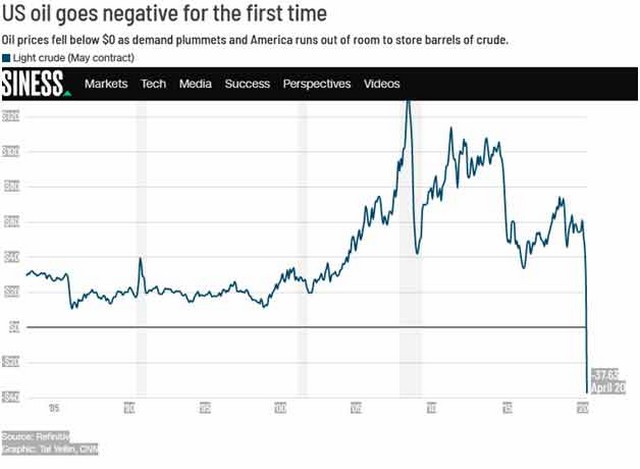
West Texas Intermediate oil prices have gone negative in a record low for the U.S. benchmark, as the market continues to crater amid the general economic collapse.

The price of U.S. oil turned negative means oil producers are paying buyers to take the commodity off their hands over fears that storage capacity could run out in May.

Vanishing demand and a glut of supply have combined to heavily impact the U.S. benchmark fuel, with oil prices dropping from $18.27 to close at -$37.63 a barrel on Monday – down over 300 percent from the previous day’s close. It is the first time the crude oil futures contract has ever traded in the negative since the New York Mercantile Exchange started trading it in 1983.

The collapse in oil markets comes amid a generalized economic downturn, with the coronavirus pandemic plunging most of the world’s economies into a downward spiral many believe will be the deepest since the Great Depression of the 1930s.

The U.S. Department of Energy is nevertheless weighing the idea of paying domestic producers to simply leave the oil in the ground so as not to further depress prices.

With May’s futures contracts set to expire on Tuesday, investors are scrambling to unload their positions, eyeing the already-glutted market and concerned about being left with a valueless commodity.

As the futures contracts hovered at record lows, oil tankers are reportedly languishing at sea, unable to find places to store their bounty onshore. Demand for the commodity has dropped an estimated 30 percent worldwide amid the coronavirus crisis.

The coronavirus pandemic has caused oil demand to drop so rapidly that the world is running out of room to store barrels. At the same time, Russia and Saudi Arabia flooded the world with excess supply.

That double black swan has caused oil prices to collapse to levels that make it impossible for U.S. shale oil companies to make money.

U.S. crude for May delivery turned negative on Monday – something that has never happened since NYMEX oil futures began trading in 1983. It was easily the oil market’s worst day on record.

US crude for June delivery is still trading above $20 a barrel — but even that is disastrous.

“$30 is already quite bad, but once you get to $20 or even $10, it’s a complete nightmare,” said Artem Abramov, head of shale research at Rystad Energy.

Bankruptcy

In a $20 oil environment, 533 US oil exploration and production companies will file for bankruptcy by the end of 2021, according to Rystad Energy. At $10, there would be more than 1,100 bankruptcies, Rystad estimates.

Noble Energy, Halliburton, Marathon Oil and Occidental have all lost more than two-thirds of their value. Even Dow member ExxonMobil is down 38%.

Whiting Petroleum became the first domino to fall when the former shale star filed for Chapter 11 protection on April 2. But it certainly will not be the last.

“At $10, almost every US E&P company that has debt will have to file Chapter 11 or consider strategic opportunities,” Abramov said.

The most stunning part of the record low in oil prices is that it comes after Russia and Saudi Arabia agreed to end their epic price war after U.S. President Donald Trump intervened. OPEC+ agreed to cut oil production by a record amount.

Trump said the OPEC+ agreement would save countless jobs and much-needed stability to the oil patch.

“This will save hundreds of thousands of energy jobs in the United States,” Trump tweeted on April 12. “I would like to thank and congratulate President Putin of Russia and King Salman of Saudi Arabia.”

Yet crude has kept crashing, in part because those production cuts do not kick in until May. Demand continues to vanish because jets, cars and factories are sidelined by the coronavirus pandemic.

The hope in the oil industry is that Monday’s negative prices are somewhat of a fluke caused by the rolling over futures contracts.

The key will be how long oil prices stay dirt cheap. A rapid rebound in prices could allow many oil companies to avoid bankruptcy.

Buddy Clark, co-chair of the energy practice at Houston law firm Haynes and Boone, said his firm is “extremely busy” working on potential oil bankruptcies. Haynes and Boone has been forced to pull lawyers from other areas of the firm to work on the oil problem.

“I don’t think I’ve seen anything like it in my lifetime. It’s unprecedented,” said Clark, who started working in the industry in 1982.

Clark thinks that despite the further collapse in prices, there will still be only — “only” — 100 oil bankruptcies in 2020.

“It’s hard to believe that 100 bankruptcies is the optimistic view. That just shows you where we are,” Clark said.

There would probably be more bankruptcies already if it were not for the extreme volatility in oil prices. Clark said companies are having trouble drawing up restructuring plans because they do not know what the price of the commodity will be.

“Ironically, the lower price has slowed down the process,” Clark said. “A number of companies may have teed up filings but they need to go back to the drawing board.”

The dire outlook in the oil industry will make it very difficult for companies attempting to reorganize in Chapter 11 proceedings to get the required financing and support. Debtholders who would normally swap their debt for equity may not want that equity.

That means, unlike the 2014-2016 crash, some oil companies may not survive altogether.

“Chapter 11 requires financial sponsors to back you. You may see more Chapter 7 liquidations,” said Reid Morrison, US energy leader at PwC.

The nightmare scenario could present lucrative buying opportunities for the industry’s biggest players. That is because struggling oil companies, either in bankruptcy or before it, will be forced to sell off prime acreage — at fire sale prices. Exxon and Chevron, the industry’s supermajors, could be tempted to make acquisitions.

“Those with strong balance sheets will be able to take advantage of the situation,” said Morrison.

However, he noted the supermajors will be “cautious about pulling the trigger” in the next six months because they must defend their coveted dividends first.

Negative territory

Demand for oil has all but dried up as lockdowns across the world have kept people inside. As a result, oil firms have resorted to renting tankers to store the surplus supply and that has forced the price of U.S. oil into negative territory.

The severe drop on Monday was driven in part by a technicality of the global oil market. Oil is traded on its future price and May futures contracts are due to expire on Tuesday. Traders were keen to offload those holdings to avoid having to take delivery of the oil and incur storage costs.

June prices for WTI were also down, but trading at above $20 per barrel. Meanwhile, Brent Crude, the benchmark used by Europe and the rest of the world, which is already trading based on June contracts – was also weaker, down 8.9% at less than $26 a barrel.

OGUK, the business lobby for the UK’s offshore oil and gas sector, said the negative price of U.S. oil would affect firms operating in the North Sea.

The oil industry has been struggling with both tumbling demand and in-fighting among producers about reducing output.

Trump has said the government will buy oil for the country’s national reserve.

Oil rebounds in Asian trading

A Bloomberg report said:

Oil rebounded in Asian trading.

Futures in New York traded at around $1 a barrel after sinking to as low as minus $40.32 during Monday’s jaw-dropping collapse. The June contract, however, which had trading volumes more than 60 times higher, rose above $21. The spread between the two reflects the growing fear that those who take physical delivery of crude in the near future may not find any outlet or storage for those barrels as refineries curb operations.

Crude explorers shut down 13% of the American drilling fleet last week. While production cuts in the country are gaining pace, it is not happening quickly enough to avoid storage filling to maximum levels, said Paul Horsnell, head of commodities at Standard Chartered Plc.

In Asia, bankers are increasingly reluctant to give commodity traders the credit to survive as lenders grow ever more fearful about the risk of a catastrophic default.

Fund Inflow

Despite the weakness in headline prices, retail investors are continuing to plow money back into oil futures. The U.S. Oil Fund ETF saw a record $552 million come in on Friday, taking total inflows last week to $1.6 billion.

The price collapse is reverberating across the oil industry. Crude explorers shut down 13% of the American drilling fleet last week.

Goldman sees oil volatility before ‘violent rebalancing’

The oil market is set to be forced into a “violent rebalancing” over the coming weeks, according to Goldman Sachs Group Inc.

Price volatility will remain exceptionally high in the coming weeks, Goldman said in a note.

“With ultimately a finite amount of storage left to fill, production will soon need to fall sizeably to bring the market into balance, finally setting the stage for higher prices” once demand recovers, analysts including Damien Courvalin wrote in the note date April 20. “This inflection will play out in a matter of weeks, not months, with the market likely forced to balance before June.”

India stocks fall with Asian markets as growth worries intensify

A Bloomberg report said:

India’s benchmark stock gauge fell, tracking peers in Asia, as a plunge in oil prices heightened investor concerns about domestic growth.

The S&P BSE Sensex Index fell 2.8% to 30,774.23 as of 9:59 a.m. in Mumbai, and the NSE Nifty 50 Index declined by 2.7%. Asia’s third-largest economy is near a standstill amid a prolonged lockdown to prevent the spread of the coronavirus.

While India is a net importer of crude, a collapse in oil futures on Monday amid stagnant global demand exacerbated economic growth fears.

All major equity markets in Asia declined Tuesday, with the regional MSCI Asia Pacific Index dropping 1.9%.

India’s government and central bank are trying to cushion the economic effect of virus-enforced closures with fiscal and monetary policy measures. Some makers of information-technology hardware in India, farmers and industries in rural areas resumed operations from Monday even as the lockdown was extended until May 3.

“Efforts to ramp up the economy once the lockdown has been lifted may take a toll as the lack of employees as well as demand may strike down hard on industrial activity,” analysts at Motilal Oswal Financial Services Ltd. wrote in a note to clients.

With the earnings season underway, Infosys Ltd. on Monday refrained from projecting full-year revenue for the first time in years, joining a growing list of businesses around the world struggling to assess the fallout of the COVID-19. So far, four Nifty 50 members have reported quarterly results.

A hunt for any storage space turns urgent as oil glut grows

A Reuters report said:

With oil depots that normally store crude oil onshore filling to the brim and supertankers mostly taken, energy companies are desperate for more space. The alternative is to pay buyers to take their U.S. crude after futures plummeted to a negative $37 a barrel on Monday.

A topsy-turvy market that has oil prices for October delivery at $31 a barrel has oil firms anxious to sock away millions of barrels now to sell at a profit later.

While the government estimated there is available space, traders said Monday’s market drop indicated any unfilled tanks are under lease, and not available to new renters.

“The industry is really scrambling to source viable storage options,” said Stuart Porter, a manager at Adler Tank Rentals in Texas, which has shale companies lining up to potentially lease dozens of its 500-barrel steel frac tanks. The tanks can be lined up like dominos and filled at the well site by producers without a home for their oil. Converge Midstream LLC with millions of barrels of storage available in underground salt caverns outside Houston has gone from few takers to requiring one- to two-year contracts.

“Quite honestly we were struggling for business. Now that the market has changed, everyone is our friend,” said Dana Grams, chief executive of Converge Midstream.

The hunt for storage points to the magnitude of the collapse in demand for U.S. shale and the huge volume of unsold oil to refiners who are cutting purchases.

In addition to the onshore glut, there are about 160 million barrels of oil sitting on tankers waiting for buyers. At least six crude tankers carrying 2 million barrels apiece are en route to the U.S. from Saudi Arabia, adding to the alarm at the U.S. Gulf Coast.

It is not just crude looking for a place to go. State lockdowns have decimated demand for motor fuel. U.S. gasoline demand fell 32% earlier this month compared with the same time a year ago, the EIA said.

That glut is creating opportunities for some.

At Caliche Development Partners, which stores natural gas liquids in underground caverns near Houston, CEO Dave Marchese may shift his plans and open a newly completed 3-million-barrel underground salt-cavern for crude oil or gasoline.

“Gasoline has a pretty large contango right now,” he said, referring to prices five or more months ahead that are higher than current levels. But both fuels would require new pumps in its salt cavern, Marchese said, and he wants buyers to pay up for any upgrades.

Shale producer Teal Natural Resources had one of its three crude buyers cancel a purchase agreement last month, sending it shopping for frac tanks. They are not cheap, Teal CEO John Roby learned after scouring the market.

Storing a month’s worth of output would cost Teal about $20 a day per tank, or about $300,000 a month. At those rates, Teal would rather shut in wells, he said.

Shutting off wells is not for everyone, though, because it can reduce future oil recovery, and may put a producer in breach of their lease contracts.

Rentals for frac tanks have jumped from about $15 a day previously, a Texas oil marketer said.

Another oil producer, Texland Petroleum aims to sell immediately whatever crude it can this month, said its President Jim Wilkes. He is considering adding frac tanks to avoid having to pay to have his oil carried away in May.

Joshua Wade, an oil marketer in Oklahoma, is in talks to reserve about 100,000 barrels of storage for May using a combination of frac tanks, on-system pipeline storage and smaller tanks that have been dormant on pipelines.

But time is running out and costs are rising quickly.

“A lot of people have been calling me now and saying ‘I wanna go out and buy 100,000 barrels in May and put them in a frac tank,’” said Wade. “I tell them the party started about a month ago and it’s now almost over.”

21 April 2020

Source: countercurrents.org
Arab Parliaments Call for Immediate Release of Palestinian Prisoners

By IMEMC

On the eve of Palestinian Prisoners Day, the Cairo-based Arab States’ Parliaments Forum, on Thursday, called for the immediate release of all Palestinian prisoners from various Israeli prisons and detention centers, as well as halt of all Israeli violations against the Palestinian people.

In a statement, issued by the forum on the eve of Palestinian Prisoners Day, head of the forum, Mr. Mash’al Alselmy, demanded all relevant international bodies, including the United Nations, right groups and the International Committee of the Red Cross, to take the lead by ensuring full protection for Palestinian prisoners, under the spread of Coronavirus pandemic, worldwide, Israel and in the occupied Palestinian territories.

He asserted that the suffering of Palestinian people, especially those women, children, patients and elderly, inside Israeli prisons, should dictate all concerned bodies to pressure Israeli government to respect the international law, especially the Fourth Geneva Convention for the Protection of Civilian Persons, in Time of War, which he believes could be applied on current times, as Coronavirus is reported to have spread widely including Palestinian prisoners themselves.

He asserted that the suffering of Palestinian people, especially those women, children, patients and elderly, inside Israeli prisons, should dictate all concerned bodies to pressure Israeli government to respect the international law, especially the Fourth Geneva Convention for the Protection of Civilian Persons, in Time of War, which he believes could be applied on current times, as Coronavirus is reported to have spread widely including Palestinian prisoners themselves.

Alselmy held the Israeli occupation fully responsible for the lives of Palestinian prisoners, after some of them have tested positive for the Coronavirus. He believed that Israeli authorities have intentionally ignored the fact of such an infection.

Currently, there are about 5,000 Palestinian prisoners, inside Israeli more than 20 Israeli detention facilities and prisons, across the occupied West Bank and Israel. Recently, some media reports have suggested that few of those prisoners have tested positive for the deadly Coronavirus.

Noteworthy, several hundreds of those prisoners are patients with chronic diseases, while hundreds others are women and children, under the age of 18.

17 April 2020

Source: imemc.org

The Wretched of India

By Shambhavi Siddhi

Prime Minister Narendra Modi on Sunday, April 14, announced that country’s lockdown will be extended till 3rd May. All sorts of praises and criticisms followed the announcement. Since then it has been the topic discussion amongst the Indian middle class as they sit in the comfort of their houses, posting pictures of their newly learned skills on social media, a popular trend these days. Another trending quote, which is making rounds on social media, reads, “Coronavirus doesn’t see if you’re rich or poor.”, while the post does make sense when one realizes that celebrities and politicians like Tom Hanks and Boris Johansson (to name two from a much longer list) were diagnosed with COVID-19, the frightening reality that the Indian society has shamelessly denied is the effect of lockdown on the poor and the marginalized.

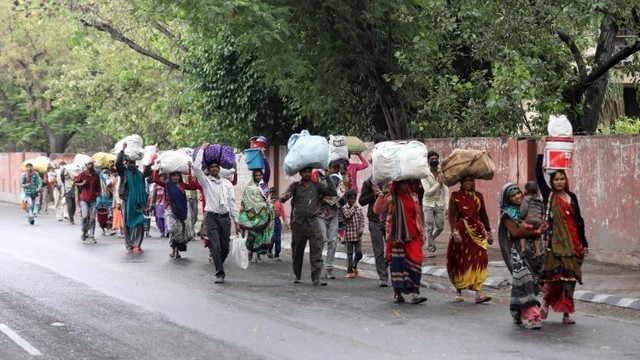
The flagrant attempts of Indian Media to communalize the virus in order to hide news stories related to the sufferings of the poor and marginalized is one of the most inhumane and barbaric acts in the history of electronic media of this country. As upper-class households gear up to stock and hoard commodities and get their WIFIs fixed to work from home, the marginalized sections bleakly sit, awaiting help and aid from the government. As if the horrific images of thousands of migrant workers risking their lives and leaving Delhi weren’t enough for this country, now even Mumbai’s migrant workers, after hopelessly waiting for the government to come up with a concrete plan, have decided to leave the city as they don’t see any aid or help to come. And how can we forget to mention the plight of Muslims and Kashmiris as their survival becomes more and more difficult with each passing day; between the virus and the current regime, the latter is more likely to murder them first. The despair of migrant workers and Muslims is only a tiny glimpse into the abyss that hides behind and beside the comfort of upper-class houses. There is one common question that every poor and wretched of this country has on their mind, “What would become of us?”

Arunima is a construction worker in a building in the suburbs of Lucknow. Her family has put up a small tent beside the building, there are six members of her family, all stuffed together in a small tent with minimal resources. Although, Arunima refuses to call it a tent, “this right here, is my home”, she says. Sometimes in the afternoon, she stares ghastly at the building for hours, she remembers how the street resonated with the roaring sound of the backhoe, churning of sand, thak-thak of hammers and other sounds from construction machines. While neighbours of the society frowned at the sound of these machines, Arunima remembers, with tears in her eyes, how her whole life was dependent on these sounds, she says it was music to her ears. She also mentions how a truck with bricks or sand would unload at the end of every week and she remembers how her whole family would clap and rejoice at the sight of it. “A truck at the end of week meant the construction would continue in the coming days too” she mentions in passing. As she walks back into her house with a packet of relief material she has just received, her children come out and hug the relief workers, Arunima folds her hand and tells the relief workers, “you are our truck.”

Right beside Arunima, in a small but well-constructed house of bricks and cement, lives a family of a milkman, “some people have stopped buying milk from us” says the eldest son, Faizan, frowning at the duplex on the corner as he pours milk from one canister to the other. “The households in this area are mostly Hindu, we have never had any problem with them and still don’t” he continues, “but two houses have stopped buying milk from us. As you know, we are Muslims, even though we are not from Tablighi Jamaat these two households simply refuse to understand the difference. The virus wouldn’t have cost us much but the media houses have” Shahrukh blames media houses for the loss their business is suffering. “We have never left this area, we rarely go out of this colony, yet we have to bear the burden, all because of some media houses which spew venom against our community” adds Junaid, the youngest son.

A young girl of 18, Pratima who is also a friend of Arunima’s daughter, used to mow the community park before the lockdown, “my father is a milkman, the grass that I mow from the park, we also use to feed the cattle, but now since the lockdown whenever we go to pick up some grass, a man from that big white house shoos us away as if we were dogs or goats” she says as she points to a four-story manor, which is probably the biggest house in the colony. “I also heard him whisper once that we were a bigger threat than the virus, I don’t know what he meant by that” adds Kanti, Arunima’s daughter who also mows grass with Pratima.

“Had the government prepared properly, we would have left for our villages, it would have been easier there, the fact remains, this is a rich person’s disease, we never travelled abroad, yet we are the worst hit” Pratima’s uncle, Ramchand, who works in the same building as Arunima blames the government and the arbitrary lockdown for their condition. “They think we are stupid and we do not know anything, but we also use Facebook and we know what happened to migrant workers in cities as big as Dilli, I could never imagine travelling back to my village after seeing all that” he gulps a big tear and continues in a trembling voice, “we are not scared of the virus, it will go away, we know, we just want to know how to survive this lockdown.”

COVID-19 continues to spread rapidly in India, and so does despair and hopelessness amongst the poor and marginalized. While we write with the hope that these stories reach the authorities and something is done to ensure a healthy survival of the marginalized communities, the threat that looms on these communities is disseminating fast. The Indian Government remains ignorant and indifferent to their needs and demands as lap media houses continue to communalize COVID-19, or, in a new low, play antakshari on live NEWS TV to keep the man from the big white house and his ilk entertained.

Shambhavi Siddhi is pursuing her Masters in French Literature in the School of Language, Literature and Cultural Studies, Jawaharlal Nehru University

18 April 2020

Source: countercurrents.org
Israel Shuts Palestinian Coronavirus Testing Clinic in East Jerusalem

By Nir Hasson

15 Apr 2020 – Clinic in Silwan raided, activists arrested because kits were provided by the Palestinian Authority.

Israeli police raided a coronavirus testing clinic in the East Jerusalem Palestinian neighborhood of Silwan and arrested its organizers on Tuesday [14 Apr] night because the clinic was operated in collaboration with the Palestinian Authority.

According to the clinic’s managers, there is a shortage of coronavirus tests in Silwan, where doctors say there are 40 confirmed cases and where overcrowded living conditions could lead to a rapid spread of the virus.

The clinic was opened in a hall at one of the local mosques. It was closed on Tuesday night because to the end-of-Passover curfew, but police officers nonetheless arrived, questioned neighbors and arrested four activists who were involved in setting up the clinic.

The coronavirus tests were meant to be processed by the Palestinian Authority in the West Bank. However, Israel prohibits any PA activity in Jerusalem and last month also prevented PA workers from disinfecting public spaces in the capital. In contrast, two weeks ago Israel allowed armed PA forces to respond to a violent dispute that took place in one of the Jerusalem neighborhoods that are beyond he separation barrier.

“You [Israeli authorities] are not helping us and are preventing us from getting help from others,” said one of the residents, Farhi Abu Diab. “For the first time, we have a common enemy, so let’s work together.”

Abu Diab said the Israeli government will respond after it’s too late, after the month of Ramadan, which he said will surely exacerbate the outbreak. “Instead of working together, [Israeli authorities] are bringing politics into this. I don’t care about who has jurisdiction. If something happens to my son I don’t care who tests him.”

On Monday [13 Apr], at the behest of Jerusalem Mayor Moshe Leon and health professionals, the Israeli Health Ministry opened a testing clinic in Silwan, but it is only accessible to members of the Clalit health maintenance organization.

20 April 2020

Source: www.transcend.org

Cuba Under Media Attack for Sending Doctors, Not Bombs, to Help COVID-19 Victims

By Belen Fernandez

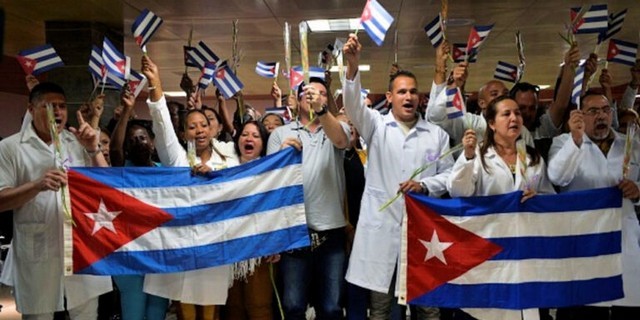
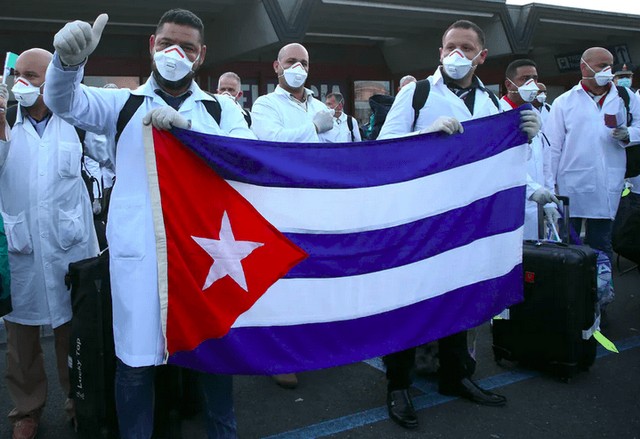
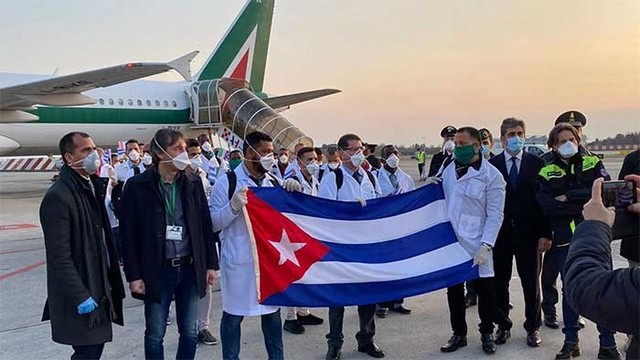
14 Apr 2020 – As coronavirus ravages the world, Cuba has exhibited disproportionate heroism, deploying medical personnel to at least 14 countries thus far to battle the pandemic—including to Italy, which has been particularly devastated. The response is in keeping with Cuba’s decades-long tradition of “doctors, not bombs,” which has seen the tiny island nation dispatch tens of thousands of medics across the globe to combat everything from Ebola to more mundane diseases like malaria and tuberculosis. The Cuban approach stands in marked contrast to the modus operandi of the global superpower and Cuba’s primary antagonist, the United States, a country with an established predilection for bombing rather than saving people.

Cuba’s coronavirus performance is a welcome bit of uplifting news in an otherwise mostly dismal international panorama. Lest anyone start feeling too inspired by the idea of humanity, however, sectors of the US corporate media are dutifully standing by to burst the bubble.
Bloomberg: Coronavirus Could Give Cuba’s Flying Doctors New Wings

A March Bloomberg opinion article (3/23/20) headlined “Coronavirus Could Give Cuba’s Flying Doctors New Wings,” for example, came equipped with the following caveat in the subheadline: “But allowing Havana to exploit the virus for hard currency will just empower repression at home.” The text of the article, by Mac Margolis, contained few easily detectable illustrations of domestic “repression,” aside from allegedly insufficient Cuban government efforts on behalf of a “consumer economy” and “emerging private sector”—which certainly sounds less repressive than, I don’t know, the US police habit of fatally shooting black people.

Margolis also stressed that, in Cuba, Covid-19 is “anything but an equal opportunity affliction,” and that “compañeros with connections or access to dollars have a far better shot at securing medication and loading up on groceries during a lockdown.” Never mind that Cuban compañeros would have better access to basic necessities in general had the island not been at the mercy of a sadistic US embargo for the past 60 years, or that severe socioeconomic inequality is overall a defining hallmark of US capitalism—as illustrated by reports that low-income communities of color in the States are being hardest hit by the coronavirus.

The Bloomberg article is accompanied by a photograph of Cuban doctors wielding Cuban flags, with the caption: “Nice flags, but how about a bigger paycheck?” And while bigger paychecks are obviously less imperative in societies—like Cuba’s—where the essentials of survival are provided free of charge, a more pertinent question in the time of global pandemic might be how the US spends trillions of dollars on wars and still generates news reports like “Uninsured Americans Could Be Facing Nearly $75,000 in Medical Bills if Hospitalized for Coronavirus” (CNBC, 4/1/20).

Plenty of other media outlets have meanwhile exploited the current pandemic to disseminate frank anti-Cuban propaganda. Over at the Miami Herald (3/27/20), Cuban exile Fabiola Santiago informs us that “Americans, in the midst of food and supply shortages and limitations on personal freedoms, are getting a taste of what it’s like in Cuba and Venezuela—without coronavirus.” Santiago seems to be under the misapprehension that US citizens ordinarily never face food shortages or limits on freedom–but at least now she won’t be alone in her “only-in-Miami form of PTSD, the growing up in Cuba kind.”

Additional moaning is on display at PanAm Post (3/30/20), where Mamela Fiallo Flor—cofounder of the Cuban Libertarian Party—suggests that calling Covid-19 the “Chinese virus” serves to “dissociate…it from the main culprit: the Communist Party.” The upshot: We should call it the “Communist virus” and recognize its nefarious impact on Cuba, as well, which “advertises itself as a medical power when, in fact, the shortage of hospital staff on the island is a direct consequence of the use of doctors for propaganda purposes.”

Certain mainstream publications have evidently not yet gotten the memo, as a recent Reuters article (3/22/20) emphasizes that Cuba “has one of the highest ratios worldwide of physicians per capita even when excluding those doctors abroad, and its medical brigades for disaster relief continue to earn Havana goodwill worldwide.” The piece was published on the New York Times website (though no longer available there), showing that even the decidedly anti-progressive US newspaper of record, it seems, is susceptible to the Communist virus.

The Wall Street Journal (3/22/20), on the other hand, remains true to principle. An intervention titled “Repression in the Time of Coronavirus”—by Mary Anastasia O’Grady, Journal columnist and editorial board member—begins with a typical jab at the oh-so-radical Democrats in the US:

Given the credibility that President Obama and Vice President Joe Biden lent to Cuban propaganda while they were in office, I half-expected to see them enjoying spring break in [Cuba’s] Varadero Beach last week.

This is the same O’Grady who once insinuated (Wall Street Journal, 11/1/09) that the very Obama administration that backed the 2009 right-wing coup against Honduras’ Manuel Zelaya was itself too pro-left for comfort, and that the US ambassador to Honduras should therefore be relocated to a diplomatic post in Cuba.

O’Grady (5/29/10) also swooned over “The Man Who Saved Colombia” from narco-trafficking and other evils—i.e., former President Álvaro Uribe, the man who not only appeared on a US Defense Intelligence Agency list of “the more important Colombian narco-traffickers contracted by the Colombian narcotic cartels,” but also presided over the notorious “false positives” scandal, which saw the Colombian army massacre some 10,000 civilians between 2002-10, passing them off as guerrilla combatants in order to justify continued US aid.

Another Latin American “savior” endorsed by O’Grady (10/28/18) was Brazil’s President Jair Bolsonaro, whom she placed “on the side of reform”—representing an “opportunity to advance liberty and prosperity”—despite being “labeled a racist, a misogynist, a homophobe, a fascist, an advocate of torture and an aspiring dictator.” (O’Grady presents this list as though it’s self-evidently absurd, but it’s actually a pretty good summary of who Bolsonaro is; see FAIR.org, 10/31/18.)

With so many heroes in our midst, who needs Cuba and its coronavirus-era claims that—as O’Grady scoffed—“it makes magic in its pharmaceutical labs”? O’Grady’s derision was not shared by Yale University Press, which on March 12 published a blog post by University of Glasgow lecturer and author Helen Yaffe, who discusses Cuba’s historically impressive advances in biotechnology, “despite the US blockade obstructing access to technologies, equipment, materials, finance and even knowledge exchange.”

Noting that the Cuban anti-viral drug Interferon Alpha 2b was among those initially chosen to contain coronavirus in China, Yaffe recalls that interferon was instrumental in addressing Cuba’s dengue epidemic of 1981, which “affected 340,000 Cubans with 11,000 new cases diagnosed every day at its peak.” Cuba, Yaffe writes, “suspected the CIA of releasing the virus”—and, while the US naturally denies such allegations, pretty much anything is possible from the country that tried to kill Fidel Castro in no fewer than 638 ways, including via brightly painted exploding mollusks.

In her anti-Cuban coronavirus “repression” piece, O’Grady noted that Cuba has “already been denounced for treating its medical workers like chattel when it sends them abroad to earn money for the regime and indoctrinate populations.” Anyone requiring a footnote on this claim need look no further than O’Grady’s own article (11/9/14), headlined “Cuba’s Slave Trade in Doctors”—which also argued that “making medical professionals an export product is provoking a doctor shortage in Cuba [and] exacerbating widespread privation in healthcare.” (Take that, New York Times!)

In her 2014 exposé, O’Grady cast the Cuban doctor “slave trade” as “big business, which if it weren’t being carried out by gangster Marxists would surely offend journalists”—as if US journalists who mainly work for advertiser-supported outlets owned by multinational corporations have a natural affinity for “gangster Marxists.”

Fast forward six years to O’Grady’s rant against Cuba’s coronavirus “efforts to use the pandemic…to create the illusion that it specializes in advanced medical care”—which, according to her professional assessment, is “a sick joke.”

But as the US continues to thwart effective and affordable medical care for humans at home and abroad—and as neoliberalism and its media acolytes continue to dismantle all forms of human solidarity—there are loads of sick jokes to go around.

__________________________________________________

Belen Fernandez is the author of The Imperial Messenger: Thomas Friedman at Work, published by Verso.

20 April 2020

Source: www.transcend.org

A Palestinian Guide to Surviving a Quarantine: On Faith, Humor and ‘Dutch Candy’

By Ramzy Baroud

6 Apr 2020 – Call it a ‘quarantine’, a ‘shelter-in-place’, a ‘lockdown’ or a ‘curfew’, we Palestinians have experienced them all, though not at all voluntarily.

Personally, the first 23 years of my life were lived in virtual ‘lockdown’. My father’s ‘quarantine’ was experienced much earlier, as did his father’s ‘shelter-in-place’ before him. They both died and were buried in Gaza’s cemeteries without ever experiencing true freedom outside of their refugee camp in Gaza.

Currently in Gaza, the quarantine has a different name. We call it ‘siege’, also known as ‘blockade’.

In fact, all of Palestine has been in a state of ‘lockdown’ since the late 1940s when Israel became a state and the Palestinian homeland was erased by Zionist colonialists with the support of their Western benefactors.

That lockdown intensified in 1967 when Israel, now a powerful state with a large army and strong allies, occupied the remaining parts of Palestine – East Jerusalem, the West Bank and the Gaza Strip.

Under this lockdown, the Palestinian freedom of movement was curtailed

to the extent that Palestinians required permits from the Israeli military to leave the Occupied Territories or to return home, to move about from one town to the other, and, at times, to cross a single Israeli military checkpoint or a fortified wall.

In Palestine, we don’t call our imprisonment a lockdown, but a ‘military occupation’ and ‘apartheid’.

As for ‘shelter-in-place’, in Palestine, we have a different name for it. We call it a ‘military curfew’.

Since I was a child, I learned to listen intently to orders barked out by Israeli military officers as they swept through our refugee camp in Gaza declaring or easing military curfews. This ritual often happened late at night.

“People of Nuseirat, per orders of the Israeli military you are now under curfew. Anyone who violates orders will be shot immediately,” the terrifying words, always communicated through a loudspeaker in broken Arabic, were a staple during the First Palestinian Uprising (Intifada) of 1987.

The period between 1987 to 1993 was a virtual ‘lockdown’. Thousands of people, mostly children, were killed for failing to respect the rules of their collective imprisonment.

In Gaza, even when a full military curfew was not in place, we rarely left our small and crowded neighborhoods, let alone our refugee camps. We were all haunted by the fear that we may not be able to make it home by 8p.m., the time designated by the Israeli military for all of us to return home.

Every day, ten or fifteen minutes after the nightly curfew set in, we would hear the crackling and hissing of bullets as they whistled through the air from various distances. Automatically, we would conclude that some poor soul – a worker, a teacher, or a rowdy teenager – missed his chance by a few minutes, and paid a price for it.

Now that nearly half of the population of planet Earth are experiencing some form of ‘curfew’ or another, I would like to share a few suggestions on how to survive the prolonged confinement, the Palestinian way.

Think Ahead

Since we knew that a complete lockdown, or a military curfew, was always pending, we tried to anticipate the intensity and duration of it and prepare accordingly.

For example, when the Israeli army killed one or more refugees, we knew in advance that mass protests would follow, thus more killings. In these situations, a curfew was imminent.

Number one priority was to ensure that all family members congregated at home or stayed within close proximity so that they could rush in as fast as possible when the caravan of Israeli military jeeps and tanks came thundering, opening fire at anyone or anything within sight.

Lesson number one: Always think ahead and prepare for a longer lockdown than the initial one declared by your city or state.

Stay Calm

My father had a bad temper, although a very kind heart. When curfews were about to start, he would enter into a near-panic state. A chain smoker with obsessive, although rational fear that one of his five boys would eventually be killed, he would walk around the house in a useless rush, not knowing what to do next.

Typically, my mother would come in, rational and calculating. She would storm the kitchen to assess what basic supplies were missing, starting with the flour, sugar and olive oil.

Knowing that the first crackdown by the Israelis would be on water supplies and electricity, she would fill several plastic containers of water, designating some for tea, coffee and cooking, and others for dishes and washing clothes.

Per her orders, we would rush to the nearby stores to make small but necessary purchases – batteries for the flashlight and the transistor radio, cigarettes for my dad, and a few VHS videotapes which we would watch over and again, whether the curfew lasted for a few days or a few weeks.

Lesson number two: Take control of the situation – do not panic – and assign specific responsibilities to every family member. This strengthens the family unit and sets the stage for collective solidarity desperately required under these circumstances.

Preserve Your Water

I cannot emphasize this enough. Even if you think that a water crisis is not impending, do not take chances.

It is easy to feel invincible and fully prepared on the first day of quarantine – or military curfew. Many times, we lived to regret that false sense of readiness, as we drank too much tea or squandered our dishwashing water supplies too quickly.

In this case, you have a serious problem, especially during the summer months when you cannot count on rainwater to make up for the deficit.

Years after the end of the Intifada, my father revealed to us that many a time, he and mom used the rainwater they collected in buckets throughout the house, including the leaking roofs for our drinking supplies, even when there was no electricity or gas to boil the water beforehand.

In retrospect, this explains the many bouts of diarrhea we experienced, despite his assurances that they had painstakingly removed all bird droppings from the salvaged water.

Lesson number three: Cautiously use your water supplies during a quarantine, and never, under any circumstance, drink rainwater or, at least, keep diarrhea pills handy.

Ration Your Food

The same logic that applies to water applies to food. It goes without saying that any acquired food would have to cover the basics first. For example, flour, which we used to make bread, comes before bananas, and sugar, which we consumed abundantly with tea, comes before Dutch candy.

I made that mistake more than once, not because of my love for the imported Dutch candy which we purchased from Abu Sa’dad’s store, located in the center of the camp. The truth is, my brothers and I played a strange form of candy poker which kept us entertained for many hours. I dreaded running out of my precious supplies before the curfew was over, thus subjugating myself to potential humiliation of having to auction everything else I owned – including my small radio – to stay in the game.

My poor mother was devastated numerous times by the horrible choices we made when we rushed to buy ‘essentials’.

Lesson number four: Agree in advance on what classifies as ‘essential food’, and consume your food in a rational way. Also, if you are lucky enough to locate Dutch candy in whatever version of the Abu Sa’dad’s store, in your town, do not gamble it all in one day.

Find Sources of Entertainment

If electricity is still available, then you still have the option of watching television. For us, Indian movies, especially those starring Amitabh Bachchan, were the number one option. Imagine my disappointment when our beloved movie star, who helped us through numerous military curfews in Gaza, was photographed grinning with right-wing Israeli Prime Minister Benjamin Netanyahu during the latter’s visit to India in 2018.

If electricity is cut off, be ready with alternative options: books, free wrestling, living-room soccer (with the ball preferably made from stuffed-up socks contributed by all family members), and, of course, candy poker.

Lesson number five: The key is to have more than one form of entertainment and to be prepared for every eventuality, including power outages as a form of collective punishment.

Find the Humor in Grim Situations

Don’t focus on the negatives; there is no point or wisdom in that. Emphasizing the grimness of a situation can only contribute to the feeling of defeat and powerlessness that are already generated by the lockdown. There will be plenty of time in which you can look back, reflect, and even bemoan your unfortunate circumstance.

But, during the curfew itself is when you actually need your sense of humor most. Take things lightly – laugh at your miserable situation, if you must. Forgive yourself for not being perfect, for panicking when you should have been composed, or for forcing your younger brother to gamble his underwear when he runs out of Dutch candy.

Difficult situations can offer the kind of scenarios that can be interpreted in two extreme ways: either extremely tragic or extremely funny; opt for the latter whenever you can, because as long as you laugh, as long as your spirit remains unbroken, your humanity remains intact.

Lesson number six: Be funny, don’t take life too seriously, share a laugh with others, and let humor inject hope in every hour and every day of your quarantine.

Hold Tighter to Your Faith

Whether you are Muslim, Christian, Jewish, or any other faith; whether you are an atheist, agnostic, or practice any form of spirituality, philosophy or belief system, find comfort in your faith and beliefs.

Since all mosques in our refugee camp were shut down, if not raided during a military curfew, the call for prayer, which we heard five times during each day, was permanently silenced.

To keep the call for prayer going, we would sneak to the roof of our houses, carefully scan the area for any Israeli soldiers, and collectively make the call for prayer whenever it was required. Volunteers included my English teacher, who was communist and claimed that he did not believe in God, myself, and Nabil, the neighbor boy with the massive head and the most unpleasant voice.

In curfews, we developed a different relationship with God: He became a personal and more intimate companion, as we often prayed in total darkness, whispered our verses so very cautiously as not to be heard by pesky soldiers. And, even those who hardly prayed before the curfew kept up with all five prayers during the lockdown.

Lesson number seven: Let your values guide you during your hours of loneliness. And if you volunteer to make a call for prayer (or recite your religious hymns) please be honest with yourself: if you have no sense of rhythm or if your voice has the pitch of an angry alley cat, for God’s sake, leave the job to someone else.

In Conclusion ..

I hope that under no circumstances you will ever hear these ominous words: “You are now under curfew. Anyone who violates orders will be shot immediately.” I also hope that this COVID-19 quarantine will make us kinder to each other and will make us emerge from our homes better people, ready to take on global challenges while united in our common faith, collective pain and a renewed sense of love for our environment.

And when it’s all over, think of Palestine, for her people have been ‘quarantined’ for 71 years and counting.

______________________________________________________

Dr. Ramzy Baroud is a journalist, author and editor of The Palestine Chronicle.

20 April 2020

Source: www.transcend.org

Door by Door the Cuban Government Delivers Immune Boosting Medicine to the People

By Susana Hurlich

9 Apr 2020 – Hola from Havana. This morning at 7 a.m. I took the first dose of the homeopathic medication ProvengHo-Vir that the Cuban health system is distributing. Late yesterday afternoon, at about 5pm, Dr. Yaisen, one of the three doctors working at our local family doctor clinic located some two blocks from my home, came by the house to give me the small 10 mL plastic bottle of ProvengHo-Vir and to explain how to use it.

The day before (Tuesday), there was meetings around the country, usually held at the local polyclinic that has a number of family doctor “consultorios” (local doctor’s offices) under them, to explain the distribution process.

In addition to a bag with lots of small bottles of this medication, Dr. Yaisen had a pile of blank white papers that each household was asked to sign when they received the medication. Each sheet probably held 20-30 signatures. Along with explaining its use – and asking that the recipient repeat this to make sure it was understood – Dr. Yaisen handed out a small printed sheet of paper that carefully explains everything one could possibly need to know about ProvengHo-Vir: its composition, pharmaceutical form, indications (what it does) and counter-indications (none), precautions, the dosage and instructions for use, possible adverse reactions (none) and how to store it. And there’s a little graphic showing how to open the bottle and make a hole in the top for counting out the drops.

Without going into all the details about the composition of PrevengHo-Vir –other than saying that it includes components of the AH1N1 and AH3N2 influenza viruses and substances of a vaccine against seasonal flu – what this homeopathic medication does is to help prevent influenza and other flu-like diseases, dengue and emerging (new!) viral infections.

PrevengHo-Vir is NOT a vaccine, but only an additional protection to help reinforce one’s immune system.

And it’s being distributed free to every household in Cuba (total population over 11.3 million; I have no idea how many households there are) through Cuba’s comprehensive public health system. At the grassroots level, this means the neighborhood Family Doctor and Nurse Clinic of which there are 11,432 located around the country coming under 449 polyclinics. Presently, Cuba has about one doctor for every 122 inhabitants and one nurse for every 128 inhabitants.

A tiny bit of history: Cuba’s Family Doctor program began in 1984 at the initiative of Fidel, with the overall objective being that primary and preventive health care, to be truly effective, must be taken to every corner of the country, no matter how remote. In so many ways, this is the heart of Cuba’s National Health System: make a health structure available and responsive to all, and work to prevent health problems before they become serious.

And this is also the same logic behind Cuba’s program against COVID-19: educate and mobilize the people around principles of discipline, cooperation and solidarity, and keep them constantly informed so that they can be active and responsible participants in the fight against coronavirus.

In Cuba, we have some 89,000 doctors (including family doctors), 84,000 nurses and some 9,000 young people who will be graduating from their various medical studies in July. And this isn’t counting health technicians, ambulance drivers and others who all help make it work. But it’s because of these numbers, which are the real reflection of a country committed to a preventive health system, that Cuba is able to provide solidarity health assistance to 16 countries, Mexico being the most recent, in their local battles against COVID-19, without compromising the quality of care of its own people.

Another important thing about Cuba’s medical system is that rather than being two-tiered, as is often the case in other countries, with “classical medicine” on the one hand and “alternative medicine” on the other, Cuba has ONE health system that includes it all. When you study to become a doctor, you also learn about homeopathic medicine in all its forms. And Cuba has a highly developed capacity in this regard.

And that’s where PrevengHo-Vir comes in. As I mentioned, it’s a sublingual immunological booster which, since early March, has been applied to at-risk groups in various parts of the country – in Pinar del Río, Mayabeque, etc. – in isolation centers, elderly and mother-infant homes, and in hospitals caring for people who are positive or suspected of having COVID-19.

As I mentioned, it’s being distributed free and it’s being provided to the entire population of this country! I’m actually starting to get calls from several of my neighbors with questions about how to use it, how to store it, etc. My neighbors often tell me that I’m their local mobile Encyclopedia and they call me with lots of questions. It actually keeps me on my toes, making sure I have correct and official information. Don’t put it in the fridge. Don’t put it near electric-domestic appliances as the electric impulses can actually neutralize homeopathic medications, etc. Store it in your medicine cabinet away from computers, radios, etc.

Just to mention: this morning, on the daily 11am televised and radio-transmitted Press Conference, it was the Minister of Public Health, José Angel Portal Miranda, who spoke. We now have 457 people who have tested positive for COVID-19 and since the first case was detected on March 11th, there have been twelve deaths. Twenty-seven have been given the all clear sign, two were evacuated, and sixteen are in serious condition.

There are six cases where transmission has been local – not connected with sick people coming from outside the country, be they foreigners or Cubans. Because of this, Cuba’s health authorities have decided that the country has now passed to the second of three stages of the disease: limited local transmission. This is considered a transitional stage which may well lead to the third stage of epidemic. In anticipation, the country is taking measures to prepare: increasing the number of available beds for both hospitalization as well as for intensive care, increasing the number of laboratories in the country (presently there are still three, in Havana, Santa Clara and Santiago de Cuba), and identifying some areas for quarantine.

It is impressive experiencing what this country is doing, both domestically and internationally, to battle this disease. A country with tremendous shortages of resources and yet with a health system that is equal to the best and respected by many, many countries in the world.

It is humbling living in a country that truly puts its efforts behind its main objective: protecting the population first and foremost. No matter if the economy – except for food production and other vital necessities – collapses. It’s collapsing everywhere in the world. But without a healthy population it will be impossible to pick it up again. And Cuba’s key resource is so clearly the people – ALL the people. It is humbling seeing that value in operation.

And it is also inspiring, as Cuba, while reeling under a constantly intensifying and cruel blockade, continues to provide a model that another world is possible. It is a privilege and an honor to live here, contributing – as we always say in Cuba – one’s small grain of sand to the new mountain we hope to build.

Finally, as I always say: be sure to embrace a tree, a cat, a dog. It is not social distancing that is important, but physical distancing. Socially there are so many ways to remain connected, so many ways to give and receive love and support – phone calls, texting, email, calling out to neighbors across the street when they go to their windows, going onto your veranda and playing an instrument or singing a song (lovely how people respond to this)…but the physical distancing is crucial.

Take care of yourselves. And in doing so, you’ll be taking care of each other.

__________________________________________

Susana Hurlich is a writer and has been living and working for over 30 years in Cuba.

20 April 2020

Source: www.transcend.org

A Universal Basic Income Is Essential and Will Work

By Ellen Brown

19 Apr 2020 – A central bank-financed UBI can fill the debt gap, providing a vital safety net while preventing cyclical recessions.

According to an April 6 article on CNBC.com, Spain is slated to become the first country in Europe to introduce a universal basic income (UBI) on a long-term basis. Spain’s Minister for Economic Affairs has announced plans to roll out a UBI “as soon as possible,” with the goal of providing a nationwide basic wage that supports citizens “forever.” Guy Standing, a research professor at the University of London, told CNBC that there was no prospect of a global economic revival without a universal basic income. “It’s almost a no-brainer,” he said. “We are going to have some sort of basic income system sooner or later ….”

“Where will the government find the money?” is no longer a valid objection to providing an economic safety net for the people. The government can find the money in the same place it just found more than $5 trillion for Wall Street and Corporate America: the central bank can print it. In an April 9 post commenting on the $1.77 trillion handed to Wall Street under the CARES Act, Wolf Richter observed, “If the Fed had sent that $1.77 Trillion to the 130 million households in the US, each household would have received $13,600. But no, this was helicopter money exclusively for Wall Street and for asset holders.”

“Helicopter money” – money simply issued by the central bank and injected into the economy – could be used in many ways, including building infrastructure, capitalizing a national infrastructure and development bank, providing free state university tuition, or funding Medicare, social security, or a universal basic income. In the current crisis, in which a government-mandated shutdown has left households more vulnerable than at any time since the Great Depression, a UBI seems the most direct and efficient way to get money to everyone who needs it. But critics argue that it will just trigger inflation and collapse the dollar. As gold proponent Mike Maloney complained on an April 16 podcast:

Typing extra digits into computers does not make us wealthy. If this insane theory of printing money for almost everyone on a permanent basis takes hold, the value of the dollars in your purse or pocketbook will … just continue to erode …. I just want someone to explain to me how this is going to work.

Having done quite a bit of study on that, I thought I would take on the challenge. Here is how and why a central bank-financed UBI can work without eroding the dollar.

In a Debt-Based System, the Consumer Economy Is Chronically Short of Money

First, some basics of modern money. We do not have a fixed and stable money system. We have a credit system, in which money is created and destroyed by banks every day. Money is created as a deposit when the bank makes a loan and is extinguished when the loan is repaid, as explained in detail by the Bank of England here. When fewer loans are being created than are being repaid, the money supply shrinks, a phenomenon called “debt deflation.” Deflation then triggers recession and depression. The term “helicopter money” was coined to describe the cure for that much-feared syndrome. Economist Milton Friedman said it was easy to cure a deflation: just print money and rain it down from helicopters on the people.

Our money supply is in a chronic state of deflation, due to the way money comes into existence. Banks create the principal but not the interest needed to repay their loans, so more money is always owed back than was created in the original loans. Thus debt always grows faster than the money supply, as can be seen in this chart from WorkableEconomics.com:

When the debt burden grow so large that borrowers cannot take on more, they pay down old loans without taking out new ones and the money supply shrinks or deflates.

Critics of this “debt virus” theory say the gap between debt and the money available to repay can be filled through the “velocity of money.” Debts are repaid over time, and if the payments received collectively by the lenders are spent back into the economy, they are collectively available to the debtors to pay their next monthly balances. (See a fuller explanation here.) The flaw in this argument is that money created as a loan is extinguished on repayment and is not available to be spent back into the economy. Repayment zeros out the debit by which it was created, and the money just disappears.

Another problem with the “velocity of money” argument is that lenders don’t typically spend their profits back into the consumer economy. In fact, we have two economies – the consumer/producer economy where goods and services are produced and traded, and the financialized economy where money chases “yields” without producing new goods and services. The financialized economy is essentially a parasite on the real economy, and it now contains most of the money in the system. In an unwritten policy called the “Fed put”, the central bank routinely manipulates the money supply to prop up financial markets. That means corporate owners and investors can make more and faster money in the financialized economy than by investing in workers and equipment. Bankers, investors and other “savers” put their money in stocks and bonds, hide it in offshore tax havens, send it abroad, or just keep it in cash. At the end of 2018, US corporations were sitting on $1.7 trillion in cash, and 70% of $100 bills were held overseas.

Meanwhile the producer/consumer economy is left with insufficient investment and insufficient demand. According to a July 2017 paper from the Roosevelt Institute called “What Recovery? The Case for Continued Expansionary Policy at the Fed”:

GDP remains well below both the long-run trend and the level predicted by forecasters a decade ago. In 2016, real per capita GDP was 10% below the Congressional Budget Office’s (CBO) 2006 forecast, and shows no signs of returning to the predicted level.

The report showed that the most likely explanation for this lackluster growth was inadequate demand. Wages were stagnant; and before producers would produce, they needed customers knocking on their doors.

In ancient Mesopotamia, the gap between debt and the money available to repay it was corrected with periodic debt “jubilees” – forgiveness of loans that wiped the slate clean. But today the lenders are not kings and temples. They are private bankers who don’t engage in debt forgiveness because their mandate is to maximize shareholder profits, and because by doing so they would risk insolvency themselves. But there is another way to avoid the debt gap, and that is by filling it with regular injections of new debt-free money.

How Much Money Needs to Be Injected to Stabilize the Money Supply?

The mandated shutdown from the coronavirus has exacerbated the debt crisis, but the economy was suffering from an unprecedented buildup of debt well before that. A UBI would address the gap between consumer debt and the money available to repay it; but there are equivalent gaps for business debt, federal debt, and state and municipal debt, leaving room for quite a bit of helicopter money before debt deflation would turn into inflation.

Looking just at the consumer debt gap, in 2019 80% of US households had to borrow to meet expenses. See this chart provided by Lance Roberts in an April 2019 article on Seeking Alpha:

After the 2008 financial crisis, income and debt combined were not sufficient to fill the gap. By April 2019, about one-third of student loans and car loans were defaulting or had already defaulted. The predictable result was a growing wave of personal bankruptcies, bank bankruptcies, and debt deflation.

Roberts showed in a second chart that by 2019, the gap between annual real disposable income and the cost of living was over $15,000 per person, and the annual deficit that could not be filled even by borrowing was over $3,200:

Assume, then, a national dividend dropped directly into people’s bank accounts of $1,200 per month or $14,200 per year. This would come close to the average $15,000 needed to fill the gap between real disposable income and the cost of living. If the 80% of recipients needing to borrow to meet expenses used the money to repay their consumer debts (credit cards, student debt, medical bills, etc.), that money would void out debt and disappear. These loan repayments (or some of them) could be made mandatory and automatic. The other 20% of recipients, who don’t need to borrow to meet expenses, would not need their national dividends for that purpose either. Most would save it or invest it in non-consumer markets. And the money that was actually spent on consumer goods and services would help fill the 10% gap between real and potential GDP, allowing supply to rise with demand, keeping prices stable. The end result would be no net increase in the consumer price index.

The current economic shutdown will necessarily result in shortages, and the prices of those commodities can be expected to inflate; but it won’t be the result of “demand/pull” inflation triggered by helicopter money. It will be “cost/push” inflation from factory closures, supply disruptions, and increased business costs.

International Precedents

Critics of central bank money injections point to the notorious hyperinflations of history – in Weimar Germany, Zimbabwe, Venezuela, etc. These disasters, however, were not caused by government money-printing to stimulate the economy. According to Prof. Michael Hudson, who has studied the question extensively, “Every hyperinflation in history has been caused by foreign debt service collapsing the exchange rate. The problem almost always has resulted from wartime foreign currency strains, not domestic spending.”

For contemporary examples of governments injecting new money to fund domestic growth, we can look to China and Japan. In the last two decades, China’s M2 money supply grew from 11 trillion yuan to 194 trillion yuan, a nearly 1,800% increase. Yet the average inflation rate of its Consumer Price Index hovered between 2% and 3% during that period. The flood of money injected into the economy did not trigger an inflationary crisis because China’s GDP grew at the same fast clip, allowing supply and demand to rise together. Another factor was the Chinese propensity to save. As incomes went up, the percent of income spent on goods and services went down.

In Japan, the massive stimulus programs called “Abenomics” have been funded through bond purchases by the Japanese central bank. The Bank of Japan has now “monetized” nearly half the government’s debt, injecting new money into the economy by purchasing government bonds with yen created on the bank’s books. If the US Fed did that, it would own $12 trillion in US government bonds, over three times the $3.6 trillion in Treasury debt it holds now. Yet Japan’s inflation rate remains stubbornly below the BOJ’s 2% target. Deflation continues to be a greater concern in Japan than inflation, despite unprecedented debt monetization by its central bank.

UBI and Fears of the “Nanny State”

Wary critics warn that a UBI is the road to totalitarianism, the “cashless society,” dependence on the “nanny state,” and mandatory digital IDs. But none of those outcomes need accompany a UBI. It does not make people dependent on the government, so long as they can work. It is just supplementary income, similar to the dividends investors get from their stocks. A UBI does not make people lazy, as numerous studies have shown. To the contrary, they become more productive than without it. And a UBI does not mean cash would be eliminated. Over 90% of the money supply is already digital. UBI payments can be distributed digitally without changing the system we have.

A UBI can serve the goals both of fiscal policy, providing a vital safety net for citizens in desperate times, and of monetary policy, by stabilizing the money supply. The consumer/producer economy actually needs regular injections of helicopter money to remain sustainable, stimulate economic productivity, and avoid deflationary recessions.

____________________________________

Ellen Brown is a member of the TRANSCEND Network for Peace Development Environment, an attorney, founder/chairperson of the Public Banking Institute, and author of thirteen books including Web of Debt, The Public Bank Solution, and Banking on the People: Democratizing Money in the Digital Age.

20 April 2020

Source: www.transcend.org

Cuba: From AIDS, Dengue, and Ebola to COVID-19

By Don Fitz

Preparing for a pandemic requires understanding that a change in the relationship between people is primary and the production of things is secondary and flows from social factors. Investors in profit-based medicine cannot comprehend this concept. Nothing could exemplify it more clearly than Cuba’s response to the corona virus (COVID-19).

The US dawdled for months before reacting. Cuba’s preparation for COVID-19 began on January 1, 1959. On that day, over sixty years before the pandemic, Cuba laid the foundations for what would become the discovery of novel drugs, bringing patients to the island, and sending medical aid abroad.

For twenty years before the 1959 revolution, Cuban doctors were divided between those who saw medicine as a way to make money and those who grasped the necessity of bringing medical care to the country’s poor, rural, and black populations. An understanding of the failings of disconnected social systems led the revolutionary government to build hospitals and clinics in under-served parts of the island at the same time it began addressing crises of literacy, racism, poverty, and housing.

By 1964, Cuba began creating policlínicos integrales, which were recreated as policlínicos comunitarios in 1974 to better link communities and patients. By 1984, Cuba had introduced the first doctor-nurse teams who lived in the neighborhoods they served. This continuing redesign of Cuban primary and preventive health has lasted through today as a model, allowing it to surpass the US in life expectancy and infant mortality.

It had an overarching concern with health care, even though it had never escaped from poverty. This resulted in Cuba’s eliminating polio in 1962, malaria in 1967, neonatal tetanus in 1972, diphtheria in 1979, congenital rubella syndrome in 1989, post-mumps meningitis in 1989, measles in 1993, rubella in 1995, and tuberculosis meningitis in 1997.

The Committees for Defense of the Revolution (CDRs) became a key part of mobilization for healthcare. Organized in 1960 to defend the country, block by block if necessary, from a possible US invasion, the CDRs took on more community care tasks as foreign intervention seemed less likely. They became prepared to move the elderly, disabled, sick, and mentally ill to higher ground if a hurricane approached. They currently help in removal of mosquito breeding places during episodes of dengue fever, participate in health education programs, ensure distribution of children’s vaccination cards, and help train auxiliary staff in oral vaccination campaigns.

AIDS in a Time of Disaster

Two whammies pounded Cuba in the late 1980s and early 1990s. The first victim of AIDS died in 1986, and Cuba isolated soldiers returning from war in Angola who tested positive for HIV. A hate campaign against Cuba claimed that the quarantine reflected prejudice against homosexuals. But the facts showed that (1) soldiers returning from Africa were overwhelmingly heterosexual (as were most African AIDS victims), (2) Cuba had quarantined dengue patients with no outcry, and (3) the US itself had a history of quarantining patients with tuberculosis, polio, and even AIDS.

The second blow landed quickly. In December 1991, the Soviet Union collapsed, ending its $5 billion annual subsidy, disrupting international commerce, and sending the Cuban economy into a free fall that exacerbated AIDS problems. A perfect storm for AIDS infection appeared to be brewing. The HIV infection rate for the Caribbean region was second only to southern Africa. The embargo simultaneously reduced the availability of drugs (including those for HIV/AIDS), as it made existing pharmaceuticals outrageously expensive and disrupted the financial infrastructures used for drug purchases. If these were not enough, Cuba opened the floodgate of tourism to cope with lack of funds. As predicted, tourism brought an increase in prostitution. There was a definite possibility that the island would succumb to a massive epidemic that would rival the effects of measles and smallpox which had arrived with European invaders to the New World.

The government response was immediate and strong. It drastically reduced services in all areas except two which had been enshrined as human rights: education and health care. Its medical research institutes developed Cuba’s own diagnostic test by 1987. Testing for HIV/AIDS went into high gear, with completion of over 12 million tests by 1993. Since the population was about 10.5 million, that meant that persons at high risk were tested multiple times.

Education about AIDS was massive for sick and healthy, for children as well as adults. By 1990, when homosexuals had become the island’s primary HIV victims, anti-gay prejudice was officially challenged as schools taught that homosexuality was a fact of life. Condoms were provided free at doctor’s offices. I witnessed the survival of the education program during a 2009 trip to Cuba; the first poster I saw on the wall when entering a doctor’s office had two men with the message to use condoms.

Despite high costs, Cuba provided antiretroviral (ART) drugs free to patients. One of the great ironies of the period was that those who screeched most noisily about Cuba’s “anti-homosexual” quarantines remained silent as the Torricelli Bill of 1992 and the Helms-Burton Act of 1996, designed to “wreak havoc” on the island,” seriously hindered the government’s efforts to bring ART drugs to HIV victims.

Cuba’s united and well-planned effort to cope with HIV/AIDS paid off. At the same time Cuba had 200 AIDS, cases New York City (with about the same population) had 43,000 cases. NYC residents were far less likely to have recently visited sub-Saharan Africa, where a third of a million Cubans had just returned from fighting in the Angolan war. When the HIV infection rate in Cuba was 0.5 percent, it was 2.3 percent in the Caribbean region and 9.0 percent in southern Africa. During the period 1991–2006, Cuba had a total of 1,300 AIDS-related deaths. By contrast, the less populous Dominican Republic had 6,000 to 7,000 deaths annually. In 1997, Chandler Burr wrote in The Lancet that Cuba had “the most successful national AIDS programme in the world.” Despite having only a small fraction of wealth and resources of the United States, Cuba had implemented an AIDS program superior to that of the country seeking to destroy it.

Dengue and Interferon Alpha 2B

The mosquito-borne dengue fever hits Cuba every few years. Its doctors and medical students check for fever, joint pain, muscle pain, abdominal pain, headache behind the eye sockets, purple splotches, and bleeding gums. What is unique about Cuba is that its medical students leave school and go door-to-door making home evaluations.

Students from ELAM (Spanish acronym for the Latin American School of Medicine) come from over 100 countries and speak with a huge number of accents. They have no trouble walking through homes, looking for mosquito-attracting plants, and peering onto roofs to see if there is standing water.

During a 1981 outbreak of dengue, expanded surveillance techniques included inspections, vector control education, spraying, and “mobile field hospitals during the crisis with a liberal policy of admissions.” Cuba also increased testing for potential cases during a 1997 dengue outbreak. Increased testing of hospital patients was combined with surveillance data to produce predictions concerning secondary infections related to death rates. These campaigns, which combined citizen involvement with health care professionals and researchers, have resulted in reduced incidence of dengue and decreased mortality.

In 1981, Cuba’s research institutes created Interferon Alpha 2B to successfully treat dengue. The same drug became vitally important decades later as a potential cure for COVID-19. According to Helen Yaffe, “Interferons are ‘signaling’ proteins produced and released by cells in response to infections that alert nearby cells to heighten their anti-viral defenses.” Cuban biotech specialist Dr. Luis Herrera Martinez adds that, “its use prevents aggravation and complications in patients, reaching that stage that ultimately can result in death.”

Since 2003, Interferon Alpha 2B has been produced in China by the enterprise ChangHeber, a Cuban-Chinese joint venture. “Cuba’s interferon has shown its efficacy and safety in the therapy of viral diseases including Hepatitis B and C, shingles, HIV-AIDS, and dengue.” Cuba has researched multiple drugs, “despite the U.S. blockade obstructing access to technologies, equipment, materials, finance, and even knowledge exchange.”

Ebola and International Aid

AIDS and dengue were problems that affected the Cuban population; but Ebola Virus Disease (EVD) was quite different. Viruses that cause EVD are mainly in Sub-Saharan Africa, an area that Cubans had not frequented for several decades.

When the Ebola virus increased dramatically in fall 2014, much of the world panicked. Soon, over 20,000 people were infected, more than 8,000 had died, and worries mounted that the death toll could reach into hundreds of thousands. The United States provided military support; other countries promised money.

Cuba was the first nation to respond with what was most needed: it sent 103 nurse and 62 doctor volunteers to Sierra Leone. With 4,000 medical staff (including 2,400 doctors) already in Africa, Cuba was prepared for the crisis before it began.

Since many governments did not know how to respond to Ebola, Cuba trained volunteers from other nations at Havana’s Pedro Kourí Institute of Tropical Medicine. In total, Cuba taught 13,000 Africans, 66,000 thousand Latin Americans, and 620 Caribbeans how to treat Ebola without themselves becoming infected.

This was hardly the first time that Cuba had responded to medical crises in poor countries. Only fifteen months after the revolution, in March 1960, Cuba sent doctors to Chile after an earthquake. Much better known is Cuba’s 1963 medical brigade to Algeria, which was fighting for independence from France.

In the very first days of the revolution, there were insufficient medical staff and facilities in rural parts of Cuba that were predominantly black. It was perfectly natural for those who learned of lack of treatment and disasters that plagued other parts of the world to go abroad to assist those in need.

Revolutionary solidarity was often a collective family choice. Dr. Sara Perelló had just graduated from medical school when her mother heard Fidel say that Algerians were even worse off than Cubans and called on doctors to join a brigade to assist them. Dr. Perelló wanted to volunteer but was worried that her elderly mother suffered from Parkinson’s disease. Her mother responded that Sara’s sister and husband would help her as would the government: “Now the thing to do is go forward and don’t worry about your mother, who will be well taken care of.”

Cuban solidarity missions show a genuine concern that often seems to be lacking in health care providers from other countries. Medical associations in Venezeula and Brazil could not find enough of their own doctors to go to dangerous communities or travel to rural areas by donkey or canoe as Cuba doctors do. When Cuban doctors went to Bolivia, they visited 101 communities that were so remote that they did not appear on a map.

A devastating earthquake hit Haiti in 2010. Cuba sent medical staff who lived among Haitians and stayed months or years after the earthquake was out of the news. US doctors did not sleep where Haitian victims huddled, returned to luxury hotels at night, and departed after a few weeks. The term “disaster tourism” describes the way that many rich countries respond to medical crises in poor countries.

The commitment that Cuban medical staff show internationally is a continuation of the effort that the country’s health care system made in spending three decades to find the best way to strengthen bonds between care-giving professionals and those they serve. Kirk and Erisman provide statistics demonstrating the breadth that Cuba’s international medical work had reached by 2008: it had sent over 120,000 health care professionals to 154 countries; Cuban doctors had cared for over 70 million people in the world; and, almost 2 million people owed their lives to Cuban medical services in their country.

There is a noteworthy disaster when a country refused an offer of Cuban aid. After the 2005 Katrina Hurricane, 1,586 Cuban health care professionals were prepared to go to New Orleans. President George W. Bush rejected the offer, acting as if it would be better for American citizens to die than to admit the quality of Cuban aid. This decision foreshadowed the 2020 behavior of Donald Trump, who searched for a treatment for COVID-19 while pretending that Interferon Alpha 2B does not exist.

Contrasts: Cuba and the United States

These bits of history are background for contrasts between Cuba and the United States during the COVID-19 pandemic. Those of us old enough to remember that in the 1960s, we could still have a relationship with a doctor without an insurance company interceding can appreciate that social bonds between physicians and patients were eroding in the United States at the same time they were being strengthened in Cuba.

Testing. Since Cuba brought both AIDS and dengue under control with massive increases and modifications of testing, it was well prepared to develop a national testing program for COVID-19. Similarly, China was able to quickly halt the epidemic, not simply from lockdowns, but also because it quickly tested suspected victims, took necessary steps for isolation and treatment of those found to be positive, and tested case contacts who were asymptomatic.

It is no accident that the United States is a global leader in neoliberal efforts to reduce or privatize public services, proved incapable of mounting an effective testing campaign, and, by the end of March 2020 was on the way to leading the world in COVID-19 cases. In mid-March, the United States had been able to test 5 per million people, though South Korea had tested more than 3,500 per million.

Symptomatic of governmental incompetence in the United States was Trump’s putting vice-president Pence in charge of COVID-19 control. It was Pence, who as Indiana governor, had drastically cut funds for HIV testing (urging people to pray), thereby contributing to an increase in infections.

Costs of care and medication. Medical care in Cuba is a human right with no costs for treatment and only very small charges for prescriptions. Pharmaceutical companies were some of the first industries nationalized after the revolution. US policies routinely hand over billions of tax dollars to Big Pharma, which routinely gets away with gouging citizens mercilessly.

There are no insurance companies in Cuba to add to medical expenses and dictate patient care decisions to doctors. Even if testing becomes free in the United States, people must still decide if they can afford treatment for COVID-19. Those who think that their insurance will cover their COVID-19 bills, “may receive a large out-of-network bill if the ER has been outsourced to a physician staffing firm that is not covered by the insurance.”

Protecting Workers. When natural disasters halt work, Cuban workers receive their entire salaries for one month and 60 percent of salaries after that. Cuban citizens receive food allotments and education at no cost, and utilities are extremely low. Cuba was able to shift production in nationalized factories so quickly and was able to churn out so much personal protective equipment (PPE) that it could send it to accompany the medical staff going to Italy when it was the pandemic’s center.

In the United States, there were nearly 10 million unemployment compensation claims by the end of the first week in April, and the country is not well-known for helping the unemployed by increasing taxes on the rich or reducing the military budget. There could be over 56 million “informal workers” in the United States who are not entitled to unemployment benefits. Forcing many US citizens to go to work because they cannot afford to go without basic necessities threatens the entire population with further spread of the pandemic. US health care workers have been short of PPE, including masks, gowns, gloves and test kits. Yet, President Trump is allowed to hold ventilators as “rewards” for states whose governors write that they appreciate him.

Comprehensiveness of Health Care. The Cuban revolution immediately reorganized the country’s disconnected health services and today has an integrated system beginning with neighborhood doctor-nurse offices tied into community clinics linked to area hospitals, all of which are supported by research institutes. The health system is connected to citizens’ organizations that have decades of experience protecting the country. This “inter-sectoral cooperation” is a keystone of health care. In Cuba, it would be inconceivable to have fifty different state policies that may or may not be consistent with national policies and may allow counties and cities within them to have their own procedures.

Instead of integrating plans for an effective approach to combating disease, the United States dismantles and/or privatizes whenever it can. Trump disbanded the pandemic response team, tried to underfund the pandemic prevention work of the World Health Organization, and sought to weaken nursing home regulations, the Center for Disease Control and Prevention, and the National Institutes of Health.

Lest anyone think that this is peculiar to Republicans, please remember that Democrats have long been in the forefront of neoliberalism and utilization of the “shock doctrine” approach that Naomi Klein described. Both parties have contributed to dismantling environmental rules so desperately needed.

Rebecca Beitsch reported on March 26 that “The Environmental Protection Agency (EPA) issued a sweeping suspension of its enforcement of environmental laws, telling companies they would not need to meet environmental standards during the coronavirus outbreak.” Not wanting to be left out, “the oil and gas industry began asking the federal government to loosen enforcement of federal regulations on public lands in response to the coronavirus pandemic.” They sought an extension of two-year permits and the ability to hold onto unused leases. If pandemics such as COVID-19 recur in the future, will added pollution and climate-related diseases weaken human immune systems, making them more vulnerable to infections?

If so, universal medical coverage would be essential to protection for tens of millions of Americans. A recipient of huge donations from medical and pharmaceutical companies, Joe Biden has supported efforts to undermine social security and “suggested he would veto any Medicare for All bill that the House of Representatives passed.”

The Reality of Preparing to Deal with Medical Crises. Pascual Serrano noted that Cuba had already instituted the Novel Coronavirus Plan for Prevention and Control by March 2, 2020. Four days later it updated the Plan by adding “epidemiological observation,” which included specific measures like temperature taking and potential isolation, to infected incoming travelers. These occurred before Cuba’s first confirmed COVID-19 diagnosis on March 11. By March 12, after three Italian tourists were identified as having symptoms, the government announced that 3,100 beds at military hospitals would be available. Vulnerable groups such as seniors receive special attention. Cuba put a cohesive plan into motion that provides citizens with straightforward information, mobilizes workers to protect themselves and the country, and shifts production to necessary supplies.

At the same time, Donald Trump precautioned Americans to be wary of “fake news” about the virus. Then he said, “It will go away.” On February 26, he falsely said the number of U.S. COVID-19 cases “within a couple of days is going to be down to close to zero.” He claimed, “It’s going to disappear thanks to what I did… ” Then he told everyone they should go to church on Easter Sunday and that Americans should go to work even if they had the virus. Unquestionably, Trump’s behavior contributed to the spreading of the disease. His statements were consistent with the desires of industry to resume business as usual.

While the United States produces a surplus of unnecessary junk, Cuba produces a surplus of health care professionals. Consequently, Cuba has 8.2 doctors per 1,000 people while the United States has 2.6 doctors per 1,000. While I was on a 2019 trip there, a recently graduated Cuban doctor told me that he only works about 20-25 hours per week. But during medical disasters, it could easily be 80-100 hours per week.

Education. Cuba has used mass education to effectively change behavior during epidemics. In 2003, Dr. Byron Barksdale pointed out how Cuba’s six-week program for AIDS patients was “certainly a longer time than is given to people in the United States who receive such a diagnosis. They may get about five minutes of education.” During dengue outbreaks, medical professionals who go to homes explain in detail why water must be drained or covered and what plants augment mosquito breeding.

The United States confronts health crises with “campaigns” that are grossly inadequate. TV ads run for a few weeks or months, and physicians may receive brochures to give to patients. There is nothing even approaching visits to every home to inspect how families can be contributing to their own illness and how to adopt behaviors to counter the disease.

Donald Trump’s inconsistent rantings about COVID-19 are the epitome of miseducation campaigns. Climate denial has served as a dress rehearsal for COVID-19 denial. The Trump reign has been a practice session in stupefying millions into believing anything a Great Leader says no matter how ridiculous it is. His tweets have a pathological similarity to the intensely anti-intellectual perspective that is dismissive of education, philosophy, art, and literature and insists that scientific investigation should never be trusted.

The day before yesterday, they insisted that the world was flat. Yesterday, they believed that evolution was a theory from Satan. This morning, they insisted that heating of the globe is a fantasy designed to choke corporate expansion. How close must it get to midnight before those drunk with Trump’s Kool-Aid are willing to see the facts of COVID-19 growth unfolding before their eyes?

International Solidarity. Cuba made international headlines the third week in March 2020 when it allowed the British cruise ship MS Braemar to dock with COVID-19 patients aboard. It had been turned away by several other Caribbean countries, including Barbados and the Bahamas, which are both part of the British Commonwealth. There were over 1,000 passengers on board, mainly British, who had been stranded for over a week. Braemar crew members displayed a banner reading “I love you Cuba!” Undoubtedly, Cuban officials felt okay letting the ship dock because its doctors had gained so much experience being exposed to deadly viruses like Ebola while knowing how to protect themselves.

The same week in March, a medical brigade of 53 Cubans left to Lombardy, one of the worst hit areas of Italy, the European country most affected by COVID-19. Soon they were joined by 300 Chinese doctors. A smaller and poorer Caribbean nation was one of the few aiding a major European power. Cuba had also sent medical staff to Venezuela, Nicaragua, Suriname, Grenada, and Jamaica.

Meanwhile, the US administration was refusing to lift sanctions on Venezuela and Iran, sanctions that interfered with these countries receiving PPE, medical equipment, and drugs. Yet, it continued sending thousands of personnel to Europe for military maneuvers. It manufactured a smear campaign against President Maduro of Venezuela, portraying him as a drug trafficker. Trump disgraced America by pandering to his most racist supporters by referring to COVID-19 as the “China virus.”

As Cuba shared anti-virus technologies with other countries, reports surfaced that the Trump administration offered the German company CureVac $1 billion if it could find a remedy for COVID-19 and hand over exclusive rights “only for the USA.” This meant endangering the lives of Americans in two ways. By trying to monopolize a drug that had not yet been developed, Trump was trying to distract attention from the existing Interferon Alpha 2B which China was already including among thirty treatment drugs for the disease. By continuing the sixty-year-old blockade, Trump hampered Cuba from receiving supplies for the development of new anti-COVID-19 medications.

What Do Researchers Look For? When Cuban labs created Interferon Alpha 2B to treat dengue, it was just one of many drugs researched to investigate treatments, especially those that would help people in poor countries. Its use of Heberprot B to treat diabetes has reduced amputations by 80 percent.

Cuba is the only country to create an effective vaccine against type-B bacterial meningitis. It developed the first synthetic vaccine for Haemophilus influenza type B (Hib), as well as the vaccine Racotumomab against advanced lung cancer. Cuba’s second focus has been to manufacture drugs cheaply enough for poor counties to be able to afford them. Third, Cuba has sought to work cooperatively, with countries such as China, Venezuela, and Brazil, in drug development. Collaboration with Brazil resulted in meningitis vaccines at a cost of 95¢ rather than $15 to $20 per dose. Finally, Cuba teaches other countries to produce medications themselves, so they do not have to rely on purchasing them from rich countries.

In virtually every way, corporate research has been the opposite of that in Cuba. Big Pharma spends millions investigating male pattern baldness, restless legs, and erectile dysfunction because these could reap billions in profits. The COVID-19 pandemic promises to bring in super-profits, and governments are acting to make sure that happens. At the same time Trump was making promises to the German CureVac company, his administration was looking into giving exclusive status to Gilead Sciences for developing its drug remdesivir as a potential treatment for COVID-19. US taxpayers would dole out millions to create a medication that could be too expensive for them to buy.

Though Donald Trump is the nadir of national chauvinism countering global cooperation, it is important to remember that it is the market system that pushes research into investigations that yield the greatest profit instead of where it will do the most good.

Future Pandemics. Cuba’s dengue epidemic in early 2012 seemed odd because outbreaks usually happen in the fall and are over by December. It is rare for them to last into January and February. Climate change is making local conditions more suitable for the mosquitoes that are vectors for dengue. During the last half-century, Cuban health officials have calculated a thirty-fold increase of the Aedes aegypti mosquito, the main vector.

Corporate media regularly tells us that COVID-19 is “unprecedented,” as if nothing like it will happen when it subsides because, after all, nothing like it has happened before. Not really. Claiming that COVID-19 is the “worst pandemic” to ever hit this continent is either saying that smallpox had no effect on Native Americans or that Native American deaths are irrelevant to medical history.

Many Americans may be receiving a one-time “stimulus check,” which will not recur every time bills need to be paid and will be infinitesimally smaller than sums bestowed upon corporations. But people don’t need a “stimulus” to pay $100-$1,000 for a test. They don’t need a one-time cash payment to cover $200-$2,000 for vaccination. They don’t need $1,200 for partial reimbursement of a $30,000 COVID-19 bill. They don’t need dribbling financial “aid” to pay for bills that go on without end. People need medical testing, treatment, and vaccination for all as a collective human right.

Though creating tests, treatments, and vaccines are essential parts of fighting disease, they will not be sufficient in a society suffering from a pandemic of profit-gouging. The restructuring of social relationships is critical not only to unleash the creative power to invent new things such as necessary medicines, but also to ensure those things benefit all who need them.

Don Fitz is on the editorial board of Green Social Thought, where this article was originally copublished with MR Online.

17 April 2020

Source: countercurrents.org
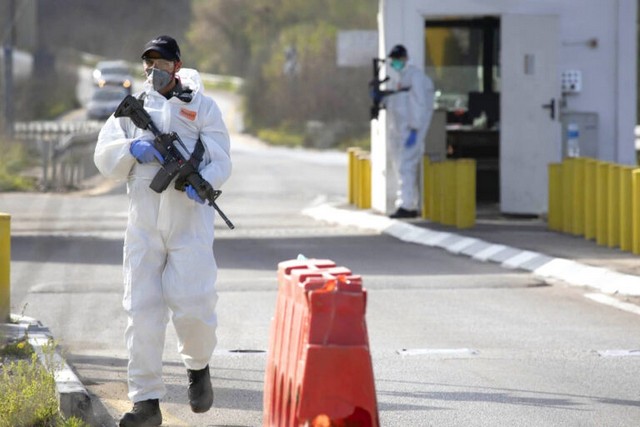
Undaunted Cuba defies the Empire and extends hands of solidarity to continents

By Farooque Chowdhury

Undaunted Cuba’s act of solidarity, in real terms, in today’s pandemic ravaged world is a modern day epic. Now, none, but the Empire, declines the fact.

Cuba’s role in facing the pandemic in countries is unparallel in human history: the island-country facing the longest-ever imperial economic blockade in human history is reaching humanity in countries with medical assistance in defeating the pandemic while the Empire obstructs, actually withholds, Cuba’s life-saving medical supplies – an act of humanity faces an act of imperial cruelty and brutality. In this reality, Cuba stands undaunted, and writes pages in human history: Humanity is one of the guiding principles of the socialist value system, and Cuba stands on this value system. Now, the mainstream can’t deny this Cuba-fact.

An AP report dispatched from Havana on April 3, 2020 was headlined: “Cuban docs fighting coronavirus around world, defying US”. The headline is enough to tell the Cuba-reality.

The report by Andrea Rodriguez describes a background: For two years, the Trump administration has been trying to stamp out one of Cuba’s signature programs – state-employed medical workers treating patients around the globe. The US has notched a series of victories as Brazil, Ecuador and Bolivia sent home thousands after leftist governments were replaced with ones friendlier to Washington.

However, the report went on to describe today’s scene: Cuban doctors have flown off on new missions to battle the pandemic in countries.

According to the report, Cuban doctors and nurses have set up a field hospital equipped with oxygen and ICU beds in the city of Crema in the hard-hit Lombardy region of Italy. The situation in Lombardy was extremely complicated.

Empire’s allegation

The AP report describes another part of the background: Despite the pandemic, and countries in need of medical assistance, the Trump administration continues to discourage countries from contracting Cuban medical workers.

The report cites US State Department: “Host countries seeking Cuba’s help for #COVID-19 should scrutinize agreements and end labor abuses.”

[No reader should laugh, as the imperial power raises the issue of labor abuse while its practices, laws, deals related to labor in home is not a hidden fact today: It’s biased to the exploiting classes, it’s improper, unfair, barred of the minimum in many cases, it’s abuse and cruel. In real terms, it’s killing – in terms of the working classes, and in terms of profit. The imperial world, and imperial-speak is crook, full of nothing, live with lies!]

Fidel’s vision

Cuba currently has about 37,000 medical workers in 67 countries. The most recent deployments of at least 593 doctors from the Henry Reeve International Medical Contingent Specialized in Disaster Situations and Serious Epidemics have been to Belize, Dominica, Grenada, Jamaica, Nicaragua, St. Kitts and Nevis, Saint Vincent and the Grenadines, Suriname, Venezuela. A number of these teams have reinforced existing medical missions. Argentine officials have said they are discussing possible coronavirus help from Cuba. Another Cuban medical mission is planned for Angola. Brazil’s Bolsonaro, who sent back Cuban doctors months ago, is pondering inviting them to help fight out the coronavirus.

Fidel Castro found the Henry Reeve Medical Contingent in 2005. The medical team is named after a 19th-century American volunteer who fought for Cuban independence from Spain. The Medical Contingent was deployed to battle infectious diseases in countries. It was Fidel’s vision – build up solidarity, build up friendship, friendship for humanity, friendship is not for profit, never give up dignity.

However, the Empire is continuing its propaganda to tarnish image of Cuba’s medical work abroad. Cubans sometimes reply the propaganda. “Shame on you. Instead of attacking Cuba and its committed doctors, you should be caring about the thousands of sick Americans who are suffering due to the scandalous neglect of your government and the inability of your failed health system to care for them,” Josefina Vidal, Cuba’s ambassador to Canada, once wrote on Twitter.

Across seas

Members of the Medical Contingent departed Cuba almost every day for many countries. Up to weeks ago, at least 11 medical teams left Cuba for countries to fight the pandemic.

Several Caribbean island countries have expressed the gratitude of their peoples with a warm welcome as Cuban doctors reached the countries to battle coronavirus as a gesture of solidarity.

In countries, highest political leadership received the Cuban medical missions at airports. For example, at the Lesser Antilles, the main island of Saint Vincent and the Grenadines, Ralph Gonsalves, the Premier of the country, received the mission. He thanked “the Cuba of Fidel and Raul”, and President Díaz-Canel, the “continuator.” In Antigua and Barbuda, the United Progressive Party offered a warm, fraternal welcome to the Cuban medical brigade while in Jamaica, Prime Minister Andrew Holness tweeted, “Jamaica appreciates Cuba’s support as we fight this pandemic.”

In Haiti, the Cuban doctors who were scheduled to return home after completing their mission are staying there. They joined the new medical team from Cuba to halt the virus. Marie Greta Roy Clement, Minister of Health, recalled the history of Cuba’s hand reaching out to the Haitian people during cholera, Hurricane Matthew, and an earthquake.

Over the last week, brigade from the Medical Contingent was landing in St. Vincent and the Grenadines while, simultaneously, another team was flying to St. Lucia, and another team was flying over sea to reach another country. No country has set such precedent.

Leydis Maria Labrador Herrera writes in Granma on March 24, 2020:

More than 400,000 children of this earth have delivered a message of hope around the world, taking on the noble task of saving lives. For 56 years, 164 nations can testify to what has been a feat of solidarity, considering that this is an island constantly struggling against economic strangulation by an arbitrary, genocidal blockade.

Our [Cuban] government has decided to maintain international medical collaboration, and in those nations where Cuban internationalists are present, their efforts are directed toward confronting the pandemic and supporting implementation of measures adopted by governments of respective countries.

To battle the pandemic, according to Leydis Maria:

Cuban specialists reached Venezuela in mid-March, to provide advice on effective control of the disease, followed by 136 members of Medical Brigade to reinforce primary care in communities, the front line in confronting the virus.

Medical professionals from Cuba reached Nicaragua on March 18.

On March 20, 51 members of the Contingent arrived in Suriname.

Medical professionals from the Contingent departed for Grenada on March 20.

On March 21, some 140 members of the Contingent departed for Jamaica.

In Europe, the world’s worst coronavirus-hit region, Italy was in the most chaotic and desperate situation, and Lombardy, the center of the outbreak, was recording high numbers of deaths every day. Its health system collapsed while its medical workforce was exhausted. A brigade of 52 doctors and nurses, from the Henry Reeve Contingent reached Italy on March 22. In April, another medical team went there.

Currently, of the countries where Cuban collaboration in the health sector existed before the coronavirus outbreak, more than 30 have confirmed the presence of coronavirus, and in these countries Cuban doctors and nurses are continuing their battle against the virus. The Cuban medical professionals have two essential weapons: proven professional ability and strong sense of responsibility.

Medical professionals from Cuba – 28,268 – are fighting the pandemic in, writes Abel Reyes Montero, in 61countries, up to filing the report. These countries, other than the countries mentioned above, include Algeria (891 members in 47 health centers), China, Guatemala, Kuwait, Qatar (499 members), South Africa (216 members), Togo.

Despite high risk

Reyes Montero’s report in Granma on March 17, 2020 cites Dr. Jorge Hidalgo Bustillo, director of Cuba’s Central Unit for Medical Collaboration (UCCM): 57% of the mission members are considered to be at high risk since they are over 59 years of age and have chronic diseases. The missions go to far-flung areas including border areas. Healthcare infrastructures are weak in some of the countries they serve. A number of members of the medical brigade went to 7-8 medical missions prior to the present mission. In Algeria, Fidel began Cuba’s efforts to offer solidarity around the world through Cuban medicine.

Several countries, writes Leydis Maria, “have requested Cuban support, and others, blinded by political instability, neoliberalism in its purest form and hatred of [Cuba’s] social system, have rejected [Cuba’s] help. But, for the record, [Cuba’s] policy as a country in this situation has been very clear since the communiqué reporting [Cuba’s] decision to give the MS Braemar cruise ship safe harbor was released, stating: ‘These are times of solidarity, of understanding health as a human right, of strengthening international cooperation to face our common challenges, values that are key to the humanist practice of the Revolution and our people.’”

The crew of the MS Braemar, owned by the British Fred Olsen cruise line, spent several days sailing the Caribbean with passengers suffering coronavirus infections, and no-UK ally allowed it to dock.

Enrique Moreno Gimeranez writes in Granma on March 18, 2020:

“Despite diplomatic efforts by the UK government, the ship was refused entry to several ports in the region. But there was nothing fictional about the urgent situation of passengers including the sick whose lives were endangered, with the rest facing possible infection, in the middle of the ocean.

“Cuba said yes, and offered a safe port in the midst of adversity, with modesty, not seeking headlines in the media, for absolutely nothing in return. Such a decision perhaps generated incomprehension on the part of some, those who are unaware of the value of a helping hand during a catastrophe.

“But, for most Cubans, the opportunity to help fills us with patriotic pride, with the emotion only understandable by women and men of good will in all latitudes. Because in ‘times of coronavirus’, the words ‘help, cooperate, work together’ should be the norm, across the planet. Because human civilization should understand, once and for all, that only together can we overcome common challenges and tragedies.

“Cuba, true to its principles, could not act otherwise, nor is this the first time we have done so. Solidarity is in the genes of the Cuban people. It is part of our unique identity and has written memorable chapters in our history.

“Perhaps for these reasons, in the time of Covid-19, the eyes of the world look hopefully to Cuba, and our people, who despite hardships and a fierce blockade, did not hesitate to respond.”

Cuban hands of solidarity in times of distress are not a recent development. Cuban medical professionals went to fight Ebola in Africa, blindness in Latin America and the Caribbean, and rescue earthquake victims in Pakistan. Twenty-six Cuban brigades from the Henry Reeve International Contingent also went to other countries including Indonesia, Mexico, Ecuador, Peru, Chile, Venezuela.

The Cuban government said in mid-April: Cuba is ready to send more medical brigades to countries that need support to contain the pandemic. “We defend solidarity, even in times of pandemic”, Cuban Foreign Minister Bruno Rodríguez said on Twitter.

These are, writes Enrique Moreno Gimeranez, “an expression of solidarity from the Cuban people, who understand health as a human right, help any way we can and share what we have, with those who need it most in difficult times.” The underlying philosophy and ideology of these acts – “help any way we can and share what we have, with those who need it most in difficult times” – are not capitalist.

Market has no role

These acts are not driven by profit motive, not by market, not by geostrategic moves for dominance. That’s the fundamental difference between the Cuban people’s acts and imperialist acts. These are examples of the politics Fidel seeded through the revolution he led. These are examples of the style people’s politics in command of a state machine should do – serve the people. Mao told the same years ago while he was leading revolution in his country – China.

Enrique Moreno Gimeranez quotes Martí said:

“Cuba does not go around the world begging. She goes as a sister […]”

Command over politics

Enrique Moreno cites the scheduled NATO-war drill in Europe, which was going to be the biggest since the Cold War. The military exercise was designed to be joined by thousands of sepoys, lieutenants and generals.

The pandemic forced its planners to downsize the drill. The planned NATO military exercise and the Cuban medical missions in countries went simultaneously on this pandemic-hit planet. These are two ways of life – the first act is of dominance and exploitation while the other act is for life and of solidarity.

Anyone can compare Cuba’s medical mission-fact with the fact related to the multilateral lenders. Multilateral lenders’ acts of ravaging countries, communities and people are well documented today. Throughout the years, more than 56, Cuba was struggling to improve its economy and living standard of its citizens; and not all improvements could be done with a wand, as the country had to face a hostile world imperialist order, an economic blockade, hostile world markets. These made life of its citizens difficult, and sometimes very difficult. But, the turbulent situation failed refrain Cuba from carrying out its internationalist duty, advancing its humane approach. The country, thus, stands as an example of people’s ideology and politics – the acts people carry on whenever it command politics and political power. Without command over politics /political power, people or its politics can’t take such moves. Without political power, such moves can be imagined or planned, but can never be implemented.

Lula voices

These acts of solidarity led Luiz Inácio Lula da Silva, former Brazilian president, and a leader from people’s rank, to write:

Once again, the government and people of Cuba are giving the world an example of solidarity, overcoming all barriers, be they economic, geographical or political in nature. (Granma, March 25, 2020)

In his letter to Miguel Díaz-Canel, the President of Cuba, Lula wrote on March 23, 2020:

I am writing to tell you of the emotion I felt when I saw the image of Cuban doctors arriving in Italy to help the victims of the coronavirus pandemic in that country.

It is in times of crisis that we come to know the truly great. And in these hours, the Cuban people always stand tall before the world. Cuba’s active, militant and revolutionary solidarity has long been visible in various parts of the planet, in a proud, sovereign response to those who attempt to impose an economic blockade and political isolation on the island.

The leader from the rank of people recalled:

The Brazilian people will be eternally grateful for the role Cuba played in our More Doctors program, in a cooperative effort that saved countless lives and taught our own health professionals so much.

That cooperation was brutally interrupted by a government that is disdainful of the people and blinded by a self-centered, inhumane ideology.

Empire treads

How does the other side – the Empire – perform?

An AP report dispatched from Havana on April 4, 2020 (“Cuba: US embargo blocks coronavirus aid shipment from Asia”) said:

A shipment of coronavirus aid to Cuba was blocked by the six-decade U.S. embargo on Cuba. Jack Ma Foundation tried to send Cuba 100,000 facemasks and 10 COVID-19 diagnostic kits in March, along with other aid including ventilators and gloves. The Foundation is sending similar aids to the US and 24 countries including Cuba in the region. The cargo carrier of Colombia-based Avianca Airlines declined to carry the aid to Cuba because its major shareholder is a US-based company subject to the trade embargo on Cuba. The embargo has exceptions for food and medical aid but companies are often afraid to carry out related financing or transportation due to the risk of fines or prosecution under the embargo. Carlos Fernando de Cossio, Cuba’s head of US affairs, said, the blocking “doesn’t surprise us. It’s the type of obstacle that Cuba confronts daily in order to take care of the country’s basic necessities.”

The Empire’s blockade of Cuba is denying Cuba’s public health system access to two regular suppliers of ventilators. As a consequence of the US blockade of Cuba, the manufacturers IMTMedical AG and Acutronic, announced the end of commercial relations with Cuba, after the companies were acquired by the US firm Vyaire Medical Inc. “Unfortunately, the corporate guideline we have today is to suspend all commercial relations with Medicuba”, both of the companies stated. Eugenio Martínez Enríquez, director for Latin America and the Caribbean at Cuba’s Ministry of Foreign Affairs, conveyed the fact on his Twitter account. The Cuban diplomat also denounced that fact that the blockade prevents Cuba from purchasing medicines from US firms. Lázaro Silva, vice president of Medicuba, the entity that imports drugs, equipment and medical supplies for the country’s public health system, confirmed the fact. Only hours before this development, Tedros Adhanom Ghebreyesus, the WHO chief, called for putting sanctions “in quarantine,” since “thousands of lives are at stake”. Cuba has attempted to acquire medicine and supplies with 60 US firms, but only two have made response. (Walkiria Juanes and Sánchez Ronald Suárez Rivas, “U.S. company buys ventilator supplier and cancels shipments to Cuba citing blockade”, Granma, April 13, 2020)

US sanctions take heavy toll from Cuba while Cuba always stands by the distressed people in countries. The sanctions, according to Cuban health officials, make it extremely difficult for Cuba to import essential supplies needed to battle the coronavirus. Nestor Marimon, the Cuban Health Ministry’s international relations director, told reporters: The economic-financial blockade is the most unfair, severe, prolonged system of sanctions of all time by one country against another. The US blockade has become “even more cruel and genocidal than it normally is when we don’t have an epidemic.” It has severely hindered Cuba’s procurement of medical supplies from foreign markets. It’s very difficult to buy equipment, supplies, medicines. We are forced to buy them in far away markets that double, triple the costs and on many occasions they arrive late. According to Marimon, the Cuban Health Ministry lost $160 million between April 2019 and March 2020 due to the sanctions, $60 million more than the year prior.

Two aspects & political question

Two aspects of the reality surface here. On the one hand, it’s Cuba’s approach to serve humanity with the spirit of solidarity; and on the other, it’s imperialist approach to destroy a revolution Cuba continues with. The two are antagonistic to each other. The first approach is people’s stand on issues of life while the imperialist approach is to destroy whatever is humane. The first approach can’t survive and move forward without serving people, without standing for people, without reaching people, without solidarity among people while the other, imperialist, is inherently anti-people, inherently incapable of serving people, inherently bent on killing people. Both have respective ideologies and economic interests. One is of people and the other is of imperialists.

The example Cuba is setting shows another fact: People’s capacity to create, fight and stand for life. A comparison between the resources Cuba and the Empire command is noteworthy. The resources Cuba commands are in no way comparable to the resources of the Empire. The Empire’s resources are huge. But it doesn’t go for people. Cuba’s is little. But, with an ideology and politics for serving people, the little resource plays effective role in serving people. This indicates the extent peoples in countries can reach if it can command more resources, if it can employ science for people, if it can engage expertise for people, which is possible if it can command politics. Cuba’s role in battling the pandemic, thus, stands as a political lesson, as a political question.

Fundamental question

Hollowness of and treachery by moneybags – the owners of capitals at the world scale – have been exposed by Cuba’s battle against the pandemic. The geographically small country with little resource has the capacity to mobilize its medical professionals to countries within short notice to fight the pandemic. But the big bosses have no such capacity. The bosses need help.

Nevertheless, the big bosses are always lending huge money to countries for lucrative projects, many of which destroyed environment and ecology in countries. The bosses also have window to finance private sector. These financing always returns to the bosses’ pocket in size larger than the original. The bosses are always sermonizing people on “ways to improve livelihood, on ways to get out of poverty, on ways to democratize”. The bosses are always efficient in producing analytical reports with colorful covers, charts, graphs, etc., which market their ideas. But, the bosses are always failing to finance a research organization like Cuba’s that can produce weapons to fight such a pandemic. And, the bosses are always failing to feel ashamed for their devastating theoretical and practical acts. The research organization of Cuba that produced a number of effective medicines to fight such epidemics in countries/current pandemic was initiated in a building less than 200 sq meters. Anyone can imagine the level of resource the organization had or the fund Cuba could allocate for the organization, which is far, far less than the bosses spent for producing their fat reports over the decades, for marketing their ideas, for exploiting resources of public, for bribing minds in countries. The bosses failed to design through their deep analysis and finance an organization that can mobilize medical professionals in countries to counter such a pandemic. Yet, the bosses organize and train youth and social media activists to foment turmoil against political order they consider their enemy and get busy with delivering sermons on issues and finance areas ranging from agriculture, trade, industry, labor, health, education to legislation, judiciary and politics that includes election.

So, the Cuba-example raises fundamental questions related to politics and political power – who shall use resources for what purpose with what motive, and who is to be served – people or profiteers? The bosses shall never attend to the questions. They’ll shy away from the questions as they’re dignified gentlemen, and get busy with selling their ideas for loot. Then, people have to attend to the question – whether life or death, whether a humane world where life thrives or a world where negligence to issues critical for life and love for greed lead to murder of people at mass scale in countries as the current coronavirus pandemic witnesses?

Farooque Chowdhury writes from Dhaka.

17 April 2020

Source: countercurrents.org