Just International

Cuba: From AIDS, Dengue, and Ebola to COVID-19

By Don Fitz

Preparing for a pandemic requires understanding that a change in the relationship between people is primary and the production of things is secondary and flows from social factors. Investors in profit-based medicine cannot comprehend this concept. Nothing could exemplify it more clearly than Cuba’s response to the corona virus (COVID-19).

The US dawdled for months before reacting. Cuba’s preparation for COVID-19 began on January 1, 1959. On that day, over sixty years before the pandemic, Cuba laid the foundations for what would become the discovery of novel drugs, bringing patients to the island, and sending medical aid abroad.

For twenty years before the 1959 revolution, Cuban doctors were divided between those who saw medicine as a way to make money and those who grasped the necessity of bringing medical care to the country’s poor, rural, and black populations. An understanding of the failings of disconnected social systems led the revolutionary government to build hospitals and clinics in under-served parts of the island at the same time it began addressing crises of literacy, racism, poverty, and housing.

By 1964, Cuba began creating policlínicos integrales, which were recreated as policlínicos comunitarios in 1974 to better link communities and patients. By 1984, Cuba had introduced the first doctor-nurse teams who lived in the neighborhoods they served. This continuing redesign of Cuban primary and preventive health has lasted through today as a model, allowing it to surpass the US in life expectancy and infant mortality.

It had an overarching concern with health care, even though it had never escaped from poverty. This resulted in Cuba’s eliminating polio in 1962, malaria in 1967, neonatal tetanus in 1972, diphtheria in 1979, congenital rubella syndrome in 1989, post-mumps meningitis in 1989, measles in 1993, rubella in 1995, and tuberculosis meningitis in 1997.

The Committees for Defense of the Revolution (CDRs) became a key part of mobilization for healthcare. Organized in 1960 to defend the country, block by block if necessary, from a possible US invasion, the CDRs took on more community care tasks as foreign intervention seemed less likely. They became prepared to move the elderly, disabled, sick, and mentally ill to higher ground if a hurricane approached. They currently help in removal of mosquito breeding places during episodes of dengue fever, participate in health education programs, ensure distribution of children’s vaccination cards, and help train auxiliary staff in oral vaccination campaigns.

AIDS in a Time of Disaster

Two whammies pounded Cuba in the late 1980s and early 1990s. The first victim of AIDS died in 1986, and Cuba isolated soldiers returning from war in Angola who tested positive for HIV. A hate campaign against Cuba claimed that the quarantine reflected prejudice against homosexuals. But the facts showed that (1) soldiers returning from Africa were overwhelmingly heterosexual (as were most African AIDS victims), (2) Cuba had quarantined dengue patients with no outcry, and (3) the US itself had a history of quarantining patients with tuberculosis, polio, and even AIDS.

The second blow landed quickly. In December 1991, the Soviet Union collapsed, ending its $5 billion annual subsidy, disrupting international commerce, and sending the Cuban economy into a free fall that exacerbated AIDS problems. A perfect storm for AIDS infection appeared to be brewing. The HIV infection rate for the Caribbean region was second only to southern Africa. The embargo simultaneously reduced the availability of drugs (including those for HIV/AIDS), as it made existing pharmaceuticals outrageously expensive and disrupted the financial infrastructures used for drug purchases. If these were not enough, Cuba opened the floodgate of tourism to cope with lack of funds. As predicted, tourism brought an increase in prostitution. There was a definite possibility that the island would succumb to a massive epidemic that would rival the effects of measles and smallpox which had arrived with European invaders to the New World.

The government response was immediate and strong. It drastically reduced services in all areas except two which had been enshrined as human rights: education and health care. Its medical research institutes developed Cuba’s own diagnostic test by 1987. Testing for HIV/AIDS went into high gear, with completion of over 12 million tests by 1993. Since the population was about 10.5 million, that meant that persons at high risk were tested multiple times.

Education about AIDS was massive for sick and healthy, for children as well as adults. By 1990, when homosexuals had become the island’s primary HIV victims, anti-gay prejudice was officially challenged as schools taught that homosexuality was a fact of life. Condoms were provided free at doctor’s offices. I witnessed the survival of the education program during a 2009 trip to Cuba; the first poster I saw on the wall when entering a doctor’s office had two men with the message to use condoms.

Despite high costs, Cuba provided antiretroviral (ART) drugs free to patients. One of the great ironies of the period was that those who screeched most noisily about Cuba’s “anti-homosexual” quarantines remained silent as the Torricelli Bill of 1992 and the Helms-Burton Act of 1996, designed to “wreak havoc” on the island,” seriously hindered the government’s efforts to bring ART drugs to HIV victims.

Cuba’s united and well-planned effort to cope with HIV/AIDS paid off. At the same time Cuba had 200 AIDS, cases New York City (with about the same population) had 43,000 cases. NYC residents were far less likely to have recently visited sub-Saharan Africa, where a third of a million Cubans had just returned from fighting in the Angolan war. When the HIV infection rate in Cuba was 0.5 percent, it was 2.3 percent in the Caribbean region and 9.0 percent in southern Africa. During the period 1991–2006, Cuba had a total of 1,300 AIDS-related deaths. By contrast, the less populous Dominican Republic had 6,000 to 7,000 deaths annually. In 1997, Chandler Burr wrote in The Lancet that Cuba had “the most successful national AIDS programme in the world.” Despite having only a small fraction of wealth and resources of the United States, Cuba had implemented an AIDS program superior to that of the country seeking to destroy it.

Dengue and Interferon Alpha 2B

The mosquito-borne dengue fever hits Cuba every few years. Its doctors and medical students check for fever, joint pain, muscle pain, abdominal pain, headache behind the eye sockets, purple splotches, and bleeding gums. What is unique about Cuba is that its medical students leave school and go door-to-door making home evaluations.

Students from ELAM (Spanish acronym for the Latin American School of Medicine) come from over 100 countries and speak with a huge number of accents. They have no trouble walking through homes, looking for mosquito-attracting plants, and peering onto roofs to see if there is standing water.

During a 1981 outbreak of dengue, expanded surveillance techniques included inspections, vector control education, spraying, and “mobile field hospitals during the crisis with a liberal policy of admissions.” Cuba also increased testing for potential cases during a 1997 dengue outbreak. Increased testing of hospital patients was combined with surveillance data to produce predictions concerning secondary infections related to death rates. These campaigns, which combined citizen involvement with health care professionals and researchers, have resulted in reduced incidence of dengue and decreased mortality.

In 1981, Cuba’s research institutes created Interferon Alpha 2B to successfully treat dengue. The same drug became vitally important decades later as a potential cure for COVID-19. According to Helen Yaffe, “Interferons are ‘signaling’ proteins produced and released by cells in response to infections that alert nearby cells to heighten their anti-viral defenses.” Cuban biotech specialist Dr. Luis Herrera Martinez adds that, “its use prevents aggravation and complications in patients, reaching that stage that ultimately can result in death.”

Since 2003, Interferon Alpha 2B has been produced in China by the enterprise ChangHeber, a Cuban-Chinese joint venture. “Cuba’s interferon has shown its efficacy and safety in the therapy of viral diseases including Hepatitis B and C, shingles, HIV-AIDS, and dengue.” Cuba has researched multiple drugs, “despite the U.S. blockade obstructing access to technologies, equipment, materials, finance, and even knowledge exchange.”

Ebola and International Aid

AIDS and dengue were problems that affected the Cuban population; but Ebola Virus Disease (EVD) was quite different. Viruses that cause EVD are mainly in Sub-Saharan Africa, an area that Cubans had not frequented for several decades.

When the Ebola virus increased dramatically in fall 2014, much of the world panicked. Soon, over 20,000 people were infected, more than 8,000 had died, and worries mounted that the death toll could reach into hundreds of thousands. The United States provided military support; other countries promised money.

Cuba was the first nation to respond with what was most needed: it sent 103 nurse and 62 doctor volunteers to Sierra Leone. With 4,000 medical staff (including 2,400 doctors) already in Africa, Cuba was prepared for the crisis before it began.

Since many governments did not know how to respond to Ebola, Cuba trained volunteers from other nations at Havana’s Pedro Kourí Institute of Tropical Medicine. In total, Cuba taught 13,000 Africans, 66,000 thousand Latin Americans, and 620 Caribbeans how to treat Ebola without themselves becoming infected.

This was hardly the first time that Cuba had responded to medical crises in poor countries. Only fifteen months after the revolution, in March 1960, Cuba sent doctors to Chile after an earthquake. Much better known is Cuba’s 1963 medical brigade to Algeria, which was fighting for independence from France.

In the very first days of the revolution, there were insufficient medical staff and facilities in rural parts of Cuba that were predominantly black. It was perfectly natural for those who learned of lack of treatment and disasters that plagued other parts of the world to go abroad to assist those in need.

Revolutionary solidarity was often a collective family choice. Dr. Sara Perelló had just graduated from medical school when her mother heard Fidel say that Algerians were even worse off than Cubans and called on doctors to join a brigade to assist them. Dr. Perelló wanted to volunteer but was worried that her elderly mother suffered from Parkinson’s disease. Her mother responded that Sara’s sister and husband would help her as would the government: “Now the thing to do is go forward and don’t worry about your mother, who will be well taken care of.”

Cuban solidarity missions show a genuine concern that often seems to be lacking in health care providers from other countries. Medical associations in Venezeula and Brazil could not find enough of their own doctors to go to dangerous communities or travel to rural areas by donkey or canoe as Cuba doctors do. When Cuban doctors went to Bolivia, they visited 101 communities that were so remote that they did not appear on a map.

A devastating earthquake hit Haiti in 2010. Cuba sent medical staff who lived among Haitians and stayed months or years after the earthquake was out of the news. US doctors did not sleep where Haitian victims huddled, returned to luxury hotels at night, and departed after a few weeks. The term “disaster tourism” describes the way that many rich countries respond to medical crises in poor countries.

The commitment that Cuban medical staff show internationally is a continuation of the effort that the country’s health care system made in spending three decades to find the best way to strengthen bonds between care-giving professionals and those they serve. Kirk and Erisman provide statistics demonstrating the breadth that Cuba’s international medical work had reached by 2008: it had sent over 120,000 health care professionals to 154 countries; Cuban doctors had cared for over 70 million people in the world; and, almost 2 million people owed their lives to Cuban medical services in their country.

There is a noteworthy disaster when a country refused an offer of Cuban aid. After the 2005 Katrina Hurricane, 1,586 Cuban health care professionals were prepared to go to New Orleans. President George W. Bush rejected the offer, acting as if it would be better for American citizens to die than to admit the quality of Cuban aid. This decision foreshadowed the 2020 behavior of Donald Trump, who searched for a treatment for COVID-19 while pretending that Interferon Alpha 2B does not exist.

Contrasts: Cuba and the United States

These bits of history are background for contrasts between Cuba and the United States during the COVID-19 pandemic. Those of us old enough to remember that in the 1960s, we could still have a relationship with a doctor without an insurance company interceding can appreciate that social bonds between physicians and patients were eroding in the United States at the same time they were being strengthened in Cuba.

Testing. Since Cuba brought both AIDS and dengue under control with massive increases and modifications of testing, it was well prepared to develop a national testing program for COVID-19. Similarly, China was able to quickly halt the epidemic, not simply from lockdowns, but also because it quickly tested suspected victims, took necessary steps for isolation and treatment of those found to be positive, and tested case contacts who were asymptomatic.

It is no accident that the United States is a global leader in neoliberal efforts to reduce or privatize public services, proved incapable of mounting an effective testing campaign, and, by the end of March 2020 was on the way to leading the world in COVID-19 cases. In mid-March, the United States had been able to test 5 per million people, though South Korea had tested more than 3,500 per million.

Symptomatic of governmental incompetence in the United States was Trump’s putting vice-president Pence in charge of COVID-19 control. It was Pence, who as Indiana governor, had drastically cut funds for HIV testing (urging people to pray), thereby contributing to an increase in infections.

Costs of care and medication. Medical care in Cuba is a human right with no costs for treatment and only very small charges for prescriptions. Pharmaceutical companies were some of the first industries nationalized after the revolution. US policies routinely hand over billions of tax dollars to Big Pharma, which routinely gets away with gouging citizens mercilessly.

There are no insurance companies in Cuba to add to medical expenses and dictate patient care decisions to doctors. Even if testing becomes free in the United States, people must still decide if they can afford treatment for COVID-19. Those who think that their insurance will cover their COVID-19 bills, “may receive a large out-of-network bill if the ER has been outsourced to a physician staffing firm that is not covered by the insurance.”

Protecting Workers. When natural disasters halt work, Cuban workers receive their entire salaries for one month and 60 percent of salaries after that. Cuban citizens receive food allotments and education at no cost, and utilities are extremely low. Cuba was able to shift production in nationalized factories so quickly and was able to churn out so much personal protective equipment (PPE) that it could send it to accompany the medical staff going to Italy when it was the pandemic’s center.

In the United States, there were nearly 10 million unemployment compensation claims by the end of the first week in April, and the country is not well-known for helping the unemployed by increasing taxes on the rich or reducing the military budget. There could be over 56 million “informal workers” in the United States who are not entitled to unemployment benefits. Forcing many US citizens to go to work because they cannot afford to go without basic necessities threatens the entire population with further spread of the pandemic. US health care workers have been short of PPE, including masks, gowns, gloves and test kits. Yet, President Trump is allowed to hold ventilators as “rewards” for states whose governors write that they appreciate him.

Comprehensiveness of Health Care. The Cuban revolution immediately reorganized the country’s disconnected health services and today has an integrated system beginning with neighborhood doctor-nurse offices tied into community clinics linked to area hospitals, all of which are supported by research institutes. The health system is connected to citizens’ organizations that have decades of experience protecting the country. This “inter-sectoral cooperation” is a keystone of health care. In Cuba, it would be inconceivable to have fifty different state policies that may or may not be consistent with national policies and may allow counties and cities within them to have their own procedures.

Instead of integrating plans for an effective approach to combating disease, the United States dismantles and/or privatizes whenever it can. Trump disbanded the pandemic response team, tried to underfund the pandemic prevention work of the World Health Organization, and sought to weaken nursing home regulations, the Center for Disease Control and Prevention, and the National Institutes of Health.

Lest anyone think that this is peculiar to Republicans, please remember that Democrats have long been in the forefront of neoliberalism and utilization of the “shock doctrine” approach that Naomi Klein described. Both parties have contributed to dismantling environmental rules so desperately needed.

Rebecca Beitsch reported on March 26 that “The Environmental Protection Agency (EPA) issued a sweeping suspension of its enforcement of environmental laws, telling companies they would not need to meet environmental standards during the coronavirus outbreak.” Not wanting to be left out, “the oil and gas industry began asking the federal government to loosen enforcement of federal regulations on public lands in response to the coronavirus pandemic.” They sought an extension of two-year permits and the ability to hold onto unused leases. If pandemics such as COVID-19 recur in the future, will added pollution and climate-related diseases weaken human immune systems, making them more vulnerable to infections?

If so, universal medical coverage would be essential to protection for tens of millions of Americans. A recipient of huge donations from medical and pharmaceutical companies, Joe Biden has supported efforts to undermine social security and “suggested he would veto any Medicare for All bill that the House of Representatives passed.”

The Reality of Preparing to Deal with Medical Crises. Pascual Serrano noted that Cuba had already instituted the Novel Coronavirus Plan for Prevention and Control by March 2, 2020. Four days later it updated the Plan by adding “epidemiological observation,” which included specific measures like temperature taking and potential isolation, to infected incoming travelers. These occurred before Cuba’s first confirmed COVID-19 diagnosis on March 11. By March 12, after three Italian tourists were identified as having symptoms, the government announced that 3,100 beds at military hospitals would be available. Vulnerable groups such as seniors receive special attention. Cuba put a cohesive plan into motion that provides citizens with straightforward information, mobilizes workers to protect themselves and the country, and shifts production to necessary supplies.

At the same time, Donald Trump precautioned Americans to be wary of “fake news” about the virus. Then he said, “It will go away.” On February 26, he falsely said the number of U.S. COVID-19 cases “within a couple of days is going to be down to close to zero.” He claimed, “It’s going to disappear thanks to what I did… ” Then he told everyone they should go to church on Easter Sunday and that Americans should go to work even if they had the virus. Unquestionably, Trump’s behavior contributed to the spreading of the disease. His statements were consistent with the desires of industry to resume business as usual.

While the United States produces a surplus of unnecessary junk, Cuba produces a surplus of health care professionals. Consequently, Cuba has 8.2 doctors per 1,000 people while the United States has 2.6 doctors per 1,000. While I was on a 2019 trip there, a recently graduated Cuban doctor told me that he only works about 20-25 hours per week. But during medical disasters, it could easily be 80-100 hours per week.

Education. Cuba has used mass education to effectively change behavior during epidemics. In 2003, Dr. Byron Barksdale pointed out how Cuba’s six-week program for AIDS patients was “certainly a longer time than is given to people in the United States who receive such a diagnosis. They may get about five minutes of education.” During dengue outbreaks, medical professionals who go to homes explain in detail why water must be drained or covered and what plants augment mosquito breeding.

The United States confronts health crises with “campaigns” that are grossly inadequate. TV ads run for a few weeks or months, and physicians may receive brochures to give to patients. There is nothing even approaching visits to every home to inspect how families can be contributing to their own illness and how to adopt behaviors to counter the disease.

Donald Trump’s inconsistent rantings about COVID-19 are the epitome of miseducation campaigns. Climate denial has served as a dress rehearsal for COVID-19 denial. The Trump reign has been a practice session in stupefying millions into believing anything a Great Leader says no matter how ridiculous it is. His tweets have a pathological similarity to the intensely anti-intellectual perspective that is dismissive of education, philosophy, art, and literature and insists that scientific investigation should never be trusted.

The day before yesterday, they insisted that the world was flat. Yesterday, they believed that evolution was a theory from Satan. This morning, they insisted that heating of the globe is a fantasy designed to choke corporate expansion. How close must it get to midnight before those drunk with Trump’s Kool-Aid are willing to see the facts of COVID-19 growth unfolding before their eyes?

International Solidarity. Cuba made international headlines the third week in March 2020 when it allowed the British cruise ship MS Braemar to dock with COVID-19 patients aboard. It had been turned away by several other Caribbean countries, including Barbados and the Bahamas, which are both part of the British Commonwealth. There were over 1,000 passengers on board, mainly British, who had been stranded for over a week. Braemar crew members displayed a banner reading “I love you Cuba!” Undoubtedly, Cuban officials felt okay letting the ship dock because its doctors had gained so much experience being exposed to deadly viruses like Ebola while knowing how to protect themselves.

The same week in March, a medical brigade of 53 Cubans left to Lombardy, one of the worst hit areas of Italy, the European country most affected by COVID-19. Soon they were joined by 300 Chinese doctors. A smaller and poorer Caribbean nation was one of the few aiding a major European power. Cuba had also sent medical staff to Venezuela, Nicaragua, Suriname, Grenada, and Jamaica.

Meanwhile, the US administration was refusing to lift sanctions on Venezuela and Iran, sanctions that interfered with these countries receiving PPE, medical equipment, and drugs. Yet, it continued sending thousands of personnel to Europe for military maneuvers. It manufactured a smear campaign against President Maduro of Venezuela, portraying him as a drug trafficker. Trump disgraced America by pandering to his most racist supporters by referring to COVID-19 as the “China virus.”

As Cuba shared anti-virus technologies with other countries, reports surfaced that the Trump administration offered the German company CureVac $1 billion if it could find a remedy for COVID-19 and hand over exclusive rights “only for the USA.” This meant endangering the lives of Americans in two ways. By trying to monopolize a drug that had not yet been developed, Trump was trying to distract attention from the existing Interferon Alpha 2B which China was already including among thirty treatment drugs for the disease. By continuing the sixty-year-old blockade, Trump hampered Cuba from receiving supplies for the development of new anti-COVID-19 medications.

What Do Researchers Look For? When Cuban labs created Interferon Alpha 2B to treat dengue, it was just one of many drugs researched to investigate treatments, especially those that would help people in poor countries. Its use of Heberprot B to treat diabetes has reduced amputations by 80 percent.

Cuba is the only country to create an effective vaccine against type-B bacterial meningitis. It developed the first synthetic vaccine for Haemophilus influenza type B (Hib), as well as the vaccine Racotumomab against advanced lung cancer. Cuba’s second focus has been to manufacture drugs cheaply enough for poor counties to be able to afford them. Third, Cuba has sought to work cooperatively, with countries such as China, Venezuela, and Brazil, in drug development. Collaboration with Brazil resulted in meningitis vaccines at a cost of 95¢ rather than $15 to $20 per dose. Finally, Cuba teaches other countries to produce medications themselves, so they do not have to rely on purchasing them from rich countries.

In virtually every way, corporate research has been the opposite of that in Cuba. Big Pharma spends millions investigating male pattern baldness, restless legs, and erectile dysfunction because these could reap billions in profits. The COVID-19 pandemic promises to bring in super-profits, and governments are acting to make sure that happens. At the same time Trump was making promises to the German CureVac company, his administration was looking into giving exclusive status to Gilead Sciences for developing its drug remdesivir as a potential treatment for COVID-19. US taxpayers would dole out millions to create a medication that could be too expensive for them to buy.

Though Donald Trump is the nadir of national chauvinism countering global cooperation, it is important to remember that it is the market system that pushes research into investigations that yield the greatest profit instead of where it will do the most good.

Future Pandemics. Cuba’s dengue epidemic in early 2012 seemed odd because outbreaks usually happen in the fall and are over by December. It is rare for them to last into January and February. Climate change is making local conditions more suitable for the mosquitoes that are vectors for dengue. During the last half-century, Cuban health officials have calculated a thirty-fold increase of the Aedes aegypti mosquito, the main vector.

Corporate media regularly tells us that COVID-19 is “unprecedented,” as if nothing like it will happen when it subsides because, after all, nothing like it has happened before. Not really. Claiming that COVID-19 is the “worst pandemic” to ever hit this continent is either saying that smallpox had no effect on Native Americans or that Native American deaths are irrelevant to medical history.

Many Americans may be receiving a one-time “stimulus check,” which will not recur every time bills need to be paid and will be infinitesimally smaller than sums bestowed upon corporations. But people don’t need a “stimulus” to pay $100-$1,000 for a test. They don’t need a one-time cash payment to cover $200-$2,000 for vaccination. They don’t need $1,200 for partial reimbursement of a $30,000 COVID-19 bill. They don’t need dribbling financial “aid” to pay for bills that go on without end. People need medical testing, treatment, and vaccination for all as a collective human right.

Though creating tests, treatments, and vaccines are essential parts of fighting disease, they will not be sufficient in a society suffering from a pandemic of profit-gouging. The restructuring of social relationships is critical not only to unleash the creative power to invent new things such as necessary medicines, but also to ensure those things benefit all who need them.

Don Fitz is on the editorial board of Green Social Thought, where this article was originally copublished with MR Online.

17 April 2020

Source: countercurrents.org

Undaunted Cuba defies the Empire and extends hands of solidarity to continents

By Farooque Chowdhury

Undaunted Cuba’s act of solidarity, in real terms, in today’s pandemic ravaged world is a modern day epic. Now, none, but the Empire, declines the fact.

Cuba’s role in facing the pandemic in countries is unparallel in human history: the island-country facing the longest-ever imperial economic blockade in human history is reaching humanity in countries with medical assistance in defeating the pandemic while the Empire obstructs, actually withholds, Cuba’s life-saving medical supplies – an act of humanity faces an act of imperial cruelty and brutality. In this reality, Cuba stands undaunted, and writes pages in human history: Humanity is one of the guiding principles of the socialist value system, and Cuba stands on this value system. Now, the mainstream can’t deny this Cuba-fact.

An AP report dispatched from Havana on April 3, 2020 was headlined: “Cuban docs fighting coronavirus around world, defying US”. The headline is enough to tell the Cuba-reality.

The report by Andrea Rodriguez describes a background: For two years, the Trump administration has been trying to stamp out one of Cuba’s signature programs – state-employed medical workers treating patients around the globe. The US has notched a series of victories as Brazil, Ecuador and Bolivia sent home thousands after leftist governments were replaced with ones friendlier to Washington.

However, the report went on to describe today’s scene: Cuban doctors have flown off on new missions to battle the pandemic in countries.

According to the report, Cuban doctors and nurses have set up a field hospital equipped with oxygen and ICU beds in the city of Crema in the hard-hit Lombardy region of Italy. The situation in Lombardy was extremely complicated.

Empire’s allegation

The AP report describes another part of the background: Despite the pandemic, and countries in need of medical assistance, the Trump administration continues to discourage countries from contracting Cuban medical workers.

The report cites US State Department: “Host countries seeking Cuba’s help for #COVID-19 should scrutinize agreements and end labor abuses.”

[No reader should laugh, as the imperial power raises the issue of labor abuse while its practices, laws, deals related to labor in home is not a hidden fact today: It’s biased to the exploiting classes, it’s improper, unfair, barred of the minimum in many cases, it’s abuse and cruel. In real terms, it’s killing – in terms of the working classes, and in terms of profit. The imperial world, and imperial-speak is crook, full of nothing, live with lies!]

Fidel’s vision

Cuba currently has about 37,000 medical workers in 67 countries. The most recent deployments of at least 593 doctors from the Henry Reeve International Medical Contingent Specialized in Disaster Situations and Serious Epidemics have been to Belize, Dominica, Grenada, Jamaica, Nicaragua, St. Kitts and Nevis, Saint Vincent and the Grenadines, Suriname, Venezuela. A number of these teams have reinforced existing medical missions. Argentine officials have said they are discussing possible coronavirus help from Cuba. Another Cuban medical mission is planned for Angola. Brazil’s Bolsonaro, who sent back Cuban doctors months ago, is pondering inviting them to help fight out the coronavirus.

Fidel Castro found the Henry Reeve Medical Contingent in 2005. The medical team is named after a 19th-century American volunteer who fought for Cuban independence from Spain. The Medical Contingent was deployed to battle infectious diseases in countries. It was Fidel’s vision – build up solidarity, build up friendship, friendship for humanity, friendship is not for profit, never give up dignity.

However, the Empire is continuing its propaganda to tarnish image of Cuba’s medical work abroad. Cubans sometimes reply the propaganda. “Shame on you. Instead of attacking Cuba and its committed doctors, you should be caring about the thousands of sick Americans who are suffering due to the scandalous neglect of your government and the inability of your failed health system to care for them,” Josefina Vidal, Cuba’s ambassador to Canada, once wrote on Twitter.

Across seas

Members of the Medical Contingent departed Cuba almost every day for many countries. Up to weeks ago, at least 11 medical teams left Cuba for countries to fight the pandemic.

Several Caribbean island countries have expressed the gratitude of their peoples with a warm welcome as Cuban doctors reached the countries to battle coronavirus as a gesture of solidarity.

In countries, highest political leadership received the Cuban medical missions at airports. For example, at the Lesser Antilles, the main island of Saint Vincent and the Grenadines, Ralph Gonsalves, the Premier of the country, received the mission. He thanked “the Cuba of Fidel and Raul”, and President Díaz-Canel, the “continuator.” In Antigua and Barbuda, the United Progressive Party offered a warm, fraternal welcome to the Cuban medical brigade while in Jamaica, Prime Minister Andrew Holness tweeted, “Jamaica appreciates Cuba’s support as we fight this pandemic.”

In Haiti, the Cuban doctors who were scheduled to return home after completing their mission are staying there. They joined the new medical team from Cuba to halt the virus. Marie Greta Roy Clement, Minister of Health, recalled the history of Cuba’s hand reaching out to the Haitian people during cholera, Hurricane Matthew, and an earthquake.

Over the last week, brigade from the Medical Contingent was landing in St. Vincent and the Grenadines while, simultaneously, another team was flying to St. Lucia, and another team was flying over sea to reach another country. No country has set such precedent.

Leydis Maria Labrador Herrera writes in Granma on March 24, 2020:

More than 400,000 children of this earth have delivered a message of hope around the world, taking on the noble task of saving lives. For 56 years, 164 nations can testify to what has been a feat of solidarity, considering that this is an island constantly struggling against economic strangulation by an arbitrary, genocidal blockade.

Our [Cuban] government has decided to maintain international medical collaboration, and in those nations where Cuban internationalists are present, their efforts are directed toward confronting the pandemic and supporting implementation of measures adopted by governments of respective countries.

To battle the pandemic, according to Leydis Maria:

Cuban specialists reached Venezuela in mid-March, to provide advice on effective control of the disease, followed by 136 members of Medical Brigade to reinforce primary care in communities, the front line in confronting the virus.

Medical professionals from Cuba reached Nicaragua on March 18.

On March 20, 51 members of the Contingent arrived in Suriname.

Medical professionals from the Contingent departed for Grenada on March 20.

On March 21, some 140 members of the Contingent departed for Jamaica.

In Europe, the world’s worst coronavirus-hit region, Italy was in the most chaotic and desperate situation, and Lombardy, the center of the outbreak, was recording high numbers of deaths every day. Its health system collapsed while its medical workforce was exhausted. A brigade of 52 doctors and nurses, from the Henry Reeve Contingent reached Italy on March 22. In April, another medical team went there.

Currently, of the countries where Cuban collaboration in the health sector existed before the coronavirus outbreak, more than 30 have confirmed the presence of coronavirus, and in these countries Cuban doctors and nurses are continuing their battle against the virus. The Cuban medical professionals have two essential weapons: proven professional ability and strong sense of responsibility.

Medical professionals from Cuba – 28,268 – are fighting the pandemic in, writes Abel Reyes Montero, in 61countries, up to filing the report. These countries, other than the countries mentioned above, include Algeria (891 members in 47 health centers), China, Guatemala, Kuwait, Qatar (499 members), South Africa (216 members), Togo.

Despite high risk

Reyes Montero’s report in Granma on March 17, 2020 cites Dr. Jorge Hidalgo Bustillo, director of Cuba’s Central Unit for Medical Collaboration (UCCM): 57% of the mission members are considered to be at high risk since they are over 59 years of age and have chronic diseases. The missions go to far-flung areas including border areas. Healthcare infrastructures are weak in some of the countries they serve. A number of members of the medical brigade went to 7-8 medical missions prior to the present mission. In Algeria, Fidel began Cuba’s efforts to offer solidarity around the world through Cuban medicine.

Several countries, writes Leydis Maria, “have requested Cuban support, and others, blinded by political instability, neoliberalism in its purest form and hatred of [Cuba’s] social system, have rejected [Cuba’s] help. But, for the record, [Cuba’s] policy as a country in this situation has been very clear since the communiqué reporting [Cuba’s] decision to give the MS Braemar cruise ship safe harbor was released, stating: ‘These are times of solidarity, of understanding health as a human right, of strengthening international cooperation to face our common challenges, values that are key to the humanist practice of the Revolution and our people.’”

The crew of the MS Braemar, owned by the British Fred Olsen cruise line, spent several days sailing the Caribbean with passengers suffering coronavirus infections, and no-UK ally allowed it to dock.

Enrique Moreno Gimeranez writes in Granma on March 18, 2020:

“Despite diplomatic efforts by the UK government, the ship was refused entry to several ports in the region. But there was nothing fictional about the urgent situation of passengers including the sick whose lives were endangered, with the rest facing possible infection, in the middle of the ocean.

“Cuba said yes, and offered a safe port in the midst of adversity, with modesty, not seeking headlines in the media, for absolutely nothing in return. Such a decision perhaps generated incomprehension on the part of some, those who are unaware of the value of a helping hand during a catastrophe.

“But, for most Cubans, the opportunity to help fills us with patriotic pride, with the emotion only understandable by women and men of good will in all latitudes. Because in ‘times of coronavirus’, the words ‘help, cooperate, work together’ should be the norm, across the planet. Because human civilization should understand, once and for all, that only together can we overcome common challenges and tragedies.

“Cuba, true to its principles, could not act otherwise, nor is this the first time we have done so. Solidarity is in the genes of the Cuban people. It is part of our unique identity and has written memorable chapters in our history.

“Perhaps for these reasons, in the time of Covid-19, the eyes of the world look hopefully to Cuba, and our people, who despite hardships and a fierce blockade, did not hesitate to respond.”

Cuban hands of solidarity in times of distress are not a recent development. Cuban medical professionals went to fight Ebola in Africa, blindness in Latin America and the Caribbean, and rescue earthquake victims in Pakistan. Twenty-six Cuban brigades from the Henry Reeve International Contingent also went to other countries including Indonesia, Mexico, Ecuador, Peru, Chile, Venezuela.

The Cuban government said in mid-April: Cuba is ready to send more medical brigades to countries that need support to contain the pandemic. “We defend solidarity, even in times of pandemic”, Cuban Foreign Minister Bruno Rodríguez said on Twitter.

These are, writes Enrique Moreno Gimeranez, “an expression of solidarity from the Cuban people, who understand health as a human right, help any way we can and share what we have, with those who need it most in difficult times.” The underlying philosophy and ideology of these acts – “help any way we can and share what we have, with those who need it most in difficult times” – are not capitalist.

Market has no role

These acts are not driven by profit motive, not by market, not by geostrategic moves for dominance. That’s the fundamental difference between the Cuban people’s acts and imperialist acts. These are examples of the politics Fidel seeded through the revolution he led. These are examples of the style people’s politics in command of a state machine should do – serve the people. Mao told the same years ago while he was leading revolution in his country – China.

Enrique Moreno Gimeranez quotes Martí said:

“Cuba does not go around the world begging. She goes as a sister […]”

Command over politics

Enrique Moreno cites the scheduled NATO-war drill in Europe, which was going to be the biggest since the Cold War. The military exercise was designed to be joined by thousands of sepoys, lieutenants and generals.

The pandemic forced its planners to downsize the drill. The planned NATO military exercise and the Cuban medical missions in countries went simultaneously on this pandemic-hit planet. These are two ways of life – the first act is of dominance and exploitation while the other act is for life and of solidarity.

Anyone can compare Cuba’s medical mission-fact with the fact related to the multilateral lenders. Multilateral lenders’ acts of ravaging countries, communities and people are well documented today. Throughout the years, more than 56, Cuba was struggling to improve its economy and living standard of its citizens; and not all improvements could be done with a wand, as the country had to face a hostile world imperialist order, an economic blockade, hostile world markets. These made life of its citizens difficult, and sometimes very difficult. But, the turbulent situation failed refrain Cuba from carrying out its internationalist duty, advancing its humane approach. The country, thus, stands as an example of people’s ideology and politics – the acts people carry on whenever it command politics and political power. Without command over politics /political power, people or its politics can’t take such moves. Without political power, such moves can be imagined or planned, but can never be implemented.

Lula voices

These acts of solidarity led Luiz Inácio Lula da Silva, former Brazilian president, and a leader from people’s rank, to write:

Once again, the government and people of Cuba are giving the world an example of solidarity, overcoming all barriers, be they economic, geographical or political in nature. (Granma, March 25, 2020)

In his letter to Miguel Díaz-Canel, the President of Cuba, Lula wrote on March 23, 2020:

I am writing to tell you of the emotion I felt when I saw the image of Cuban doctors arriving in Italy to help the victims of the coronavirus pandemic in that country.

It is in times of crisis that we come to know the truly great. And in these hours, the Cuban people always stand tall before the world. Cuba’s active, militant and revolutionary solidarity has long been visible in various parts of the planet, in a proud, sovereign response to those who attempt to impose an economic blockade and political isolation on the island.

The leader from the rank of people recalled:

The Brazilian people will be eternally grateful for the role Cuba played in our More Doctors program, in a cooperative effort that saved countless lives and taught our own health professionals so much.

That cooperation was brutally interrupted by a government that is disdainful of the people and blinded by a self-centered, inhumane ideology.

Empire treads

How does the other side – the Empire – perform?

An AP report dispatched from Havana on April 4, 2020 (“Cuba: US embargo blocks coronavirus aid shipment from Asia”) said:

A shipment of coronavirus aid to Cuba was blocked by the six-decade U.S. embargo on Cuba. Jack Ma Foundation tried to send Cuba 100,000 facemasks and 10 COVID-19 diagnostic kits in March, along with other aid including ventilators and gloves. The Foundation is sending similar aids to the US and 24 countries including Cuba in the region. The cargo carrier of Colombia-based Avianca Airlines declined to carry the aid to Cuba because its major shareholder is a US-based company subject to the trade embargo on Cuba. The embargo has exceptions for food and medical aid but companies are often afraid to carry out related financing or transportation due to the risk of fines or prosecution under the embargo. Carlos Fernando de Cossio, Cuba’s head of US affairs, said, the blocking “doesn’t surprise us. It’s the type of obstacle that Cuba confronts daily in order to take care of the country’s basic necessities.”

The Empire’s blockade of Cuba is denying Cuba’s public health system access to two regular suppliers of ventilators. As a consequence of the US blockade of Cuba, the manufacturers IMTMedical AG and Acutronic, announced the end of commercial relations with Cuba, after the companies were acquired by the US firm Vyaire Medical Inc. “Unfortunately, the corporate guideline we have today is to suspend all commercial relations with Medicuba”, both of the companies stated. Eugenio Martínez Enríquez, director for Latin America and the Caribbean at Cuba’s Ministry of Foreign Affairs, conveyed the fact on his Twitter account. The Cuban diplomat also denounced that fact that the blockade prevents Cuba from purchasing medicines from US firms. Lázaro Silva, vice president of Medicuba, the entity that imports drugs, equipment and medical supplies for the country’s public health system, confirmed the fact. Only hours before this development, Tedros Adhanom Ghebreyesus, the WHO chief, called for putting sanctions “in quarantine,” since “thousands of lives are at stake”. Cuba has attempted to acquire medicine and supplies with 60 US firms, but only two have made response. (Walkiria Juanes and Sánchez Ronald Suárez Rivas, “U.S. company buys ventilator supplier and cancels shipments to Cuba citing blockade”, Granma, April 13, 2020)

US sanctions take heavy toll from Cuba while Cuba always stands by the distressed people in countries. The sanctions, according to Cuban health officials, make it extremely difficult for Cuba to import essential supplies needed to battle the coronavirus. Nestor Marimon, the Cuban Health Ministry’s international relations director, told reporters: The economic-financial blockade is the most unfair, severe, prolonged system of sanctions of all time by one country against another. The US blockade has become “even more cruel and genocidal than it normally is when we don’t have an epidemic.” It has severely hindered Cuba’s procurement of medical supplies from foreign markets. It’s very difficult to buy equipment, supplies, medicines. We are forced to buy them in far away markets that double, triple the costs and on many occasions they arrive late. According to Marimon, the Cuban Health Ministry lost $160 million between April 2019 and March 2020 due to the sanctions, $60 million more than the year prior.

Two aspects & political question

Two aspects of the reality surface here. On the one hand, it’s Cuba’s approach to serve humanity with the spirit of solidarity; and on the other, it’s imperialist approach to destroy a revolution Cuba continues with. The two are antagonistic to each other. The first approach is people’s stand on issues of life while the imperialist approach is to destroy whatever is humane. The first approach can’t survive and move forward without serving people, without standing for people, without reaching people, without solidarity among people while the other, imperialist, is inherently anti-people, inherently incapable of serving people, inherently bent on killing people. Both have respective ideologies and economic interests. One is of people and the other is of imperialists.

The example Cuba is setting shows another fact: People’s capacity to create, fight and stand for life. A comparison between the resources Cuba and the Empire command is noteworthy. The resources Cuba commands are in no way comparable to the resources of the Empire. The Empire’s resources are huge. But it doesn’t go for people. Cuba’s is little. But, with an ideology and politics for serving people, the little resource plays effective role in serving people. This indicates the extent peoples in countries can reach if it can command more resources, if it can employ science for people, if it can engage expertise for people, which is possible if it can command politics. Cuba’s role in battling the pandemic, thus, stands as a political lesson, as a political question.

Fundamental question

Hollowness of and treachery by moneybags – the owners of capitals at the world scale – have been exposed by Cuba’s battle against the pandemic. The geographically small country with little resource has the capacity to mobilize its medical professionals to countries within short notice to fight the pandemic. But the big bosses have no such capacity. The bosses need help.

Nevertheless, the big bosses are always lending huge money to countries for lucrative projects, many of which destroyed environment and ecology in countries. The bosses also have window to finance private sector. These financing always returns to the bosses’ pocket in size larger than the original. The bosses are always sermonizing people on “ways to improve livelihood, on ways to get out of poverty, on ways to democratize”. The bosses are always efficient in producing analytical reports with colorful covers, charts, graphs, etc., which market their ideas. But, the bosses are always failing to finance a research organization like Cuba’s that can produce weapons to fight such a pandemic. And, the bosses are always failing to feel ashamed for their devastating theoretical and practical acts. The research organization of Cuba that produced a number of effective medicines to fight such epidemics in countries/current pandemic was initiated in a building less than 200 sq meters. Anyone can imagine the level of resource the organization had or the fund Cuba could allocate for the organization, which is far, far less than the bosses spent for producing their fat reports over the decades, for marketing their ideas, for exploiting resources of public, for bribing minds in countries. The bosses failed to design through their deep analysis and finance an organization that can mobilize medical professionals in countries to counter such a pandemic. Yet, the bosses organize and train youth and social media activists to foment turmoil against political order they consider their enemy and get busy with delivering sermons on issues and finance areas ranging from agriculture, trade, industry, labor, health, education to legislation, judiciary and politics that includes election.

So, the Cuba-example raises fundamental questions related to politics and political power – who shall use resources for what purpose with what motive, and who is to be served – people or profiteers? The bosses shall never attend to the questions. They’ll shy away from the questions as they’re dignified gentlemen, and get busy with selling their ideas for loot. Then, people have to attend to the question – whether life or death, whether a humane world where life thrives or a world where negligence to issues critical for life and love for greed lead to murder of people at mass scale in countries as the current coronavirus pandemic witnesses?

Farooque Chowdhury writes from Dhaka.

17 April 2020

Source: countercurrents.org

The Coronavirus Liability Craze: Holding China Accountable

By Dr Binoy Kampmark

Politicians, as any political class, will nurse their favourite prejudice. And when there is a crisis, those prejudices will be fanned and praised to the heavens. For some politicians, who find the whole business of lockdowns and business restrictions all too much, someone has to pay for COVID-19.

Australian Senator Malcolm Roberts takes up the theme that is being pushed by assortment of talking heads across the pandemic infested world: “Should China pay compensation for unleashing COVID19 on the world?” The answer is implicit in the question; intention and causality are assumed.

In the United States, Missouri Republican Senator Josh Hawley and New York Republican Representative Elise Stefanik introduced a bicameral resolution in March demanding a “full, international investigation”. The resolution found “that the Government of the People’s Republic of China should be held accountable for the impact, of its decision to hide the emergence and spread of COVID-19, on the lives and livelihoods of the people of the United States and other nations.” With an arrogance that tends to accompany the aggrieved, the drafters of the resolution also wished any such investigation to be led by public health officials drawn from the US and “other affected nations”. Not that any conflict of interest was at stake: the US and allies were there to lecture the PRC about matters of liability. “Simply put,” raged Congresswoman Stefanik, “China must, and will be, held accountable.”

President Donald Trump’s former deputy assistant secretary for policy and economic development is even more gung ho. “Based on China’s culpability,” writes Gavin Clarkson, “President Trump and Steven Mnuchin should immediately extract reimbursement, starting with the $1.1 trillion in US Treasury Department bonds Communist China currently holds.”

In the land of the lawsuit, courts are already being busied by claims about Chinese impropriety and bungling. A class action complaint was lodged in Florida last month “for damages suffered as a result of the Coronavirus epidemic”. The accusation: that China and its various arms of government “knew that COVID-19 was dangerous and capable of causing a pandemic, yet slowly acted, proverbially put their head in the sand, and/or covered it up for their own economic self-interest.” Such conduct had caused “incalculable harm” and injury “and will continue to cause personal injuries and deaths, as well as other damages.”

This brings that old hoary chestnut of sovereignty into play, and even those sympathetic to the argument that Chinese officials have behaved abominably find little room to overcome it. The Foreign Immunities Act of 1976 protects, in the words of a federal court decision, “foreign sovereigns from the burdens of litigation, including the cost and aggravation of discovery.” As the well-cited Queen’s Bench case of Mighell v Sultan of Johore (1894) put it, a sovereign could never waive immunity except through submitting to the jurisdiction of the court “by appearance to a writ.”

The Florida class action suit attempts to sidestep the obstacle of sovereign immunity by claiming an exception for commercial activities and for death and harm “caused by the tortious act or omission of that foreign state or of any official or employee of that foreign state while acting within the scope of his or her employment.” Another ground is even more adventurous, and one floated by Israeli-based attorney Nitsana Darshan-Leitner: the fanciful argument that China’s conduct amounted to “support for terrorism”. Deliberate concealment of “a deadly medical crisis” and concerted cover-ups were not among “the protected acts of a sovereign state or of responsible leaders.”

The neoconservative British-based Henry Jackson Society has taken an interest in the whole question of PRC liability, putting the claim in a report that China’s balance sheet of damages comes in at £3.2 trillion from G7 countries alone. “The People’s Republic of China (PRC) was bound by international law, in the form of International Health Regulations (2005), to report timely, accurate and detailed public health information.” The PRC failed to do this throughout December 2019 and January 2020. “In fact, it appears at least possible that this was a deliberate act of mendacity.” (The authors seem to cast aside those common historical tendencies: negligence through error; damage caused by complacence.) The report’s central sentiment is resentment: had the detection and sharing of accurate information taken place in good time, “the infection would not have left China.”

How this affected Britain is keenly felt. “Inadequate and inaccurate information” from the PRC hampered the UK’s response. Reliance was placed upon World Health Organization reports drawing upon faulty Chinese data claiming, at that point, that “there were no cases of medics contracting the diseases”. Much of this is undeniable, but the authors are desperate to find a guilty culprit, one who will stand up and shoulder the blame.

The report, having reduced the issue of claimed Chinese malfeasance and the pandemic to a matter of Us and Them, err on the matter of “the rules-based international system”, always cited when things do not go the way of Western industrialised states. Forgotten in such enthusiastic exhortations is the sense that such a rules-based system was imposed by the imperialist’s gun and statute book. To preserve that system “and to protect taxpayers from punitive liabilities, the world should seek to take legal action against the PRC for the breaches of international law and their consequences.”

The report fits the current mood among a good number of British Conservatives who see China as needing a good clipping, wings and all. A number of senior Tories, with former Deputy Prime Minister Damian Green leading a call, badgered Prime Minister Boris Johnson in a letter worried about the “damage to the rules-based system caused by China’s non-compliance with international treaties.” As with the Henry Jackson Society, the letter underlined those “Legally binding international healthcare regulations [that] require states to provide full information on all potential pandemics.” China, the petitioners claim, failed to abide by them, a grave omission that “allowed the disease to spread throughout with extraordinary serious consequences in terms of global health and the economy.”

Green was already ripe for persuasion, having suggested the adoption of an attitude towards the PRC “similar” to that towards Russia “in the more peaceful stages of the Cold War.” A reconsideration of relations was required. “Whatever your view of how well any Western government is handling the crisis it is clear that a deeper look at the long-term interdependence of Western capitalism and Chinese communism will take place.”

Compensation claims of this sort tread in murky waters. Historical wrongs will be revisited and Chinese responses to such accusations and urgings are already being heavily referenced by Britain’s own ruinous exploits during what is termed the “Century of Humiliation”. “Cool, great, you just pay us back for the Opium Wars,” came a Twitter comment, and not without merit. As The Economist put it in 2017, “Britain and China see each other through a narcotic haze”, but it was a haze very much forced upon China at its moment of weakness. That same year, President Xi Jinping, in an address in Hong Kong, that last outpost of British Empire, referred to a poisoned legacy that enfeebled a state. “After the Opium War, China has been repeatedly defeated by countries which were smaller and less populous.” There is little basis to assume that the PRC intends to acknowledge those, let alone be defeated by, the even smaller courts of those countries.

Dr. Binoy Kampmark was a Commonwealth Scholar at Selwyn College, Cambridge. He lectures at RMIT University, Melbourne.

18 April 2020

Source: countercurrents.org

Corona Prayer

By Rajkumar M

My God the Almighty!

I tender my sincere praises and thanks at your feet for having created a beautiful space of communication between you and me, through the crisis of Corona pandemic!

Many believe that it is you who have allowed this pandemic. Some others think that it is your wrath. The common perception is that you are punishing the world by allowing corona!

But given the nature of your Living Love, I strongly believe that it is not your wrath; it is not your anger; and not at all your punishment.

I deeply realize that it is the unbearable blunder of the human race that caused this colossal crisis! You gifted us this beautiful planet with a covenant that necessitated the human race to demonstrate Justice, Love and Righteousness so that Kingdom of Peace is established here. However, we are tempted to design our life system that crushes justice, kills love, and destroys righteousness!

I subscribed to a wrong economic system, which creates huge profit and wealth accumulation on one side while allowing massive misery, poverty and hunger deaths on the other. Since I got my share of richness, employment, financial security and status I welcomed this sinful economic system and have not bothered about sufferings of millions of my brothers and sisters and their children. In spite of my sinful role of supporting this worst economic system, I demonstrated my pride that I am a devoted godly person! And even I worshiped you that it is you who blessed me with all this richness, position and status! It is a shame on my part my God!

Next, I welcomed a rotten and stinking political system my God! I supported the leaders, their philosophies and ideas. I knew that their ideas and policies were supporting only the rich to become more rich; I knew very well that their formula of ‘GROWTH’ would potentially damage your beautiful creations on the planet – air, water, forest, living species. I even know that their governance would enable the rich to accumulate wealth by way of destroying the livelihood resources of the common people. Yet I supported them only because I could get my share of ‘development’ and ‘power’ in my life!

Similarly, I agreed to the idea of their most heinous social system my God! Ignoring the eternal truth that it is LOVE that energizes the life on the planet, I adapted to the worst form of social system my God! Following the cruel footsteps of the dominant forces, directly and indirectly I supported the phenomena of pride, dominance and purity by mistreating and ill-treating others. I cannot even think that women are equal to men! I developed hatred towards others. I regarded caste, class and color as the important factors for human life system. When that hatred bloomed into destructive inferno I kept watching silently! Yes God, when a eight year old shepherd girl was gang-raped, tortured and killed in a temple in the name of supreme god, my silence was so strong. When hundreds of people in the name of religion, language and caste, my silence was so strong! I was deeply silent when smell of Dalit-blood emanated from Sadhupura to Belchi, Kambalapalli to Kil Venmani! God, the list of my ‘silences’ is so big! The greatest sin, my God, is that the repetitive silences of mine have now become my ‘new meditation’, it has become my ‘new prayer’; thus I have become a ‘baktha’ – devotee of a ‘new-faith’ that thrives in destruction, insult, killing and blood-shed! I did so because this has ensured me some better position in my life. It gives me a dominant position in my life. It readily offers me respect and position in life!

Thus I put my status, my gain, my security and my future at the prominent place rather than keeping you at the centre, my God Almighty! This attitude of mine gave advantage to the evil forces to lure me and more people like me into their treacherous net. Thus we’ve become the new devotees of the new-god! However, now I start realize that it is no more a god, but a evil – mammon! My drawing closer to the mammon widened the gap between you and me, my God!

My beloved God! It is this widening gap that has given birth to Corona pandemic. My greed, my ego, my selfishness, my silence during the forest clearance, my addiction to the perilous ‘GROWTH’ formula, and my surrender to ‘share-market’ economy – all such things gave birth to these Corona viruses. But now we all blame you that it is your wrath! Forgive me! Forgive us! Our Almighty Parameshwar!

My loving God I surrender myself to you! You take care of everything! I do not ask you to save me from the ferocious attack of Corona. But, surly my God Parameshwar! Grant me wisdom and courage to fight the mammon that kills my consciousness of Love, Justice and Righteousness! Sure God! Once we regain our collective consciousness, we are sure of re-starting our journey towards PEACE!

Rajkumar

South India Volunteers Alliance-SIVA

18 April 2020

Source: countercurrents.org

THE CENTRE AGAINST NAKBA DENIAL – CAND

By Ilan Pappe

During the year 1948, Zionist forces, and later the Israeli army, ethnically cleansed half of Palestine’s indigenous population. The forces demolished half of Palestine’s villages and depopulated most of its towns. Palestinians lost their lands, real estate, houses, businesses, bank accounts and their homeland.

More than seventy years after the Nakba, it is still denied widely and ignored within the Western World. I have devoted all my adult life, both as a scholar and an activist, to struggle against the Nakba denial. I have contributed to the struggle by altering the discourse on the Nabka when I introduced in 2007 the concept of ‘ethnic cleansing’ to the public conversation on Palestine. Committing an ethnic cleansing in 1948 meant that Israel perpetrated a crime against humanity and has been doing so ever since. However, the denial is still widespread and has to be confronted more forcefully, in particular at this moment in time, with a global coalition that is intent in erasing both Palestine and its memory from history.

There were some significant achievements in this struggle. In many academic centres around the world, the joint work of Palestinian historians and critical Israeli historians has proved beyond doubt that the Palestinians were victims of a crime against humanity in 1948. Much of the basis for this scholarly conclusion has been drawn from declassified documents in the Israeli archives.

Since 2016 however, the Israeli government reclassified the documents relating to the Palestinian Nakba. What this has meant in practice is that historians are prevented from accessing both new documents, and those used in the past by researchers. It is quite clear that the documents will not be released in the foreseeable future and it is quite possible that they will be destroyed. There are many copies of these documents and they have to be salvaged, archived and protected.

There is a direct link between this policy of erasure and the “Deal of the Century” of Donald Trump and the international political indifference to the question of Palestine. The basic idea behind “the deal” is to transform the Palestinian question from a political issue into an economic problem. This, the architects of the programme hope will bury any Palestinian national aspiration for independence, freedom, self-determination and return.

One of the important means of achieving this is by delegitimising the Palestinian narrative on the Nakba, and al-Nakba al-Mustamera, the on-going Nakba. Zionism is a settler colonial movement and Israel is a settler colonial state. What this means is that as long as Israel adheres to this ideology, the native and indigenous Palestinians are its main obstacle for taking over historical Palestine in its entirety. Scholars of settler colonialism note that such movements work upon the logic of “the elimination of the native”, which in the past led to the genocide of native Americans and aboriginals, apartheid in South Africa and ethnic cleansing in Palestine.

The only space where this denial is now being fought energetically and in a committed way, is within Western civil society. This struggle will continue but it is diffused and not focused. It needs to be backed up by a professional organisational structure that would enable the archiving of the material that has been closed by Israel and many other sources on the Nakba and the expertise of historians who worked on the topic. This campaign also needs coordination between scholars, activists and various people who can disseminate the message: artists, actors, playwrights, cinema people and anyone working in PR and in public spaces.

The struggle against the Nakba denial is closely associated with the struggle for justice in Palestine today. That crime is an open wound and the policies that were behind it continue to oppress the Palestinians. The incompletion of the 1948 ethnic cleansing has informed Israeli policies ever since: the imposition of military rule on the Palestinians in Israel (until 1966) and in the occupied territories since 1967, and recently the siege on the Gaza Strip since 2005. The Palestinians quite accurately call this state of affairs, the on-going Nakba, (al-Nakba al-Mustamera).

Israel is still faced with the presence of six million Palestinians inside historical Palestine and millions of refugees demanding to return (and having this right sanctified by various UN resolutions). The Zionist project is incomplete. Without the physical erasure of any Palestinian political demands and as long as their narrative is still alive and their demand for return is still intact, the Zionists will be unable to complete their project.

While in many sections of global civil society there is now unprecedented support for the Palestine cause, the mainstream media and academia, as well as the political elites, refuse to acknowledge both the Nakba and the ongoing “logic of elimination” of the Israeli settler state.

Proving the horrors of 1948 is therefore not just a project of salvation, but a moral imperative to show that the destruction of the Palestinians happened and could happen again in the future.

Even seventy years after the event, and despite all the great scholarly work done on the topic, the Nakba is still denied in mainstream academia, media and politics. This denial has informed the policies of the West in the last seventy years vis-à-vis the Palestine question. The denial of the Nakba is behind the refusal of the international community to force Israel to respect resolution 194 that grants the right of all the Palestinian refugees to return to their homeland. Ignoring the Nakba also reduces Palestine to a mere 22 percent of the country (as if it only exists in the West Bank and the Gaza Strip) and excludes from any future solution almost half of the Palestinian people.

In the Trump and Netanyahu era, every part of historical Palestine seems to be destined to be under permanent Israeli control (whether they live in Israel, the West Bank or the Gaza Strip). A control that carries the danger of further ethnic cleansing and destruction. The wiping out of a people, quite often is accompanied by an attempt to expunge them out of history. The Palestinians are still there and the attempt to expunge them out of history will be resisted. This project will be part of this resistance and will play a central role in the struggle for years to come.

An effective, structured and independent campaign against the denial of the Nakba requires a centre. Such a centre would collate the documents that are still there, protect them and archive them for the future. It will constantly and effectively campaign against the Nakba Denial through education, culture, scholarship and media – disseminating the message in every possible way in the public space.

Structure and Responsibilities

Location: The Centre against Nakba Denial (CAND) will need its own building in order to operate effectively and independently and be registered as a private centre. Its preferred location should be in London, given Britain’s responsibility for the Nakba and its centrality in the international engagement with the Palestine question. It is also within a reasonable distance from Palestine itself.

The Director: Professor Ilan Pappe will have a full time salary and this would be his main employment and job as the academic director of CAND. Professor Ilan Pappe has devoted all his adult life to the struggle against the Nabka denial and wishes to enhance its struggle, in particular now that he is about to retire from his CURRENT academic post.

He founded in 2007, the European Centre for Palestine Studies (ECPS) in AT the University of Exeter (the first ever academic centre on Palestine studies in the West; today there are eight such centres). Until today, and hopefully also in the future, the ECPS, provides a safe space for post graduate students to work freely on topics associated with the Palestine question and which contribute to the Palestinian cause. This will continue, but it is impossible to undertake the mission of a structured and effective struggle against the Nakba denial in the West inside a university that is susceptible to pressure and criticism and would regard this is a political, rather than as a scholarly project.

Administrative Director: Coordinating and overseeing the maintenance and work of the various individuals in CAND and those associated with it.

Archivist and Librarian: Responsible for the archiving the Nakba documents, scholarly work, fiction, poems, film and documentaries. Overseeing occasional exhibitions and displays (alternate and permanent).

Media and Internet Person: Responsible for maintaining the CAND Website and other media communication and handle the PR issues together with the director. This person will also work closely with the academic director on a series of publications (in cooperation with an established publisher).

Annual visiting fellows: this program will include PhD Students, post-doctoral students and scholars, either associated with other institutions of freelance activists, wishing to work in the archive and library of CAND and join its monthly seminars and annual conferences.

BUDGET

LOCATION

One area suggested Brixton were suitable commercial property for sale is between £10-15 million. See websites Prime location and Realla.co.uk (for property around 25,000 sq. ft.)

HARDWARE :

OFFICE Furniture (CABINETS, DESKS, CHAIRS, TABLES) estimate:         £15,000

Photocopiers for digitization:: (eg Versalink, C405,    MF, Xerox)        £2,000

Software for digitization such as JANOME Digitizer MX:             £5,000

Software for archiving (date capture, access and management)

per annum        £15,000

Protection from cyberattack. A conventional anti-virus should be fine to begin with as most of the material would be kept on discs on key. Its cost IS built into the sums that are rounded in this section:                            per annum        £1,000

Buying a domain, establishing a website and maintaining it.

for five years      £2,000

Sub total:

Sum of hardware: original investment:                £25,000

Annual investment from the year after:               £17,000

COLLECTION OF MATERIAL.

Collating material in archives, personal collections and from individuals.

5 researchers in Israel/Palestine: two days a week, 120x4x12

(around £6000) for one year:        £30,000

5 researchers globally: £3000 a year x 3 years x 5:   £45,000

Sub total:

Sum for material collection for the first year:   £39,000

Annual amount form the year after another?  per annum   £9,000

SALARIES

Director (net salary including tax and national insurance):  £165,000

Administrative director: including tax and national insurance:  £75,000

Archive and librarian including tax and national insurance:   £75,000

Total budget summary

PROPERTY (including maintenance):  £15,000,000

OFFICE FURNITURE:  £15,000

HARDWARE:  £17,000

COLLECTION first year:   £39,000

FOR NEXT TEN YEARS:    £90,000

SALARIES at £315,000 per annum for ten years   £3,150,000

TOTAL SUM:   £18,311,000

18 April 2020

Where US and China will clash after the plague

By Nile Bowie

SINGAPORE – With the world at a standstill, the Covid-19 pandemic has laid bare an increasingly tense rivalry between China and the United States, the most dangerous dimensions of which could play out in Southeast Asia, a region at the heart of the superpowers’ strategic tensions and rival economic strategies.

On one hand, China has strived to position itself as a global leader in a time of crisis, pursuing a campaign of “face mask diplomacy” in Southeast Asia and beyond with certain success, despite being the initial source of the novel coronavirus that has since caused the most debilitating global disruption seen since World War II.

On the other, US President Donald Trump administration’s widely viewed as inept response to the pandemic, both domestically and internationally, has sown crucial doubts about American leadership, including its failure to work with both allies and adversaries to mount a credible and effective global response to the health emergency.

The superpowers have sparred in a war of narratives and nomenclature to apportion blame for the contagion-caused death and disruption, with a firebrand Chinese spokesperson at one point alleging the US military planted the virus in China and the Trump administration earlier insisting on referring to Covid-19 as the “Chinese” virus.

Those rising contagion-linked tensions have put Southeast Asia, a region struggling to contain its own outbreaks of the disease, on new edge.

“At a time when US-China cooperation is needed most, finger-pointing and squabbling by Washington and Beijing have left the rest of the world decidedly unimpressed,” said Ian Storey, a senior fellow at the ISEAS-Yusof Ishak Institute in Singapore. “Covid-19 has dealt a severe blow to the image of both China and the US.”

Decoupling of the world’s two largest economies was already well underway before the pandemic struck, with the Trump administration consistently casting China as a major threat to American economic and security interests.

With a US presidential election on the horizon, decoupling narratives will likely gain post-pandemic traction, particularly in sight of the acute US shortages of medical equipment that is produced largely in China and Beijing’s strategic, if not cynical, distribution of the supplies to reward allies and squeeze rivals.

In recent weeks, China has aimed to score diplomatic points in Southeast Asia through the provision of medical supplies, including in the Philippines, Laos and Thailand.

If Washington and Beijing each lose access to their single largest overseas market in such a post-pandemic scenario, trade-geared and resource-rich Southeast Asia will assume even greater strategic importance than previously.

Indeed, if the post-pandemic order gives rise to a zero-sum superpower contest for global leadership, diplomatic efforts will likely intensify to enlist Association of Southeast Asian Nations (ASEAN) members to their competing visions for the strategic region’s future.

Both have their merits. Washington’s Free and Open Indo-Pacific (FOIP) strategy deploys governance and economic programs focused on catalyzing private investment in infrastructure projects in the so-called “Indo-Pacific” region, a bid to counter Beijing’s US$1 trillion Belt and Road Initiative (BRI) global infrastructure building program.

The term “Indo-Pacific” refers to a recently adopted strategic concept advanced by the Trump administration that envisions the Indian and Pacific Oceans as a single strategic theater which intentionally and linguistically deemphasizes the regional centrality of China.

The US strategy’s security component refers to a “Quadrilateral” (Quad) alliance among major maritime powers India, Japan and Australia, all with power-projecting naval capabilities to challenge China’s rising assertiveness in maritime areas like the South China Sea.

The initiative, however, has notably failed to take-off in Southeast Asia, where there is an impression among experts and observers that the Trump administration has disengaged from the region, including through a dearth of top-level diplomacy.

Security-oriented engagement with ASEAN, led by the Pentagon, has instead guided Trump’s China-confronting policy.

“The biggest problem with the Trump administration and Southeast Asia is that the White House and State Department are absent or much less engaged [with the region] than during the [Barack] Obama administration,” said Malcolm Cook, a senior fellow at the ISEAS-Yusof Ishak Institute.

“The Department of Defense (DoD), State Department and White House each run their own engagement strategies with Southeast Asia. The DoD has done a much better job than the White House and State under the Trump administration, making the US posture look very defense-oriented,” Cook told Asia Times.

Prior to the Covid-19 pandemic, US-Southeast Asian relations had arguably hit their lowest point since Trump assumed the presidency in early 2017. Relations have faltered since Trump backed away from the Trans-Pacific Partnership (TPP) multilateral trade pact, designed by Obama’s administration explicitly to exclude China from a US-centric order. Ties have also been strained by the absence of US leaders at ASEAN annual summits.

Critiques of Trump’s strategy, including from Singapore’s Prime Minister Lee Hsien Loong, have opposed Washington’s use of unilateral tariffs to address trade imbalances and attempts to pressure countries to choose sides between the two superpowers, thereby splitting the region into rival US and China-aligned blocs.

“ASEAN countries simply won’t sign up to US initiatives that seek to compete with China and turn Southeast Asia into the primary arena of Sino-US competition,” said Storey. “There is a risk that if America pushes Southeast Asian countries too far vis-à-vis its competition with China, it will alienate those countries.”

While US cumulative foreign direct investment (FDI) in the Indo-Pacific region hit $941.2 billion in 2017, dwarfing China’s $307.7 billion, Beijing has been ASEAN’s largest trade partner for over a decade. Even so, the region’s foreign policy elites have raised concerns over the BRI.

The 2020 State of Southeast Asia Survey Report, published in January by the ISEAS-Yusof Ishak Institute, showed that while China is now widely viewed as the most influential strategic actor in the region, survey respondents – mainly from public office, academia and think tanks – view China’s growing dominance with unease.

Of the survey’s 1,300 respondents, over 60% “distrusted” China, up from around 52% in 2019. Nearly 40% of respondents agreed that Beijing was “a revisionist power and intends to turn Southeast Asia into its sphere of influence.”

The survey’s results also showed a precipitous decline in regional confidence in the US.

Nearly half of the respondents, or 47%, said they have little or no confidence in the US as a strategic partner and provider of regional security, while the percentage that picked the US as the foremost political power in the region fell to 27% from 31% in 2019.

Over 73% of the survey’s respondents said their top concern was ASEAN becoming an arena of major power competition. Meanwhile, almost 80% of respondents viewed China as the region’s most influential economic power, up from 73% in 2019.

What effect the Covid-19 crisis will have on regional perceptions of China as the region’s preeminent economic partner, however, remains to be seen. Some, however, believe the situation has laid bare an untenable overreliance on Chinese trade and investment.

“I think people [in Southeast Asia] will now realize that the Belt and Road Initiative and big-ticket Chinese-funded infrastructure projects that involve mostly Chinese state-owned banks and state-owned companies, that there are risks that come with that that are not simply financial,” said Ryan Clarke, a senior fellow at the East Asian Institute, a Singapore-based think tank.

“As the evidence and as the data becomes clearer around vectors of Covid-19 spread and the correlations between that and the intensity of activity around infrastructure projects in certain geographies, I think that is going to result in people viewing Chinese investment in funding big-ticket infrastructure projects in a much different way than they had previously.”

While there are no indications yet that Chinese personnel managing BRI and other projects contributed to Covid-19’s regional spread, Southeast Asia may have reason to be less open than previously to Chinese aid, investment and tourism as the health crisis spotlights the region’s strong reliance on manufacturing-related supply chain inputs from China.

“Everyone is aware that [China’s] cover-up in the suppression and in some cases the outright deletion of critical epidemiological information early on is a large reason that the spread happened the way it did,” said Clarke. “And that’s not lost on people, and I think that’s going to linger and condition interactions with China in Southeast Asia.”

While regional countries may now re-evaluate BRI and other infrastructure projects on more critical terms than previously, the severe Covid-19 driven economic downturns projected for ASEAN could see recovery-minded regional governments looking to China for new deals and growth.

China’s own economic performance hinges, however, on a major extent to sustained demand from European and US markets, both of which have been brought to a standstill by the deadly contagion. China’s growth could slow to 2.9% this year, potentially the slowest rate since the Cultural Revolution, economists from more than a dozen banks project.

“Key markets in Southeast Asia want to run their own affairs and have control over all the core variables that determine their overall economic future,” said Clarke, adding that the region will “start to be much more focused on determining their own destiny, as opposed to waiting for third parties who are outside of the region” as a result of the pandemic.

If ASEAN takes a more skeptical posture on integration and connectivity with China, the region’s foreign investment-geared economies could give more weight to economic initiatives promoted by Washington’s Indo-Pacific strategy, including the Blue Dot Network (BDN) plan to certify “sustainable” global infrastructure projects.

The US, Japan, and Australia announced the initiative last November, while denying it is a competitive response to China’s BRI. The BDN, which has yet to shed light on its planned monetary outlays, seeks to promote private-sector-led investment in development projects, contrasting Beijing’s state-led strategy.

No ASEAN countries have signed on to the network, which has yet to be fully fleshed-out, analysts say.

“America doesn’t do BRI-type initiatives,” said Storey, “but let’s not forget that America’s cumulative investment in Southeast Asia is greater than the combined totals of China, Japan and South Korea. It’s thousands of companies doing deals within the region, quietly, efficiently and often low-profile.”

Whether the Covid-19 emergency gives definitive shape to a bifurcated post-pandemic regional order is still too early to determine, many analysts say. “The only thing we can be certain of is that when we emerge from the other side of this crisis, the world will be a very different and more difficult place,” Storey said.

11 April 2020

Source: asiatimes.com

Commentary: As the US plays the blame game, China steps up its global leadership

By Vali Nasr

WASHINGTON DC: A pandemic is enveloping the world, endangering the lives and livelihoods of millions of people, and US President Donald Trump is thinking about how to get the upper hand vis-a-vis China.

But his obsession with winning this great-power competition – exemplified by his administration’s petty insistence on calling COVID-19 the “Chinese virus” or the “Wuhan virus” – is making victory less likely every day.

Nobody doubts that the COVID-19 coronavirus first appeared in China. Nor does anyone deny that Chinese bureaucrats were wrong to suppress information about it early on, rather than taking immediate action to contain it.

But, for most of the world, what matters is not so much where the pandemic started, but how it will end. And, as it stands, China is doing a lot more to help end the outbreak than the United States is.

COVID-19 RESPONSE: CHINA VS US

Despite their early missteps, it did not take long for China’s leaders to recognise their initial mistake and take decisive action. The government sealed off affected areas, locked down a huge swath of the population, built designated COVID-19 hospitals, and ramped up production of necessary equipment, including test kits, masks and ventilators.

The lockdowns may have been draconian, but China’s strategy seems to have worked. Within a few weeks, new infections began to decline, and new local infections have reportedly stopped. Steps are now being taken to ease the lockdown.

Unlike China, the US had plenty of warning that COVID-19 was coming. But, rather than take action, Trump downplayed the threat, dithered before fulfilling his pledge to use the Defense Production Act to force private companies to manufacture vital equipment, and refused to impose a nationwide shelter-in-place order.

Moreover, apparently fearing for his re-election prospects amid economic crisis, Trump announced his intention to “reopen” the US economy by Easter, only to reverse himself as the number of cases and deaths soared.

Simply put, he has prioritised politics over public health – precisely what he criticised Chinese officials for doing when COVID-19 emerged. The World Health Organization’s recent warning that the US could become the new epicentre of the pandemic seems to have been borne out: The country now has the world’s highest number of cases.

CHINA’S INTERNATIONAL PROFILE

Meanwhile, parts of Europe are struggling to cope with the outbreak, with Italy and Spain having now surpassed China in COVID-19 deaths.

This, together with Trump’s leadership failures, has lent credence to claims that China’s state-led governance model is better equipped than democratic systems – often politically deadlocked and dysfunctional – to respond to “black swans” (major unexpected shocks).

The US may succeed in its bid to prevent its allies from adopting Chinese telecommunications technology. But it cannot stop the world from emulating China’s approach to public health or social organisation if it proves effective during the COVID-19 crisis. And, so far, China’s track record is pretty convincing.

Photographs of planeloads of Chinese doctors and medical equipment arriving in places like Rome and Tehran, disseminated across social media worldwide, have raised China’s international profile further.

Now, countries are seeking China’s help. After the European Union reduced exports of medical equipment, Serbian President Aleksandar Vucic appealed to “his friend and brother,” Chinese President Xi Jinping to provide the necessary goods. A few days later, European Commission President Ursula von der Leyen publicly thanked China for its contributions.

AMERICA FIRST

Nobody has asked – let alone thanked – the US for anything. And the US has not offered anything, driving home the utter lack of empathy on the part of Trump’s “America First” administration.

In fact, the Trump administration has actively undermined countries’ ability to respond to the humanitarian crisis. Not only has it refused to ease sanctions on Cuba, Iran, and Venezuela; it likely contributed to the International Monetary Fund’s decision not to provide a US$5 billion emergency loan to Venezuela.

What the Trump administration seems not to understand is that any country that fails to contain the virus keeps the entire world at risk. Retaining sanctions that cripple health-care systems, such as in Iran (the third-most-affected country), is not only morally reprehensible; it undermines America’s own interests, both by enabling the virus to continue to spread and by reinforcing the image of the US as a villain.

Meanwhile, China – along with Russia – has urged the US to change its approach.

But the US is not only indifferent to the suffering of its adversaries; it also has little concern for its allies. Beyond offering zero assistance to its European partners, the Trump administration abruptly and unilaterally barred most European visitors from entering the US for 30 days – a move that caught European leaders by surprise, and which they roundly condemned.

Even more infuriating, however, was Trump’s brazen and predatory reported effort to secure rights to any COVID-19 vaccine developed by the German company CureVac (a US official called the report “wildly overplayed”).

Europe is by now accustomed to Trump’s animus, but this was a bridge too far. There is no longer any shadow of a doubt that the EU cannot trust the US, let alone depend on it. Both China and Russia have long dreamed of such a transatlantic rift.

As Trump fusses over semantics in a transparent and pathetic effort to shift blame for his own inept leadership, China is laying the groundwork for global leadership in the post-COVID-19 era. Thanks to Trump, the US will almost certainly lose the great-power competition – and countless lives.

Vali Nasr is Professor of Middle East Studies and International Affairs at Johns Hopkins University’s School of Advanced International Studies.

1 April 2020

Source: www.channelnewsasia.com

A Prayer in the Time of Pandemic

By Richard Falk

8 Apr 2020 – Affirming spirituality as the power over life and death I aspire to achieve

this spirituality that is nothing other than the blending of love and mystery

cherishing wonder at a precarious precipice, respecting knowledge

prayer seemed a weakening of spirit, a reaching out to the void, pretending

that there was someone there ready to respond, a metaphysical crutch in times of need

evading the loneliness of being when that other in our dreams is silent when and if we awake

we need not, must not, give up hope against hope, as nadezdha mandelstam never did

we need not, must not, cling to promises that can’t be kept, pretending as paul did when

praising abraham as he “believed against hope in hope” taking the greatest risk

put more simply, still falsely, in hebrews 11:1-“Now faith is the assurance of things hoped for, the conviction of things

not seen,” the assurance invented to banish uncertainty burglarizes

truth, demeaning faith as mere submission to authority, as refusal to live life fully, as refusal of the enchantments of

uncertainty, instead of continuing up mountains to heights where justice dwells, climbing as the air thins, sustained by

love by starlight truly certain and real


yet we can lean to see and understand anew, pushed by the crisis of the earth to open eyes more widely, prayer will be

loosened from moorings of church and state, only then becoming truly sacred: so realized, prayer becomes fervent

hope, not needing to be uttered as if a cry of desperation no longer needing assurances or false promises, prayer

becomes love and attentiveness a stone thrown from land far out falling beyond sight in an ocean of uncertainty


yet not lacking courage to stare at bodies piling up in churches, morgues overflowing, funerals on hold, statistics

replacing stories so that suffering stays abstract, leaders standing stiffly almost at a loss for words for the first time

ever, yet uttering prime time moonshine language as addressing sheep, confusing optimism with hope, curbing

science and scientists, treating misinformation, market-driven and gut-generated as knowledge, even wisdom

yet we go on listening restlessly waiting for a few words exhibiting love uncertainty, losing patience with what we hear

nightly we turn inward for knowledge for wisdom for love and outward for love for friendship invisible communities all

over the planet bonded by these fervent hopes are gathering the strength to be ready for whatever comes tomorrow

and stand by this prayer

Richard Falk is a member of the TRANSCEND Network, an international relations scholar, professor emeritus of international law at Princeton University, Distinguished Research Fellow, Orfalea Center of Global Studies, UCSB, author, co-author or editor of 60 books, and a speaker and activist on world affairs.

13 April 2020

Source: www.transcend.org
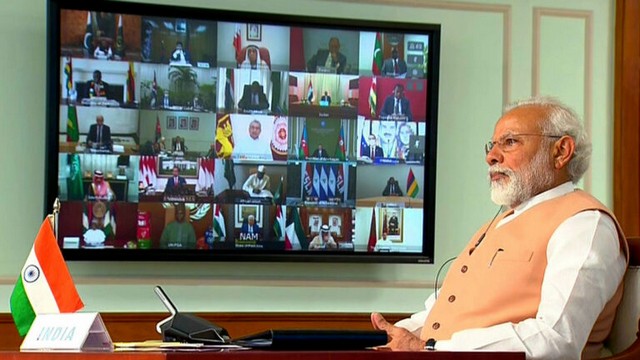
Do Not Be Afraid…. All Will Be Well….

By Mairead Maguire

Coronavirus COVID-19: Local and International Cooperation and Solidarity

9 Apr 2020 – We, as a human family, are living in extraordinary times but must not be afraid. Many people are traumatized as they face the shock and pain of a new virus called Corona Covid 19, which is spreading rapidly around the world, snatching the lives of loved ones.

The virus has forced scientists and health care experts in laboratories around the world to work for a life-saving vaccine. In the meantime, medical experts and political leaders are cooperating to face the challenges, both personally and collectively, to deal with this pandemic. The new virus has changed the world we live in literally overnight and even though it will pass in time, things will never be the same. We have been told by health officials, scientists and government leaders to stop shaking hands, self-isolate, stay at home, and in some cases whole cities are in lockdown to help stop the spreading of this disease. To all those who have lost loved ones, I express my deepest sympathy and to those suffering sickness my prayers go out to you.

We are all inspired and give thanks to health workers putting their own lives at risk on the front lines, doing their duty with love, and taking care of the sick and dying in societies all over the world. We can NEVER thank enough the carers in the British National Health Service for their sacrifice (many have died) in the service of others. I am sure the best way to thank the carers and the NHS is for us all to demand that governments throughout the world put their citizens’ health care on top of government policies in ‘Health Budgets’.

If this virus has done anything, it has reminded us that we are only human and very vulnerable; we need each other to survive and thrive. If anything, this virus hopefully will cement the opinion that we are All One, brothers and sisters; what affects one affects all. Hopefully, it will create a greater sense of community and solidarity within the human race in addition to respect for each other, for nature and the universe. We will become more aware that we are interconnected, interdependent, cooperation and solidarity being key to human and environmental survival. We have seen countries that have shown great compassion towards others and a willingness to help other nations. This may be our greatest hope and foundation to build upon for more cooperation.

But it is with great sadness that we watch the build-up of military forces and increased isolation and destruction by some of International Treaties such as Nuclear Non-proliferation Treaty, Climate Change Agreements, and Universal Declaration of Human Rights, etc.

However, we can take inspiration and get hope from countries such as China, Russia, and United States, cooperating to fight Covix 19. This hopefully is a foundation where Superpowers can work closer together. It is only with cooperation and solidarity that the human race will defeat the virus as we have many challenges ahead such as food shortages, global warming, pandemics, ethnic conflicts, but leaders, people, settling up structures to share information, resources, across the globe can work will achieve great things for humanity.

There should be no enmity between nations but rather a spirit of generosity and magnanimity across the globe; this is not only the right thing to do, but it is in all our interests that this virus be eradicated as soon as possible. Government policies of sanctions, militarism, nuclear weapons and war must be radically replaced by government policies that put their citizen’s health – both physical and mental – on top of the political agenda.

Government policies which are hampering their own and other countries ability to cope with Coronavirus should be changed immediately. The USA could lift sanctions placed on Iran, North Korea, Cuba, etc., and all 54 countries where these sanctions bring death and destruction to citizens, leaving their governments with no money for medicine and food or to help them cope with the coronavirus. For too long governments have squandered taxpayers’ money building military complexes and enforcing the West’s colonial system onto the developing world.

The USA spends over 600 billion on the military every year, and has 700 military bases around the world. The U.K. recently ordered three new nuclear submarines which are expected to cost around 60 billion pounds and yet we see the National Health Service facing a 15% budget reduction over the last ten years. For too long the taxpayers footed the bill for too many wars that have only served to enrich the elite at the top l% of our societies. We are told these wars are for our benefit but the poor get poorer while the rich get richer. Large corporations share the business, the assets and wealth seized in war and paid for by taxpayers who increasingly don’t see a share of the world’s wealth.

Through violence, sanctions and war, we export a version of colonialism to poorer countries forcing mass migration and poverty (including famine and starvation in some countries) in the developing/underdeveloped world. It is time we hold governments to account and put to bed our colonial past. Our civil societies need to question where is our tax money going. People of all countries need to unite to demand better governance, transparency and accountability from our political leaders and international organizations. Too long have we the people been divided; we need to unite and create a better, stronger human society that sees neighbour not as threats but as brothers and sisters.

Another policy to be changed is to cancel Third World debts, such as from Bangladesh, to help protect their country from flooding that would cause millions to flee to safety. The Secretary General has called for a Global Ceasefire (meaning governments and non-state fighters) to be observed in order to help governments to implement the UN Development Goals to be reached. He has offered his ambassadors and diplomatic core to help mediate peace agreements, etc.

This pandemic, among other causes, will force a recession. Government policies of putting the peoples’ tax money into bankers and the military industrial complexes, in many countries, have reached a tipping point and rightly people are demanding social equality and justice. It does not go unnoticed by the public everywhere that the bankers, corporations, and rich get the tax breaks and bailouts while the majority of people are left with no or low paid jobs (often two in a household working round the clock trying to survive without the basics of life). Capitalism does not work, the system is broken, and we are all challenged to build a system of real democracy that works for everyone.

Many will not survive COVID-19. There will be many families grieving for their loved ones, it will take a long time to recover, but a new consciousness has been born from this tragedy. We cannot go back to the old ways. We need a revolution of values from selfishness and greed to values of kindness, economic justice, empathy, compassion, equality and taking care of each other. We need to construct nonkilling, nonviolent societies built on forgiveness (which is the key to peace). Only by dedicating our lives to building such a world, can we build a monument of love to all those who have died and to all those on the front line of saving other people’s lives.

We are at a turning point in history of the human race. We can grasp this opportunity for change and build a civilization with a heart and give hope to millions. Let’s join together with the youth and take this quantum leap of faith and love into the future. Such a world is possible, there is hope for humanity. And in the words of the great English mystic, Julian of Norwich, let us believe that ‘All will be well; all manner of things will be well.’

Mairead Corrigan Maguire, co-founder of Peace People, is a member of the TRANSCEND Network for Peace Development Environment.

13 April 2020

Source: www.transcend.org
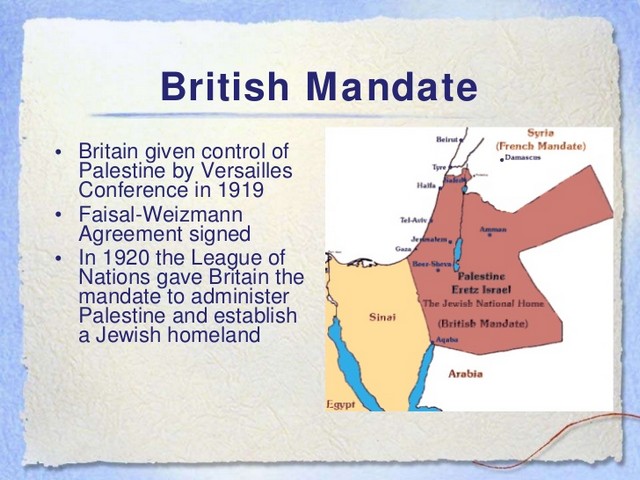
Ventilator Shortage Exposes the Cruelty of Neoliberal Capitalism: Noam Chomsky

By Noam Chomsky

C.J. Polychroniou Interviews Noam Chomsky

Trump has reacted during his years in office in the manner to which we have become accustomed: by defunding and dismantling every relevant part of government and assiduously implementing the instructions of his corporate masters to eliminate the regulations that impede profits while saving livesand leading the race to the abyss of environmental catastrophe, by far his greatest crime — in fact, the greatest crime in history when we consider the consequences

                                                                                                                                      — Noam Chomsky.

The pandemic had been predicted long before its appearance, but actions to prepare for such a crisis were barred by the cruel imperatives of an economic order in which “there’s no profit in preventing a future catastrophe”

— Noam Chomsky

COVID-19  has taken the world by storm. Hundreds of thousands are infected (possibly many times more than the confirmed cases), the list of dead is growing exponentially longer, and capitalist economies have come to a standstill, with a global recession now virtually inevitable.

 In the interview that follows, he discusses how neoliberal capitalism itself is behind the U.S.’s failed response to the pandemic.

C.J. Polychroniou: Noam, the outbreak of the new coronavirus disease has spread to most parts of the world, with the United States now having more infected cases than any other country, including China, where the virus originated. Are these surprising developments?

Noam Chomsky: The scale of the plague is surprising, indeed shocking, but not its appearance. Nor the fact that the U.S. has the worst record in responding to the crisis.

Scientists have been warning of a pandemic for years, insistently so since the SARS epidemic of 2003, also caused by a coronavirus, for which vaccines were developed but did not proceed beyond the pre-clinical level. That was the time to begin to put in place rapid-response systems in preparation for an outbreak and to set aside spare capacity that would be needed. Initiatives could also have been undertaken to develop defenses and modes of treatment for a likely recurrence with a related virus.

But scientific understanding is not enough. There has to be someone to pick up the ball and run with it. That option was barred by the pathology of the contemporary socioeconomic order.

Market signals were clear: There’s no profit in preventing a future catastrophe.

The government could have stepped in, but that’s barred by reigning doctrine: “Government is the problem,” Reagan told us with his sunny smile, meaning that decision-making has to be handed over even more fully to the business world, which is devoted to private profit and is free from influence by those who might be concerned with the common good.

The years that followed injected a dose of neoliberal brutality to the unconstrained capitalist order and the twisted form of markets it constructs.

The depth of the pathology is revealed clearly by one of the most dramatic — and murderous — failures: the lack of ventilators that is one the major bottlenecks in confronting the pandemic.

The Department of Health and Human Services foresaw the problem, and contracted with a small firm to produce inexpensive, easy-to-use ventilators. But then capitalist logic intervened.

The firm was bought by a major corporation, Covidien, which sidelined the project, and, “In 2014, with no ventilators having been delivered to the government, Covidien executives told officials at the [federal] biomedical research agency that they wanted to get out of the contract, according to three former federal officials. The executives complained that it was not sufficiently profitable for the company.”

Doubtless true.

The current administration had ample warning about a likely pandemic. In fact, a high-level simulation was run as recently as last October.

Neoliberal logic then intervened, dictating that the government could not act to overcome the gross market failure, which is now causing havoc.

As The New York Times gently put the matter, “The stalled efforts to create a new class of cheap, easy-to-use ventilators highlight the perils of outsourcing projects with critical public-health implications to private companies; their focus on maximizing profits is not always consistent with the government’s goal of preparing for a future crisis.”

Putting aside the ritual obeisance to the benign government and its laudatory goals, the comment is true enough. We may add that focus on maximizing profits is also “not always consistent” with the hope for “the survival of humanity,” to borrow the phrase of a leaked memo from JPMorgan Chase, [the U.S.’s] largest bank, warning that “the survival of humanity” is at risk on our current course, including the bank’s own investments in fossil fuels.

Thus, Chevron canceled a profitable sustainable energy project because there’s more profit to be made in destroying life on Earth. ExxonMobil refrained from doing so, because [it] had never opened such a project in the first place, having made more rational calculations of profitability.

And rightly so, according to neoliberal doctrine. As Milton Friedman and other neoliberal luminaries have instructed us, the task of corporate managers is to maximize profits. Any deviation from this moral obligation would shatter the foundations of “civilized life.”

There will be recovery from the COVID-19 crisis, at severe and possibly horrendous cost, particularly for the poor and more vulnerable.

But there will be no recovery from the melting of the polar ice sheets and the other devastating consequences of global warming. Here, too, the catastrophe results from a market failure — in this case, of truly earth-shaking proportions.

The current administration had ample warning about a likely pandemic. In fact, a high-level simulation was run as recently as last October.

 Trump has reacted during his years in office in the manner to which we have become accustomed: by defunding and dismantling every relevant part of government and assiduously implementing the instructions of his corporate masters to eliminate the regulations that impede profits while saving livesand leading the race to the abyss of environmental catastrophe, by far his greatest crime — in fact, the greatest crime in history when we consider the consequences.

By early January, there was little doubt of what was happening. On December 31, China informed the World Health Organization (WHO) of the spread of pneumonia-like symptoms with unknown etiology. On January 7, China informed the WHO that scientists had identified the source as a coronavirus and had sequenced the genome, which they made available to the scientific world.

 Through January and February, U.S. intelligence was trying hard to reach Trump’s ear, but failed. Officials informed the press that “they just couldn’t get him to do anything about it. The system was blinking red.”

Trump was not silent, however. He issued a stream of confident pronouncements informing the public that it was just a cough; he has everything under control; he gets a 10 out of 10 for his handling of the crisis; it’s very serious but he knew it was a pandemic before anyone else; and the rest of the sorry performance.

The technique is well-designed, much like the practice of reeling out lies so fast that the very concept of truth vanishes. Whatever happens, Trump is sure to be vindicated among his loyal followers. When you shoot arrows at random, some are likely to hit the target.

(Back home, we see its replicas in India –Ed)

To crown this impressive record, on February 10, when the virus was sweeping the country, the White House released its annual budget proposal, which extends further the sharp cuts in all the main health-related parts of the government (in fact just about anything that might help people) while increasing funding for what’s really important: the military and the wall.

The U.S. is now the global epicenter of the crisis.

One effect is the shockingly belated and limited testing, well below others, making it impossible to implement the successful test-and-trace strategies that have prevented the epidemic from breaking out of control in functioning societies. Even the best hospitals lack basic equipment. The U.S. is now the global epicenter of the crisis.

This only skims the surface of Trumpian malevolence, but there’s no space for more here.

It is tempting to cast the blame on Trump for the disastrous response to the crisis. But if we hope to avert future catastrophes, we must look beyond him. Trump came to office in a sick society, afflicted by 40 years of neoliberalism, with still deeper roots.

(Back home, we see its relevance  in India too –Ed)

The neoliberal version of capitalism has been in force since Reagan and Margaret Thatcher,            beginning shortly before. There should be no need to detail its grim consequences. Reagan’s generosity to the super-rich is of direct relevance today as another bailout is in progress. Reagan quickly lifted the ban on tax havens and other devices to shift the tax burden to the public, and also authorized stock buybacks — a device to inflate stock values and enrich corporate management and the very wealthy (who own most of the stock) while undermining the productive capacity of the enterprise.

Such policy changes have huge consequences, in the tens of trillions of dollars. Quite generally, policy has been designed to benefit a tiny minority while the rest flounder. That’s how we come to have a society in which 0.1 percent of the population hold 20 percent of the wealth and the bottom half have negative net worth and live from paycheck to paycheck.

While profits boomed and CEO salaries skyrocketed, real wages have stagnated. As economists Emmanuel Saez and Gabriel Zucman show in their book, The Triumph of Injustice, taxes are basically flat across all income groups, except at the top, where they decline.

The U.S.’s privatized for-profit health care system had long been an international scandal, with twice the per capita expenses of other developed societies and some of the worst outcomes.

Neoliberal doctrine struck another blow, introducing business measures of efficiency: just-on-time service with no fat in the system. Any disruption and the system collapses. Much the same is true of the fragile global economic order forged on neoliberal principles.

This is the world that Trump inherited, the target of his battering ram. For those concerned with reconstructing a viable society out of the wreckage that will be left from the ongoing crisis, it is well to heed the call of Vijay Prashad: “We won’t go back to normal, because normal was the problem.”

Yet, even now, with the country in the midst of a public health emergency unlike anything we have seen in a very long time, the American public continues to be told that the universal health care is not realistic. Is neoliberalism alone responsible for this peculiarly unique American perspective on health care?

It’s a complicated story. To begin with, for a long time, polls have shown favorable attitudes toward universal health care, sometimes very strong support. In the late Reagan years, about 70 percent of the population thought that guaranteed health care should be in the Constitution, and 40 percent thought it already was — the Constitution taken to be the repository of all that is obviously right. There have been referenda showing high support for universal health care — until the business propaganda offensive begins, warning of the heavy if not astronomical tax burden, much as what we have seen recently. Then popular support fades.

As usual, there is an element of truth to the propaganda. Taxes will go up, but total expenses should sharply decline, as the record of comparable countries shows. How much? There are some suggestive estimates. One of the world’s leading medical journals, The Lancet (U.K.), recently published a study estimating that universal health care in the U.S. “is likely to lead to a 13% savings in national health-care expenditure, equivalent to more than US$450 billion annually (based on the value of the US$ in 2017).” The study continues:

The entire system could be funded with less financial outlay than is incurred by employers and households paying for health-care premiums combined with existing government allocations. This shift to single payer health care would provide the greatest relief to lower-income households. Furthermore, we estimate that ensuring health-care access for all Americans would save more than 68,000 lives and 1.73 million life-years every year compared with the status quo.

But it would raise taxes. And it seems that many Americans would prefer to spend more money as long as it doesn’t go to taxes (incidentally killing tens of thousands of people annually). That’s a telling indication of the state of American democracy, as people experience it; and from another perspective, of the force of the doctrinal system crafted by business power and its intellectual servants. The neoliberal assault has intensified this pathological element of the national culture, but the roots go much deeper and are illustrated in many ways, a topic very much worth pursuing.

While some European countries are doing better than others in managing the spread of COVID-19, the countries that appear to have had greater success with this task lie primarily outside the Western (neo)liberal universe. They are Singapore, South Korea, Russia and China itself. Does this fact tell us something about Western capitalist regimes?

There have been various reactions to the spread of the virus. China itself seems to have controlled it, at least for now. The same is true of the countries in China’s periphery where the early warnings were heeded, including democracies no less vibrant than those of the West. Europe mostly temporized, but some European countries acted. Germany appears to hold the global record in low death rates, thanks to spare health facilities and diagnostic capacity, and rapid response. The same seems to be true in Norway. Boris Johnson’s reaction in the U.K. was shameful. Trump’s U.S. brought up the rear.

The distinguishing feature in responses seems not to be democracies vs. autocracies, but functioning vs. dysfunctional societies.

Germany’s solicitude for the population did not, however, extend beyond its borders. The European Union proved to be anything but. However, ailing European societies could reach across the Atlantic for succor. The Cuban superpower was once again ready to help with doctors and equipment. Meanwhile, its U.S. neighbor was cutting back health aid to Yemen, where it had helped create the world’s worst humanitarian crisis, and was using the opportunity of the devastating health crisis to tighten its cruel sanctions to ensure maximal suffering among its chosen enemies. Cuba is the most longstanding victim, back to the days of Kennedy’s terrorist wars and economic strangulation, but miraculously has survived.

It should, incidentally, be profoundly disturbing to Americans to compare the circus in Washington with Angela Merkel’s sober, measured, factual report to Germans on how the outbreak should be handled.

The distinguishing feature in responses seems not to be democracies vs. autocracies, but functioning vs. dysfunctional societies — what in Trumpian rhetoric are termed “shithole” countries, like what he is working hard to craft under his rule.

What do you think of the $2 trillion coronavirus economic rescue plan? Is it enough to stave off another possible great recession and to help the most vulnerable groups in American society?

The rescue plan is better than nothing. It offers limited relief to some of those who desperately need it, and contains an ample fund to help the truly vulnerable: the piteous corporations flocking to the nanny state, hat in hand, hiding their copies of Ayn Rand and pleading once again for rescue by the public after having spent the glory years amassing vast profits and magnifying them with an orgy of stock buybacks. But no need to worry. The slush fund will be monitored by Trump and his Treasury Secretary, who can be trusted to be fair and just. And if they decide to disregard the demands of the new inspector-general and Congress, who is going to do anything about it? Barr’s Justice Department? Impeachment?

There would have been ways to direct aid to those who need it, to households, beyond the pittance included for some. That includes those working people who had authentic jobs and the huge precariat who were getting by somehow with temporary and irregular employment, but also others: those who had given up, the hundreds of thousands of victims of “deaths of despair” — a unique American tragedy — the homeless, prisoners, the great many with such inadequate housing that isolation and storing food is not an option, and plenty of others that are not hard to identify.

Political economists Thomas Ferguson and Rob Johnson put the matter plainly: While the universal medical care that is standard elsewhere may be too much to expect in the U.S., “there is no reason why it should have one sided single payer insurance for corporations.” They go on to review simple ways to overcome this form of corporate robbery.

At the very least, the regular practice of public bailout out of the corporate sector should require stiff enforcement of a ban on stock buybacks, meaningful worker participation in management, an end to the scandalous protectionist measures of the mislabeled “free trade agreements” that guarantee huge profits for Big Pharma while raising drug prices far beyond what they would be under rational arrangements.

At least.

(C.J. Polychroniou, the Interviewer,  is a political economist/political scientist who has taught and worked in universities and research centers in Europe and the United States. His main research interests are in European economic integration, globalization, the political economy of the United States and the deconstruction of neoliberalism’s politico-economic project. He is a regular contributor to Truthout as well as a member of Truthout’s Public Intellectual Project. He has published several books and his articles have appeared in a variety of journals, magazines, newspapers and popular news websites. Many of his publications have been translated into several foreign languages, including Croatian, French, Greek, Italian, Portuguese, Spanish and Turkish. He is the author of Optimism Over Despair: Noam Chomsky On Capitalism, Empire, and Social Change, an anthology of interviews with Chomsky originally published at Truthout and collected by Haymarket Books.)

(This interview, published  April 1, 2020,  has been lightly edited for clarity)

9 April 2020

Source: countercurrents.org