Just International

Western media is still wrong. China will continue to rise.

By Eric Li

SHANGHAI — As the 19th National Congress of the Communist Party of China draws to a close, analysts are parsing through President Xi Jinping’s 30,000-plus-word report — delivered in a three-and-a-half-hour address without breaks — to decipher the direction of the most populous nation in the world. It is a laborious effort, especially considering the report’s extensive official jargon and policy details.

But there is a much easier way. Read The Economist’s coverage of the congress, which is considerably shorter in length, and bet on the opposite being true. Let me explain.

In October 1992, while the party was holding its 14th Party Congress, The Economist editorialized that the party had “stepped backwards” and called the socialist market economy (which the congress espoused) an “oxymoron.” Five years later in 1997, during the 15th Party Congress, it characterized the gathering as where “hollow promise[s]” were made and broken, from privatization to unemployment goals. Dashing raised expectations was a “recipe for civil strife,” opined the magazine.

At the 16th Party Congress in November 2002, the magazine pronounced that the “familiar policy of trying to muddle through” was no longer an option for a party that faced looming troubles; words such as “crisis” and “unrest” were ominously used. Another five years would pass. The same magazine dutifully expressed dissatisfaction at the lack of reform during the 17th Party Congress: “Politically, little has changed.”

The Economist’s howl reached a crescendo in the fall of 2012; during the 18th Party Congress, China was “unstable at the grassroots, dejected at the middle strata and out of control at the top,” quoting an anonymous source. That could only be outdone by this year’s cover, which warned the world not to “expect Mr. Xi to change China, or the world, for the better.”

When the magazine said China had “stepped backwards” in 1992, it was precisely the year of Deng Xiaoping’s now famous southern tour that launched a new wave of reforms the likes of which the world had never seen in history. The “muddling through” years between 2002 and 2012 saw China’s GDP quadruple and its economy become the world’s largest by purchasing power. The Economist is not alone, of course. It is more or less representative of Western media’s coverage of arguably the most consequential development of our time: the Chinese renaissance.

Now let’s actually look into the content coming from this congress.

Usually a party congress provides a five-year blueprint. What distinguishes this congress is how far into the future it looks. This congress set the timeline for China from today through 2050. The last time we saw this scope in reforms was in the 1980s, when Deng Xiaoping set out to build a “xiaokang society.” Taken from Confucius, “xiaokang” means a country of general prosperity and orderly social norms. Deng set an interim goal of reaching $800-$1,000 annual per capita income by the year 2000. In 1980, Chinese per capita income was $220. A fourfold increase seemed like “vaulting ambition” indeed.

Today, the China that Deng envisioned has arrived and then some. By several measures, China is the most powerful economic engine in the world. Per capita income is approaching $10,000. It’s a burgeoning entrepreneurial society that has created some of the largest companies in the world. China has led improvements in health, education, science and overall standard of living at a speed and scale that is unprecedented in human history.

It is at this historic junction that the current party congress was held. As Xi said at the outset of the congress, the party plans to conclude the “xiaokang” project in the next five years. China stands at a new point of departure. Destination: comprehensive national renaissance. Date of arrival: 2050. This is no “Yes, we can” or “Make America great again” agenda. Xi’s report includes 12 sections, each breaking into numerous parts covering, with mind-boggling specificity, issues including housing, health, science, defense, artificial intelligence and the sharing economy.

Beyond “xiaokang,” the party presents a roadmap for a new 30-year journey to realize the dream of a Chinese renaissance — the plan for a new era of Chinese socialism. The plan — let’s call it the Xi plan, for short — can be broken down into the following four main points.

First, economics. The Xi plan projects the basic realization of socialist modernization by 2035, resulting in a major expansion of the middle class, with continuing growth through 2050. In the Chinese political lexicon, this means becoming the economic and technological equivalent of a developed nation. In GDP per capita terms, this would imply up to three times the current level, to between $20,000 and $30,000. With this performance, China will formally surpass the U.S. well before 2035.

Second, sustainability. Xi pointedly said that the primary contradiction of Chinese society has now shifted from underdevelopment to imbalanced development and sustainability. The Xi plan calls for a concentrated drive to eradicate poverty, as the increasing wealth gap resulting from rapid development is the enemy of long-term sustainability. In the five years since the 18th Party Congress, at least 60 million people were lifted out of poverty. If such a rate is sustained, the tens of millions currently living below the poverty line will all be lifted out of poverty in only a few years.

The environment is, of course, the other threat to sustainability. The Xi plan maps out major structural changes to the economy and energy usage and envisions a substantially cleaner environment in two decades.

Third, expansion. For the rest of the world, China is coming to a theater near you. With the Belt and Road Initiative, which is larger than the Marshall Plan both in size and geography, China brings its considerable experience and capacity in infrastructure-led economic development to a vast number of developing and developed countries alike.

China’s active engagement with the world is based on a qualitatively different proposition than the one championed by the West in the recent past. Instead of a universalist approach seeking to standardize the world with the same set of neoliberal economic and political rules and values, Xi advocates a new version of globalization under which increased interconnectedness does not come at the expense of national sovereignty. He calls for a global “community of common destiny” but one that fosters a competition of ideas, which — given the trouble globalization is in — makes sense.

And last but not least, identity. With the 19th Party Congress, Xi is formally launching a project to provide a new narrative to current events. The prevailing theories that have guided the world’s thinking about the rise and fall of nations no longer make sense. If elections and privatization are the prerequisites to development, why has China succeeded without them, while so many others have failed after taking these prescriptions? In the past 30 years, China has effectively combined socialism and the market economy. In other words, what The Economist called an “oxymoron” has become an extraordinary success.

But how? No leader in the history of the People’s Republic has so emphasized the importance of Chinese traditional culture as Xi. Yet, he is adamant in preserving a Marxist outlook in modern China. Can we weave together a coherent narrative that absorbs modern Marxism into 5,000 years of China’s heritage? China has actually done it before, by absorbing foreign Buddhism into its Confucian cultural polity more than a millennium ago. That process took more than a hundred years. And now it has been more than a century since modern Western ideas, including Marxism, have begun to influence China.

Paradigm shifts in fundamental narratives take a very long time, and China’s is only at its formative stage. Xi seems determined to accelerate the initial phase of this project. He calls it the “sinicization of Marxism.” The exploration of ideas that this entails may be China’s most significant contribution to the 21st century. Not since the European Enlightenment has the world been so hungry for new approaches.

All in all, the party’s ability to adapt to changing times by reinventing itself is extraordinary. Five years ago, corruption was seen as the biggest threat to its hold on power. The 18th Party Congress then engineered a strict anti-corruption campaign, with a breadth and depth few anticipated. China does not have multiparty elections — the Chinese Communist Party is China’s political system. The health of the former is the barometer for the future of the country. All indications at this point are that it remains vital.

We have now come to the space where writers of op-eds like this one tend to hedge bets. I could write a long list of what could go wrong — like a list of risk factors in an IPO prospectus that no one reads. But I will skip it. Given the track record of the party and that of The Economist, my bet is that Xi will indeed “change China, and the world, for the better.”

This was produced by The WorldPost, a partnership of the Berggruen Institute and The Washington Post.

Source: https://www.washingtonpost.com/news/theworldpost/wp/2017/10/24/china-congress-western-media/?utm_term=.4c64afde463f

Film about interfaith dialogue opens in Egypt to praise

By Salwa Samir

“The Sultan and the Saint,” an award-winning film about a historic dialogue between different faiths, has premiered to wide applause in Egypt, the home of its central character, Sultan Mohammad Malik Al-Kamel ibn Al-Adel Al-Ayoubi.

The 60-minute docu-drama was first screened Oct. 12 by the Cairo-based Al-Ahram Weekly, an English-language newspaper, to a small audience of religious leaders, intellectuals, writers and historians. On Oct 17, it was screened again in the Bibliotheca Alexandrina in Egypt’s coastal city of Alexandria.

“The Sultan and the Saint” is a true story of peaceful discussions between two men of faith, the Muslim ruler Sultan Al-Kamel and the Christian Francis of Assisi, who later became one of Christianity’s most revered saints. Their encounter took place during the Crusades in 1219, at the height of east-west tensions, in Damietta, about 160 kilometers (100 miles) north of Cairo.

The film is narrated by Academy Award-winner Jeremy Irons and stars Zack Beyer as Sultan Al-Kamel and Alexander McPherson in the role of Francis. Written and directed by Alex Kronemer, the film is based on Paul Moses’ book “The Saint and the Sultan: The Crusades, Islam, and Francis of Assisi’s Mission of Peace.”

Combining fast-paced action and interviews with renowned historians and religious scholars who comment on the events and dialogue between the two men, the film illuminates the desire of the two main characters for peace and their love of God. Francis, who is a traveling preacher at the time and has yet to become one of the most important scholars of the Christian faith, keeps warning against war and urges forgiveness — views in sharp contrast with those of many other Christians. The film shows Sultan Al-Kamel, the nephew of the great Muslim ruler Saladin, as holding beliefs similar to those of Francis and as sharing a warm relationship with the Copts. “God creates us to get to know each other, not to quarrel,” says the sultan in one scene.

When Francis comes to meet the sultan in the heat of the Crusades to ask him to bring an end to the long-running conflict, the sultan, close to victory, welcomes Francis and treats him with hospitality and generosity and the two men spend a week together. In the sultan’s camp, Francis engages in one of the great moments of inter-religious dialogue with the sultan and his followers, observing rituals of faith such as prayers. He departs with a deeper understanding of Islamic spirituality that inspires him later in his writings that urged Catholics to treat Muslims with great respect.

“The film reveals the possibility of coexistence, open-mindedness and dialogue in that period,” Rev. Antonio Adeeb, the secretary of the Franciscan Order in Egypt, told Al-Monitor.

He said that the film showed that the “other” must be respected. “What Francis had found out was that Muslims are not severe, but the contrary — they pray, fear God and are merciful, as it was clear in the scene of distributing bread to the defeated crusaders,” he said. “At the same time, the sultan saw that among the crusaders, there was a man who called for peace and dialogue.”

Adeeb added, “We really want more films like this. It must be screened in universities and schools so that we can see religion as a factor that helps us get to know each other, not as dividing us.”

Farida el Naqqash, a well-known Egyptian writer and journalist, said the film carried a humanitarian, moral and civilized message that calls for interfaith dialogue. “It also aims to fight extremism and sectarianism,” she told Al-Monitor.

However, Naqqash said that the film contains a historical mistake as it has Arabs use the word “crusaders.” At that time, Arabs called crusaders “frenja” (the Franks).

“Egyptians at that time called them frenja because they were invaders. It was not a Muslim-Christian issue but colonization,” she said.

Naqqash called for the film to be screened widely in order for people to know their history and discuss it.

Ezzat Ibrahim, the editor-in-chief of Al-Ahram Weekly, said the film is important and relevant to today’s conflicts. “The docu-drama work presents the history of the relationship between East and West,” Ibrahim said after the screening, which was organized in collaboration with the Baltimore-Luxor-Alexandria Sister City Committee.

He said the cooperative screening of the film at one of Egypt’s state-owned press foundations reinforces the power to build bridges with cultural institutions in the West and opens channels for further cooperation.

Salwa Samir is an Egyptian journalist. She has been writing about human rights, social problems, immigration and children’s and women’s issues since 2005.

Source: http://www.al-monitor.com/pulse/originals/2017/10/the-sultan-and-saint-relaunch-interfaith-dialogue-in-egypt.html#ixzz4wJCUsiJm

‘An idolatry that kills’: Pope Francis on greed

By Hannah Brockhaus

Vatican City, Oct 23, 2017 / 10:20 am (CNA/EWTN News).- Pope Francis preached Monday about the idolatry of money, which causes us to ignore those in need, allowing others to go hungry and die while we turn money and worldly possessions into false gods.

Today there are people who are greedy for more money and worldly goods, people who have “so much,” but walk by “hungry children who have no medicine, who have no education, who are abandoned,” he said Oct. 23 during his homily at Mass at the chapel of the Vatican’s Casa Santa Marta.

This is “an idolatry that kills,” that makes “human sacrifices” to the god of money, the Pope said.

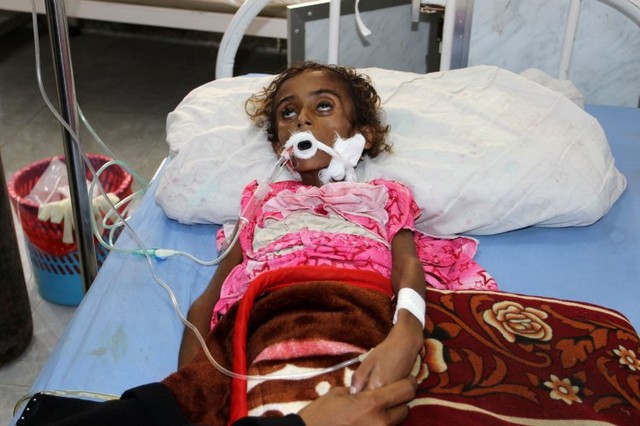
“This idolatry causes so many people to starve,” he stated, pointing to the example of the hundreds of thousands of Rohingya people who have been displaced from their home in Burma, also known as Myanmar, due to ethno-religious persecution.

There are 800,000 Rohingya people in refugee camps, the Pope said. And of these, 200,000 are children. They are “malnourished, without medicine,” he said.

“Even today this happens,” he emphasized, noting how our prayers against idolatry “must be strong.”

We should pray: “Lord, please, touch the hearts of these people who worship… the god of money. Touch also my heart so I do not fall into” the same thing, that I can see everything clearly, he said.

The Rohingya are a predominantly Muslim ethnic group who reside in the Rakhine state of majority-Buddhist Burma. They have been denied citizenship for nearly 40 years, and their persecution by the government has intensified in recent years.

Pope Francis has spoken out on behalf of the minority many times in recent years. In November he will visit Burma, as well as Bangladesh, where he will undoubtedly speak out for the rights of religious and ethnic minorities.

In his homily, he reflected on the words of Christ in the day’s Gospel from St. Luke: “Take care to guard against all greed, for though one may be rich, one’s life does not consist of possessions.”

God who ultimately puts a limit on our attachment to money, Pope Francis said, since at the end of life it becomes worthless.

Many men worship money and make money their god, he continued, but their life has no meaning. “Thus will it be for the one who stores up treasure for himself but is not rich in what matters to God,” Francis said, quoting from the Gospel of Luke.

God underlines this with “gentleness” in the end, he said. To make ourselves rich in what matters to God, “that is the only way. Wealth, [yes], but in God.”

Source: https://www.catholicnewsagency.com/news/an-idolatry-that-kills-pope-francis-on-greed-76687?utm_source=CNA&utm_medium=email&utm_campaign=daily_newsletter

Myanmar shows off its Israeli weapons

By Ali Abunimah

Myanmar has been showing off its new gunboats, confirming that Israel is supplying the country with weapons in spite of official secrecy around the matter.

The Tel Aviv newspaper Haaretz highlighted photos posted on Facebook by Myanmar’s navy of its Israeli-made Super Dvora Mk III gunboats.

“Welcome to Myanmar Navy,” the post states.

“The post is from April, only half a year ago, when the Myanmar (Burmese) army was already being accused of war crimes,” Haaretz notes.

Last month, Israel’s high court granted a government request to keep a blanket of secrecy over Israeli military sales to Myanmar.

The court issued a secret ruling on a petition by human rights lawyer Eitay Mack demanding a halt to such sales.

Both Amnesty International and Human Rights Watch say that the military in Myanmar, also known as Burma, is committing crimes against humanity.

“The military has committed forced deportation, murder, rape and persecution against Rohingya Muslims in northern Rakhine State, resulting in countless deaths and mass displacement,” Human Rights Watch said.
Ethnic cleansing

Last week, top UN officials estimated that 500,000 Rohingya refugees had crossed into neighboring Bangladesh in less than five weeks, many “fleeing discrimination, violence and persecution, as well as isolation and fear.”

The UN’s top human rights official has called the Myanmar military’s campaign a “textbook example of ethnic cleansing.”

According to Haaretz, the pictures of the boats on Facebook “also reveal the weapons that have been installed on them, all blue-and-white products.”

These include a remote weapons station for firing heavy machine guns, made by Elbit Systems, Israel’s biggest arms maker.

“The new patrol boats are only part of a larger transaction signed between Israel and Myanmar,” according to the newspaper.

In 2015, Min Aung Hlaing, a senior general from Myanmar, posted pictures on Facebook showing him and other officials on a shopping spree at various Israeli weapons companies.
“We don’t connect the two things”

In an interview with The Myanmar Times earlier this month, Israeli ambassador Daniel Zonshine said Israel was determined not to let the mass expulsions of the Rohingya interfere with growing bilateral trade.

The ambassador said he would continue to “differentiate the economic relations and the situation in Rakhine. At the moment, we don’t connect the two things.”

According to The Myanmar Times, Israeli exports to Myanmar reached $34 million in the first half of this year, already outpacing the $23 million for all of 2016.

This trade is reportedly concentrated in telecoms and electronics, as well as irrigation and medical devices.

But these figures presumably exclude the arms sales which Israel keeps secret. Haaretz estimates that the military trade alone is worth tens of millions of dollars.

Zonshine offered Myanmar some advice – undoubtedly based on Israel’s own propaganda tactics – on how to whitewash its bloodsoaked image.

“When the story in the international media is framed as it is today, it doesn’t help to create more markets. It doesn’t help promote the [country’s] image,” Zonshine said. “It is something that should receive some attention from the government in order to show that although there are problems, Myanmar is still Myanmar. In other words, not to let the conflict define who or what Myanmar is.”

Ali Abunimah Co-founder of The Electronic Intifada and author of The Battle for Justice in Palestine, now out from Haymarket Books.

Source: https://electronicintifada.net/blogs/ali-abunimah/myanmar-shows-its-israeli-weapons

A Nonviolent Strategy To End Violence And Avert Human Extinction

By Robert J Burrowes

Around the world activists who are strategic thinkers face a daunting challenge to effectively tackle the multitude of violent conflicts, including the threat of human extinction, confronting human society in the early 21st century.

I wrote that ‘activists who are strategic thinkers face a daunting challenge’ because there is no point deluding ourselves that the insane global elite – see ‘The Global Elite is Insane’ – with its compliant international organizations (such as the UN) and national governments following orders as directed, is going to respond appropriately and powerfully to the multifaceted crisis that it has been progressively generating since long before the industrial revolution.

For reasons that are readily explained psychologically – see ‘Love Denied: The Psychology of Materialism, Violence and War’ and, for more detail, see ‘Why Violence?’ and ‘Fearless Psychology and Fearful Psychology: Principles and Practice’– this insanity focuses their attention on securing control of the world’s remaining resources while marginalizing the bulk of the human population in ghettos, or just killing them outright with military violence or economic exploitation (or the climate/ecological consequences of their violence and exploitation).

If you doubt what I have written above, then consider the history of any progressive political, social, economic and environmental change in the past few centuries and you will find a long record of activist planning, organizing and action preceding any worthwhile change which was invariably required to overcome enormous elite opposition. In short, if you can identify one progressive outcome that was initiated and supported by the global elite, I would be surprised to hear about it.

Moreover, we are not going to get out of this crisis – which must include ending violence, exploitation and war, halting the destruction of Earth’s biosphere and ongoing violent assaults on indigenous peoples, ending slavery, liberating occupied countries such as Palestine, Tibet and West Papua, removing dictatorships such as those in Cambodia and Saudi Arabia, ending genocidal assaults such as those currently being directed against the people of Yemen and the Rohingya in Myanmar, and defending the rights of a people, such as those in Catalonia, to secede from one state and form another – without both understanding the deep drivers of conflict as well as the local drivers in each case, and then developing and implementing sound and comprehensive strategies, based on this dual-faceted analysis of each conflict.

In addition, if like Mohandas K. Gandhi, many others and me you accept the evidence that violence is inherently counterproductive and has no countervailing desirability in any context – expressed most simply by the Reverend Martin Luther King Jr. when he stated ‘the enemy is violence’ –  then we must be intelligent, courageous and resourceful enough to commit ourselves to planning, developing and implementing strategies that are both exclusively nonviolent and powerfully effective against extraordinarily insane and ruthlessly violent opponents, such as the US government.

Equally importantly, however, it is not just the violence of the global elite that we must address if extinction is to be averted. We must also tackle the violence that each of us inflicts on ourselves, our children, each other and the Earth too. And, sadly, this violence takes an extraordinary variety of forms having originated no later than the Neolithic Revolution 12,000 years ago. See ‘A Critique of Human Society since the Neolithic Revolution’.

Is all of this possible?

When I first became interested in nonviolent strategy in the early 1980s, I read widely. I particularly sought out the literature on nonviolence but, as my interest deepened and I tried to apply what I was reading in the nonviolence literature to the many nonviolent action campaigns in which I was involved, I kept noticing how inadequate these so-called ‘strategies’ in the literature actually were, largely because they did not explain precisely what to do, even though they superficially purported to do so by offering ‘principles’, ‘guidelines’, sets of tactics or even ‘stages of a campaign’.

I found this shortcoming in the literature most instructive and, because I am committed to succeeding when I engage as a nonviolent activist, I started to read the work of Mohandas K. Gandhi and even the literature on military strategy. By the mid-1980s I had decided to research and write a book on nonviolent strategy because, by then, I had become aware that the individual who understood strategy, whether nonviolent or military, was rare.

Moreover, there were many conceptions of military strategy, written over more than 2,000 years, and an increasing number of conceptions of what was presented as ‘nonviolent strategy’, in one form or another, were becoming available as the 1980s progressed. But the flaws in these were increasingly and readily apparent to me as I considered their inadequate theoretical foundations or tried to apply them in nonviolent action campaigns.

The more I struggled with this problem, the more I found myself reading ‘The Collected Works of Mahatma Gandhi’ in a library basement. After all, Gandhi had led a successful 30 year nonviolent liberation struggle to end the British occupation of India so it made sense that he had considerable insight regarding strategy. Unfortunately, he never wrote it down simply in one place.

A complicating but related problem was that among those military authors who professed to present some version of ‘strategic theory’, in fact, most simply presented an approach to strategic planning (such as using a set of principles or a particular operational pattern) or an incomplete theory of strategy (such as ‘maritime theory’, ‘air theory’ or ‘guerrilla theory’) and (often largely unwittingly) passed these off as ‘strategic theory’, which they are not. And it was only when I read Carl von Clausewitz’s infuriatingly convoluted and tortuously lengthy book On War that I started to fully understand strategic theory. This is because Clausewitz actually presented (not in a simple form, I hasten to admit) a strategic theory and then a military strategy that worked in accordance with his strategic theory. ‘Could this strategic theory work in guiding a nonviolent strategy?’ I wondered.

Remarkably, the more I read Gandhi (and compared him with other activists and scholars in the field), the more it became apparent to me that Gandhi was the only nonviolent strategist who (intuitively) understood strategic theory. Although, to be fair, it was an incredibly rare military strategist who understood strategic theory either with Mao Zedong a standout exception and other Marxist strategists like Vladimir Lenin and Võ Nguyên Giáp understanding far more than western military strategists which is why, for example, the US and its allies were defeated in their war on Vietnam, Laos and Cambodia.

Some years later, after grappling at length with this problem of using strategic theory to guide nonviolent strategy and reading a great deal more of Gandhi, while studying many nonviolent struggles and participating in many nonviolent campaigns myself, I wrote The Strategy of Nonviolent Defense: A Gandhian Approach. I wrote this book by synthesizing the work of Gandhi with some modified insights of Clausewitz and learning of my own drawn from the experience and study just mentioned. I have recently simplified and summarized the presentation of this book on two websites: Nonviolent Campaign Strategy and Nonviolent Defense/Liberation Strategy.

Let me outline, very simply, nonviolent strategy, without touching on strategic theory, as I have developed and presented it in the book and on the websites.

Nonviolent Strategy

You will see on the diagram of the Nonviolent Strategy Wheel that there are four primary components of strategy in the center of the wheel and eight components of strategy that are planned in accordance with these four central components. I will briefly describe the four primary components.

Before doing so, however, it is worth noting that, by using this Nonviolent Strategy Wheel, it is a straightforward task to analyze why so many activist movements and (nonviolent) liberation struggles fail: they simply do not understand the need to plan and implement a comprehensive strategy, entailing all twelve components, if they are to succeed.

So, to choose some examples almost at random, despite substantial (and sometimes widespread) popular support, particularly in some countries, the antiwar movement, the climate justice movement and the Palestinian and Tibetan liberation struggles are each devoid of a comprehensive strategy to deploy their resources for strategic impact and so they languish instead of precipitating the outcomes to which they aspire, which are quite possible.

Having said that a sound and comprehensive strategy must pay attention to all twelve components of strategy it is very occasionally true that campaigns succeed without doing so. This simply demonstrates that nonviolence, in itself, is extraordinarily powerful. But it is unwise to rely on the power of nonviolence alone, without planning and implementing a comprehensive strategy, especially when you are taking on a powerful and entrenched opponent who has much to lose (even if their conception of what they believe they will ‘lose’ is delusional) and may be ruthlessly violent if challenged.

For the purpose of this article, the term strategy refers to a planned series of actions (including campaigns) that are designed to achieve the two strategic aims (see below).

The Political Purpose and the Political Demands

If you are going to conduct a nonviolent struggle, whether to achieve a peace, environmental or social justice outcome, or even a defense or liberation outcome, the best place to start is to define the political purpose of your struggle. The political purpose is a statement of ‘what you want’. For example, this might be one of the following (but there are many possibilities depending on the context):

To secure a treaty acknowledging indigenous sovereignty between [name of indigenous people] and the settler population in [name of land/country] over the area known as [name of land/country].

To stop violence against [children and/or women] in [name of the town/city/state/country].

To end discrimination and violence against the racial/religious minority of [name of group] in [name of the town/city/state/country].

To end forest destruction in [your specified area/country/region].

To end climate-destroying activities in [name of the town/city/state/country].

To halt military production by [name of weapons corporation] in [name of the town/city/state/country].

To prevent/halt [name of corporation] exploiting the [name of fossil fuel resource].

To defend [name of the country] against the political/military coup by [identity of coup perpetrators].

To defend [name of the country] against the foreign military invasion by [name of invading country].

To defend the [name of targeted group] against the genocidal assault by the [identity of genocidal entity].

To establish the independent entity/state of [name of proposed entity/state] by removing the foreign occupying state of [name of occupying state].

To establish a democratic state in [name of country] by removing the dictatorship.

This political purpose ‘anchors’ your campaign: it tells people what you are concerned about so that you can clearly identify allies, opponents and third parties. Your political purpose is a statement of what you will have achieved when you have successfully completed your strategy.

In practice, your political purpose may be publicized in the form of a political program or as a list of demands. You can read the five criteria that should guide the formulation of these political demands on one of the nonviolent strategy websites cited above.

The Political and Strategic Assessment

Strategic planning requires an accurate and thorough political and strategic assessment (although ongoing evaluation will enable refinement of this assessment if new information emerges during the implementation of the strategy).

In essence, this political and strategic assessment requires four things. Notably this includes knowledge of the vital details about the issue (e.g. why has it happened? who benefits from it? how, precisely, do they benefit? who is exploited?) and a structural analysis and understanding of the causes behind it, including an awareness of the deep emotional (especially the fear) and cultural imperatives that exist in the minds of those individuals (and their organizations) who engage in the destructive behavior.

So, for example, if you do not understand, precisely, what each of your various groups of opponents is scared of losing/suffering (whether or not this fear is rational), you cannot design your strategy taking this vital knowledge into account so that you can mitigate their fear effectively and free their mind to thoughtfully consider alternatives. It is poor strategy (and contrary to the essence of Gandhian nonviolence) to reinforce your opponent’s fear and lock them into a defensive reaction.

Strategic Aims and Strategic Goals

Having defined your political purpose, it is easy to identify the two strategic aims of your struggle. This is because every campaign or liberation struggle has two strategic aims and they are always the same:

1. To increase support for your campaign by developing a network of groups who can assist you.

2. To alter the will and undermine the power of those groups who support the problem.

Now you just need to define your strategic goals for both mobilizing support for your campaign and for
undermining support for the problem. From your political and strategic assessment:

1. Identify the key social groups that can be mobilized to support and participate in your strategy (and
then write these groups into the ‘bubbles’ on the left side of the campaign strategy diagram that can be
downloaded from the strategy websites), and

2. identify the key social groups (corporation/s, police/military, government, workers, consumers etc.)
whose support for the problem (e.g. the climate catastrophe, war, the discrimination/violence against a
particular group, forest destruction, resource extraction, genocide, occupation) is vital (and then write
these groups into the columns on the right side of the campaign strategy diagram).

These key social groups become the primary targets in your campaign. Hence, the derivative set of specific strategic goals, which are unique to your campaign, should then be devised and each written in accordance with the formula explained in the article ‘The Political Objective and Strategic Goal of Nonviolent Actions’. That is: ‘To cause a [specified group of people] to act in the [specified way].’

As the title of this article suggests, it also explains the vital distinction between the political objective and the strategic goal of any nonviolent action. This distinction is rarely understood and applied and explains why most ‘direct actions’ have no strategic impact.

You can read appropriate sets of strategic goals for ending war, ending the climate catastrophe, ending a military occupation, removing a dictatorship and halting a genocide on one or the other of these two sites: Nonviolent Campaign Strategic Aims and Nonviolent Defense/Liberation Strategic Aims.

The Conception of Nonviolence

There are four primary conceptions of nonviolence which have been illustrated on the Matrix of Nonviolence. Because of this, your strategic plan should:

1. identify the particular conception of nonviolence that your campaign will utilize;

2. identify the specific ways in which your commitment to nonviolence will be conveyed to all parties so
that the benefits of adopting a nonviolent strategy are maximized; and

3. identify how the level of discipline required to implement your nonviolent strategy will be developed.
This includes defining the ‘action agreements’ (code of nonviolent discipline) that will guide activist
behaviour.

It is important to make a deliberate strategic choice regarding the conception of nonviolence that will underpin your strategy. If your intention is to utilize the strategic framework outlined here, it is vitally important to recognize that this framework is based on the Gandhian (principled/revolutionary) conception of nonviolence.

This is because Gandhi’s nonviolence is based on certain premises, including the importance of the truth, the sanctity and unity of all life, and the unity of means and end, so his strategy is always conducted within the framework of his desired political, social, economic and ecological vision for society as a whole and not limited to the purpose of any immediate campaign. It is for this reason that Gandhi’s approach to strategy is so important. He is always taking into account the ultimate end of all nonviolent struggle – a just, peaceful and ecologically sustainable society of self-realized human beings – not just the outcome of this campaign. He wants each campaign to contribute to the ultimate aim, not undermine vital elements of the long-term and overarching struggle to create a world without violence.

This does not mean, however, that each person participating in the strategy must share this commitment; they may participate simply because it is expedient for them to do so. This is not a problem as long as they are willing to commit to the ‘code of nonviolent discipline’ while participating in the campaign.

Hopefully, however, their participation on this basis will nurture their own personal journey to embrace the sanctity and unity of all life so that, subsequently, they can more fully participate in the co-creation of a nonviolent world.

Other Components of Strategy

Once you have identified the political purpose, strategic aims and conception of nonviolence that will guide your struggle, and undertaken a thorough political and strategic assessment, you are free to consider  the other components of your strategy: organization, leadership, communication, preparations, constructive program, strategic timeframe, tactics and peacekeeping, and evaluation.

For example, a vital component of any constructive program ideally includes each individual traveling their own personal journey to self-realization – see ‘Putting Feelings First’ – considering making ‘My Promise to Children’ to eliminate violence at its source and participating in ‘The Flame Tree Project to Save Life on Earth’ to preserve Earth’s biosphere.

Needless to say, each of these components of strategy must also be carefully planned. They are explained in turn on the nonviolent strategy websites mentioned above.

In addition to these components, the websites also include articles, photos, videos, diagrams and case studies that discuss and illustrate many essential elements of sound nonviolent strategy. These include the value of police/military liaison, issues in relation to tactical selection, the importance of avoiding secrecy and sabotage, how to respond to arrest, how to undertake peacekeeping and the 20 points to consider when planning to minimize the risk of violent police/military repression when this is a possibility.

Conclusion

The global elite and many other people are too insane to ‘walk away’ from the enormous violence they inflict on life.

Consequently, we are not going to end violence in all of its forms – including violence against women, children, indigenous and working peoples, violence against people because of their race or religion, war, slavery, the climate catastrophe, rainforest destruction, military occupations, dictatorships and genocides – and create a world of peace, justice and ecological sustainability for all of us without sound and comprehensive nonviolent strategies that tackle each issue at its core while complementing and reinforcing gains made in parallel struggles.

If you wish to declare your participation in this worldwide effort, you are welcome to sign the online pledge of ‘The People’s Charter to Create a Nonviolent World’.

Given the overwhelming violence that we must tackle, can we succeed? I do not know but I intend to fight, strategically, to the last breath. I hope that you will too.

Robert J. Burrowes has a lifetime commitment to understanding and ending human violence. He has done extensive research since 1966 in an effort to understand why human beings are violent and has been a nonviolent activist since 1981. He is the author of ‘Why Violence?’ His email address is flametree@riseup.net and his website is here.

Energy And Authoritarianism

By Richard Heinberg

Could declining world energy result in a turn toward authoritarianism by governments around the world? As we will see, there is no simple answer that applies to all countries. However, pursuing the question leads us on an illuminating journey through the labyrinth of relations between energy, economics, and politics.

The International Energy Agency and the Energy Information Administration (part of the U.S. Department of Energy) anticipate an increase in world energy supplies lasting at least until the end of this century. However, these agencies essentially just match supply forecasts to anticipated demand, which they extrapolate from past economic growth and energy usage trends. Independent analysts have been questioning this approach for years, and warn that a decline in world energy supplies—mostly resulting from depletion of fossil fuels—may be fairly imminent, possibly set to commence within the next decade.

Even before the onset of decline in gross world energy production we are probably already beginning to see a fall in per capita energy, and also net energy—energy that is actually useful to society, after subtracting the energy that is used in energy-producing activities (the building of solar panels, the drilling of oil wells, and so on). The ratio of energy returned on energy invested (EROEI) for fossil energy production has tended to fall as high-quality deposits of oil, coal, and natural gas are depleted, and as society relies more on unconventional oil and gas that require more energy for extraction, and on coal that is more deeply buried or that is of lower energy content. Further, renewable energy sources, especially if paired with needed energy storage technologies, tend to have a lower (some say much lower) EROEI than fossil fuels offered during the glory days of world economic growth after World War II. And renewables require energy up front for their manufacture, producing a net energy benefit only later on.

The quantities and qualities of energy available to any society have impacts that ripple through its economy, and hence every aspect of daily life. As Lynn White, Marvin Harris, and other anthropologists have shown, the political and social institutions of every society are determined—in broad strokes, though certainly not in the details—by what Harris called its infrastructure, or its ways of obtaining energy, food, and materials. Abundant, easily transported and stored energy from fossil fuels made industrial expansion possible during the twentieth century, and especially after World War II. This period of turbo-charged economic growth had repercussions in fields as diverse as manufacturing, farming, transportation, and even music (via the electrification of live performance as well as the flourishing of the recording industry). That’s right: your favorite rock band is an epiphenomenon of fossil fuels.

Further, as archaeologist Joseph Tainter has pointed out, societies often use complexity (an increase in the variety of tools and institutions) as a means of solving problems. But complexity carries energy costs, and the deployment of complexity as a problem-solving strategy is subject to diminishing returns. Tainter argues that this is a comprehensive explanation for the historic collapse of civilizations—one that has obvious implications for our own society: clearly, if its energy supplies are compromised, its capacity to successfully deploy complexity to solve problems will be impaired.

All of which suggests that if and when energy sources decline, industrial societies will face systemic challenges on a scale far beyond anything seen in recent decades. In this essay, I propose to examine just one area of impact—the realm of politics and governance. Specifically, I address the question of whether (and which) societies will have a high probability of turning toward authoritarian forms of government in response to energy challenges. However, as we will see, energy decline is far from being the only possible driver of authoritarian political change.
The Anthropology and History of Authoritarianism and Democracy

It is often asserted that democracy began in ancient Greece. While there is some truth to the statement, it is also misleading. Many pre-agricultural societies tended to be highly egalitarian, with most or all members contributing to significant decisions. Animal-herding societies were an exception: they tended to be patriarchal (men made most decisions), and, among men, elders and those with more property (women, children, and captives were treated as chattel) held sway. (Herders, whose social relations reflect the harshness of their environment, typically live in places unfit for farming, such as deserts.) A good example of democracy completely independent of the Greek tradition is the Iroquois confederacy of the American northeast, whose inclusive decision-making system incorporated checks and balances; it served as an inspiration for colonists seeking to design a democratic government for themselves as they threw off the yoke of British rule.

Early agricultural societies were often rigidly authoritarian. Marvin Harris explained this development in infrastructural terms: stored grain surpluses required management and distribution authority, as did irrigation systems. But the appropriation of so much power by an individual or family required further justification; hence new sky-god religions emerged, valorizing kings and pharaohs as wielders of divine power. Greece, however, differed from Egypt and other “hydraulic” civilizations (i.e., ones based on huge irrigation systems): it enjoyed enough rainfall so that irrigation wasn’t required. Farmers could grow diverse crops independently, without relying on state controls over water and grain. Hence it was in Athens that democracy emerged (or re-emerged) as a political system—imperfect though it may have been (Attica’s total population was likely between 150,000 and 250,000, but free citizens numbered only 20,000 to 30,000: women, slaves, and foreigners could not participate in the public process of making decisions).

Prior to the fossil fuel era, Europe enjoyed a significant injection of wealth from its sail-based pillaging of much of the rest of the world. Merchants, as a social class, began to jostle against the aristocracy and clergy, previous holders of political power. Wealth and abundant energy supported the development of science and philosophy, which—when combined with newer technologies like the printing press—helped usher in the age of reason. The autocratic rationale for rule, “because God granted me divine power,” no longer seemed reasonable. In Britain, the monarchy began reluctantly to cede some of its authority to parliament during the mid-seventeenth century; then, a little over a century later, thirteen of Britain’s colonies in North America rebelled and formed a federated republic. Revolution in France further stoked demands throughout Europe and elsewhere—by philosophers and commoners alike—for wider distribution of political power.

In modern times, industrial expansion based on abundant energy from fossil fuels has led to urbanization and to the employment of much of the population in factory, sales, and managerial positions. This detachment of people from land has in turn produced greater geographic and social mobility, as well as opportunities to organize collective demands for power sharing (via trade unions and political organizations of all kinds), including women’s suffrage. Democracy has spread to more and more nations—always kept at least partly in check by centralized economic and military power. Meanwhile, an ever-greater mobility of capital, goods, information, and people has also led to the geographic expansion of polities—nations of larger size, alliances between nations, trade blocs, and an intergovernmental organization offering membership to all countries (the United Nations).

Now, in all likelihood, comes an era of declining and reversing economic growth, as well as reduced mobility. Existing forms of government will be challenged. Ultimately, larger political units may tend to break up into smaller ones, and many democracies may be vulnerable to authoritarian takeover. But the risks will vary significantly by country, based on geography and local history.
How Nations Succumb to Authoritarian Takeover

Before exploring those risks, it may be helpful to review the four main ways in which democracies have changed into authoritarian regimes in recent history.

1. Election of a dictator. Mussolini initially came to power in Italy through election, as did Hitler in Germany, Ferdinand Marcos in the Philippines, and “Papa Doc” Duvalier in Haiti. Why do people elect authoritarians? Typically, they do so because they feel threatened—by a foreign or domestic enemy, or by hard times—and want a strong man to take charge. Usually the elected authoritarian-in-waiting only assumes dictatorial power later, without asking the consent of the electorate. For example: in a recent essay, Ugo Bardi recounts how declining exports of British coal to Italy after World War I led to an energy famine, which in turn resulted in riots, shifting political alliances, and the rise of Mussolini and the Fascists.

The following brief representative picture of how an authoritarian leader can take total power following election is from journalist Tim Rogers, recounting Nicaraguan leader Daniel Ortega’s ascendancy:

“When Daniel Ortega was elected president in 2006 with a twiggy 38 percent victory, Nicaragua had a constitutional ban on consecutive reelection as a safeguard against dictatorship. . . . Eleven years later, Ortega is starting his third consecutive term as president after rewriting the constitution, banning opposition parties, and consolidating all branches of government under his personal control. Ortega orchestrated his power grab by polarizing the country, dividing the opposition, attacking congress, demonizing the press, forbidding protest, demanding personal loyalty from all government workers, and turning all his public appearances into campaign rallies for his core base of supporters. He institutionalized his cult of personality and normalized . . . threats of violence and chaos. . . .”

2. Military coup. The list of military dictatorships in recent decades is long. Clayton Thyne and Jonathan Powell maintain a coup dataset, according to which there were 457 coup attempts worldwide from 1950 to 2010, most by military factions. Of these, about half were successful. The reason military putsches are so common is not hard to discern: the taking of power by armed force is likely to be most often—and most successfully—attempted by those who are already professionalized wielders of weaponry.

3. Foreign interference or foreign support for a coup. If a powerful nation wishes to exert near-total control over a weaker country, one of the most effective ways to do so is to install a puppet dictator who can then be bribed and threatened. This is a strategy the United States has deployed often, beginning early in the twentieth century with its support for dictators in Central and South America. Also, in the early 1950s, the U.S. supported Shah Pahlevi over Iran’s elected President Mohammad Mossadegh, leading to decades of dictatorship there. However, the U.S. is far from the only country to have ruled other nations by remote control: Britain, France, and Russia/USSR did the same in one instance or another.

4. Revolution. Most revolutions are fought against authoritarian regimes or foreign rulers. On rare occasions, however, the people—typically a rambunctious faction of the people—attempt to overthrow an elected government in favor of a would-be dictator. Such revolutions are usually more accurately described as civil wars. Coups in which an elected leader is overthrown in favor of an authoritarian with the help of foreign influence can be stage-managed to appear as revolutions (this happened in the case of Mossadegh in Iran). More frequently, however, revolutions that are widely intended to result in democratic reforms eventually result in the coalescing or emergence of an authoritarian regime (for example, in France at the end of the 18th century, in Russia in 1917, in China in 1949, in Cuba in 1959, and in Cambodia in 1963).

Risk Factors for Authoritarian Takeover

Economic decline led by energy decline probably won’t automatically result in despotism, just as industrialism and economic expansion didn’t everywhere lead to democracy. What are the circumstances that are likely to push nations to adopt more authoritarian governments?

Below are some notable risk factors (this is not an exhaustive list). From here on, I will occasionally refer to the Democracy Index (compiled by the UK-based Economist Intelligence Unit), which seeks to measure the state of democracy in 167 countries based on 60 indicators.

– Economic decline or instability. Periods of high joblessness, disappearing savings, and declining incomes can lead to widespread dissatisfaction with government, offering an opening for demagogues, military coups, revolutions, or foreign takeovers.

– Weak democratic institutions with a short history. Democracy is a habit that needs reinforcement. It also needs institutions—parties and election machinery (polling places, fair counting of ballots, etc.). If those institutions have shallow roots, it is easier for them to be undermined or corrupted.

– Dysfunctional media. Democracy only functions if the public is well informed with regard to issues and the actions of government. Media organizations can become weak, dominated by special interests, polarized, or suppressed by government. Their ownership can be consolidated by a few companies with similar political interests. In our current age of electronic information, media are vulnerable to outright propaganda, “fake news” (i.e., reporting characterized by ideologically spun, inaccurate, or even wholly invented stories), and the clever use of social media (bots and trolls).

– High and growing levels of economic inequality. Some of the early observers of democracies, including Toqueville, noted that procedural democracy (equality before the law, universal voting rights, the right to express oneself in the political sphere) can be undermined by the power of wealth. Rich people can buy influence in ways both obvious and subtle. This is why healthy democracy is often correlated with progressive taxation and the availability of government-run social programs for those who are unemployed, retired, or sick.

– Simmering resentments among social/racial/religious/ethnic groups, offering fodder for scapegoating. In hard times, demagogues can play upon such resentments to gain support and take power.

– Deep political polarization. Polarization drains people’s attention from areas of shared interest and potential cooperation, and focuses it instead on points of disagreement. As each party demonizes the other, former political extremists may find their way into the mainstream. Polarization can offer an opening for a demagogue who promises to trounce the opposition party once and for all, if given dictatorial powers.

– Weak financial systems heavily dependent on debt.As economic historians have shown, heavy reliance on debt always results in an eventual financial crash. See “economic decline” above.

– Special vulnerability to foreign influence or takeover. If a country is militarily weak but has a strategically significant geographic location (for example, along the route of an important oil or gas pipeline), or if the country happens to possess strategically important resources (minerals or fossil fuels), more powerful nations are likely to have a keen interest in keeping that country controllable.

– A powerful military with a history of domestic intervention. If social chaos ensues for whatever reason, the military is likely to step in; and when it does it is more inclined to install a dictator than to restore or build a democratic system. That’s because the military itself, in virtually every nation, has an authoritarian internal structure. (The Iroquois insisted that peace chiefs be different from war chiefs—an idea borrowed by the framers of the U.S. Constitution, which specifies that no acting military leader may assume the presidency).

– Special vulnerability to climate change or other environmental disasters. People don’t inevitably turn to strong leaders after natural disaster. Over the short term, they tend instead to band together. Old grievances tend to be temporarily forgotten, and distinctions between rich and poor are at least somewhat erased. However, over the longer term, ecological disruption can lead to scapegoating and either revolution or a turn toward strong men who promise to restore order. For example, the Syrian civil war, which began in 2011, was preceded by a long and devastating regional drought linked to climate change; refugees from the countryside flooded cities, straining infrastructure already burdened by the influx of some 1.5 million refugees from the Iraq War. These refugees provided recruits for the Free Syrian Army, which rebelled against the authoritarian Assad regime.

– High population growth rate. Nations with high fertility rates typically find it difficult to overcome poverty, absent a robust resource-exporting economy. Indeed, of the ten nations that currently have the highest population growth rates (Lebanon, Zimbabwe, South Sudan, Jordan, Qatar, Malawi, Niger, Burundi, Uganda, and Libya), seven have fully authoritarian regimes according to the Democracy Index, while three have “hybrid” governments; only two (Qatar and Lebanon) have a per-capita GDP higher than the world average. As world energy declines, countries with fast-growing populations will probably see higher-than-typical per-capita decline rates in energy usage, likely leading to economic and social instability.

Most of the above might be considered generic risk factors, in that they apply to all societies even without taking energy decline into account. Other risk factors are more directly related to potential energy supply problems:

– A high dependency on food imports. History has shown (for example, in Egypt in 2011) that food shortages can rapidly lead to social unrest and ultimately to revolution or authoritarian takeover. High food import dependency is therefore a point of vulnerability in societies given the likelihood that energy decline will also entail a decline in mobility, including the movement of food and other necessary goods.

– Government’s budget tied to fossil fuel export revenues. If a government derives most of its revenues from fossil fuel exports, it will eventually face a declining revenue stream. Even Saudi Arabia, which has been a top oil exporter for decades, recognizes this (it is an authoritarian monarchy; several other major oil exporters are likewise classified as authoritarian regimes by the Democracy Index). Norway has sought to prepare for the inevitable by saving its oil export revenues in a permanent investment fund; currently that nation enjoys the highest rating of any country on the Democracy Index, and its citizens also rank high in terms of per capita income and self-reported happiness.

– High per capita energy usage. Countries that have high per capita rates of energy usage have further to fall as energy becomes harder to produce. Countries with low rates of per capita usage typically already have ways of meeting basic needs relatively simply and directly—with a higher percentage of the total population engaged in food production, and a more robust informal economy.

– High dependency on energy imports. If heavy dependence on revenue from fossil fuel exports can constitute a vulnerability for democracies, heavy dependence on imports can as well. Even though the U.S. was a major oil producer throughout the twentieth century, by 1970 it was increasingly dependent on imported crude; hence it faced economic hardship due to the 1970s Arab oil embargo.

There is something missing from these lists that is hard to define but nevertheless crucial to our present discussion. Perhaps Pankaj Mishra captures it best in his recent, difficult book, The Age of Anger. There he describes how, from its beginnings in the eighteenth century, modern capitalist, urban, industrial life disrupted previous patterns of settled existence. People lost their connections with land and tribe, and traditional livelihoods, and hence some essential aspects of their identity. In return, economic liberalism promised mobility, comfort, and intellectual and moral advancement. Instead many experienced anonymity and alienation, and the result was widespread resentment. This in turn led to decades of revolution and terrorism in Europe throughout the nineteenth century, with many prominent assassinations (U.S. President McKinley, French President Marie François Sadi Carnot, Bavarian Prime Minister Kurt Eisner, Russian Czar Alexander II, Serbian King Aleksandar Obrenović, Spanish Prime Minister Juan Prim, and many others) as well as bombings and other violent events.

Today urbanization, commercialization, and technological disruption are proceeding at a faster pace than ever and reaching billions in formerly rural nations in East and South Asia, the Middle East, and Africa. Millions of young people are being educated for life as consumers and workers, yet are finding the promises of “development” ringing hollow. Unemployment rates among young males are often very high in these nations, and young men educated for urban industrial life are being attracted to militant fundamentalism. The rise of militant fundamentalism, along with high rates of immigration from fast-urbanizing countries, generates fear in the first-wave industrialized countries—a fear that leads to a rise in “traditionalism” and a turn toward authoritarian leaders who promise to suppress terrorism and reduce immigration. In effect, for both the young Islamist radical and the older Trump voter, tribalism is a powerful motivator. We will return to this subject later as we consider ways to counter or mitigate risks to democracy.

Typically, a surplus of unemployed young males also increases the likelihood of war. During wartime, the combatants gain a sharper sense of meaning and purpose. Democracy seldom flourishes during war, though it can persist and blossom anew afterward.

Clearly, nations are in widely varying circumstances, with different areas and degrees of vulnerability to energy decline; and they are thus likely to react differently to the ensuing economic stresses. Full “democracies” according to the Democracy Index (Norway, Canada, New Zealand, etc.) are probably best situated to respond in ways that preserve democratic institutions and traditions. Nations currently listed by the Democracy Index as “flawed democracies” (United States, Philippines, Indonesia, etc.) are probably most at risk of shifting further toward authoritarianism via election. Countries that are currently “hybrid states” (Turkey, Venezuela, Pakistan, etc.) or “authoritarian” (Russia, Egypt, China, etc.) are more likely to experience revolutions or coups.
Countering the Risks to Democracy

How could nations in the “democracy” or “flawed democracy” categories resist a tendency to slide toward authoritarianism? It stands to reason that, if risk factors are present, reducing vulnerability would entail countering those factors as much as possible:

– Build and support independent media. Governments and leaders should resist the temptation to favor media outlets that simply parrot their own talking points, or that disparage current leaders’ enemies. Maintain full press freedoms, including legal protections for journalists.

– Work to limit climate change and other ecological drivers of human misery. This includes not only efforts to adapt to higher sea levels, but also to reform agricultural practices (carbon farming) and dramatically reduce carbon emissions in transportation and manufacturing.

– Work to reduce extreme political polarization. Avoid wedge issues. Nations with more than two major parties sometimes fare better at avoiding polarization.

– Support and strengthen democratic institutions. Prioritize fair elections (universal voting rights, public financing of campaigns, limits to campaign contributions, plenty of accessible polling stations that are open a sufficient number of hours, transparent methods of ballot counting).

– Promote tolerance. For a nation, ethnic, religious, and cultural homogeneity can be an asset in avoiding political unrest during hard times. But many nations are ethnically, religiously, and culturally diverse, and any effort to reduce that diversity would necessarily entail human rights violations. Nations with diverse populations must simply make the best of the situation, celebrating and honoring their diversity and protecting minorities.

– Discourage inequality. Most nations already counter economic inequality through progressive taxation and social welfare programs. But economic stresses from energy decline will require more creative thinking and experimentation, including encouraging worker-owned cooperatives and discouraging shareholder-owned corporations; implementing high inheritance taxes with no loopholes; and finding ways to reduce the role of debt in society.

– Minimize power of military and intelligence agencies. Keep the military separate from governance institutions. Keep the military budget within modest bounds. Don’t over-glamorize the military. And don’t permit “black ops” or domestic surveillance.

– Build low-energy infrastructure, habits, informal economy. This implies a change of direction for most nations, which tend to be hooked on large-scale infrastructure projects (highways, airports) that lock in energy dependency. Promote low-energy ways of providing for basic human needs, such as solar hot water heaters and cookers, walking, and bicycling.

– Promote population stabilization. Support family planning and elevate the social status of women.

– Build local food production capacity. Support small farmers, local food, and agriculture that minimizes dependence on fossil fuel inputs.

– Stabilize the financial system. Reduce reliance on debt in every way possible, shrinking the size of the financial system relative to the “real” economy of goods and services.

– Decentralize both the economy and the political system. Encourage distributed energy, local currencies, and local food. Allow city and regional governments to make all decisions except those that require national or international deliberation.

– Avoid being the target of foreign political meddling. Maintain vigilance with regard to electronic and propaganda warfare. Don’t take on big international loans.

These recommendations are far easier to spell out than to carry out. And at least two of them are seemingly at odds with each other: a nation that keeps its military and defense budgets at minimum levels might be more likely to be the target of foreign meddling or intervention. Further, while most democracies are making at least some efforts along some of these lines, in many cases they are being overwhelmed by trends toward increasing polarization of politics and media, and increasing economic inequality.

Further, most of the above recommendations fall within the bounds of modern liberal norms and discourse. But, as we have seen, the entire project of industrial and social “progress,” as framed within the liberal economic tradition, has produced whole classes of casualties and rebels. The endemic risks to urban, capitalist, industrial societies stemming from the resentment and alienation described by Mishra—that lead increasingly to terrorism, religious fundamentalism, and authoritarianism—are inherently difficult to track or counter. To defuse this deep, amorphous threat to democratic values and institutions, perhaps something more is needed beyond the mere strengthening of media and democratic institutions—something that ties people back to the land and gives them both a “tribal” identity and a larger sense of purpose. A new religion might fit the need, but it is difficult to summon one at will. If advocates of democracy and cultural pluralism continue to fail to fill this void, authoritarians of various stripes will certainly seek to do so.
Are Dictatorships or Democracies Better at Responding to Energy-Economy Decline?

In the contemporary world, democracy is widely (though not universally) prized over authoritarian forms of government. This is certainly understandable: authoritarianism leads to the regimentation of thought and behavior, and often to the subjection of large segments of the population to psychological and/or physical violence. But are democracies inherently superior to authoritarian regimes in dealing with crises such as energy decline, climate change, resource depletion, overpopulation, and financial instability?

To adapt proactively to environmental limits and impending scarcity, governments may have to do some unpopular things. Restrictions on consumption (such as rationing) may be required, along with the encouraging of smaller families. Such policies cannot help but rankle, following decades of rising economic expectations. Economic redistribution could help reduce the stress of scarcity for a majority of the populace, but many will still resent the new conditions. Elected leaders may find it difficult to maintain sufficient popular support for such policies. Could authoritarian regimes fare better? A few historic examples come to mind.

During the early 1990s, Cuba saw a sharp decline in energy supply due to a cutoff of low-cost oil imports from the now-defunct Soviet Union. At the time, Cuba’s food system was highly centralized and dependent on oil-fueled farm machinery and food transport. Cuban leaders responded to the crisis by decentralizing food production, reducing fuel inputs, and encouraging urban gardening. The result was a rapid and thorough restructuring of the nation’s food system that averted widespread famine. It is unclear whether such measures would have been feasible outside a command-and-control authoritarian political context.

Both China and Iran managed to substantially reduce their nations’ high birth rates—China (beginning in the 1970s) via its compulsory one-child policy, and Iran (starting in the 1980s) through vigorous but voluntary family planning efforts. Both nations formulated and managed these programs via top-down, centralized, and authoritarian methods.

These examples might suggest that authoritarian regimes are inherently more resilient than democracies. However, there are instances where authoritarian regimes have instead proven brittle. For example, when Soviet Union failed to deal with economic decline in the 1980s the government collapsed, as did the nation’s economy. In contrast, some democracies (such as the U.S. during the Great Depression and Britain in the 1930s and ’40s) have persisted during privation, though somewhat authoritarian temporary measures were instituted, including greater control of the media by government.

Many authoritarian regimes are poorly situated to help the populace weather economic crisis simply because their leaders are too obsessed with self-enrichment, self-aggrandizement, and self-protection. It could be argued that if a society is already impoverished due to the incompetence of its authoritarian leadership, its people will have fewer expectations to be dashed, and their standard of living will not have as far to fall before hitting subsistence level. But this is faint encouragement. There must be some better recommendation for today’s nations than “crash your economy and suppress your people’s aspirations now, so that they won’t be disappointed later.”

The relationship between energy, the economy, and politics is messy and complicated. There is not a simple 1:1 correlation between energy growth and economic growth: the Great Depression occurred in the United States despite the presence of abundant energy resources. Similarly, there will probably not be a strict correlation between energy decline and economic contraction.

One important wild card is the role of debt: it enables us to consume now while promising to pay later. Debt can therefore push consumption forward in time and (for a while, at least) make up for declining energy productivity. It would appear that the “fracking” boom of the past decade, which probably delayed the world oil production peak by about a decade, depended on the power of debt. But when debt defaults cascade, an economy may decline much faster than would otherwise be the case (default-led financial crashes have occurred repeatedly in modern history). And debt defaults can cripple the financial and thus the economic system of a nation with plenty of energy resources (as happened in the U.S. in the 1930s).

As we have seen, dictatorships can sometimes adapt well to scarcity. We can only hope that, if scarcity does indeed lie in our immediate future, authoritarian leaders will minimize rather than add to their people’s suffering. Similarly, we should hope that everyone in democracies has access to information that helps them make collective choices that lead to successful adaptation to inevitable, impending scarcity. Unfortunately, flawed democracies may be particularly vulnerable when energy supplies decline. Given their political polarization and saturation with “fake news,” they are more likely to succumb to demagogues who promise to return the nation to a condition of abundance if granted extraordinary powers.

It is highly likely that, as events unfold, the causal criticality of energy decline will be hidden from the view of most observers, whose attention will be fixed instead on shocking but comparatively superficial and secondary political and social events. A more widespread understanding of the role of energy in society, and of the likely limits to future energy supplies, could be extremely beneficial in helping the general populace adapt to scarcity and avoid needless scapegoating and violence. Perhaps this essay can help in some small way to deepen that understanding.

Richard Heinberg is the author of thirteen books including:
– Our Renewable Future: Laying  the Path for One Hundred Percent Clean Energy, co-authored with David Fridley (2016)
– Afterburn (2015)
– Snake Oil (July 2013)
– The End ofGrowth (August 2011)
– The Post Carbon Reader (2010) (editor)
– Blackout: Coal, Climate, and the Last Energy Crisis(2009) – Peak Everything: Waking Up to the Century of Declines (2007) – The Oil Depletion Protocol: A Plan to Avert Oil Wars, Terrorism & Economic Collapse (2006) – Powerdown: Options & Actions for a Post-Carbon World (2004) – The Party’s Over: Oil, War & the Fate of Industrial Societies (2003)
He is Senior Fellow of the Post Carbon Institute and is regarded as one of the world’s foremost advocates for a shift away from our current reliance on fossil fuels. He has authored scores of essays and articles that have appeared in such journals as Nature, Reuters, Wall Street Journal, The American Prospect, Public Policy Research, Quarterly Review, Yes!, and The Sun; and on web sites such as Resilience.org, TheOilDrum.com, Alternet.org, ProjectCensored.com, and Counterpunch.com.
Richard has delivered hundreds of lectures on energy and climate issues to audiences in 14 countries, addressing policy makers at many levels, from local City Councils to members of the European Parliament. He has been quoted and interviewed countless times for print (including for Reuters, the Associated Press, and Time Magazine), television (including Good Morning America, Canadian Broadcasting Corporation, Australian Broadcasting Corporation, Al-Jazeera, and C-SPAN), and radio (including NPR, WABC, and Air America).
Richard has appeared in many film and television documentaries, including Leonardo DiCaprio’s 11th Hour. He is a recipient of the M. King Hubbert Award for Excellence in Energy Education, and in 2012 was appointed to His Majesty the King of Bhutan’s International Expert Working Group for the New Development Paradigm initiative.
Richard’s animations Don’t Worry, Drive On, Who Killed Economic Growth?  and 300 Years of Fossil Fuels in 300 Seconds (winner of a YouTubes’s/DoGooder Video of the Year Award) have been viewed by nearly two million people.
Originally published in Post Carbon Institute

Source: http://www.countercurrents.org/2017/09/27/energy-and-authoritarianism/

The Trump Presidency (or How to Further Enrich “The Masters of the Universe”)

By Noam Chomsky

[Editor’s note: This interview has been excerpted from Global Discontents: Conversations on the Rising Threats to Democracy, the new book by Noam Chomsky and David Barsamian to be published this December.]

David Barsamian: You have spoken about the difference between Trump’s buffoonery, which gets endlessly covered by the media, and the actual policies he is striving to enact, which receive less attention. Do you think he has any coherent economic, political, or international policy goals? What has Trump actually managed to accomplish in his first months in office?

Noam Chomsky: There is a diversionary process under way, perhaps just a natural result of the propensities of the figure at center stage and those doing the work behind the curtains.

At one level, Trump’s antics ensure that attention is focused on him, and it makes little difference how. Who even remembers the charge that millions of illegal immigrants voted for Clinton, depriving the pathetic little man of his Grand Victory? Or the accusation that Obama had wiretapped Trump Tower? The claims themselves don’t really matter. It’s enough that attention is diverted from what is happening in the background. There, out of the spotlight, the most savage fringe of the Republican Party is carefully advancing policies designed to enrich their true constituency: the Constituency of private power and wealth, “the masters of mankind,” to borrow Adam Smith’s phrase.

These policies will harm the irrelevant general population and devastate future generations, but that’s of little concern to the Republicans. They’ve been trying to push through similarly destructive legislation for years. Paul Ryan, for example, has long been advertising his ideal of virtually eliminating the federal government, apart from service to the Constituency — though in the past he’s wrapped his proposals in spreadsheets so they would look wonkish to commentators. Now, while attention is focused on Trump’s latest mad doings, the Ryan gang and the executive branch are ramming through legislation and orders that undermine workers’ rights, cripple consumer protections, and severely harm rural communities. They seek to devastate health programs, revoking the taxes that pay for them in order to further enrich their Constituency, and to eviscerate the Dodd-Frank Act, which imposed some much-needed constraints on the predatory financial system that grew during the neoliberal period.

That’s just a sample of how the wrecking ball is being wielded by the newly empowered Republican Party. Indeed, it is no longer a political party in the traditional sense. Conservative political analysts Thomas Mann and Norman Ornstein have described it more accurately as a “radical insurgency,” one that has abandoned normal parliamentary politics.

Much of this is being carried out stealthily, in closed sessions, with as little public notice as possible. Other Republican policies are more open, such as pulling out of the Paris climate agreement, thereby isolating the U.S. as a pariah state that refuses to participate in international efforts to confront looming environmental disaster. Even worse, they are intent on maximizing the use of fossil fuels, including the most dangerous; dismantling regulations; and sharply cutting back on research and development of alternative energy sources, which will soon be necessary for decent survival.

The reasons behind the policies are a mix. Some are simply service to the Constituency. Others are of little concern to the “masters of mankind” but are designed to hold on to segments of the voting bloc that the Republicans have cobbled together, since Republican policies have shifted so far to the right that their actual proposals would not attract voters. For example, terminating support for family planning is not service to the Constituency. Indeed, that group may mostly support family planning. But terminating that support appeals to the evangelical Christian base — voters who close their eyes to the fact that they are effectively advocating more unwanted pregnancies and, therefore, increasing the frequency of resort to abortion, under harmful and even lethal conditions.

Not all of the damage can be blamed on the con man who is nominally in charge, on his outlandish appointments, or on the congressional forces he has unleashed. Some of the most dangerous developments under Trump trace back to Obama initiatives — initiatives passed, to be sure, under pressure from the Republican Congress.

The most dangerous of these has barely been reported. A very important study in the Bulletin of the Atomic Scientists, published in March 2017, reveals that the Obama nuclear weapons modernization program has increased “the overall killing power of existing US ballistic missile forces by a factor of roughly three — and it creates exactly what one would expect to see, if a nuclear-armed state were planning to have the capacity to fight and win a nuclear war by disarming enemies with a surprise first strike.” As the analysts point out, this new capacity undermines the strategic stability on which human survival depends. And the chilling record of near disaster and reckless behavior of leaders in past years only shows how fragile our survival is. Now this program is being carried forward under Trump. These developments, along with the threat of environmental disaster, cast a dark shadow over everything else — and are barely discussed, while attention is claimed by the performances of the showman at center stage.

Whether Trump has any idea what he and his henchmen are up to is not clear. Perhaps he is completely authentic: an ignorant, thin-skinned megalomaniac whose only ideology is himself. But what is happening under the rule of the extremist wing of the Republican organization is all too plain.

Barsamian: Do you see any encouraging activity on the Democrats’ side? Or is it time to begin thinking about a third party?

Chomsky: There is a lot to think about. The most remarkable feature of the 2016 election was the Bernie Sanders campaign, which broke the pattern set by over a century of U.S. political history. A substantial body of political science research convincingly establishes that elections are pretty much bought; campaign funding alone is a remarkably good predictor of electability, for Congress as well as for the presidency. It also predicts the decisions of elected officials. Correspondingly, a considerable majority of the electorate — those lower on the income scale — are effectively disenfranchised, in that their representatives disregard their preferences. In this light, there is little surprise in the victory of a billionaire TV star with substantial media backing: direct backing from the leading cable channel, Rupert Murdoch’s Fox, and from highly influential right-wing talk radio; indirect but lavish backing from the rest of the major media, which was entranced by Trump’s antics and the advertising revenue that poured in.

The Sanders campaign, on the other hand, broke sharply from the prevailing model. Sanders was barely known. He had virtually no support from the main funding sources, was ignored or derided by the media, and labeled himself with the scare word “socialist.” Yet he is now the most popular political figure in the country by a large margin.

At the very least, the success of the Sanders campaign shows that many options can be pursued even within the stultifying two-party framework, with all of the institutional barriers to breaking free of it. During the Obama years, the Democratic Party disintegrated at the local and state levels. The party had largely abandoned the working class years earlier, even more so with Clinton trade and fiscal policies that undermined U.S. manufacturing and the fairly stable employment it provided.

There is no dearth of progressive policy proposals. The program developed by Robert Pollin in his book Greening the Global Economyis one very promising approach. Gar Alperovitz’s work on building an authentic democracy based on worker self-management is another. Practical implementations of these approaches and related ideas are taking shape in many different ways. Popular organizations, some of them outgrowths of the Sanders campaign, are actively engaged in taking advantage of the many opportunities that are available.

At the same time, the established two-party framework, though venerable, is by no means graven in stone. It’s no secret that in recent years, traditional political institutions have been declining in the industrial democracies, under the impact of what is called “populism.” That term is used rather loosely to refer to the wave of discontent, anger, and contempt for institutions that has accompanied the neoliberal assault of the past generation, which led to stagnation for the majority alongside a spectacular concentration of wealth in the hands of a few.

Functioning democracy erodes as a natural effect of the concentration of economic power, which translates at once to political power by familiar means, but also for deeper and more principled reasons. The doctrinal pretense is that the transfer of decision-making from the public sector to the “market” contributes to individual freedom, but the reality is different. The transfer is from public institutions, in which voters have some say, insofar as democracy is functioning, to private tyrannies — the corporations that dominate the economy — in which voters have no say at all. In Europe, there is an even more direct method of undermining the threat of democracy: placing crucial decisions in the hands of the unelected troika — the International Monetary Fund, the European Central Bank, and the European Commission — which heeds the northern banks and the creditor community, not the voting population.

These policies are dedicated to making sure that society no longer exists, Margaret Thatcher’s famous description of the world she perceived — or, more accurately, hoped to create: one where there is no society, only individuals. This was Thatcher’s unwitting paraphrase of Marx’s bitter condemnation of repression in France, which left society as a “sack of potatoes,” an amorphous mass that cannot function. In the contemporary case, the tyrant is not an autocratic ruler — in the West, at least — but concentrations of private power.

The collapse of centrist governing institutions has been evident in elections: in France in mid-2017 and in the United States a few months earlier, where the two candidates who mobilized popular forces were Sanders and Trump — though Trump wasted no time in demonstrating the fraudulence of his “populism” by quickly ensuring that the harshest elements of the old establishment would be firmly ensconced in power in the luxuriating “swamp.”

These processes might lead to a breakdown of the rigid American system of one-party business rule with two competing factions, with varying voting blocs over time. They might provide an opportunity for a genuine “people’s party” to emerge, a party where the voting bloc is the actual constituency, and the guiding values merit respect.

Barsamian: Trump’s first foreign trip was to Saudi Arabia. What significance do you see in that, and what does it mean for broader Middle East policies? And what do you make of Trump’s animus toward Iran?

Chomsky: Saudi Arabia is the kind of place where Trump feels right at home: a brutal dictatorship, miserably repressive (notoriously so for women’s rights, but in many other areas as well), the leading producer of oil (now being overtaken by the United States), and with plenty of money. The trip produced promises of massive weapons sales — greatly cheering the Constituency — and vague intimations of other Saudi gifts. One of the consequences was that Trump’s Saudi friends were given a green light to escalate their disgraceful atrocities in Yemen and to discipline Qatar, which has been a shade too independent of the Saudi masters. Iran is a factor there. Qatar shares a natural gas field with Iran and has commercial and cultural relations with it, frowned upon by the Saudis and their deeply reactionary associates.

Iran has long been regarded by U.S. leaders, and by U.S. media commentary, as extraordinarily dangerous, perhaps the most dangerous country on the planet. This goes back to well before Trump. In the doctrinal system, Iran is a dual menace: it is the leading supporter of terrorism, and its nuclear programs pose an existential threat to Israel, if not the whole world. It is so dangerous that Obama had to install an advanced air defense system near the Russian border to protect Europe from Iranian nuclear weapons — which don’t exist, and which, in any case, Iranian leaders would use only if possessed by a desire to be instantly incinerated in return.

That’s the doctrinal system. In the real world, Iranian support for terrorism translates to support for Hezbollah, whose major crime is that it is the sole deterrent to yet another destructive Israeli invasion of Lebanon, and for Hamas, which won a free election in the Gaza Strip — a crime that instantly elicited harsh sanctions and led the U.S. government to prepare a military coup. Both organizations, it is true, can be charged with terrorist acts, though not anywhere near the amount of terrorism that stems from Saudi Arabia’s involvement in the formation and actions of jihadi networks.

As for Iran’s nuclear weapons programs, U.S. intelligence has confirmed what anyone can easily figure out for themselves: if they exist, they are part of Iran’s deterrent strategy. There is also the unmentionable fact that any concern about Iranian weapons of mass destruction (WMDs) could be alleviated by the simple means of heeding Iran’s call to establish a WMD-free zone in the Middle East. Such a zone is strongly supported by the Arab states and most of the rest of the world and is blocked primarily by the United States, which wishes to protect Israel’s WMD capabilities.

Since the doctrinal system falls apart on inspection, we are left with the task of finding the true reasons for U.S. animus toward Iran. Possibilities readily come to mind. The United States and Israel cannot tolerate an independent force in a region that they take to be theirs by right. An Iran with a nuclear deterrent is unacceptable to rogue states that want to rampage however they wish throughout the Middle East. But there is more to it than that. Iran cannot be forgiven for overthrowing the dictator installed by Washington in a military coup in 1953, a coup that destroyed Iran’s parliamentary regime and its unconscionable belief that Iran might have some claim on its own natural resources. The world is too complex for any simple description, but this seems to me the core of the tale.

It also wouldn’t hurt to recall that in the past six decades, scarcely a day has passed when Washington was not tormenting Iranians. After the 1953 military coup came U.S. support for a dictator described by Amnesty International as a leading violator of fundamental human rights. Immediately after his overthrow came the U.S.-backed invasion of Iran by Saddam Hussein, no small matter. Hundreds of thousands of Iranians were killed, many by chemical weapons. Reagan’s support for his friend Saddam was so extreme that when Iraq attacked a U.S. ship, the USS Stark, killing 37 American sailors, it received only a light tap on the wrist in response. Reagan also sought to blame Iran for Saddam’s horrendous chemical warfare attacks on Iraqi Kurds.

Eventually, the United States intervened directly in the Iran-Iraq War, leading to Iran’s bitter capitulation. Afterward, George H. W. Bush invited Iraqi nuclear engineers to the United States for advanced training in nuclear weapons production — an extraordinary threat to Iran, quite apart from its other implications. And, of course, Washington has been the driving force behind harsh sanctions against Iran that continue to the present day.

Trump, for his part, has joined the harshest and most repressive dictators in shouting imprecations at Iran. As it happens, Iran held an election during his Middle East travel extravaganza — an election which, however flawed, would be unthinkable in the land of his Saudi hosts, who also happen to be the source of the radical Islamism that is poisoning the region. But U.S. animus against Iran goes far beyond Trump himself. It includes those regarded as the “adults” in the Trump administration, like James “Mad Dog” Mattis, the secretary of defense. And it stretches a long way into the past.

Barsamian: What are the strategic issues where Korea is concerned? Can anything be done to defuse the growing conflict?

Chomsky: Korea has been a festering problem since the end of World War II, when the hopes of Koreans for unification of the peninsula were blocked by the intervention of the great powers, the United States bearing primary responsibility.

The North Korean dictatorship may well win the prize for brutality and repression, but it is seeking and to some extent carrying out economic development, despite the overwhelming burden of a huge military system. That system includes, of course, a growing arsenal of nuclear weapons and missiles, which pose a threat to the region and, in the longer term, to countries beyond — but its function is to be a deterrent, one that the North Korean regime is unlikely to abandon as long as it remains under threat of destruction.

Today, we are instructed that the great challenge faced by the world is how to compel North Korea to freeze these nuclear and missile programs. Perhaps we should resort to more sanctions, cyberwar, intimidation; to the deployment of the Terminal High Altitude Area Defense (THAAD) anti-missile system, which China regards as a serious threat to its own interests; perhaps even to direct attack on North Korea — which, it is understood, would elicit retaliation by massed artillery, devastating Seoul and much of South Korea even without the use of nuclear weapons.

But there is another option, one that seems to be ignored: we could simply accept North Korea’s offer to do what we are demanding. China and North Korea have already proposedthat North Korea freeze its nuclear and missile programs. The proposal, though, was rejected at once by Washington, just as it had been two years earlier, because it includes a quid pro quo: it calls on the United States to halt its threatening military exercises on North Korea’s borders, including simulated nuclear-bombing attacks by B-52s.

The Chinese-North Korean proposal is hardly unreasonable. North Koreans remember well that their country was literally flattened by U.S. bombing, and many may recall how U.S. forces bombed major dams when there were no other targets left. There were gleeful reports in American military publications about the exciting spectacle of a huge flood of water wiping out the rice crops on which “the Asian” depends for survival. They are very much worth reading, a useful part of historical memory.

The offer to freeze North Korea’s nuclear and missile programs in return for an end to highly provocative actions on North Korea’s border could be the basis for more far-reaching negotiations, which could radically reduce the nuclear threat and perhaps even bring the North Korea crisis to an end. Contrary to much inflamed commentary, there are good reasons to think such negotiations might succeed. Yet even though the North Korean programs are constantly described as perhaps the greatest threat we face, the Chinese-North Korean proposal is unacceptable to Washington, and is rejected by U.S. commentators with impressive unanimity. This is another entry in the shameful and depressing record of near-reflexive preference for force when peaceful options may well be available.

The 2017 South Korean elections may offer a ray of hope. Newly elected President Moon Jae-in seems intent on reversing the harsh confrontationist policies of his predecessor. He has called for exploring diplomatic options and taking steps toward reconciliation, which is surely an improvement over the angry fist-waving that might lead to real disaster.

Barsamian: You have in the past expressed concern about the European Union. What do you think will happen as Europe becomes less tied to the U.S. and the U.K.?

Chomsky: The E.U. has fundamental problems, notably the single currency with no political union. It also has many positive features. There are some sensible ideas aimed at saving what is good and improving what is harmful. Yanis Varoufakis’s DiEM25 initiative for a democratic Europe is a promising approach.

The U.K. has often been a U.S. surrogate in European politics. Brexit might encourage Europe to take a more independent role in world affairs, a course that might be accelerated by Trump policies that increasingly isolate us from the world. While he is shouting loudly and waving an enormous stick, China could take the lead on global energy policies while extending its influence to the west and, ultimately, to Europe, based on the Shanghai Cooperation Organization and the New Silk Road.

That Europe might become an independent “third force” has been a matter of concern to U.S. planners since World War II. There have long been discussions of something like a Gaullist  conception  of  Europe  from  the  Atlantic  to  the  Urals  or, in more recent years, Gorbachev’s vision of a common Europe from Brussels to Vladivostok.

Whatever happens, Germany is sure to retain a dominant role in European affairs. It is rather startling to hear a conservative German chancellor, Angela Merkel, lecturing her U.S. counterpart on human rights, and taking the lead, at least for a time, in confronting the refugee issue, Europe’s deep moral crisis. On the other hand, Germany’s insistence on austerity and paranoia about inflation and its policy of promoting exports by limiting domestic consumption have no slight responsibility for Europe’s economic distress, particularly the dire situation of the peripheral economies. In the best case, however, which is not beyond imagination, Germany could influence Europe to become a generally positive force in world affairs.

Barsamian: What do you make of the conflict between the Trump administration and the U.S. intelligence communities? Do you believe in the “deep state”?

Chomsky: There is a national security bureaucracy that has persisted since World War II. And national security analysts, in and out of government, have been appalled by many of Trump’s wild forays. Their concerns are shared by the highly credible experts who set the Doomsday Clock, advanced to two and a half minutes to midnight as soon as Trump took office — the closest it has been to terminal disaster since 1953, when the U.S. and USSR exploded thermonuclear weapons. But I see little sign that it goes beyond that, that there is any secret “deep state” conspiracy.

Barsamian: To conclude, as we look forward to your 89th birthday, I wonder: Do you have a theory of longevity?

Chomsky: Yes, it’s simple, really. If you’re riding a bicycle and you don’t want to fall off, you have to keep going — fast.

Noam Chomsky is Institute Professor (retired) at MIT. He is the author of many books and articles on international affairs and social-political issues, and a long-time participant in activist movements. His most recent books include:  Who Rules the World?(Metropolitan Books, the American Empire Project, 2016); Power Systems: Conversations on Global Democratic Uprisings and the New Challenges to U.S. Empire (with interviewer David Barsamian); Making the Future: Occupations, Interventions; Empire and Resistance, Hopes and Prospects;and Profit Over People: Neoliberalism & Global Order. Previous books include: 9-11: 10th Anniversary Edition, Failed States, What We Say Goes (with David Barsamian), Hegemony or Survival, and the Essential Chomsky.

David Barsamian is the award-winning founder and director of Alternative Radio, an independent syndicated radio program. In addition to his 10 books with Noam Chomsky, his works include books with Tariq Ali, Howard Zinn, Edward Said, Arundhati Roy, and Richard Wolff. He lives in Boulder, Colorado.

Source: http://www.countercurrents.org/2017/10/04/the-trump-presidency-or-how-to-further-enrich-the-masters-of-the-universe/

Nuclear Weapons, ICAN And The Nobel Prize

By Dr Binoy Kampmark

“There are no right hands for the wrong weapons.”

Beatrice Fihn, ICAN Executive Director, Oct 6, 2017

Few times in history show the remarkable gulf between international civic action and international political constipation.  The will of approaching a world without nuclear weapons has been matched every step of the way with the desire and wish to acquire or keep them.

The International Campaign to Abolish Nuclear Weapons hardly sounds like the paragon of coherence, even if its purpose is crystal and unmistakable. It flies in the face of the Machiavellian world order; it speaks of an aspiration that seems, in a world of 15,000 nuclear weapons, charmingly foolish yet paramount.

ICAN’s purpose has certainly been bolstered by various international documents that take strong issue with the continued existence of nuclear weapons.  The final document of the 2010 Nuclear Non-proliferation Treaty (NPT) Review Conference referenced those “catastrophic humanitarian consequences of any use of nuclear weapons” while affirming the need “for all States at all times to comply with applicable international law, including international humanitarian law.”[1]

The Noble Prize Committee was likeminded, feeling that ICAN deserved the award “for its work to draw attention to the catastrophic humanitarian consequences of any use of nuclear weapons and for its ground-breaking efforts to achieve a treaty-based prohibition of such weapons.”[2]

In the words of Nobel committee chairwoman Berit Reiss-Andersen, ICAN “has been a driving force in prevailing upon the world’s nations to pledge to cooperate… in efforts to stigmatise, prohibit an eliminate nuclear weapons.”[3]

Those punting on the usual surprises from the committee would have been left disappointed, though it did surprise ICAN’s executive director Beatrice Fihn, who was left reeling in the wake of the announcement.  “This.  Is.  Surreal.”  There was no scandal to be found, no war criminal turned noble to identify.  (The resume of the Nobel Peace Prize winner can be a bloody one.)  The winner, in short, was not one customarily tarnished.

Perhaps the ICAN would not have won the Nobel Peace Prize for 2017 had it not been for the potential danse macabre between the petulant US President Donald J. Trump and North Korea’s defiant Kim Jong-un.  The times, in other words, demand it.

The organisation is one of Australia’s better humanitarian exports.  In 2007, it assumed a tangible presence in its official launch in Vienna, becoming a poster child of international mobilisation, engaging some 468 non-governmental organisations across 101 countries involving peace, environmental, development and rights groups. It is as much an entity as a sentiment.

This sentiment sometimes assumes the power of objective force.  ICAN members tend to take it as a given that the nuclear scourge is a form of existentially threatening criminality, the use of which would be nothing less than the gravest of international crimes. “Nuclear weapons,” states Fihn emphatically, “is illegal.  Having nuclear weapons, possessing nuclear weapons, developing nuclear weapons, is illegal, and they need to stop.”

Nuclear-armed states, however, continue to act on a presumptive basis that nuclear weapons are needed, that their role remains, within a certain space of international conduct, desirable.  To remove them would be to hobble sovereignty.

Possession, in of itself, is a matter of political necessity, not black letter legality.  Even the problematic 1996 advisory opinion of the International Court of Justice suggested that “an obligation to pursue in good faith and bring to a conclusion negotiations leading to nuclear disarmament” did not constitute a prohibition.[4]  The central premise can be found in the NPT process itself, which is described, tiringly, as the “grand bargain” between nuclear powers (the haves) and those yet, or never, to acquire them.

The treaty privileged five official nuclear powers as of January 1, 1967, while promising states not in possession of such weapons under Article VI to “pursue negotiations in good faith on effective measures” towards nuclear disarmament.  Article IV also enclosed an undertaking to facilitate the development of nuclear energy for peaceful purposes for those who had missed out on this particular military lottery.

The very fact that this gulf grew, closing only with the next state’s acquisition of nuclear weapons, suggests the built-in contradiction of the nuclear dilemma in international relations.  Even former British Prime Minister Tony Blair would insist that the NPT “makes absolutely clear” that a country such as the United Kingdom “has the right to possess nuclear weapons.”  Hardly a ringing endorsement for illegality.

Left with prime ministers, premiers and presidents with fingers on the nuclear trigger and secret key codes to world annihilating arsenals, ICAN is left to muster the frontal assault on apathy and indifference that has become the norm in the world of nuclear speak. More to the point, the NGO movement has been left to nurture a consciousness that finds such weapons revolting, and those who entertain their use dangerous and ill.

Its greatest effort, arguably, is encouraging the UN General Assembly to consider a treaty that prohibits nuclear weapons altogether, a legal instrument that effectively takes a stab at the acquiescent and the unclear regarding nuclear weapons. States with nuclear weapons who join the treaty can undertake a process by which they can eliminate nuclear weapons in a verified, irreversible manner.

When sessions on concluding such a treaty ended in June 2017, 122 states were found to be in favour.  69 were not, including, unsurprisingly, the nuclear weapons states.  The Netherlands, while not supporting it for its lack of toothier provisions, explained that it “placed nuclear disarmament in the limelight and created a broad momentum for disarmament.”[5]

The gap between the abolitionist movement, and states wishing to partake in the abolition program, is best illustrated by Australia itself.  The country that produced the budding inspiration of ICAN has shown a profound unwillingness to ratify the fruits of ICAN’s efforts. As one of Washington’s client states and a commodities power, the temptation to keep the door open to matters nuclear is never far away, despite official opposition.  The legal gap, and with it, the dangers of acceptability and use, remain.

Dr. Binoy Kampmark was a Commonwealth Scholar at Selwyn College, Cambridge.  He lectures at RMIT University, Melbourne.  Email: bkampmark@gmail.com

[1] https://www.armscontrol.org/ACT/2016_03/Features/A-Legal-Gap-Nuclear-Weapons-Under-International-Law#note1

[2] https://www.nobelprize.org/nobel_prizes/peace/laureates/2017/

[3] http://www.abc.net.au/news/2017-10-06/anti-nuclear-campaign-wins-nobel-peace-prize/9024908

[4] http://www.icj-cij.org/files/case-related/95/095-19960708-ADV-01-00-EN.pdf

[5] https://s3.amazonaws.com/unoda-web/wp-content/uploads/2017/07/Netherlands-EoV-Nuclear-Ban-Treaty.pdf

Source: http://www.countercurrents.org/2017/10/08/nuclear-weapons-ican-and-the-nobel-prize/

The Post-Trump “Restoration”

By Bernard Weiner

The Pulitzer Prize-winning historian Alexandra Corker’s much-awaited “The Restoration Years: America in the Post-Trump Era” jumped to the top of the best-seller lists almost immediately. The Harvard professor and I spoke in her Cambridge home about the revelations in that volume.

BW: Why don’t we start with the title of the book? Why “Restoration”?

Donald Trump, as many may remember, was, in historical terms, a kind of usurper of the crown. Not only was he installed into power by fraudulent means, but he was, how shall we say, a bit over his head in the job. He knew nothing, he didn’t want to know anything, he ignored those who did know something. In short, he surrounded himself mainly with incompetents and mean-spirited plutocrats like himself, and tried to keep his administration’s outrageous behaviors totally secret from any meaningful oversight.

The reason why Trump was adjudged widely as “the worst president ever,” even during his tenure, was a direct result of his unnecessary wars and chaos, bungling on a monstrous scale, elevating racist and misogynist arguments into the political mainstream as if they were normal discourse, the mangling of the Constitution, ideological extremism,  and out-and-out corruption and larceny. In other words, he and his cronies laid waste to the institutions of our democratic republic.

When he was finally gone, nothing less than a thoroughgoing cleansing of the foul-smelling stable was in order. That was “The Restoration” era, years of undoing the great damage his administration had foisted on the country. Restoring our country’s commitment to Constitutional rule and to sanity and realism in our foreign policy — that was the Herculean job of his successors.

THE GOOD, BAD & UGLY

BW: That sounds so harsh. Don’t you have anything good to say about the man and his administration?

One shouldn’t ignore the possibility that Trump sincerely believed himself to be, or at least convinced himself that he was, operating for the “good of the country.” But even if one accepts that possibility, rather than out-and-out moral corruption and hunger for power, Trump’s definitions of “good” and “country” flowed so narrowly out of such a circumscribed class-stratum, education, and limited experiences, that they bore little relevance to how almost everyone else interpreted those terms. Of course, one must also add a warped narcissistic pathology that made intelligent leadership difficult, if not impossible, for him.

So the short answer to your question is no. History and his own contemporaries judged him to be so reckless and incompetent with the power at his command that he brought the United States into severe disrepute around the globe. He nearly wrecked the economy in the process, laying humongous debts on succeeding generations. Even his own party’s leaders and members of Congress deserted him towards the end, feeling he did great damage to the country’s vital interests. History has rendered its judgment: His administration was an ugly stain on our country’s garment of decency.

BW: I seem to recall that even in his worst times at the end, he still maintained the support of about one out of four citizens in various polls.

Yes, there was a die-hard faction of the population, mainly centered around religious fundamentalists in the South and Rust Belt, and ill-informed blue-collar workers in the Midwest, who stuck with him, since they believed he had been anointed by God to lead this country into righteous rule. But that means that 75% had lost faith in him and just wanted him to depart the scene as quickly and quietly as possible. They felt similarly about his Vice President, Mike Pence, a weak, corrupted co-conspirator.

In other words, much of the citizenry longed for a Restoration of the rule of law and calm, orderly, competent, open government, operating not from the extremes but from the middle outwards, on some issues more to the right, some more to the left.
One would have thought that the country had learned its history lesson from the lawless behavior of Richard Nixon and then George W. Bush, but it would take the Trump catastrophe to convince Americans never to permit a president to amass so much power and control.
Still, even with those Restoration laws in place, here we are many years later after a disgraced Trump left office and we still have to remind ourselves that there always are demagogues who try to cut corners with the Constitution and the rule of law, and who try to frighten the population into reckless policies and dangerous wars of choice. The moral lesson is that the fight to preserve democracy inside America has to be waged every day, every generation, lest the forces of authoritarian self-righteousness once again rise to power.

And, since even the best-intentioned politicians find themselves abusing the power they possess — as Lord Acton said: “Power tends to corrupt and absolute power corrupts absolutely” — we must be alert to the necessity of cleaning out our political parties at regular intervals.

When appropriate, we also must be open to the founding of new alliances and parties, as happened in the final period of the Trump Administration when liberals and progressives from the Democratic and Green Parties, and traditional conservatives and business executives and military brass from the Republican Party, united to set the Restoration in motion and to return to the checks-and-balances system of government established by our founders that had worked so well for several hundred years.

PEEKING BEHIND POWER’S CURTAIN

BW: How do you explain why true conservatives and corporate leaders and military officers deserted their leader in such great numbers?

The historical record shows that there were practical reasons for doing so: While the wealthy and many huge companies reaped windfall profits from Trump policies, the overall economy really couldn’t return to real health with the debt-anchors dragging it down as a result of the trillions of dollars spent not only on climate change-engendered natural catastrophes but also on unnecessary wars of choice. The U.S. military was stretched so thin fighting all these wars of imperial aggression against native guerrillas that our military leaders rebelled in order to protect their troops and their services from more such adventuring abroad. The pre-eminent position that America had enjoyed for so long on the world stage began to deteriorate rapidly, with its negative impact on our exports, the health of the dollar, our economic stability, our lack of respect abroad, and the concomitant rise of other major countries such as China and India and the South Asia/Russia Alliance in general.

But the Restoration also can be explained this way: The powers that be in American society, those corporate and political forces that truly control the economy and parties, usually carry out their agendas so effectively because their goals and strategies are essentially hidden. But Trump and Pence and their cronies, with their bumbling policies and their arrogant in-your-face tactics, tore away the veils and revealed all too clearly the faces of those powers-that-be and what was really going on: corporate theft on a massive scale, rapacious imperialism abroad,  barely disguised racism, manipulation of the mass-media in hiding the truth, the ignoring of the rule of law and the Constitution, etc. Therefore, it was to the advantage of the elites to dump this incompetent, reckless crew and replace them with the usual type of smarter, more malleable leaders.

OPPOSING POLITICAL THUGGERY

BW: Can you help us understand why it took so long for that momentum to build in the body politic?

Part can be understood by the laws of inertia and entropy, part to how skillfully the Trump Administration and the corporate mass-media that supported them bamboozled the public, part to how the citizenry accepted this misinformation for a long, long time, out of fear and confusion. But deeper than that, I think a key factor was that the opposition was incapable of dealing with the kind of smash-mouth tactics practiced by the Trump Administration and their authoritarian-politics “experts.”

Throughout most of American political life, the various parties had fought each other long and hard but generally with a certain respect for the other side, and with a tendency to meet somewhere in the middle in order to get things done. But the far-right Trumpians — and their establishment-Republican enablers — decided to play a different kind of politics, aimed at the utter destruction and marginalization of their opponents in order to establish permanent one-party rule from an extremist ideological position.

It was a kind of political thuggery that was more reminiscent of Stalinist Russia and Hitler’s Germany. The Constitution was mangled; laws passed by the legislature were ignored; effective oversight of the leader was non-existent; voting rolls and elections were manipulated. In short, ideology, tribalism, authoritarianism, and Trump’s greed-obsessed self-promotion ruled all. In effect, our democratic presidency had become a kind of feudal monarchy, and for a country that had established itself in opposition to a tyrannical king, this contradiction in American political life could not last forever.

Most Americans, coming from a long tradition of more genteel political battles, for the longest time didn’t know how to confront this mendacious, authoritarian juggernaut that was rolling across the Constitution and distorting so many of our governmental institutions. Though the progressive blogosphere had agitated against the Trump administration early on, it took a long while before the general public caught on (aided by the constant revelations of new and more reprehensible scandals in key newspapers and websites) and the opposition built to critical mass. These oppositional alliances led to the demise of not only the Trump Administration but to the rapid decline of the ideological fanaticism and racist factions behind it.

The important thing I want to emphasize is that the United States under Trump/Pence came mighty close to a totalitarian, fascist society. Had the Democrats, and estranged Republicans and independents buoyed by public outrage, not stood up to the Trump Administration and confronted them time after time directly and with courage, there might well not have been a Restoration period in American history. Withdrawing funding for the Iraq and Afghan Wars, and the initiation of impeachment proceedings, appear to have been key precipitating factors that fomented the essential momentum for the swift exit of Trump and Pence from the scene. Without those moves, American democracy might well have been strangled, and even more destructive wars abroad might have been initiated.

“HARD IMPERIALISM” DAYS ARE OVER
BW: Finally, Professor Corker, could you sum up what your historical research reveals for our own time?

The forces of worldwide change were manifesting themselves before Trump and Pence, to be sure, but their Administration hastened the slide of American power and dominance in the world by their lack of creativity in dealing with these changes. They relied on the long-discredited and ineffective “hard imperialism” that did little but reveal their technological might’s inherent weakness in dealing with the many low-tech nationalist rebellions, and the scary reality of cyber warfare.

Thankfully, Restoration leaders toiled intelligently and mightily to undo much of the great damage done abroad, and to right the ship of state domestically as well, returning to the type of Constitutional rule that shone as a beacon and model for many societies abroad. It took many years to undo most of the damage done to our political system, but most citizens would agree that it has been well worth the difficult effort and has diluted the impact of worldwide terrorism.
But even in our more enlightened times, there still are, there always are, those forces frightened by major change and determined to try to control society through more draconian, authoritarian, racist measures. They exist in all three major parties. We all must resist that backward-looking movement with all our might, lest we return someday to a situation as bad or even worse than what history has revealed about the administration of Donald J. Trump.#
—————

Bernard Weiner, Ph.D., a playwright/poet, has taught government & international relations at universities in California and Washington, worked as a writer/editor at the San Francisco Chronicle for two decades, and since 2002 has served as co-editor of The Crisis Papers (www.crisispapers.org).
Copyright 2017, by Bernard Weiner
First published by The Crisis Papers October 9, 2017
http://www.crisispapers.org/essays17w/restoration.htm

Source: http://www.countercurrents.org/2017/10/10/the-post-trump-restoration/

The Real Reasons Trump Is Quitting UNESCO

By Jonathan Cook

Nazareth: At first glance, the decision last week by the Trump administration, followed immediately by Israel, to quit the United Nation’s cultural agency seems strange. Why penalise a body that promotes clean water, literacy, heritage preservation and women’s rights?

Washington’s claim that the UN’s Educational, Scientific and Cultural Organisation (Unesco) is biased against Israel obscures the real crimes the agency has committed in US eyes.

The first is that in 2011 Unesco became the first UN agency to accept Palestine as a member. That set the Palestinians on the path to upgrading their status at the General Assembly a year later.

It should be recalled that in 1993, as Israel and the Palestinians signed the Oslo accords on the White House lawn, the watching world assumed the aim was to create a Palestinian state.

But it seems most US politicians never received that memo. Under pressure from Israel’s powerful lobbyists, the US Congress hurriedly passed legislation to pre-empt the peace process. One such law compels the United States to cancel funding to any UN body that admits the Palestinians.

Six years on, the US is $550 million in arrears and without voting rights at Unesco. Its departure is little more than a formality.

The agency’s second crime relates to its role selecting world heritage sites. That power has proved more than an irritant to Israel and the US.

The occupied territories, supposedly the locus of a future Palestinian state, are packed with such sites. Hellenistic, Roman, Jewish, Christian and Muslim relics promise not only the economic rewards of tourism but also the chance to control the historic narrative.

Israeli archaeologists, effectively the occupation’s scientific wing, are chiefly interested in excavating, preserving and highlighting Jewish layers of the Holy Land’s past. Those ties have then been used to justify driving out Palestinians and building Jewish settlements.

Unesco, by contrast, values all of the region’s heritage, and aims to protect the rights of living Palestinians, not just the ruins of long-dead civilisations.

Nowhere has the difference in agendas proved starker than in occupied Hebron, where tens of thousands of Palestinians live under the boot of a few hundred Jewish settlers and the soldiers who watch over them. In July, Unesco enraged Israel and the US by listing Hebron as one of a handful of world heritage sites “in danger”. Israel called the resolution “fake history”.

The third crime is the priority Unesco gives to the Palestinian names of heritage sites under belligerent occupation.

Much hangs on how sites are identified, as Israel understands. Names influence the collective memory, giving meaning and significance to places.

The Israeli historian Ilan Pappe has coined the term “memoricide” for Israel’s erasure of most traces of the Palestinians’ past after it dispossessed them of four-fifths of their homeland in 1948 – what Palestinians term their Nakba, or Catastrophe.

Israel did more than just raze 500 Palestinian towns and villages. In their place it planted new Jewish communities with Hebracaised names intended to usurp the former Arabic names. Saffuriya became Tzipori; Hittin was supplanted by Hittim; Muyjadil was transformed into Migdal.

A similar process of what Israel calls “Judaisation” is under way in the occupied territories. The settlers of Beitar Ilit threaten the Palestinians of Battir. Nearby, the Palestinians of Sussiya have been dislodged by a Jewish settlement of exactly the same name.

The stakes are highest in Jerusalem. The vast Western Wall plaza below Al Aqsa mosque was created in 1967 after more than 1,000 Palestinians were evicted and their quarter demolished. Millions of visitors each year amble across the plaza, oblivious to this act of ethnic cleansing.

Settlers, aided by the Israeli state, continue to encircle Christian and Muslim sites in the hope of taking them over.

That is the context for recent Unesco reports highlighting the threats to Jerusalem’s Old City, including Israel’s denial for most Palestinians of the right to worship at Al Aqsa.

Israel has lobbied to have Jerusalem removed from the list of endangered heritage sites. Alongside the US, it has whipped up a frenzy of moral outrage, berating Unesco for failing to prioritise the Hebrew names used by the occupation authorities.

Unesco’s responsibility, however, is not to safeguard the occupation or bolster Israel’s efforts at Judaisation. It is there to uphold international law and prevent Palestinians from being disappeared by Israel.

Trump’s decision to quit Unesco is far from his alone. His predecessors have been scuffling with the agency since the 1970s, often over its refusal to cave in to Israeli pressure.

Now, Washington has a pressing additional reason to punish Unesco for allowing Palestine to become a member. It needs to make an example of the cultural body to dissuade other agencies from following suit.

Trump’s confected indignation at Unesco, and his shrugging off of its vital global programmes, serve as a reminder that the US is not an “honest broker” of a Middle East peace. Rather it is the biggest obstacle to its realisation.

Jonathan Cook won the Martha Gellhorn Special Prize for Journalism. His books include “Israel and the Clash of Civilisations: Iraq, Iran and the Plan to Remake the Middle East” (Pluto Press) and “Disappearing Palestine: Israel’s Experiments in Human Despair” (Zed Books). His website is www.jonathan-cook.net
A version of this article first appeared in the National, Abu Dhabi.

Source: http://www.countercurrents.org/2017/10/17/the-real-reasons-trump-is-quitting-unesco/